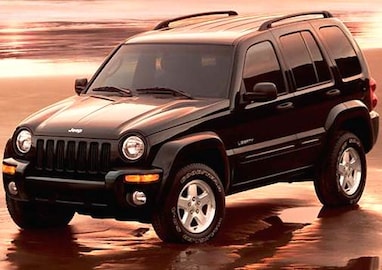
Buying or selling a 2004 Jeep Liberty can be tricky if you don’t know what it’s really worth. This compact SUV was popular for its tough build and off-road ability, but its value today depends on several factors.
Whether you’re trading in, selling privately, or just curious, understanding the current market can help you make smarter choices. Many people are surprised at how much prices can change depending on small details, so taking the time to research is always worth it.
This guide will help you see what really affects value and what you should watch out for.
What Impacts The Value Of A 2004 Jeep Liberty?
Many things affect how much a 2004 Jeep Liberty is worth. Here are the main factors:
- Mileage: Lower miles usually mean a higher price. For example, a Jeep with 70,000 miles will often sell for much more than one with 150,000 miles, because buyers expect less wear and longer life.
- Condition: Clean, well-maintained cars sell for more. A car with faded paint, dents, or stains inside will be worth less. Even small things—like worn tires or broken buttons—can lower the value.
- Trim level: Some trims are worth more, like the Limited or Renegade. These have extra features, better seats, or stronger styling that appeal to buyers.
- Location: Prices can change depending on where you live. In areas with snow, 4WD models are more popular and fetch higher prices. In warmer places, demand might be lower.
- Market demand: Popular models fetch better prices. If many people in your area want an affordable SUV, you’ll likely see higher offers.
- Service history: Records showing regular maintenance add value. Buyers want proof the car was cared for—oil changes, brake work, and any repairs.
- Accident history: Cars with no accidents are worth more. Even minor accidents, if reported, can drop the price, because buyers worry about hidden damage.
- Modifications: Aftermarket parts or changes (like lifted suspension or non-factory wheels) can sometimes hurt value, unless buyers want those exact changes.
A smart seller will gather all service records, check for any recalls, and be honest about the car’s history. This builds trust and can lead to a faster, smoother sale.
Typical Price Range
The value of a 2004 Jeep Liberty can vary a lot. Most fall between $1,800 and $4,000. Here’s a quick breakdown:
| Condition | Mileage | Typical Price |
|---|---|---|
| Poor | 150,000+ | $1,500–$2,000 |
| Fair | 120,000–150,000 | $2,000–$2,800 |
| Good | 80,000–120,000 | $2,800–$3,700 |
| Excellent | Under 80,000 | $3,700–$4,400 |
Most buyers find good-condition models for about $3,000. If you see prices much higher, check for rare trims or very low miles. In some cases, a one-owner Jeep with low miles and a spotless service record can even go above $4,000, but that’s unusual. Another non-obvious detail: private party prices are often a bit lower than dealer prices, but you may get a better overall deal because there are no dealer fees.
Keep in mind, prices may also change by season. In winter, 4WD vehicles like the Liberty can cost more in snowy areas.
In summer, prices may dip slightly as demand for off-road vehicles goes down.
Trim Levels And Features
The 2004 Jeep Liberty came in a few different trims:
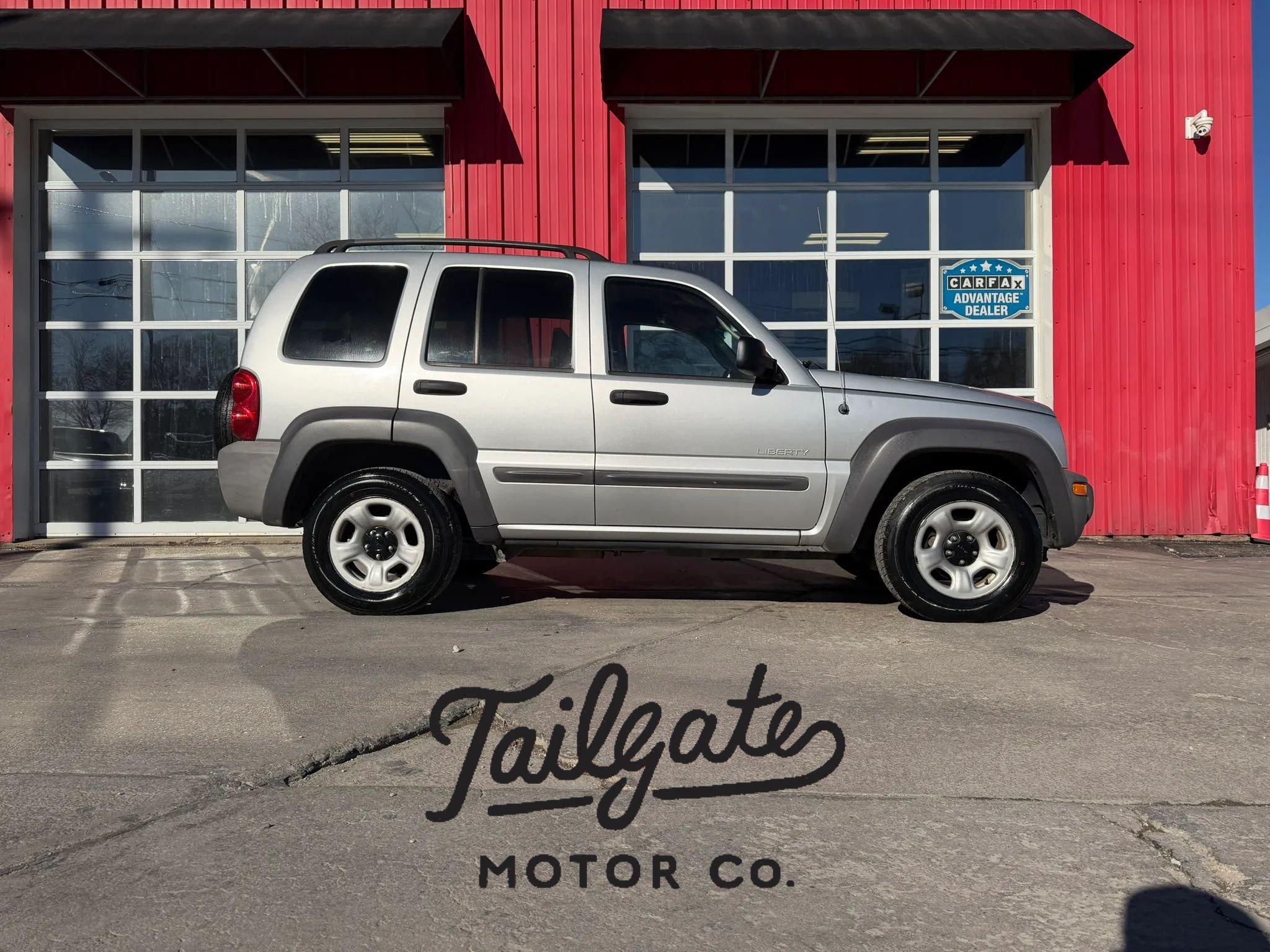
- Sport: The base model, usually the lowest price. It has basic features, but is still capable for daily driving and light off-roading.
- Limited: Offers more features; worth more. This trim usually includes power windows, better seats, and sometimes upgraded sound systems.
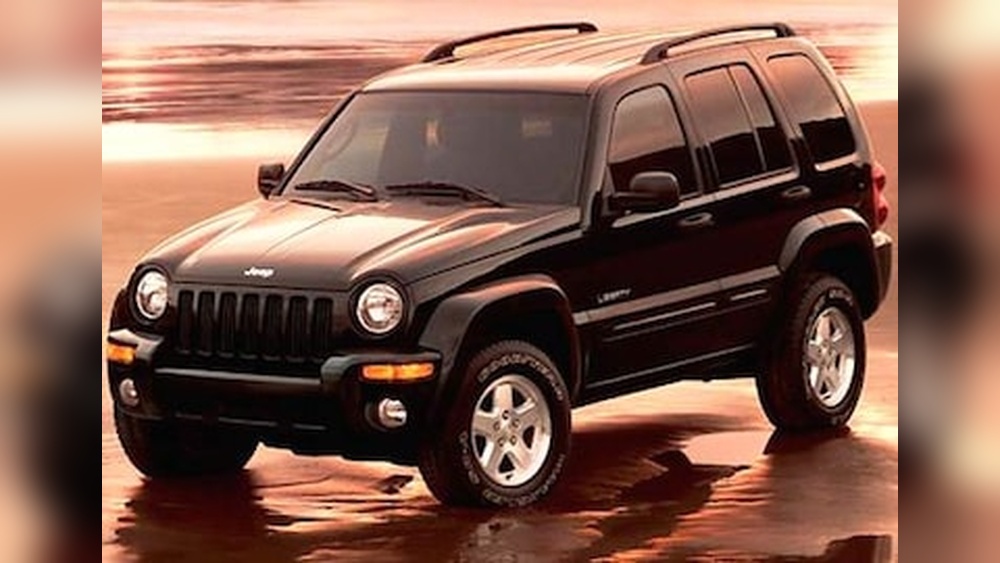
- Renegade: Special styling and extra off-road options; prices can be higher. The Renegade stands out with its unique hood, extra lights, and sometimes roof racks.
Some features can increase value:
- 4WD: More desirable in snowy or rural areas. Even if you don’t use it often, buyers like the option.
- Sunroof, leather seats, or upgraded stereo: Add a few hundred dollars. Many buyers are willing to pay a bit more for comfort and style.
- Tow package: The Liberty can tow up to 5,000 lbs with the right setup. If yours has a factory tow hitch and wiring, it’s a selling point.
Here’s how trim affects price:
| Trim | Typical Price (Good Condition) |
|---|---|
| Sport | $2,800–$3,200 |
| Limited | $3,200–$3,700 |
| Renegade | $3,400–$4,000 |
As an extra tip, original factory options—like alloy wheels or fog lights—can make your Jeep stand out from others for sale. But heavy aftermarket changes, like big lifts or extreme tires, sometimes scare away buyers who prefer stock vehicles.
Comparing Private Sale, Trade-in, And Dealer Prices
Where you sell your Jeep Liberty makes a big difference.
| Sale Method | Average Price | Notes |
|---|---|---|
| Private Sale | $2,800–$4,000 | Best price, but more effort |
| Trade-In | $1,800–$2,800 | Quick, but less money |
| Dealer Retail | $3,500–$4,400 | Highest, but buyer pays more |
For most sellers, a private sale gets the most money. Trading in is easier, but you get less. If you’re in a hurry or want to avoid strangers, a trade-in is faster, but dealerships always pay below market value to make a profit reselling your car.
Dealers may offer more if your Jeep is in great shape, but remember they often add costs like inspections and paperwork fees. As a buyer, you might pay more at a dealer, but you could get short-term warranties or extra checks. A non-obvious insight: sometimes, local used car lots pay more than big franchise dealers, so it’s worth shopping your trade-in to a few places.
Common Mistakes When Valuing
Some owners overestimate their Jeep’s worth. Here are mistakes to avoid:
- Ignoring high mileage: More miles means less value. Even if your Jeep runs well, expect buyers to negotiate down for high mileage.
- Not accounting for accidents: Even small accidents reduce price. Buyers can check vehicle history reports, so be upfront.
- Forgetting about maintenance costs: Buyers look for cars with recent repairs. If you just changed the brakes or tires, mention it—receipts help!
- Overlooking local demand: Values can drop in areas with less interest. In some rural or warm places, SUVs are less popular.
A non-obvious tip: Many sellers forget that the 2004 Jeep Liberty was recalled for window regulator issues. If this has been fixed, mention it to buyers. Also, having original manuals and keys adds extra value. Even small things, like working remotes or a clean spare tire, can help your sale stand out.
Another mistake is setting a price based only on online listings. Always check if those cars are actually selling at that price.
Some sit unsold for weeks because they’re overpriced.
Is The 2004 Jeep Liberty Still A Good Buy?
The 2004 model is known for:
- Reliable off-road performance: Many owners use their Liberty for camping, fishing, or exploring rough roads.
- Decent towing ability (up to 5,000 lbs): Few small SUVs can tow as much, making it handy for small trailers or boats.
- Affordable parts: Repairs are often cheaper than for newer SUVs, and parts are easy to find.
However, buyers should know about:
- Below-average fuel economy: Around 16–20 MPG. Expect to spend more on gas, especially if you drive a lot.
- Potential rust issues: Especially in colder climates. Check the frame and underbody for rust before buying.
- Older safety features: No modern airbags or backup camera. The Liberty has basic safety for its time, but lacks newer tech.
Still, if you want a budget SUV for light off-roading or a second car, it can be a smart buy. Always check service records and drive before buying. Some owners report that with regular care, these Jeeps easily reach 200,000 miles. But plan for possible repairs as it gets older, such as suspension parts or minor leaks.
How To Get An Accurate Value
To find a fair price:
- Check local listings for similar Jeeps. Look for the same year, trim, and mileage to get a realistic idea.
- Use online tools like Kelley Blue Book and Edmunds. These sites let you enter your Jeep’s details for a price estimate.
- Ask a mechanic for a pre-sale inspection. This can catch hidden problems and help you set a fair price or negotiate repairs with a buyer.
- Compare prices for your trim and mileage. If your Jeep has rare features or is in above-average shape, you can ask for more.
For deeper research, you can visit Edmunds to see real-world values.
It’s also smart to take clear, honest photos and write a detailed description if selling online. A good ad can attract serious buyers faster.
Frequently Asked Questions
What Is The Average Mileage For A 2004 Jeep Liberty?
Most 2004 Jeep Liberties on the market have 120,000–160,000 miles. Lower-mileage models are rare and worth more. If you find one with under 100,000 miles, it often gets attention from buyers who want a longer-lasting vehicle.
Is The 2004 Jeep Liberty Expensive To Repair?
Repair costs are moderate compared to newer SUVs. Common repairs include brakes, suspension, and window regulators. Parts are usually affordable. Labor rates depend on your area, but you’ll pay less than for luxury brands. A smart move is to budget $400–$700 a year for basic repairs and upkeep.
How Can I Improve The Resale Value?
Keep up with regular maintenance, fix recalls, and provide service records. Clean the car inside and out before selling. Fix small issues like burned-out lights, warning lights on the dash, or worn wipers. Even a fresh oil change or new floor mats can make your Jeep more attractive to buyers.
Does The Color Affect The Price?
Color can make a small difference. Popular colors like black, silver, and blue sell faster. Odd colors may take longer to sell. Neutral colors usually appeal to more buyers, while bright or rare colors might need a price cut to sell quickly.
Are 2004 Jeep Liberties Reliable?
They are reasonably reliable if maintained well. Watch for rust, window issues, and worn suspension parts. Many owners find them dependable for daily driving and light off-roading, but skipping maintenance can lead to bigger problems down the road.
Knowing the real value of a 2004 Jeep Liberty can help you make a smarter decision. Check all factors and compare prices before buying or selling.
With the right approach, you can get a fair deal and avoid common mistakes.
Taking the time to prepare and research pays off—whether you’re buying your first Jeep or selling one you’ve owned for years.