If you’re thinking about buying or selling a 2001 Jeep, one of the first questions you’ll ask is: “How much is it worth?” The answer isn’t simple, but with the right information, you can get a clear idea.
Many factors affect the value, including model, mileage, condition, location, and market demand. In this guide, you’ll learn what drives the price, how much you can expect to pay or receive, and tips to maximize value.
Main Factors That Affect A 2001 Jeep’s Value
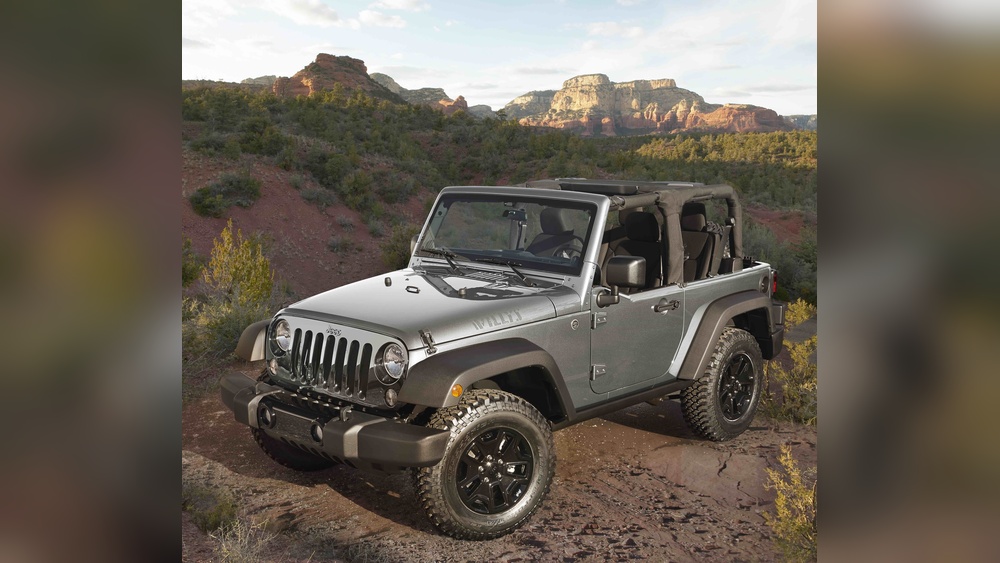
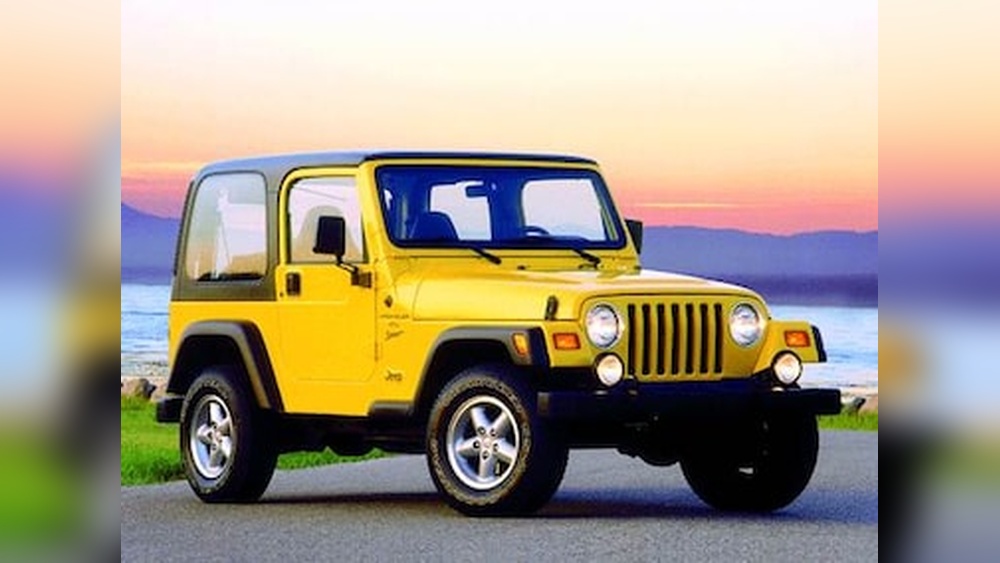
Jeep produced several models in 2001, like the Wrangler, Grand Cherokee, and Cherokee. Each has its own market value, and prices can vary widely.
Model
The model of your Jeep is a major factor:
- 2001 Wrangler: Known for off-road capability, holds value well.
- 2001 Grand Cherokee: Popular for daily use and comfort.
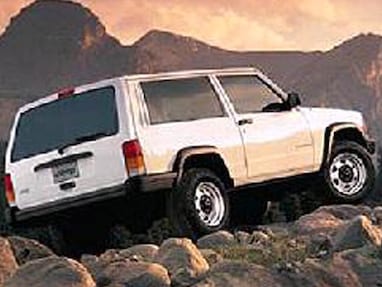
- 2001 Cherokee: Simple and durable, often valued for reliability.
Certain trims or special editions, like the Wrangler Sahara or Cherokee Limited, are more desirable to collectors or enthusiasts.
Mileage
Lower mileage means less wear and tear. Most 2001 Jeeps will have high mileage, but those with less than 100,000 miles often sell for a premium.
Condition
A Jeep in great condition—no rust, clean interior, working electronics—will be worth much more. Accidents or poor maintenance lower value quickly.
Location
Market values differ by region. For example, 4×4 Jeeps are more popular (and expensive) in snowy or rural areas.
Modifications
Some upgrades, like lift kits or aftermarket wheels, can boost value for enthusiasts. But extreme changes may lower appeal for the average buyer.
Price Ranges For 2001 Jeep Models
To give a clear comparison, here’s how much each main 2001 Jeep model is worth today, based on condition and mileage.
| Model | Fair Condition | Good Condition | Excellent Condition |
|---|---|---|---|
| Wrangler | $4,000–$6,000 | $6,500–$9,000 | $9,500–$13,000 |
| Grand Cherokee | $2,500–$4,000 | $4,500–$6,500 | $7,000–$9,000 |
| Cherokee | $2,800–$4,500 | $5,000–$7,000 | $7,500–$10,000 |
These values are for Jeeps with typical mileage (120,000–180,000 miles). Special cases, like very low miles or rare trims, can be higher.

Where To Check Current Values
You can check prices on sites like Kelley Blue Book and NADA Guides. Also look at real listings on Craigslist, Facebook Marketplace, or AutoTrader. Local dealers may offer less than private buyers, but the process is often easier.
Typical Selling Prices
Here’s a quick look at what sellers are asking for 2001 Jeeps online:
| Vehicle | Mileage | Listed Price | Location |
|---|---|---|---|
| Wrangler Sport | 145,000 | $7,800 | Denver, CO |
| Grand Cherokee Laredo | 168,000 | $3,900 | Atlanta, GA |
| Cherokee Limited | 110,000 | $8,500 | Seattle, WA |
Remember, listed prices are not always selling prices. Negotiation is common, and vehicles in better shape or with service records often get more.

How To Get The Most Value From Your 2001 Jeep
If you want to sell your Jeep, a few simple steps can increase its value:
- Clean Thoroughly: Wash, wax, and clean the interior well.
- Fix Small Issues: Repair broken lights, worn tires, or minor dents.
- Show Service Records: Buyers pay more when they see regular oil changes and repairs.
- Highlight Upgrades: If you have new tires, a sound system, or safety features, mention them.
A small investment—like $200 for cleaning and minor fixes—can add $500 or more to your selling price.
Common Mistakes When Pricing A 2001 Jeep
Even experienced sellers make these errors:
- Overestimating value: Nostalgia can cloud judgment. Check real market prices, not just what you hope to get.
- Ignoring condition: Rust, leaks, or mechanical problems lower value more than people expect.
- Not comparing local sales: Prices in your area may be higher or lower than national averages.
- Forgetting paperwork: Missing the title or registration will scare off buyers or reduce your sale price.
Examples Of Exceptional 2001 Jeeps
Some 2001 Jeeps have sold for much more than average. For example, a low-mileage 2001 Wrangler Sahara with only 50,000 miles and no rust sold for over $16,000 in 2023. Rare colors or models, like the Cherokee Classic with a manual transmission, also attract collectors.
But these cases are rare. Most 2001 Jeeps will sell in the ranges listed above.
Non-obvious Insights
- Winter or early spring can be the best time to sell a Jeep, especially in areas with snow. Demand for 4×4 vehicles increases, and prices go up.
- Factory originality matters to collectors. A stock Jeep is sometimes worth more than one with heavy modifications, even if the upgrades are expensive.
When To Walk Away
If a Jeep has major frame rust, a bad transmission, or a salvage title, walk away or expect to pay much less. The cost of repairs often exceeds the vehicle’s value.
For buyers, always get a trusted mechanic to check the Jeep before purchase.
Additional Resources
If you want more data or to check VIN numbers, the Kelley Blue Book Jeep Page is a respected source.
Frequently Asked Questions
What Is The Average Value Of A 2001 Jeep Wrangler?
A 2001 Jeep Wrangler in average condition with normal mileage is usually worth between $6,000 and $10,000. Values go up for low-mileage or well-maintained models.
Does 4wd Increase The Value Of A 2001 Jeep?
Yes. 4WD models are worth more, especially in regions with bad weather or off-road interest. Most buyers expect Jeeps to have 4WD.
How Much Does Rust Affect A 2001 Jeep’s Value?
Rust, especially on the frame or floor pans, can reduce value by thousands of dollars. Buyers should always check under the vehicle for serious rust.
Are Modified 2001 Jeeps Worth More?
It depends. Some buyers pay extra for tasteful modifications like mild lift kits or wheels. But extreme mods can turn away average buyers and lower the price.
Where Can I Find A Fair Market Value For My 2001 Jeep?
Use online valuation tools like Kelley Blue Book or check local online listings. Comparing several sources gives a more accurate estimate.
If you understand these key points, you’ll be better prepared to buy or sell a 2001 Jeep at a fair price. Taking time to research and prepare can mean more money in your pocket or a better deal when buying.