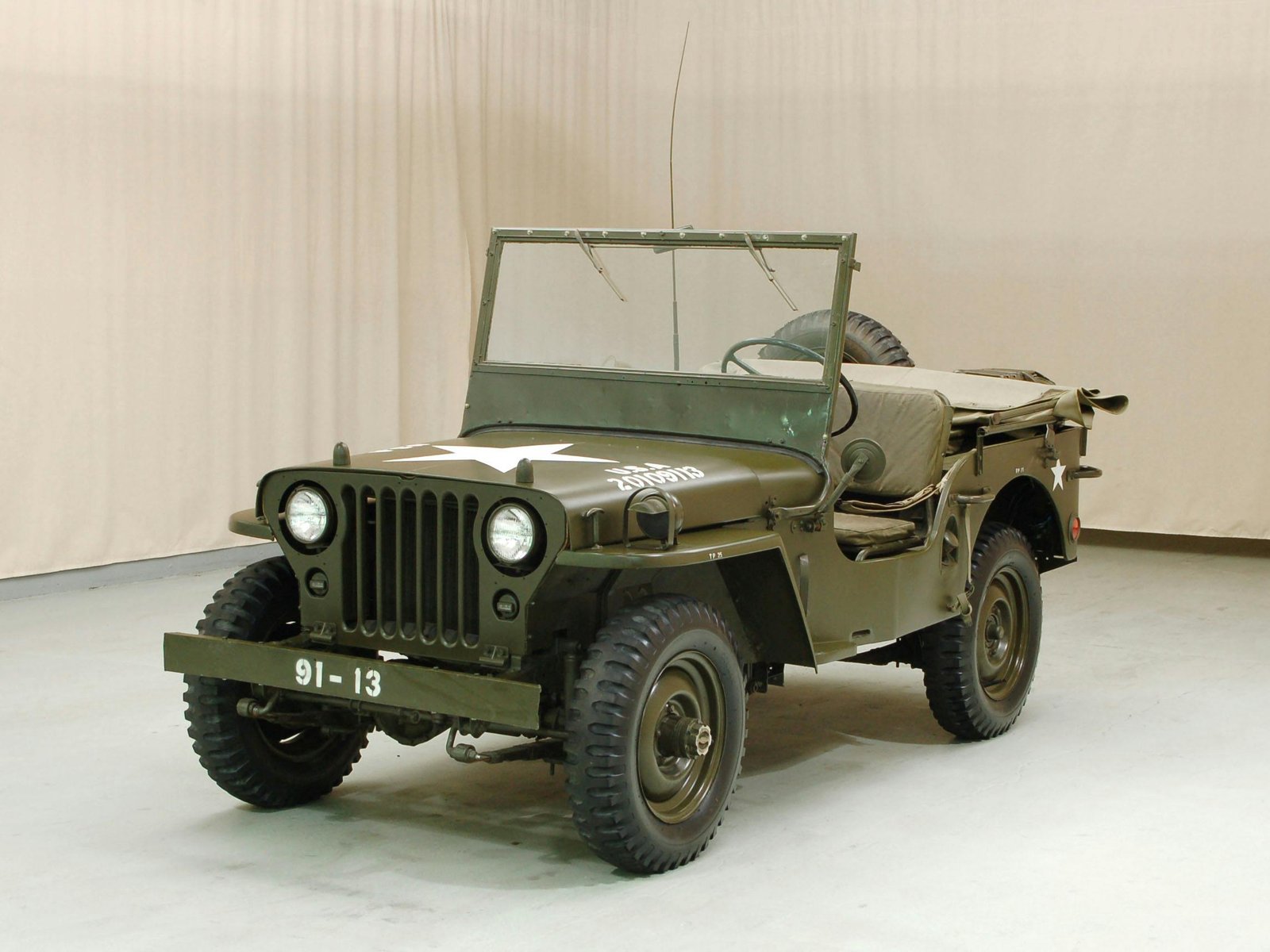
A 1944 Willys Jeep is more than just an old vehicle. It’s a piece of history from World War II, and collectors know its value goes beyond money.
But how much is a 1944 Willys Jeep really worth today? If you want to buy, sell, or just understand its market, you need to know what affects its price, how to compare values, and what mistakes to avoid.
Let’s explore the current worth of this classic military jeep with real numbers and practical guidance.
What Makes The 1944 Willys Jeep Valuable
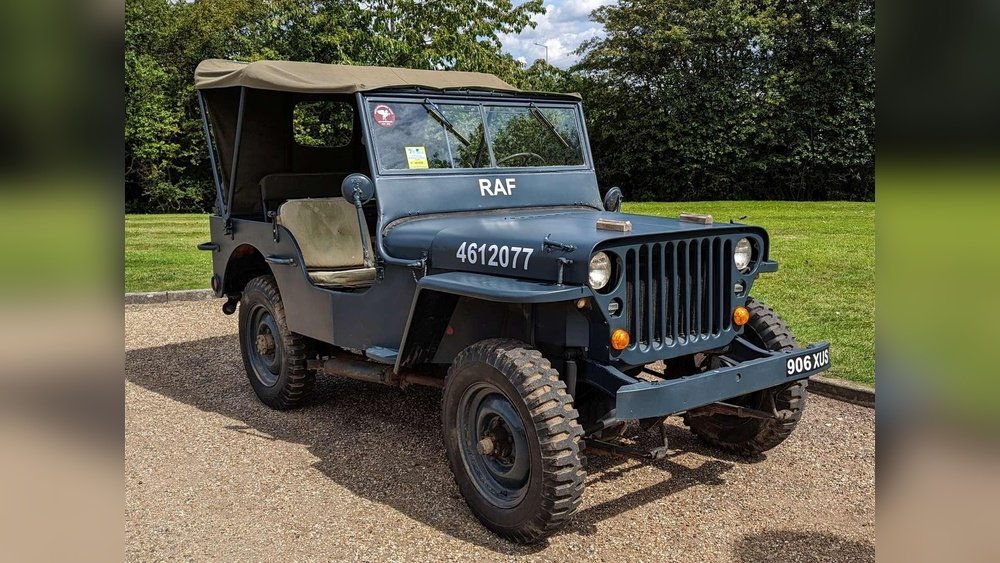
The 1944 Willys Jeep was built for the US Army during WWII. Its simple design, strong build, and historical importance make it popular among collectors. There are three main reasons why its value stays high:
- Historical significance: These jeeps were used in battles, parades, and are symbols of freedom.
- Survival rate: Many were destroyed or lost after the war. Surviving examples are rare.
- Originality: Jeeps with original parts, paint, and documents are worth more.
Beginners often miss that even small changes like modern engines or paint can lower the price. Also, not all Willys Jeeps from 1944 are equal.
Some were made for combat, others for supply runs. Combat models usually fetch higher prices.
1944 Willys Jeep Market Price Range
The price for a 1944 Willys Jeep depends on condition, originality, location, and demand. Here’s a quick look at typical values in the US market:
| Condition | Price Range (USD) |
|---|---|
| Restored, Show Quality | $30,000–$50,000 |
| Good Original | $18,000–$28,000 |
| Running, Needs Restoration | $10,000–$17,000 |
| Non-Running, Parts Only | $5,000–$9,000 |
Most jeeps found today are not fully original. A completely restored Willys with matching numbers (engine and body) can easily cross $40,000.
But those missing key parts or documents may only reach $10,000.
Key Factors That Affect Willys Jeep Value
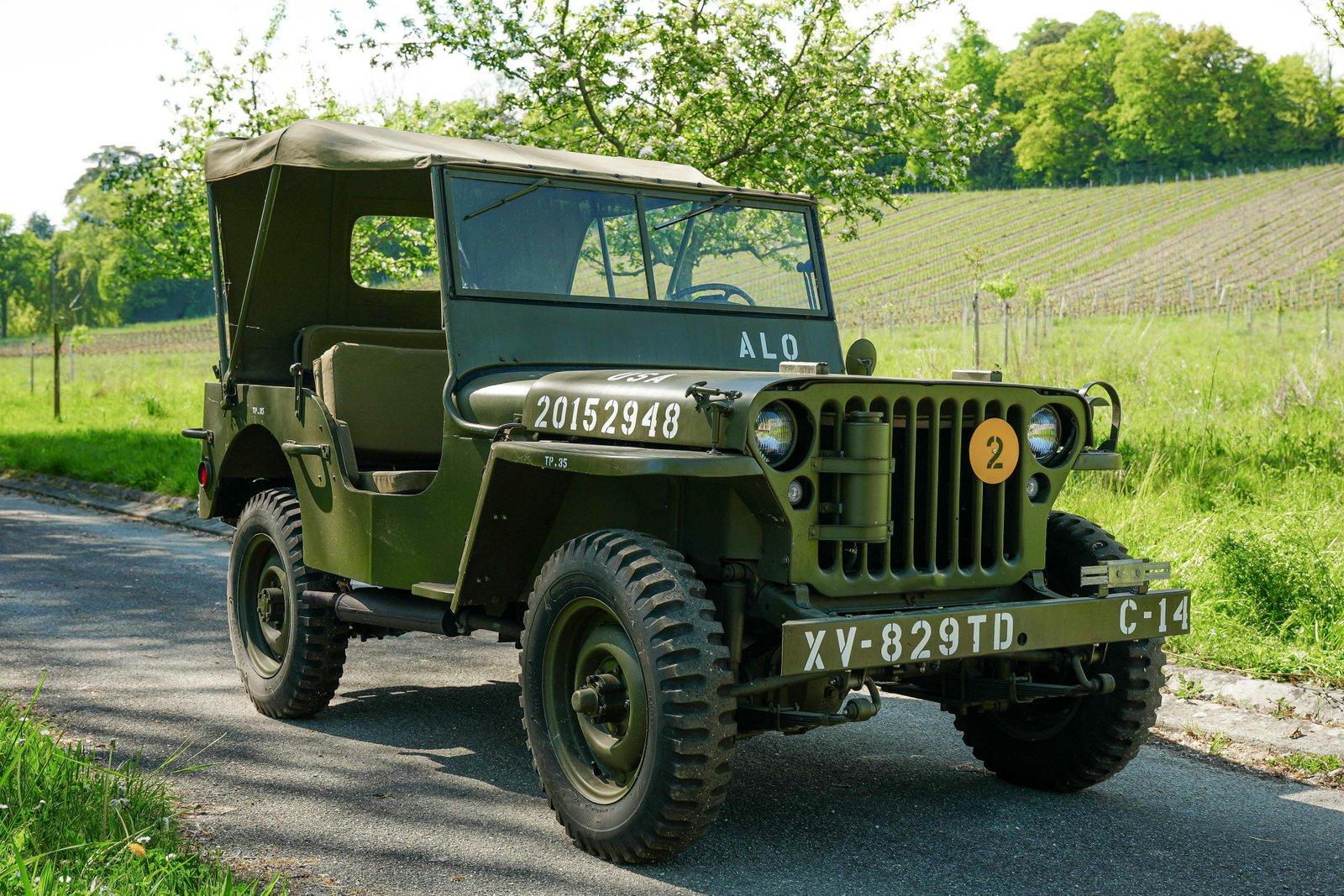
Several details can change the price of a 1944 Willys Jeep quickly:
- Original parts: Engine, transmission, wheels, and military accessories.
- Documentation: Papers proving military history, service records, or ownership.
- Condition of body: Rust, dents, and repairs lower value.
- Restoration quality: Professional restorations are worth more.
- Location: Prices are higher in places with more collectors.
Example Comparison
Let’s compare two real-world cases:
| Jeep Type | Features | Sold Price |
|---|---|---|
| Fully Original, Combat Model | Matching numbers, rare accessories, documented history | $48,000 |
| Restored, Non-Original Engine | Repainted, modern parts, no papers | $14,000 |
This shows how originality and history can double or triple value.
How To Check Jeep Authenticity
Buying a Willys Jeep is risky if you don’t know what to look for. Here’s what you should check:
- Serial numbers: Engine and frame numbers should match 1944 records.
- Military markings: Look for US Army stamps, paint codes, and original colors.
- Parts: Steering wheel, seats, lights, and tires should be period-correct.
- Documents: Service papers or sales receipts from the 1940s are rare but valuable.
A common mistake is trusting just the seller’s word. Always double-check numbers and photos with expert sites or classic car clubs.
Where To Find 1944 Willys Jeeps For Sale
You can find these jeeps in several places:
- Classic car auctions: Prices are often higher, but you get clear history.
- Online marketplaces: Websites like eBay, Hemmings, and Bring a Trailer list many jeeps.
- Military vehicle shows: Direct deals with collectors.
- Jeep clubs: Networking can lead to better prices and honest sellers.
Many beginners think the cheapest jeep is the best deal. Often, it’s wiser to spend more for a well-documented, well-maintained vehicle.
Restoration Costs And Investment Tips
Restoring a 1944 Willys Jeep can be expensive. Here’s a breakdown of common costs:
| Restoration Task | Estimated Cost (USD) |
|---|---|
| Engine rebuild | $3,000–$5,000 |
| Bodywork & paint | $4,000–$8,000 |
| Interior restoration | $2,000–$4,000 |
| Military accessories | $1,000–$2,500 |
If you plan to invest, focus on jeeps with clear history and original parts. Restoration rarely increases value beyond costs unless the jeep is rare and fully documented.
Common Buyer Mistakes
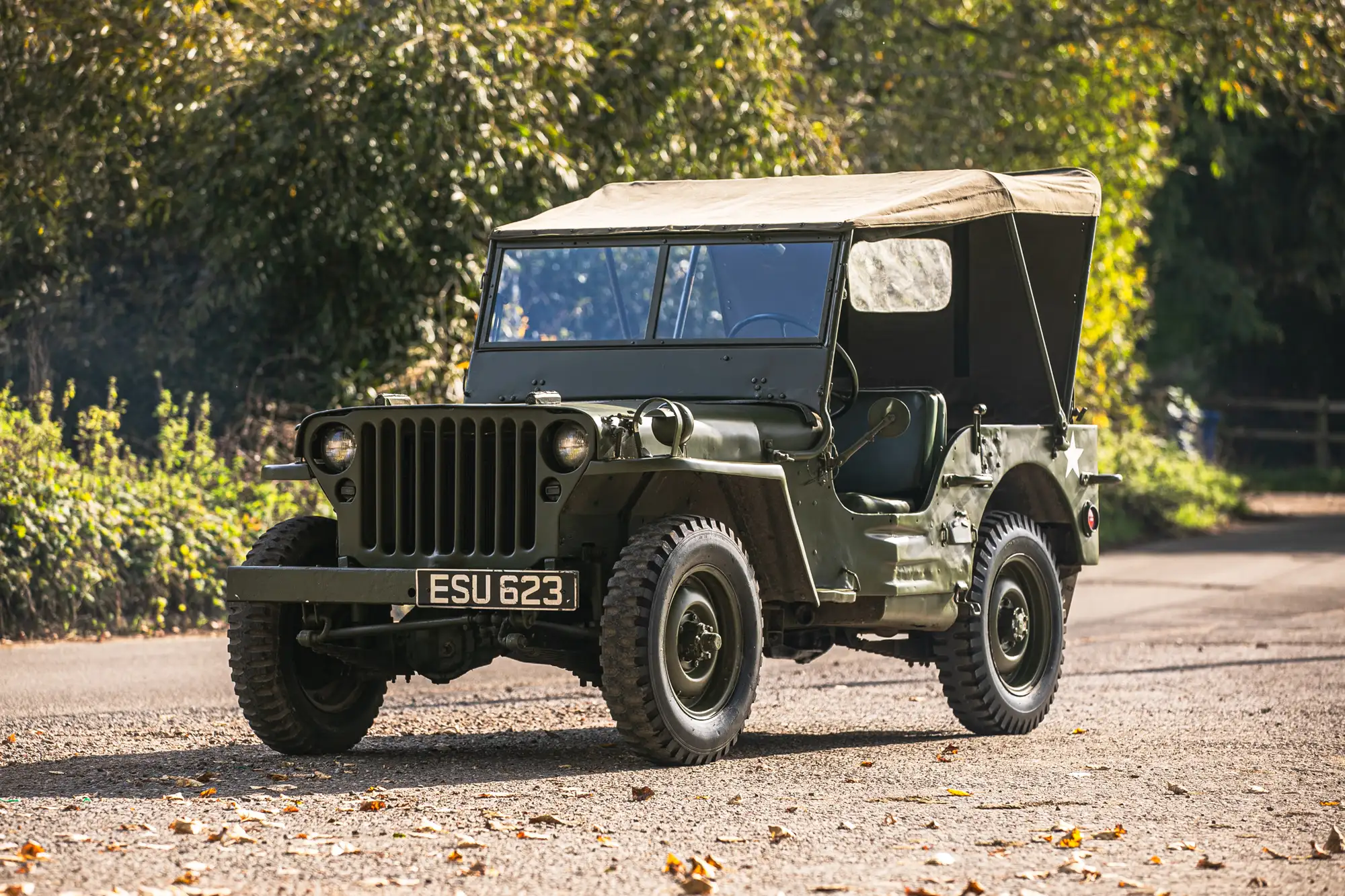
People new to Willys Jeeps often make these errors:
- Ignoring serial numbers
- Buying based only on looks
- Underestimating restoration costs
- Not checking for rust under the frame
Another insight: Many sellers repaint jeeps to hide flaws. Always inspect under the paint for hidden damage.
Frequently Asked Questions
How Can I Tell If My Jeep Is Really From 1944?
Check the serial number on the frame and engine. Compare with official Willys records from 1944. Look for military stamps and documents.
Is It Better To Buy An Original Or Restored Jeep?
An original jeep with matching parts and history is more valuable. Restored jeeps look nicer but may have lower value if non-original parts are used.
Where Is The Best Place To Sell A 1944 Willys Jeep?
Classic car auctions and military vehicle shows usually bring the highest prices. Online marketplaces work, but you may need to filter out non-serious buyers.
What Should I Watch For When Buying?
Check for matching numbers, military markings, rust, and complete documents. Ask for detailed photos and history.
Can A Willys Jeep Be A Good Investment?
Yes, but only if you buy a rare, documented model and keep it in excellent condition. Restoration costs can be high, so plan carefully.
Collectors respect the 1944 Willys Jeep for its history and rugged design. If you’re buying or selling, focus on originality, documentation, and condition. Proper research and expert advice can help you avoid common mistakes and secure a fair price. For more details on Willys Jeeps and WWII vehicles, visit Wikipedia.