The Jeep Patriot is a compact SUV that found fans for its rugged looks and affordable price. While it never matched the power of bigger Jeeps, the Patriot offered enough horsepower for daily city driving and light off-road trips.
If you’re thinking about buying a used Patriot, you might wonder exactly how much power it has, how it compares to other SUVs, and if it fits your needs. Let’s break down the horsepower of the Jeep Patriot in detail, so you can decide if this SUV is right for you.
Jeep Patriot Engine Options And Horsepower
The Jeep Patriot was sold in the United States from 2007 to 2017. Over these years, Jeep offered the Patriot with two main gasoline engines. Understanding these choices is the key to knowing how much horsepower you’ll find in a Patriot.
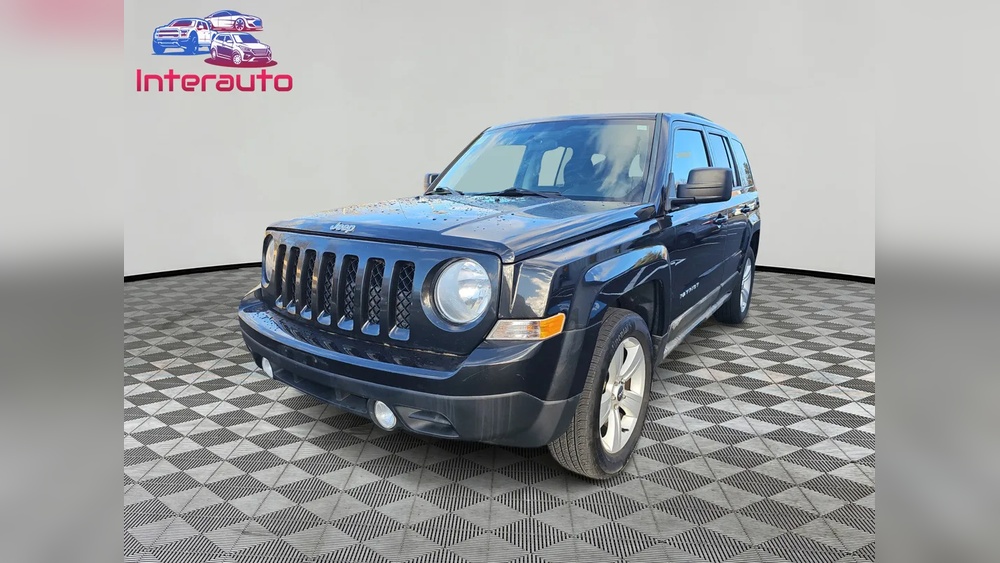
1. 2.0-liter Inline-4 Engine
This engine was usually found in the base models, especially those with front-wheel drive. Here’s what you get:
- Horsepower: 158 hp at 6,400 rpm
- Torque: 141 lb-ft at 5,000 rpm
The 2.0-liter engine is good for city driving and light highway use. It’s not very quick, but it’s efficient.
2. 2.4-liter Inline-4 Engine
Most Patriots on the road use this larger engine. It comes with both front-wheel and four-wheel drive versions:
- Horsepower: 172 hp at 6,000 rpm
- Torque: 165 lb-ft at 4,400 rpm
This engine gives the Patriot a bit more strength, especially when climbing hills or carrying passengers. It’s the better choice if you want more flexibility or plan to use four-wheel drive.
Special Case: European Diesel
In some markets outside the US, Jeep sold a diesel engine with about 134 horsepower. However, this engine was never available in the United States.
Year-by-year Horsepower Differences
While the two main engines stayed the same, there were small updates over the years. The horsepower ratings did not change much, but features like transmission options and drive systems could affect performance.
Here’s a quick look at the main US models:
| Model Year | 2.0L Horsepower | 2.4L Horsepower |
|---|---|---|
| 2007–2010 | 158 hp | 172 hp |
| 2011–2017 | 158 hp | 172 hp |
As you can see, Jeep did not increase the horsepower over the years. This means that a 2007 Patriot with the 2.
4L engine has the same horsepower as a 2017 model.
How Does The Jeep Patriot Compare To Other Compact Suvs?
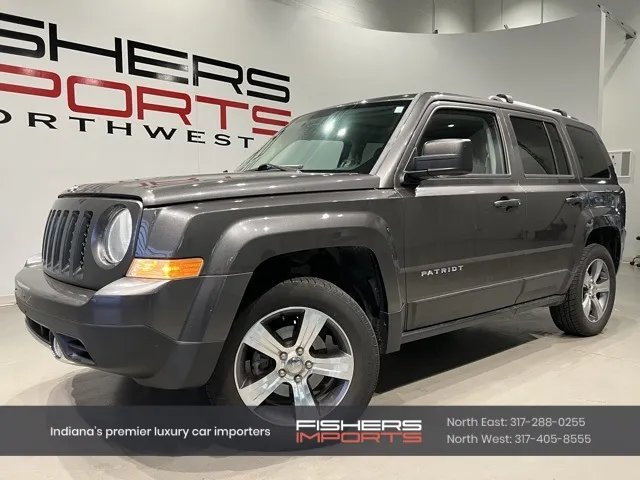
If you’re looking at a Jeep Patriot, you may also consider other compact SUVs. Let’s compare the Patriot’s horsepower to a few popular rivals:
| Model | Year | Horsepower |
|---|---|---|
| Jeep Patriot (2.4L) | 2017 | 172 hp |
| Honda CR-V | 2017 | 184 hp |
| Ford Escape | 2017 | 168 hp (base) |
| Toyota RAV4 | 2017 | 176 hp |
| Subaru Forester | 2017 | 170 hp |
The Patriot is close to its competitors, but it does not lead in horsepower. The differences are small for daily driving, but the Patriot’s engine may feel less modern and less refined compared to newer models.
What Does Horsepower Mean For Daily Driving?
Many people confuse horsepower with overall speed or strength, but it’s only one factor. Here’s how it affects your everyday experience with the Jeep Patriot:
- Acceleration: More horsepower usually means quicker starts from stoplights. The Patriot is not a fast SUV, but it can keep up with normal traffic.
- Highway Merging: The 2.4L engine is better for highway ramps and passing other cars. The 2.0L engine may feel slow when merging onto busy roads.
- Towing: The Patriot is not built for heavy towing. Even with the 2.4L engine, the towing capacity is only 2,000 pounds when properly equipped.
- Fuel Economy: The lower horsepower 2.0L engine is a bit more fuel-efficient, with up to 30 MPG highway. The 2.4L gets around 28 MPG highway.

Non-obvious Insights For Patriot Buyers
- Transmission affects performance: Patriots with the CVT (continuously variable transmission) often feel slower than those with a manual or traditional automatic. If you want a more responsive feel, look for a manual transmission model.
- Four-wheel drive does not increase horsepower: Some buyers think 4WD models are more powerful, but the engine output is the same. Four-wheel drive only helps with traction on slippery roads or light off-roading.
- Altitude and climate matter: If you live at high altitude, naturally aspirated engines like the Patriot’s lose about 3% of horsepower for every 1,000 feet. This means less power in places like Denver or Salt Lake City.
Should You Worry About Patriot Horsepower?
If you expect sports car speed, the Jeep Patriot will not impress you. But for city driving, commuting, and basic road trips, its horsepower is enough.
The most important thing is to test drive both engine options if possible. Notice how the SUV feels when merging, climbing hills, or carrying extra people.
Also, remember that maintenance and age play a role. An older Patriot that has not been taken care of might feel weaker than a well-maintained one, even with the same horsepower rating.
For more technical details, you can check the official Jeep Patriot page.
Frequently Asked Questions
How Much Horsepower Does A 2017 Jeep Patriot Have?
A 2017 Jeep Patriot with the 2.0L engine has 158 hp. With the 2.4L engine, it has 172 hp.
Is The Jeep Patriot Considered Underpowered?
The Patriot is not known for high power. It’s fine for most city and light highway use, but may feel underpowered with a full load or in hilly areas.
Does The Type Of Transmission Change The Horsepower?
No, the transmission does not change the engine’s horsepower rating. However, a manual transmission can feel more responsive than a CVT.
Is There A V6 Engine Option For The Jeep Patriot?
No, the Patriot was only offered with four-cylinder engines in the United States.
How Does The Jeep Patriot’s Horsepower Affect Its Towing Ability?
The 2.4L engine allows the Patriot to tow up to 2,000 pounds. The 2.0L engine is not recommended for towing heavy loads.
The Jeep Patriot is a practical choice for drivers who want Jeep styling on a budget. Its horsepower is average for its class but is best suited for relaxed driving.
Before you buy, try out both engines, consider your daily needs, and remember that horsepower is just one part of the full driving experience.