The Jeep Compass is a popular compact SUV known for its stylish design and versatility. If you own one or are thinking about buying, you may wonder how much gas a Jeep Compass can hold.
Understanding the fuel tank capacity is important for planning trips, estimating fuel costs, and even choosing the right model. Let’s dive into all the details about the Jeep Compass gas tank size, how it compares to competitors, and what it means for your driving experience.
Jeep Compass Gas Tank Capacity
The fuel tank size of the Jeep Compass can vary slightly based on the model year and trim. For most recent models, the Jeep Compass holds approximately 13.5 gallons (about 51 liters) of gasoline. This size is standard for many compact SUVs, offering a balance between driving range and vehicle weight.
Here’s a quick look at fuel tank capacities for different model years:
| Model Year | Fuel Tank Capacity (gallons) |
|---|---|
| 2020 | 13.5 |
| 2021 | 13.5 |
| 2022 | 13.5 |
| 2023 | 13.5 |
| 2024 | 13.5 |
For older models (before 2017), tank sizes may differ slightly, but 13.5 gallons is the standard for the latest generation.
How Far Can A Jeep Compass Go On A Full Tank?
The driving range of a Jeep Compass depends on its fuel economy and how much gas the tank holds. Let’s calculate a typical range using real-world numbers.
The EPA estimates the Jeep Compass gets about 25 miles per gallon (mpg) in the city and 32 mpg on the highway (for front-wheel-drive models). With a 13.5-gallon tank, here’s what you can expect:
- City driving: 13.5 gallons × 25 mpg = 337.5 miles
- Highway driving: 13.5 gallons × 32 mpg = 432 miles
Actual range may vary based on driving style, terrain, and vehicle condition. If you often drive in heavy traffic or carry lots of cargo, your real-world range may be lower.
Jeep Compass Vs. Other Suvs
How does the Jeep Compass compare to other compact SUVs when it comes to gas tank size? Here’s a comparison with some popular competitors:
| Vehicle | Fuel Tank Capacity (gallons) | Highway Range (estimated, miles) |
|---|---|---|
| Jeep Compass | 13.5 | 432 |
| Honda CR-V | 14.0 | 504 |
| Toyota RAV4 | 14.5 | 507.5 |
| Ford Escape | 14.8 | 518 |
| Hyundai Tucson | 14.3 | 486.2 |
As you can see, the Jeep Compass has a slightly smaller tank than some rivals. However, its driving range is still suitable for most daily needs and weekend trips.
Why Fuel Tank Size Matters
A few extra gallons in the tank can make a difference on long journeys, especially if you often drive in rural areas where gas stations are far apart. But a smaller tank also makes the vehicle lighter and sometimes more efficient.
Key points about fuel tank size:
- Longer range: Bigger tanks mean fewer stops for gas.
- Vehicle weight: Smaller tanks reduce weight, which can help fuel economy.
- Cost to fill: Smaller tanks cost less to fill up at the pump.
One insight many drivers miss: Most people rarely use the full range of their tank before refueling. Many drivers refill when the tank is only half empty to avoid running low, so the exact size may matter less in everyday city driving.
How To Maximize Your Driving Range
Even with a modest-sized tank, you can get the most out of every fill-up with some simple habits:
- Drive smoothly: Gentle acceleration and braking use less fuel.
- Keep tires properly inflated: Low tire pressure reduces fuel efficiency.
- Limit extra weight: Remove unnecessary items from your car.
- Use cruise control: Helps maintain a steady speed on highways.
- Plan routes: Avoid heavy traffic and frequent stops when possible.
Many new Jeep Compass models also have a fuel economy monitor to help you adjust your driving for better mileage.
Common Questions About Jeep Compass Fuel
Do All Jeep Compass Trims Have The Same Tank Size?
Most trims and engines use the same 13.5-gallon tank, but always check your owner’s manual for your specific year and model. Special editions or off-road packages rarely affect tank size.
The Jeep Compass is designed to run on regular unleaded gasoline (87 octane). Using premium gas is not needed and does not improve performance for this vehicle.
How Accurate Is The Fuel Gauge?
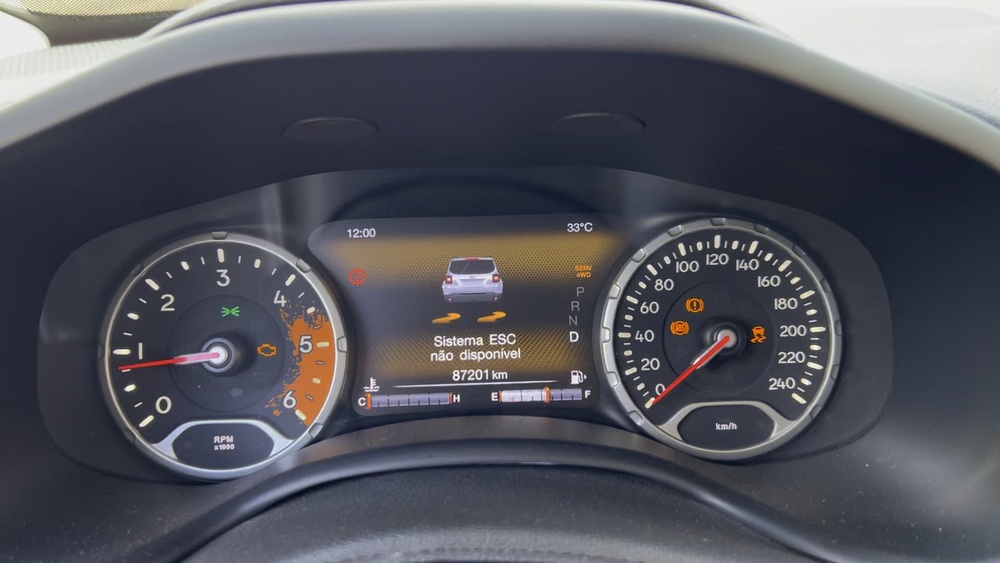
Modern vehicles, including the Compass, have fairly accurate fuel gauges. However, it’s wise not to push it to “empty” often, as sediment can settle at the bottom over time.
Can The Tank Be Upgraded?
Upgrading to a larger tank is generally not recommended. It requires significant changes to the vehicle’s structure and may affect safety or warranty.
Where Is The Fuel Tank Located?
The fuel tank is under the rear seat area, with the filler cap on the driver’s side. This is typical for most compact SUVs.
Frequently Asked Questions
How Much Gas Does The 2024 Jeep Compass Hold?
The 2024 Jeep Compass has a 13.5-gallon fuel tank. This size is consistent with recent model years.
How Far Can I Drive On A Full Tank In The Jeep Compass?
With normal driving, you can go about 337 miles in the city and over 400 miles on the highway before needing to refuel.
Does The Jeep Compass Have A Reserve Tank?
There is no separate reserve tank, but the warning light comes on when you have about 2 gallons left. This gives you enough time to find a gas station.
How Often Should I Fill Up My Jeep Compass?
This depends on your driving habits. Most drivers refuel every 300–400 miles, or about once per week for typical commuting.
Where Can I Find Official Fuel Data For Jeep Compass?
You can always check the official EPA website for the latest fuel data: FuelEconomy.gov.
The Jeep Compass offers a practical balance between size, efficiency, and range. Its 13.
5-gallon fuel tank is enough for most drivers, and with smart driving habits, you can make each fill-up go even further. Whether you’re commuting or heading out on an adventure, understanding your gas tank helps you plan ahead and enjoy the ride with confidence.