How Much Does It Cost To Own A Jeep
Owning a Jeep is a dream for many drivers who love adventure, off-roading, or just want a rugged vehicle. But before you buy, it’s smart to ask: how much does it cost to own a Jeep?
The answer is more than just the price you see at the dealership. There are many costs, some obvious, some hidden, that come with Jeep ownership.
This guide breaks down each cost so you can plan your budget and avoid surprises.
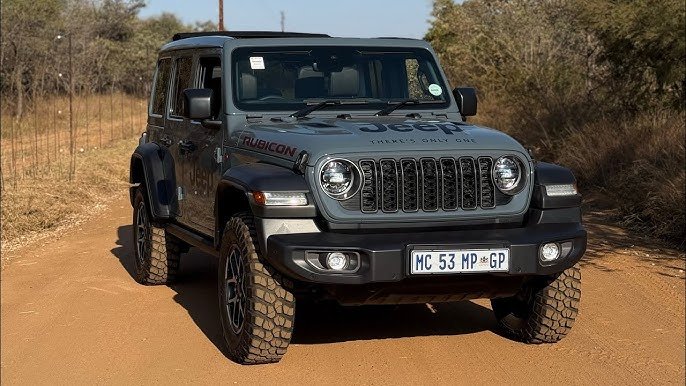
Whether you’re considering a Wrangler, Grand Cherokee, or Compass, you’ll find practical tips, real examples, and cost-saving advice. what it really takes to own a Jeep in the US.
The Purchase Price: What You Pay Upfront
The biggest cost is the purchase price of your Jeep. Jeep offers several models, and prices vary based on the year, trim, and options.
Here’s a quick look at the starting MSRP (Manufacturer’s Suggested Retail Price) for popular Jeep models in 2024:
| Jeep Model | Starting MSRP | Typical Out-the-Door Price* |
|---|---|---|
| Jeep Wrangler | $32,000 | $36,500, $44,000 |
| Jeep Grand Cherokee | $39,500 | $43,500, $50,000 |
| Jeep Compass | $28,400 | $32,000, $38,000 |
| Jeep Gladiator | $39,900 | $44,000, $51,000 |
| Jeep Renegade | $27,800 | $31,000, $36,000 |
*Out-the-door price includes taxes, fees, and basic dealer charges. Prices change by state and options.
Tips To Save On Purchase Price
- Shop at the end of the month or year for better deals.
- Compare prices from several dealerships.
- Consider certified pre-owned Jeeps for savings and warranty coverage.
Non-obvious insight: Some trims and packages add thousands to the price but don’t add much resale value. Focus on what you truly need.
Financing A Jeep: Loan And Lease Costs
Most buyers don’t pay cash. They either finance (take a loan) or lease. Each choice has different costs.
Loan Payments
- Average loan term: 60 to 72 months
- Average interest rate: 5%, 9% (credit score affects rate)
- Down payment: Usually 10%, 20%
For a $40,000 Jeep with 10% down and 6% interest over 60 months, your payment is about $700/month.
Leasing
- Lower monthly payments than a loan
- You must return the Jeep after 2 to 3 years (unless you buy it)
- Mileage limits (usually 10,000 to 15,000 miles/year)
Hidden cost: Leasing means you never own the car. Over many years, leasing often costs more than buying and keeping a vehicle long-term.
Insurance: Protecting Your Jeep
Car insurance is required in every state. Jeeps usually cost more to insure than regular cars because they’re often used for off-roading and repairs can be expensive.
| Jeep Model | Average Annual Insurance (Full Coverage) |
|---|---|
| Wrangler | $1,400, $2,000 |
| Grand Cherokee | $1,600, $2,300 |
| Compass | $1,200, $1,800 |
| Gladiator | $1,500, $2,200 |
| Renegade | $1,100, $1,700 |
What Affects Insurance Cost?
- Your location (city vs rural)
- Driving history
- Age and gender
- Coverage options (liability, collision, complete)
- Deductible amount
Pro tip: Compare quotes from several companies. Some offer discounts if you insure home and auto together.
Non-obvious insight: Modifications (like lift kits or big tires) can make insurance cost more or even void certain coverage.
Fuel Costs: How Much Will You Spend At The Pump?
Jeeps are loved for power and off-road ability, but fuel economy is not their strong point.
Average Fuel Economy
- Wrangler: 17 to 25 mpg (miles per gallon)
- Grand Cherokee: 19 to 26 mpg
- Compass: 22 to 32 mpg
- Gladiator: 16 to 23 mpg
If you drive 12,000 miles/year and gas is $3.60/gallon, here’s your estimated annual fuel cost:
| Jeep Model | MPG (Combined) | Annual Fuel Cost |
|---|---|---|
| Wrangler | 20 | $2,160 |
| Grand Cherokee | 22 | $1,960 |
| Compass | 27 | $1,600 |
Key point: Larger tires, heavy accessories, and frequent off-roading can reduce fuel economy even more.
Maintenance And Repairs: Keeping Your Jeep Running
Jeeps are built tough, but they need regular care. Maintenance is more than just oil changes.
Common Maintenance Costs
- Oil changes: $60, $120 each, 2 to 3 times/year
- Tire rotations: $40, $80, twice/year
- Brakes (pads + rotors): $300, $800 every 40,000 miles
- Fluid changes: $150, $400 (transmission, differential, coolant)
Annual Maintenance: $600, $1,200 (for Normal Driving)
Repairs And Unexpected Costs
Jeeps are reliable for daily driving but can get expensive if you go off-road often. Parts like suspension, axles, and electronics may need repair after heavy use.
- Minor repairs: $200, $800/year
- Major repairs (transmission, engine): $1,500, $4,000 (rare, but possible after 100,000 miles)
Non-obvious insight: Lifting your Jeep or adding big tires can wear out parts faster, increasing maintenance and repair costs.
Tires, Accessories, And Modifications
Many owners love to customize their Jeeps. But these add to the total cost.
Tires
- Stock tires: $600, $900 for a set of four
- Off-road or all-terrain tires: $1,000, $2,000/set
Popular Accessories
- Winch: $500, $1,500 installed
- Roof rack: $400, $1,200
- Lift kit: $1,000, $4,000 (parts + labor)
- Aftermarket lights, bumpers: $200, $1,500+
Warning: Not all accessories are street legal. Check local laws before adding anything.
Pro tip: Some modifications can reduce resale value, even if they look cool.
Taxes, Fees, And Registration
Don’t forget about taxes and fees when you buy a Jeep.
- Sales tax: 6%, 10% of purchase price (varies by state)
- Dealer fees: $300, $900
- Title and registration: $50, $400/year
These can add $2,500 $4,000 to your out-the-door price on a new Jeep.
Depreciation: What’s Your Jeep Worth In 5 Years?
Depreciation means your Jeep loses value every year. On average:
- New Jeeps lose 40%, 50% of their value in the first 5 years.
- After 5 years, a $40,000 Jeep might be worth $20,000, $24,000.
Wrangler models hold value better than most SUVs, but options and heavy modifications can hurt resale.
Pro tip: If you plan to sell in 3 to 5 years, keep your Jeep close to stock to maintain value.
Real-world Example: 5-year Ownership Cost
Let’s look at a typical case. You buy a Jeep Wrangler for $38,000 (before tax) and keep it 5 years.
- Loan payments: $7,800/year ($650/month, 5 years)
- Insurance: $1,700/year
- Fuel: $2,160/year
- Maintenance/repairs: $900/year
- Registration/taxes: $450/year (average after first year)
- Accessories/mods: $1,200/year (optional)
Total 5-year cost (no mods): About $64,500 (including purchase, loan interest, insurance, fuel, maintenance, registration, taxes)
Add $6,000 if you like accessories and off-road mods.
When you sell, you may get $19,000 $22,000 back.
True cost to own: About $42,000, $45,500 over 5 years, or $8,400, $9,100/year (not counting optional mods).
Pros And Cons Of Owning A Jeep
Pros
- Great for off-road and adventure
- High resale value (Wrangler)
- Strong community and aftermarket support
- Rugged style and presence
Cons
- Lower fuel economy
- Higher insurance and maintenance costs
- Can get expensive with accessories
- Not as smooth or quiet as a regular SUV
Non-obvious insight: Jeeps often need more frequent cleaning (mud, salt, sand) to prevent rust and wear, adding to maintenance time and cost.

Can You Lower Jeep Ownership Costs?
Yes, with smart choices:
- Buy used or certified pre-owned to avoid first-year depreciation.
- Keep modifications simple and practical.
- Shop for insurance discounts.
- Perform basic maintenance yourself (oil changes, air filters).
- Drive gently to extend tire and part life.
Hidden cost alert: Skipping regular maintenance can cause bigger, more expensive problems later.
<!– wp:rank-math/faq-block {"questions":[{"id":"faq-question-d24770fc05e6","title":"How Much Does It Cost To Own A Jeep Per Month?","content":"Most Jeep owners spend $700, $950 per month including loan/lease, insurance, fuel, maintenance, and registration. Costs vary by model, location, and driving habits.
“,”visible”:true},{“id”:”faq-question-5833a12c6fcf”,”title”:”Is A Jeep Wrangler Expensive To Maintain?”,”content”:”Yes, compared to smaller SUVs. Expect $800, $1,200 per year in maintenance and repairs if you drive normally. Off-roading or heavy modifications will increase this.
“,”visible”:true},{“id”:”faq-question-c07dca9dd62c”,”title”:”Are Jeeps Good For Daily Driving?”,”content”:”Jeeps are reliable for daily use. However, models like the Wrangler have a stiffer ride, more noise, and use more fuel than regular SUVs. The Compass and Grand Cherokee are more comfortable for everyday commutes.
“,”visible”:true},{“id”:”faq-question-abe4d75e0402″,”title”:”Does Owning A Jeep Affect My Insurance Rates?”,”content”:”Yes. Jeeps often cost more to insure because of their off-road use, higher repair costs, and theft risk. Shop around and ask for bundling discounts.
“,”visible”:true},{“id”:”faq-question-9aae4856f22d”,”title”:”Where Can I Learn More About Jeep Ownership Costs?”,”content”:”For more details and up-to-date data, check the official Jeep site or resources like Kelley Blue Book for ownership cost calculators.
nOwning a Jeep brings freedom, adventure, and a unique driving experience. But it’s not cheap.
nnnnUnderstanding all the costs purchase, insurance, fuel, maintenance, taxes, and depreciation helps you budget smartly and enjoy your Jeep without stress. With the right planning, your Jeep can be a reliable partner for years of fun on and off the road.
“,”visible”:true}]} –>How Much Does It Cost To Own A Jeep Per Month?
Most Jeep owners spend $700, $950 per month including loan/lease, insurance, fuel, maintenance, and registration. Costs vary by model, location, and driving habits.
Is A Jeep Wrangler Expensive To Maintain?
Yes, compared to smaller SUVs. Expect $800, $1,200 per year in maintenance and repairs if you drive normally. Off-roading or heavy modifications will increase this.
Are Jeeps Good For Daily Driving?
Jeeps are reliable for daily use. However, models like the Wrangler have a stiffer ride, more noise, and use more fuel than regular SUVs. The Compass and Grand Cherokee are more comfortable for everyday commutes.
Does Owning A Jeep Affect My Insurance Rates?
Yes. Jeeps often cost more to insure because of their off-road use, higher repair costs, and theft risk. Shop around and ask for bundling discounts.
Where Can I Learn More About Jeep Ownership Costs?
For more details and up-to-date data, check the official Jeep site or resources like Kelley Blue Book for ownership cost calculators.
Owning a Jeep brings freedom, adventure, and a unique driving experience. But it’s not cheap.
Understanding all the costs purchase, insurance, fuel, maintenance, taxes, and depreciation helps you budget smartly and enjoy your Jeep without stress. With the right planning, your Jeep can be a reliable partner for years of fun on and off the road.