For many adventure lovers, the Jeep Wrangler stands out as a symbol of freedom and rugged reliability. Whether you plan to hit rough trails or city streets, understanding how much a Jeep Wrangler weighs is important.
Weight affects everything from fuel economy to towing capacity and even how your Wrangler handles tough terrain. If you're thinking about buying, modifying, or just curious about this famous SUV, this guide gives you all the answers in simple, clear language.
Jeep Wrangler Weight: The Basics
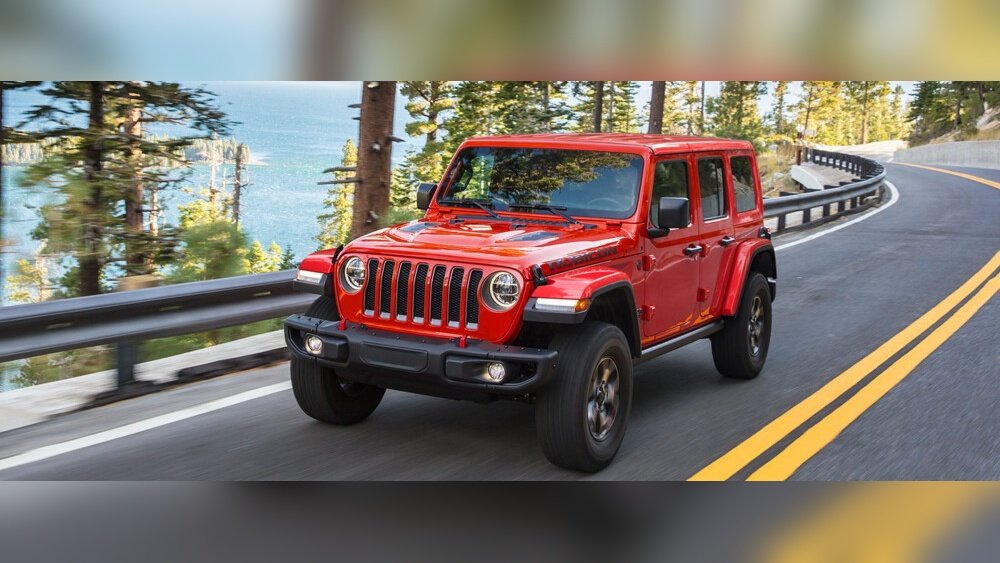
The weight of a Jeep Wrangler depends on the model, year, and whether it’s a 2-door or 4-door version. Most people are surprised by how much these SUVs can differ, even within the same year.
Average Curb Weight By Model
Curb weight means the vehicle’s weight with all fluids and a full tank of gas, but without passengers or cargo. Here’s a quick look at typical curb weights for recent Jeep Wrangler models:
| Model | Doors | Curb Weight (lbs) |
|---|---|---|
| Wrangler Sport | 2-door | 3,970 |
| Wrangler Sport | 4-door | 4,167 |
| Wrangler Rubicon | 2-door | 4,222 |
| Wrangler Rubicon | 4-door | 4,449 |
| Wrangler 4xe (Hybrid) | 4-door | 5,222 |
Most modern Jeep Wranglers weigh between 3,900 and 5,200 pounds. The heavier models, like the 4xe plug-in hybrid, have extra weight due to batteries and hybrid systems.
Key Factors That Affect Wrangler Weight
Doors And Body Style
A 4-door Jeep Wrangler Unlimited is heavier than a 2-door model. The longer wheelbase and bigger body add several hundred pounds.
Engine Type
Engine choice can change the weight by up to 200 pounds. For example, the turbocharged 2.
0-liter engine is lighter than the 3. 6-liter V6.
Diesel engines add more weight, and hybrid models are heaviest.
Trim And Features
Higher trims like the Rubicon or Sahara come with more equipment—off-road gear, bigger tires, and tech features—which all add weight.
Modifications And Accessories
Adding steel bumpers, winches, larger tires, or roof racks quickly increases the total weight. It’s not unusual for a heavily modified Wrangler to weigh over 5,500 pounds.

Why Jeep Wrangler Weight Matters
Many people focus on horsepower or ground clearance, but weight affects your Wrangler in several ways:
- Fuel Economy: Heavier vehicles use more fuel. If you want better gas mileage, a lighter model is often the smarter choice.
- Towing Capacity: A heavier Wrangler can usually tow more, but you must stay within the recommended limits.
- Off-Road Performance: Extra weight can help with traction but may reduce agility and make it harder to climb over obstacles.
- Legal Requirements: If you plan to tow your Wrangler behind a motorhome (flat towing), you need to know the exact weight to stay within safe limits.
Comparing Wrangler Weight To Other Suvs
How does the Jeep Wrangler’s weight stack up against other popular midsize SUVs? Here’s a simple comparison:
| Vehicle | Curb Weight (lbs) |
|---|---|
| Jeep Wrangler (4-door) | 4,167 – 5,222 |
| Toyota 4Runner | 4,400 – 4,805 |
| Ford Bronco (4-door) | 4,449 – 5,320 |
| Honda CR-V | 3,337 – 3,708 |
The Wrangler sits in the middle of the pack, heavier than a Honda CR-V but similar to the Toyota 4Runner and Ford Bronco.

Gross Vehicle Weight Rating (gvwr) Explained
The GVWR is the maximum safe weight of a fully loaded Wrangler, including passengers, cargo, and accessories. Exceeding this limit can damage your vehicle and may be unsafe.
Typical GVWR for Jeep Wranglers:
| Model | GVWR (lbs) |
|---|---|
| Wrangler 2-door | 5,000 |
| Wrangler 4-door | 5,500 |
| Wrangler 4xe Hybrid | 6,100 |
To find your Wrangler’s payload (how much you can carry), subtract the curb weight from the GVWR.
Example:
If your Wrangler Unlimited has a curb weight of 4,200 pounds and a GVWR of 5,500 pounds, the payload is 1,300 pounds.
Non-obvious Insights About Wrangler Weight
Many first-time buyers miss two important points:
- Customization changes weight fast. Even small changes—like swapping tires or adding a roof rack—can push your Wrangler over important thresholds for towing or legal limits.
- Battery weight matters in hybrids. The Wrangler 4xe’s extra battery weight not only affects fuel efficiency but also changes how the SUV handles off-road. It feels different compared to gas-only versions.
Tips For Managing Your Wrangler’s Weight
- Check your owner’s manual for exact numbers. Factory stickers inside the door also list the curb weight and GVWR.
- Weigh your vehicle after modifications at a public weigh station if you plan to tow or carry heavy loads.
- Balance your gear. Keep heavier tools and equipment low and close to the center for better stability on rough trails.
If you want more details about vehicle weights and towing, the official Jeep website is a great resource.
Frequently Asked Questions
How Much Does A Stock Jeep Wrangler Weigh?
A stock 2-door Jeep Wrangler typically weighs around 3,970 pounds. The 4-door Unlimited version is about 4,167 pounds. Hybrids and diesel models can be much heavier.
Does Adding Bigger Tires Increase My Wrangler’s Weight A Lot?
Yes, larger tires and wheels can add 20–60 pounds per corner. This impacts both total weight and how the vehicle handles, especially off-road.
Is The Jeep Wrangler Heavier Than The Ford Bronco?
The weight is similar, but the Ford Bronco can be slightly heavier when fully loaded. Both are heavier than small SUVs but lighter than full-size trucks.
What Is The Gvwr And Why Is It Important?
GVWR (Gross Vehicle Weight Rating) tells you the maximum safe weight of your Wrangler with passengers and cargo. Never exceed this limit, as it can cause damage and safety risks.
How Can I Reduce My Wrangler’s Weight For Better Performance?
Remove unnecessary gear, use lightweight aftermarket parts, and keep accessories simple. Avoid overloading with off-road gear unless truly needed.
A Jeep Wrangler’s weight is more than just a number—it affects performance, safety, and your overall driving experience. By knowing the facts and watching how modifications add up, you’ll get the best out of your Wrangler, wherever your adventures take you.