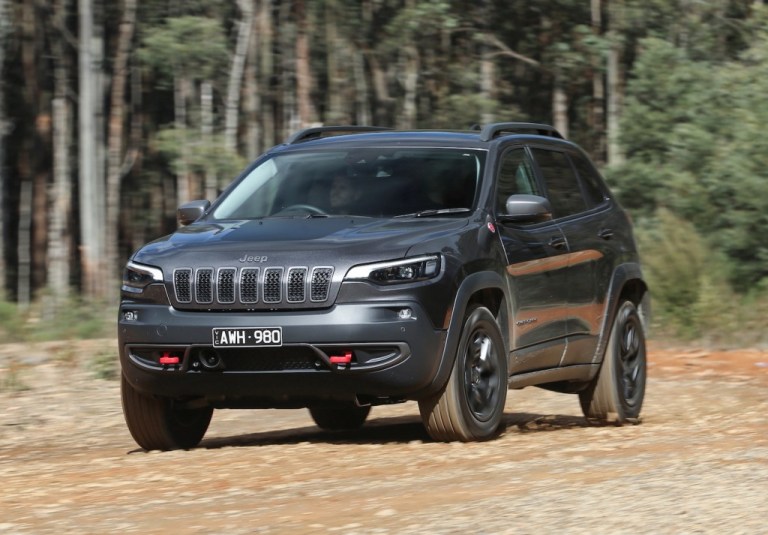
If you’re thinking about buying a 2019 Jeep Cherokee, or simply curious about its specifications, one of the most important details to know is its weight. Vehicle weight affects many things, including fuel efficiency, handling, towing capacity, and even how much you pay in taxes or tolls in some areas.
In this article, you’ll learn exactly how much a 2019 Jeep Cherokee weighs, why that matters, and how it compares to other SUVs in its class.
2019 Jeep Cherokee Weight Overview
The 2019 Jeep Cherokee comes in several trims and with different engines, so its weight varies. This SUV is known for its rugged design and off-road abilities, which can affect its total mass. The main factors that impact weight are:
- Engine type (2.4L, 3.2L V6, or 2.0L turbo)
- Drivetrain (front-wheel drive vs. all-wheel drive)
- Trim level (Latitude, Limited, Trailhawk, etc.)
- Added features or packages
The curb weight is the standard measurement used, which means the weight of the car with all fluids, but without passengers or cargo.
Curb Weight By Trim And Engine
Here is a breakdown of the typical curb weight for the main 2019 Jeep Cherokee trims and engines:
| Trim | Engine | Drive | Curb Weight (lbs) |
|---|---|---|---|
| Latitude FWD | 2.4L I4 | FWD | 3,590 |
| Latitude Plus 4×4 | 3.2L V6 | 4×4 | 3,956 |
| Limited FWD | 2.0L Turbo | FWD | 3,779 |
| Trailhawk 4×4 | 3.2L V6 | 4×4 | 4,250 |
Most 2019 Jeep Cherokee models weigh between 3,590 and 4,250 pounds depending on features. The Trailhawk 4×4 is the heaviest, thanks to its off-road upgrades.
Why Weight Matters
Understanding your Cherokee’s weight is more than just trivia. Here’s why it’s important:
- Towing Capacity: Heavier models often have stronger frames and engines, allowing them to tow more. For example, Trailhawk models can tow up to 4,500 lbs when properly equipped.
- Fuel Economy: Lighter Cherokees may use less fuel, especially in city driving. Heavier trims and 4×4 versions usually consume more.
- Performance: Weight affects acceleration and handling. A heavier SUV may feel more stable but slower to speed up.
- Legal Limits: Some roads and bridges have weight limits. Knowing your vehicle’s weight prevents fines or damage.
Many owners forget that adding accessories (roof racks, cargo boxes) or carrying heavy loads increases total weight, which can change handling and braking.
Gross Vehicle Weight Rating (gvwr)
Another important number is the Gross Vehicle Weight Rating (GVWR). This is the maximum safe weight of the vehicle, including passengers and cargo.
For the 2019 Jeep Cherokee, the GVWR ranges from 5,050 to 5,500 lbs depending on the model. You should never exceed this limit, as it’s a key safety factor.

Payload And Towing Capacity
Payload means how much weight you can add (passengers + cargo) before reaching the GVWR. For most 2019 Cherokees, payload capacity is around 1,000 to 1,300 lbs.
Towing capacity depends on engine and equipment. The 3.2L V6 with the tow package can tow up to 4,500 lbs—much more than the base engine, which tows up to 2,000 lbs.
Here’s how some key numbers compare:
| Engine | Max Towing (lbs) | Max Payload (lbs) |
|---|---|---|
| 2.4L I4 | 2,000 | 1,000 |
| 2.0L Turbo | 4,000 | 1,100 |
| 3.2L V6 | 4,500 | 1,300 |
2019 Jeep Cherokee Vs. Other Compact Suvs
How does the Jeep Cherokee’s weight compare to similar SUVs? Here are some popular competitors:
| Model | Curb Weight (lbs) |
|---|---|
| 2019 Jeep Cherokee | 3,590 – 4,250 |
| 2019 Honda CR-V | 3,337 – 3,649 |
| 2019 Toyota RAV4 | 3,370 – 3,590 |
| 2019 Ford Escape | 3,296 – 3,730 |
The Cherokee is usually heavier than its competitors, especially in higher trims. This extra weight comes from its off-road hardware, V6 engine option, and strong build.
However, it can also mean higher fuel costs and a different driving feel.

Non-obvious Insights
Many buyers don’t realize that dealer-installed options (like tow hitches or larger wheels) add to the curb weight. Always check the specific weight on your vehicle’s driver-side door label—it’s more accurate than the brochure.
Another detail: when loading up for a trip, distribute weight evenly in the cargo area. Too much weight at the back can affect steering and braking, which is especially important for SUVs like the Cherokee.
Frequently Asked Questions
How Can I Find The Exact Weight Of My 2019 Jeep Cherokee?
Look for the sticker inside the driver’s door. It lists the curb weight, GVWR, and other safety data unique to your vehicle.
Does The 2019 Jeep Cherokee’s Weight Affect Insurance Rates?
In some cases, yes. Heavier vehicles can cost more to repair, which might raise premiums.
However, many factors influence insurance, so check with your provider.
How Much Cargo Can I Safely Carry In A 2019 Jeep Cherokee?
Most models have a payload capacity between 1,000 and 1,300 lbs. This includes passengers and luggage. Never exceed the GVWR for safety.
Is A Heavier Suv Better For Off-roading?
Not always. While extra weight can help with traction, it can also make the vehicle harder to recover if stuck.
The Cherokee’s off-road features matter more than just weight.
Where Can I Get Official Jeep Cherokee Specifications?
For the most accurate details, visit the Jeep Official Website.
The 2019 Jeep Cherokee is a solid, capable SUV with a weight that reflects its rugged abilities and comfort features. Whether you’re towing, road tripping, or simply commuting, understanding its weight helps you get the best from your vehicle and keep your drive safe.