How Much Does A 2016 Jeep Compass Weigh
If you're considering a 2016 Jeep Compass, knowing its weight is important. Whether you're looking to tow, carry loads, or just want to understand how it compares to other SUVs, the weight gives you many answers.
For those new to car specs, vehicle weight affects fuel efficiency, safety, and even how the Jeep handles on different roads. Let's dive into the numbers, what they mean for you, and how the 2016 Compass stands out among similar SUVs.
Curb Weight Of The 2016 Jeep Compass
The most common weight figure you’ll see is the curb weight. This is the weight of the vehicle with all fluids filled (oil, coolant, fuel) but without passengers or cargo.
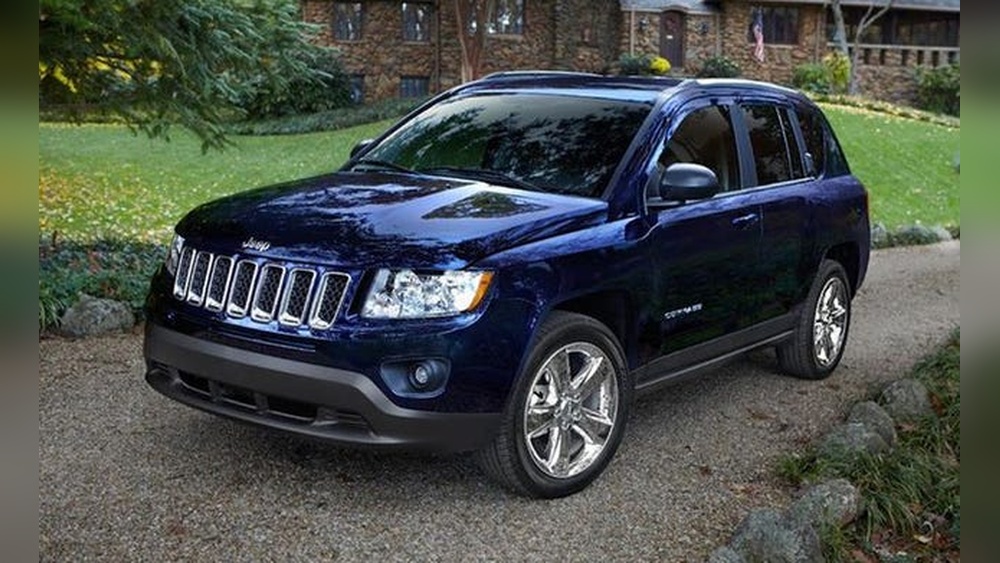
For the 2016 Jeep Compass, curb weight varies based on trim and drivetrain:
- Sport (2WD): About 3,054 lbs
- Sport (4WD): About 3,136 lbs
- Latitude (2WD): About 3,124 lbs
- Latitude (4WD): About 3,184 lbs
- High Altitude (2WD): About 3,124 lbs
- High Altitude (4WD): About 3,184 lbs
These numbers come from Jeep’s official specifications. The difference between trims is mostly due to the 4WD system adding extra hardware. Heavier models typically have more features.
Gross Vehicle Weight Rating (gvwr)
While curb weight tells you the basic mass, GVWR is the maximum safe weight including passengers, cargo, and fuel. Exceeding GVWR can harm performance and safety.
The 2016 Compass has a GVWR of about 4,400 lbs across trims. This means if you load the Compass with people and luggage, the total shouldn’t pass this number.
Here’s a quick comparison:
| Trim | Curb Weight (lbs) | GVWR (lbs) | Payload Capacity (lbs) |
|---|---|---|---|
| Sport (2WD) | 3,054 | 4,400 | 1,346 |
| Sport (4WD) | 3,136 | 4,400 | 1,264 |
| Latitude (2WD/4WD) | 3,124/3,184 | 4,400 | 1,276/1,216 |
Payload capacity is found by subtracting curb weight from GVWR.
Why Vehicle Weight Matters
You might ask, “Why should I care about the weight?” Here are a few reasons:
- Towing and Payload: Heavier cars often carry more, but too much weight can stress brakes and suspension.
- Fuel Economy: Lighter vehicles usually get better gas mileage.
- Handling: Weight affects stability on highways and curves.
- Legal Limits: Some states have rules about vehicle weight for road use.
If you’re using the Compass for family trips or light off-roading, knowing the weight keeps you safe and within limits.
2016 Jeep Compass Weight Compared To Other Suvs
How does the Compass compare with similar SUVs? Here’s a look:
| Model | Year | Curb Weight (lbs) |
|---|---|---|
| Jeep Compass | 2016 | 3,054–3,184 |
| Honda CR-V | 2016 | 3,358–3,529 |
| Ford Escape | 2016 | 3,515–3,715 |
| Toyota RAV4 | 2016 | 3,455–3,610 |
You’ll notice the Compass is a bit lighter than many rivals. This can mean better fuel economy but a little less towing and payload.

Towing Capacity And Weight Considerations
The 2016 Jeep Compass is not a heavy-duty tower, but it can handle light trailers. The maximum towing capacity is about 2,000 lbs when properly equipped.
Important tips:
- Never exceed the GVWR or towing rating.
- Use the correct trailer hitch and brakes.
- Check the owner’s manual for exact limits by trim.
Real-world Weight Factors
Two Compass vehicles may weigh slightly different even if they’re the same trim. Why? Options like a sunroof, larger wheels, or extra sound systems all add weight. Even small items, like floor mats, have an effect.
Winter packages (heated seats, extra insulation) can increase weight by 50–100 lbs. Always check your specific vehicle’s door sticker for the most accurate info.
Common Mistakes When Considering Vehicle Weight
Many buyers overlook these key points:
- Ignoring payload: People often count only passengers, not luggage or roof racks.
- Assuming all trims are the same: 2WD is lighter than 4WD.
- Not checking actual vehicle: After-market changes like tow hitches or roof boxes change the total weight.
If you plan to add accessories, factor them into your total.
Easy Ways To Check Your Vehicle’s Weight
You can find the official weight:
- On the driver’s door jamb sticker
- In the owner’s manual
- On the manufacturer’s website
For the most accurate number, weigh your Jeep at a local truck scale, especially after adding accessories.
Fuel Efficiency And Weight
Generally, the lighter the SUV, the better the fuel economy. The 2016 Compass gets about 20–26 mpg combined, depending on engine and drive type. Adding extra weight, like carrying heavy equipment, will lower your real-world mileage.
Summary
The 2016 Jeep Compass weighs between 3,054 lbs and 3,184 lbs depending on trim and features. Its GVWR is around 4,400 lbs, giving it a payload of 1,200–1,300 lbs. The Compass is lighter than many competitors, which helps on fuel and handling but limits its towing. Always check your specific model and consider added options when calculating total weight. For more details, check the official Jeep specifications page.
Frequently Asked Questions
What Is The Curb Weight Of A 2016 Jeep Compass?
The curb weight ranges from 3,054 lbs to 3,184 lbs. The exact weight depends on the trim and whether the vehicle is 2WD or 4WD.
How Much Can A 2016 Jeep Compass Safely Carry?
The payload capacity is about 1,200–1,300 lbs. This includes passengers and cargo but not the trailer.
Does Adding Accessories Change The Weight?
Yes, adding items like a tow hitch, roof rack, or heavy sound system can increase your Jeep’s total weight. Always check the new total if you modify your SUV.
How Does The Jeep Compass Compare To Other Suvs In Weight?
The 2016 Compass is lighter than most rivals like the Honda CR-V or Ford Escape. This can mean easier handling and better gas mileage but slightly less towing ability.
Where Can I Find My Jeep Compass’ Exact Weight?
Look for a label on the driver’s door jamb, check the owner’s manual, or use a local vehicle scale for the most accurate measurement.