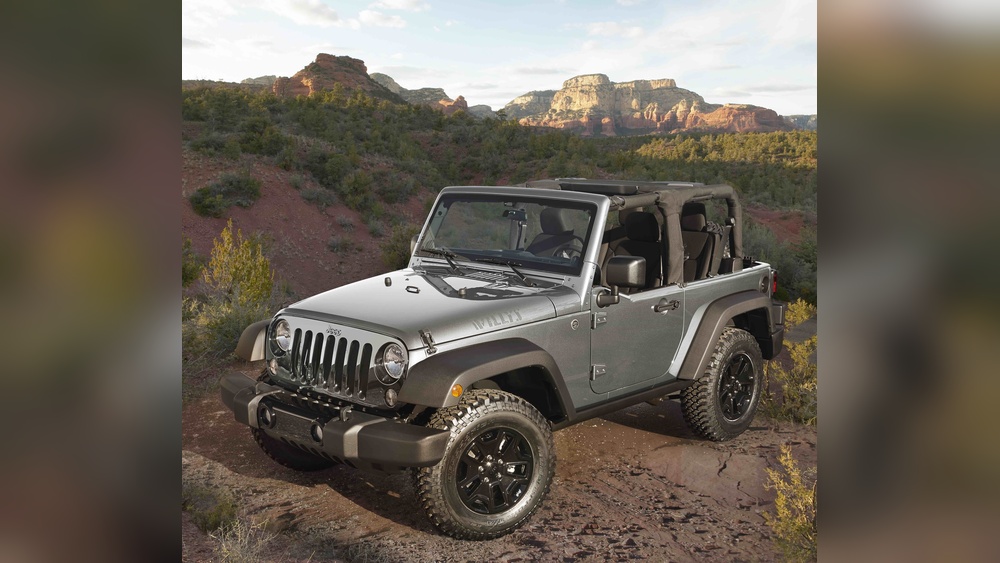
The 2013 Jeep Wrangler stands out as a popular off-road SUV. Many people want to know its weight, especially when planning to tow, modify, or transport it. Weight affects performance, fuel efficiency, and safety. If you’re thinking about buying a used Wrangler or simply curious about its specs, understanding its weight is essential.
Understanding The Weight Of A 2013 Jeep Wrangler
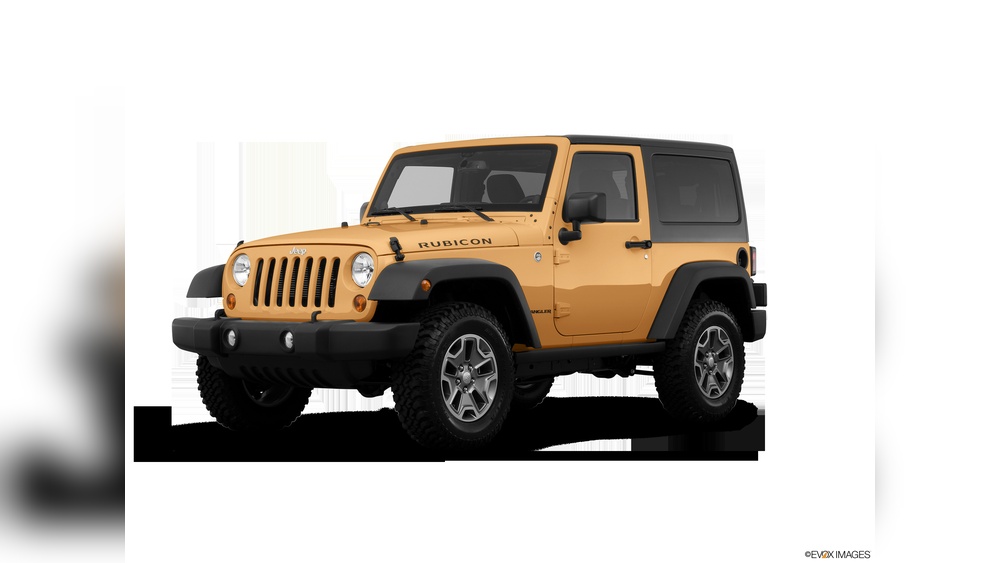
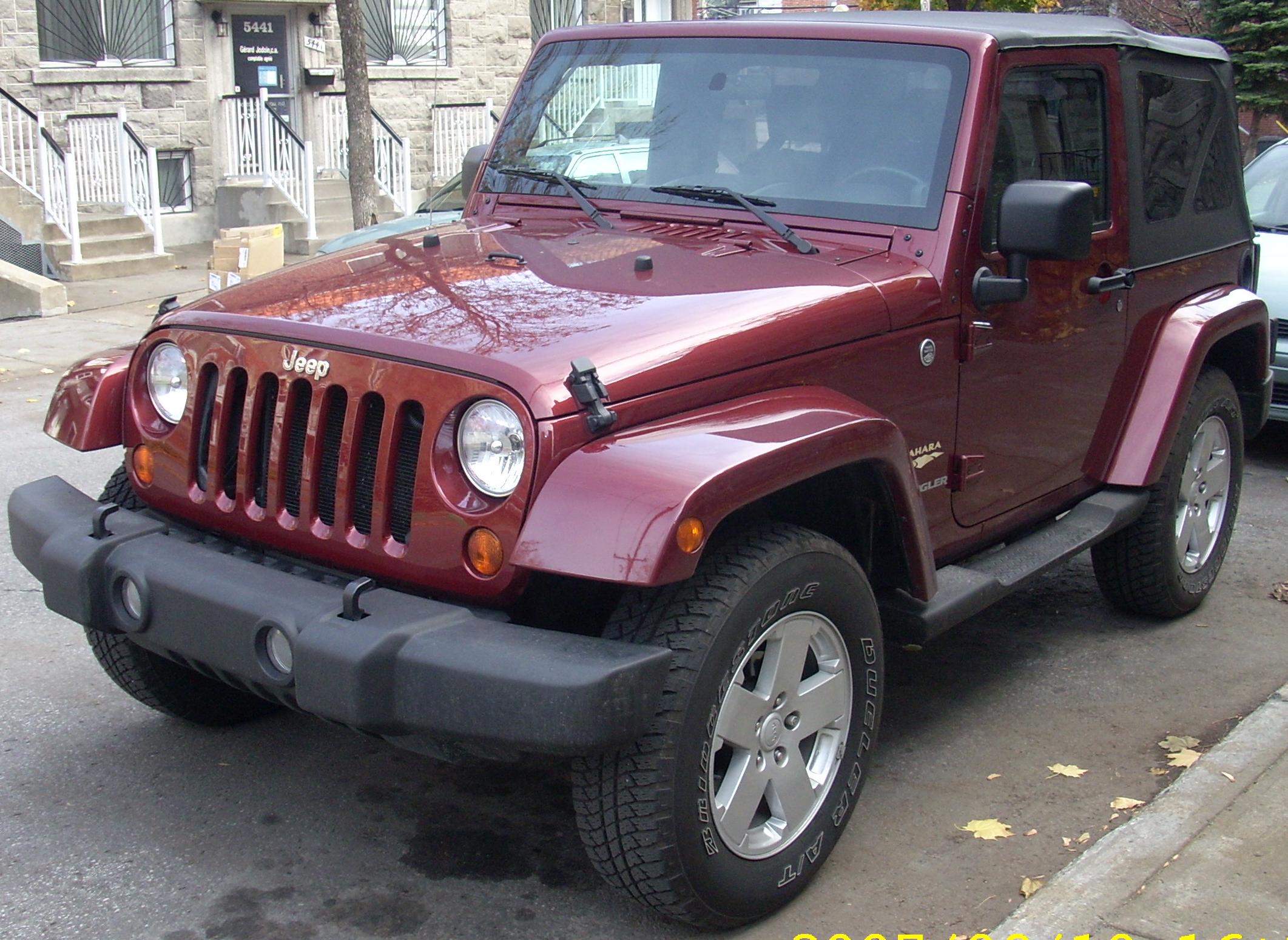
The weight of a vehicle is not always simple. With the Jeep Wrangler, different models and options change the numbers. The main versions in 2013 were the Wrangler Sport, Wrangler Sahara, and Wrangler Rubicon. You could also choose between a two-door or four-door (Unlimited) body.
Here are the official curb weights from Jeep for the main models:
| Model | Doors | Curb Weight (lbs) |
|---|---|---|
| Sport | 2 | 3,785 |
| Sahara | 2 | 3,870 |
| Rubicon | 2 | 3,870 |
| Sport Unlimited | 4 | 4,100 |
| Sahara Unlimited | 4 | 4,129 |
| Rubicon Unlimited | 4 | 4,132 |
These weights are for standard versions. Adding accessories or choosing different tops (hardtop or soft top) can slightly change the numbers.
What Factors Affect The Weight?
Several things can make a 2013 Jeep Wrangler heavier or lighter:
- Body Style: The Unlimited (four-door) models weigh about 300–350 pounds more than two-door versions.
- Tops and Doors: Hardtops add weight compared to soft tops. Steel doors are heavier than half doors.
- Trim Level: The Rubicon has more equipment for off-roading, which adds weight.
- Added Features: Extras like bigger tires, winches, or bumpers can increase weight.
- Fuel and Fluids: Curb weight includes fuel, oil, and other fluids.
For example, a Wrangler with a hardtop and steel doors may weigh 100–120 pounds more than a soft top model. Simple changes can have a surprising impact.
Curb Weight Vs. Other Weight Types
To avoid confusion, let’s clarify some terms:
- Curb Weight: The weight of the vehicle with standard equipment and fluids, but without passengers or cargo.
- Gross Vehicle Weight Rating (GVWR): The maximum total weight the vehicle can safely carry, including passengers and cargo.
- Payload: The amount of cargo and passengers the vehicle can handle safely.
Here’s a quick comparison for the 2013 Wrangler:
| Model | Curb Weight (lbs) | GVWR (lbs) | Payload (lbs) |
|---|---|---|---|
| 2-Door | 3,785 | 4,880 | 1,095 |
| 4-Door (Unlimited) | 4,132 | 5,400 | 1,268 |
Knowing the payload and GVWR is useful if you plan to carry lots of gear or go camping.
Real-world Weight Examples
Many Jeep owners customize their Wranglers. Adding off-road parts, bigger wheels, and roof racks changes the weight. For example:
- A 2013 Wrangler Unlimited Rubicon with steel bumpers, winch, roof rack, and extra gear can weigh up to 4,500 lbs.
- A basic Sport model with no modifications often stays close to the factory curb weight.
Some beginners forget to consider the weight of accessories. If you add heavy parts, it can affect handling and even towing capacity.

Why Does Weight Matter?
Understanding the weight of your Jeep is important for several reasons:
- Towing: If you want to tow your Wrangler, you need to know its weight to choose the right trailer.
- Fuel Efficiency: Heavier Jeeps use more fuel. If you add many accessories, expect lower mileage.
- Performance: A lighter Jeep is usually better for quick acceleration and easier handling.
- Safety: Exceeding the GVWR can be dangerous, especially on rough roads.
Many people overlook weight when modifying their Jeep. Too much added weight can reduce off-road performance and make the vehicle less safe.
Comparing Wrangler Weight To Other Suvs
If you want to see how the 2013 Jeep Wrangler stacks up against similar vehicles, here’s a direct comparison:
| Vehicle | Curb Weight (lbs) |
|---|---|
| 2013 Jeep Wrangler (2-door) | 3,785 |
| 2013 Toyota FJ Cruiser | 4,079 |
| 2013 Ford Escape | 3,515 |
| 2013 Nissan Xterra | 4,134 |
The Wrangler is lighter than some competitors, but heavier than others. Its weight is one reason it performs well off-road.
Two Non-obvious Insights
Most beginners don’t realize that:
- Changing tires and wheels can quickly add 40–60 pounds per wheel. This impacts both handling and fuel economy.
- Carrying heavy items on the roof (like tents or racks) raises the center of gravity, making the Jeep less stable. This can increase rollover risk, especially on trails.
Always check the total weight after modifications to stay safe and get the best performance.
Frequently Asked Questions