For many car lovers, the 1997 Jeep Wrangler stands out as a classic. This model, the first of the TJ generation, blends old-school Jeep looks with new features.
But one of the most common questions from buyers, owners, and off-road fans is: How much does a 1997 Jeep Wrangler weigh? Knowing the weight is useful for towing, fuel economy, modifications, and even off-road handling.
Let’s explore the real numbers, compare different trims, and see how weight affects your Wrangler experience.
The Curb Weight Of A 1997 Jeep Wrangler
The term curb weight means the total weight of the vehicle with all standard equipment, a full tank of fuel, and all fluids, but without passengers or cargo. For the 1997 Jeep Wrangler, the curb weight ranges from about 3,050 to 3,241 pounds. The exact number depends on the engine, transmission, and whether you have a hard or soft top.
For example:
- Base SE 2.5L 4-cylinder, manual: About 3,050 lbs
- Sport/Sahara 4.0L 6-cylinder, manual: About 3,175 lbs
- Hardtop models: Add roughly 100-150 lbs
This weight puts the Wrangler in the light SUV class, making it more agile off-road but less stable than heavier full-size SUVs on the highway.
Why Weight Matters For Your Jeep Wrangler
The weight of your Jeep Wrangler affects:
- Fuel Economy: Heavier vehicles use more fuel.
- Performance: More weight means slower acceleration.
- Towing and Payload: Know your limits to tow safely.
- Off-Road Handling: Lighter Jeeps are easier to maneuver on trails.
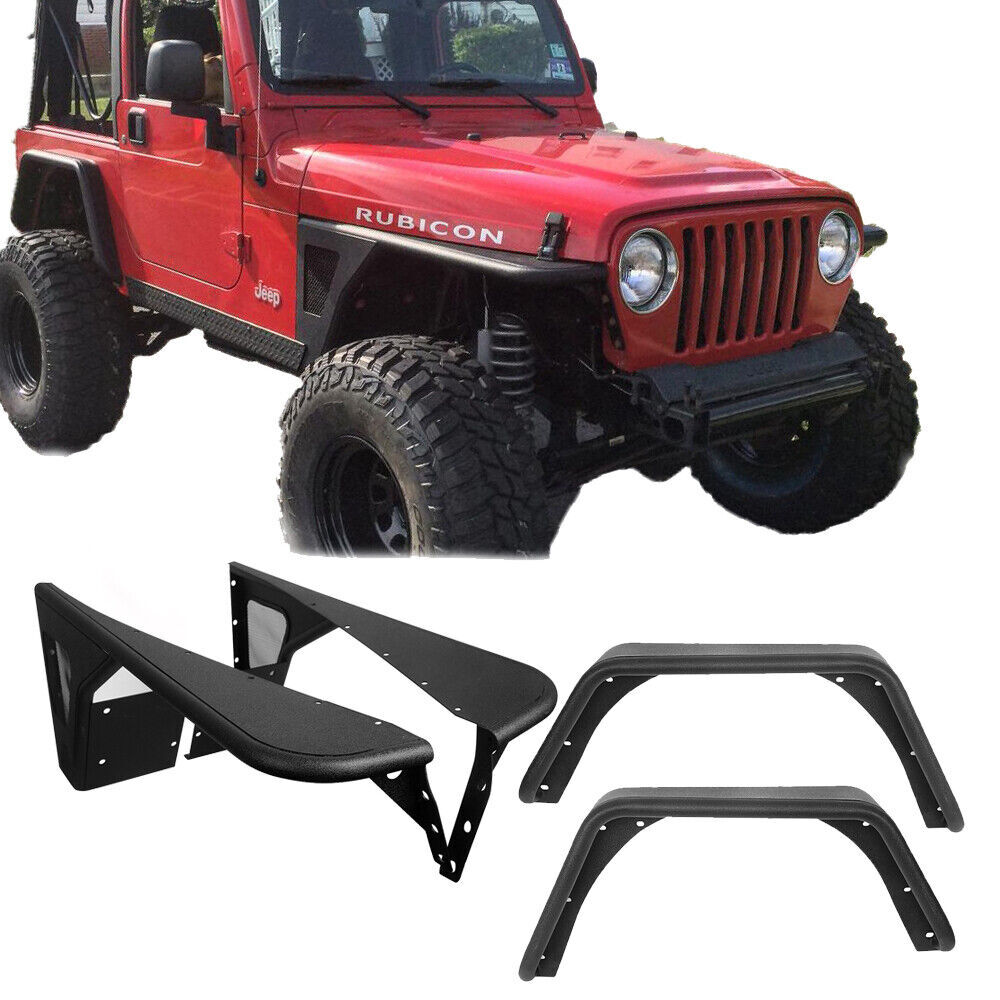
Drivers sometimes add heavy accessories like steel bumpers, winches, and oversized tires, which can raise the total weight by several hundred pounds. This impacts both safety and legal road limits.
1997 Jeep Wrangler Trims And Their Weights
There were three main trims for the 1997 Jeep Wrangler. Each has a slightly different curb weight.
| Trim | Engine | Transmission | Approx. Curb Weight (lbs) |
|---|---|---|---|
| SE | 2.5L I4 | Manual | 3,050 |
| Sport | 4.0L I6 | Manual | 3,175 |
| Sahara | 4.0L I6 | Manual | 3,241 |
Automatic transmissions add about 50 lbs. Hard tops and full steel doors can add 100–150 lbs compared to soft top and half doors.
Soft Top Vs. Hard Top: Weight Differences
One detail many new owners miss is the weight difference between the Wrangler’s tops.
- Soft top: Lighter, easier to remove. Adds less weight—about 50-70 lbs.
- Hard top: Heavier, more secure. Adds about 120-150 lbs.
Switching from a soft top to a hard top means your Wrangler will handle a bit differently. Acceleration may feel slower, and fuel economy can drop slightly.
Payload And Gross Vehicle Weight Rating (gvwr)
Payload is how much weight you can safely add (people + cargo). The GVWR for a 1997 Wrangler is about 4,150 lbs.
To calculate payload:
- Subtract the curb weight from the GVWR.
- Example: 4,150 lbs (GVWR) – 3,175 lbs (curb) = 975 lbs payload.
This means you can safely carry about 900 to 1,100 lbs of people and cargo, depending on your trim and setup. Exceeding this number can damage your Jeep and is unsafe.
How The 1997 Wrangler Compares To Other Vehicles
Let’s compare the Wrangler’s weight to a few other popular vehicles from the late 1990s.
| Vehicle | Model Year | Curb Weight (lbs) |
|---|---|---|
| Jeep Wrangler TJ | 1997 | 3,050–3,241 |
| Ford Explorer | 1997 | 3,800–4,200 |
| Toyota 4Runner | 1997 | 3,800–4,200 |
| Chevy Blazer | 1997 | 3,800–4,200 |
As you can see, the 1997 Wrangler is about 500–1,000 lbs lighter than many other midsize SUVs of its time. This is a big reason for its nimble, fun driving style.

Two-door Only: No Four-door In 1997
Many people look for four-door Wranglers today, but in 1997, only the two-door model was available. This smaller body means less weight, which helps with off-road agility. If you see a 1997 Wrangler with four doors, it’s either a custom build or mislabeled.
Little-known Weight Factors
Here are two things most beginners miss:
- Aftermarket Add-ons: Adding a winch, roof rack, or even bigger tires can raise your Wrangler’s weight by 200–500 lbs fast. This affects not only handling but also your legal payload.
- Fuel and Fluids: The curb weight listed assumes full fluids, but if you’re towing or crossing a border, know that every gallon of gas is about 6 lbs. Full tanks and gear can push you closer to the GVWR than you think.
Should You Worry About The Weight?
Most owners never have a problem with the Wrangler’s weight, unless you’re towing or planning heavy modifications. Always check your owner’s manual, especially before adding accessories or carrying lots of passengers.
Staying within limits keeps your Jeep safe and legal.
For more technical details, the official Jeep Owner’s Manual or resources like the Jeep Wrangler TJ Wikipedia page are helpful.
Frequently Asked Questions
What Is The Curb Weight Of A 1997 Jeep Wrangler?
The curb weight is 3,050 to 3,241 lbs, depending on the trim, engine, and top choice.
How Much Does The Hard Top Add To A 1997 Wrangler’s Weight?
A hard top adds about 120–150 lbs over a soft top.
What Is The Payload Capacity Of A 1997 Jeep Wrangler?
The payload is about 900–1,100 lbs, depending on your trim and added gear.
Can A 1997 Jeep Wrangler Tow A Trailer?
Yes, but the max towing capacity is 2,000 lbs. Always check your specific model and stay under the limit for safety.
Does Adding Bigger Tires Change The Weight Much?
Yes, larger tires and wheels can add 50–100 lbs or more, affecting performance and fuel economy. Be sure to include this in your total weight calculations.
The 1997 Jeep Wrangler remains a legend for its simple design, lightweight build, and off-road fun. Knowing its weight helps you make smart decisions about use, upgrades, and safety, keeping your Wrangler ready for the next adventure.



















