The 1991 Jeep Cherokee is a well-known compact SUV that captured the hearts of many drivers in the 1990s. Its rugged build, off-road capabilities, and reliability made it a favorite for both city and country roads.
One question that often comes up among car enthusiasts and buyers is: How much does a 1991 Jeep Cherokee weigh? Understanding the weight is important, not just for curiosity, but also for safety, towing, and performance reasons.
Knowing the vehicle’s weight also helps with tasks like choosing the right trailer, calculating fuel needs for long trips, or even planning upgrades. Let’s dive into the details and see what sets this classic vehicle apart.

Key Weight Figures For The 1991 Jeep Cherokee
The 1991 Jeep Cherokee was available in several trims and with different engines. The curb weight—which is the weight of the vehicle with all standard equipment, fluids, and a full tank of fuel, but without passengers or cargo—varied slightly depending on these options. Here are the main curb weight numbers for the two most common models:
- 2-door Jeep Cherokee: About 3,020 pounds (1,370 kg)
- 4-door Jeep Cherokee: About 3,190 pounds (1,447 kg)
For models with the 4.0L inline-six engine, the weight could reach up to 3,400 pounds (1,542 kg), especially if equipped with four-wheel drive and extra features. Most people notice that the difference between the lightest and heaviest versions is significant—sometimes almost 400 pounds—which can change how the Cherokee feels to drive. For example, a 2-door, 2WD model with minimal features is much nimbler than a fully loaded 4-door Limited with 4WD.
It’s also worth noting that early 1990s SUVs, including the Cherokee, often have more solid frames and body parts than today’s lighter, more fuel-efficient models. This extra weight contributes to the Cherokee’s sturdy, “tough” feeling on the road a quality many fans still appreciate.
Factors That Affect Weight
Several factors influence the weight of a 1991 Jeep Cherokee. These include:
- Body Style: The 2-door is lighter than the 4-door model. The shorter body means less metal and sometimes fewer features.
- Drivetrain: Four-wheel drive (4WD) models weigh more than two-wheel drive (2WD). The transfer case, front differential, and extra driveshafts all add pounds.
- Engine Type: The 4.0L engine adds more weight than the 2.5L engine. This is because the 4.0L inline-six is physically larger and built for more power.
- Trim Level: Laredo and Limited trims often have extra features, which can add weight. These may include power windows, upgraded seats, extra sound insulation, and larger wheels.
Here is a quick comparison of typical curb weights for the main 1991 Jeep Cherokee versions:
| Version | Engine | Drivetrain | Approx. Curb Weight (lbs) |
|---|---|---|---|
| 2-Door Base | 2.5L I4 | 2WD | 3,020 |
| 2-Door Base | 4.0L I6 | 4WD | 3,240 |
| 4-Door Base | 2.5L I4 | 2WD | 3,190 |
| 4-Door Limited | 4.0L I6 | 4WD | 3,400 |
So, when looking at used Cherokees, remember that even small changes like swapping a manual transmission for an automatic can tip the scales by 50 70 pounds. If you want the lightest possible version for a specific use, pay attention to these details.
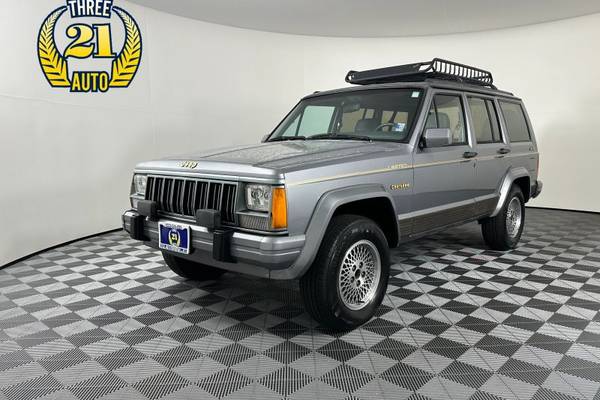
Why Does Weight Matter?
The weight of a vehicle affects many important areas:
- Fuel Efficiency: Heavier vehicles usually use more fuel. This is especially true for city driving, where stop-and-go traffic makes weight a bigger factor.
- Performance: A lighter Cherokee feels quicker and is easier to handle. If you enjoy a sporty driving style, less weight can make the SUV more fun.
- Towing Capacity: The weight helps determine how much you can safely tow. If you’re planning to pull a trailer, knowing both the Cherokee’s curb weight and GVWR is critical.
- Safety: Heavier cars often perform better in collisions, but can be harder to stop quickly. Stopping distance increases with more weight, especially if brakes are worn or tires are old.
If you plan to use your 1991 Cherokee for off-roading, a lighter model will usually handle rough terrain better. But if you want more comfort or towing power, a heavier, well-equipped version might suit you.
Off-roaders often remove seats or interior panels to reduce weight for trail adventures, while families may prefer the extra features in heavier trims.
Many new owners do not realize how much roof racks, heavy bumpers, or large spare tires can affect handling and gas mileage. Even a full load of camping gear or tools can quickly add 200 300 pounds, changing the way the Cherokee responds on the road.
Differences Compared To Other Suvs
The 1991 Jeep Cherokee was lighter than many full-size SUVs of its time but heavier than some small cars. For comparison:
| Vehicle | Model Year | Curb Weight (lbs) |
|---|---|---|
| Jeep Cherokee | 1991 | 3,020–3,400 |
| Ford Explorer | 1991 | 3,700–4,000 |
| Toyota 4Runner | 1991 | 3,600–4,100 |
| Honda Civic | 1991 | 2,200–2,400 |
This made the Cherokee a good balance between size, strength, and efficiency. For example, the lighter weight made parking and city driving easier than with a Ford Explorer or Toyota 4Runner.
At the same time, the Cherokee was sturdy enough for towing small trailers or carrying heavy loads.
Owners who switched from a compact car like the Honda Civic often noticed the Cherokee felt much more solid and secure, but without the bulk of a full-size SUV.
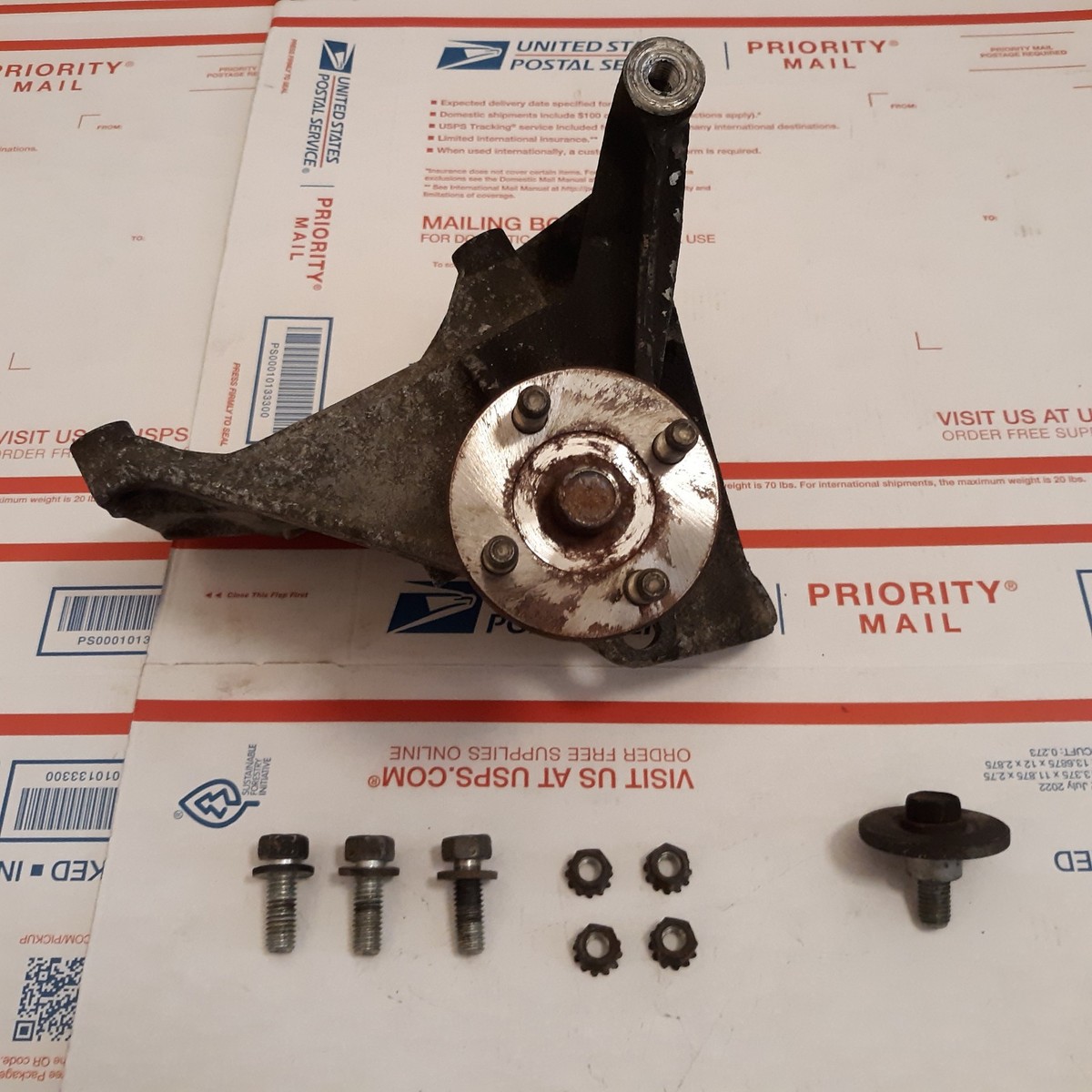
Real-world Insights
One thing new owners often overlook is that added accessories—like roof racks, winches, or larger tires—can increase the actual weight. This affects both performance and fuel usage. If you add heavy-duty bumpers or a steel skid plate, you might add 100 pounds or more to the front of the vehicle, which can change steering feel and even tire wear.
It’s also important to know that the gross vehicle weight rating (GVWR) is higher than the curb weight. For the 1991 Cherokee, GVWR is around 4,500 pounds, which includes the vehicle, passengers, cargo, and any extra gear. Exceeding the GVWR can damage the suspension, brakes, and tires, and may even be illegal in some places.
Another detail is that older vehicles like the 1991 Cherokee might weigh slightly more today than when new, especially if rust protection, undercoating, or repairs have been added. Even things like aftermarket sound systems or extra batteries will add weight.
On the other hand, if interior parts have been removed for off-roading, the actual weight might be less than the factory number.
Tips For Owners And Buyers
If you are thinking of buying a 1991 Jeep Cherokee or already own one, keep these tips in mind:
- Check the door sticker: The exact curb weight is usually listed on the driver’s side door. This ensures you know the true specs for your specific vehicle, not just an average.
- Consider modifications: Extra equipment or aftermarket parts add to the total weight. Make a list of installed items and estimate their added weight.
- Weigh your vehicle: If you need the most accurate number, local truck stops often have scales. This is especially useful if you plan to tow or travel with a heavy load.
- Know your limits: Never overload the Cherokee beyond its GVWR. Even short trips can cause wear and safety risks if you exceed this rating.
If you’re restoring or modifying a Cherokee for off-road use, try to keep weight balanced—don’t put all extra weight at the front or rear. This helps keep the ride stable and predictable. For more original specs, you can visit the official Jeep Cherokee History page.
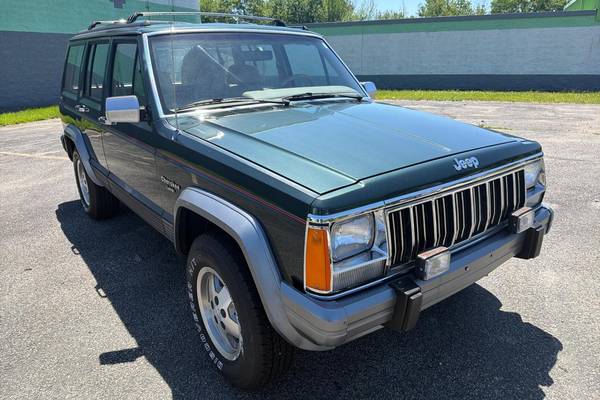
Frequently Asked Questions
What Is The Curb Weight Of The 1991 Jeep Cherokee?
The curb weight ranges from about 3,020 to 3,400 pounds, depending on the model, engine, and features. Heavier trims with 4WD and more options are closer to the top end of this range.
How Much Weight Can A 1991 Jeep Cherokee Carry?
The payload capacity is about 1,100 pounds, including passengers and cargo. Always check your specific model’s sticker for exact limits, as added accessories or wear can lower safe carrying capacity.
Does Adding 4wd Make The Cherokee Heavier?
Yes, 4WD models are typically 150–200 pounds heavier than 2WD due to extra drivetrain parts. This makes a difference in both fuel usage and how the vehicle handles.
How Does The Weight Affect Off-road Performance?
A lighter Cherokee usually handles better off-road. However, added weight from gear or upgrades can make it harder to drive on rough terrain. Try to keep extra weight low and centered for best results.
Where Can I Find My Cherokee’s Exact Weight?
Look for the vehicle information sticker inside the driver’s door. It lists curb weight and GVWR specific to your vehicle. If the sticker is missing, check the owner’s manual or search for your VIN online.
The 1991 Jeep Cherokee remains a classic for its blend of strength and practicality. Knowing its weight helps owners make smart choices about driving, towing, and upgrades.
Whether you’re restoring an old model or exploring the trails, understanding these details will keep your Cherokee running safely and smoothly for years to come.



















