How Many Tons Is A Jeep Grand Cherokee
If you are planning to buy, tow, or transport a Jeep Grand Cherokee, it’s important to know its weight in tons. Many people search for this information because it helps with parking, towing, and even understanding fuel economy.
But the answer is not always simple, since the Grand Cherokee comes in different models and years, each with its own weight. Let’s break down the details so you can get a clear answer, whether you own a Grand Cherokee or are just curious.
What Does “tons” Mean For Vehicles?
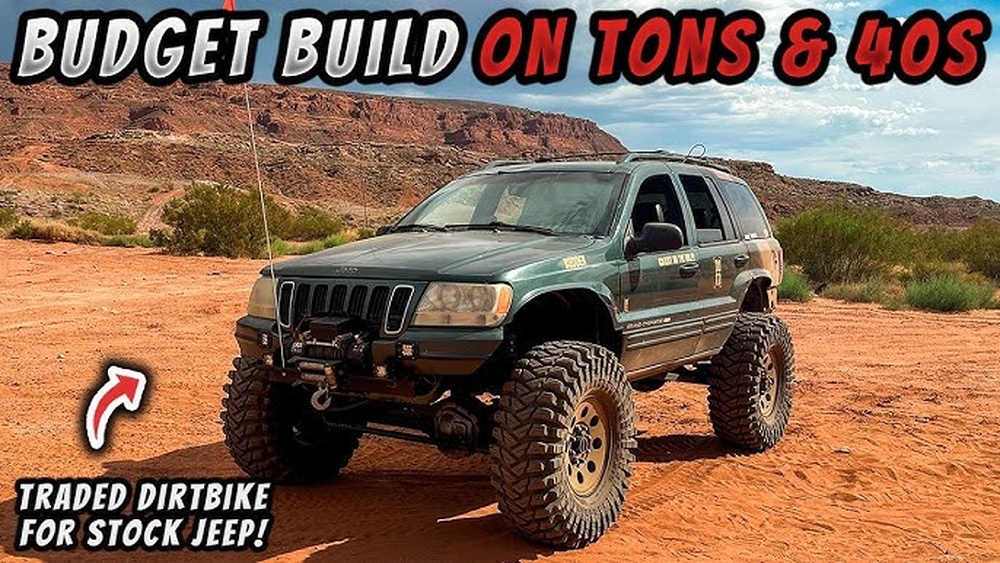
When people ask, “How many tons is a Jeep Grand Cherokee?” they usually want to know how heavy the SUV is. In the U.S., one ton equals 2,000 pounds. So, a car that weighs 4,000 pounds is 2 tons. Automakers usually show vehicle weight in pounds, but using tons gives a quick idea of size and strength.
There are a few weight terms to know:
- Curb weight: The weight of the SUV with all fluids and a full tank of gas, but no people or cargo.
- Gross vehicle weight rating (GVWR): The maximum safe weight, including passengers, cargo, and fluids.
For most purposes, curb weight is what people mean when they ask how many tons a Grand Cherokee is.
Jeep Grand Cherokee Weight: Model Year Breakdown
The Jeep Grand Cherokee has changed a lot over the years. Different engines, trims, and features make each model year a bit different in weight. Here’s a look at some popular years and trims.
| Model Year | Curb Weight (lbs) | Curb Weight (tons) |
|---|---|---|
| 2015 Laredo 4×2 | 4,513 | 2.26 |
| 2018 Limited 4×4 | 4,769 | 2.38 |
| 2020 Trailhawk 4×4 | 5,004 | 2.50 |
| 2022 Summit Reserve 4×4 | 5,086 | 2.54 |
| 2023 Laredo 4×2 | 4,238 | 2.12 |
As you can see, most Jeep Grand Cherokee models weigh between 2.1 and 2.5 tons (about 4,200 to 5,100 pounds). The newest models with more features and bigger engines tend to be heavier.
Factors That Affect Jeep Grand Cherokee Weight
The weight of a Grand Cherokee depends on more than just the model year. Here’s what can make a difference:
- Engine Type: Larger engines like the V8 or hybrid systems add more weight.
- Drivetrain: Four-wheel drive (4×4) models are heavier than two-wheel drive (4×2).
- Trim Level: Luxury trims have more features, which means more weight.
- Optional Equipment: Towing packages, sunroofs, and extra safety features can increase the total weight.
For example, a basic Laredo 4×2 will be lighter than a fully loaded Summit Reserve 4×4.
Why Jeep Grand Cherokee Weight Matters
Understanding the weight in tons is not just trivia. It has real-life uses:
- Towing: Knowing your SUV’s weight helps you pick the right trailer and stay safe.
- Licensing: Some states require special licenses for vehicles over certain weights.
- Shipping and Transport: If you need to ship your Grand Cherokee, the shipping cost depends on weight.
- Fuel Economy: Heavier SUVs usually use more fuel.
- Parking and Lifts: Some parking garages and car lifts have weight limits.
A common mistake is looking only at the average weight. Always check your specific model’s door sticker or the owner’s manual for exact numbers.
Jeep Grand Cherokee Compared To Other Suvs
How does the Grand Cherokee’s weight in tons compare to other popular midsize SUVs? Here’s a quick comparison:
| Vehicle | Curb Weight (lbs) | Curb Weight (tons) |
|---|---|---|
| Jeep Grand Cherokee | 4,200 – 5,100 | 2.1 – 2.5 |
| Toyota 4Runner | 4,400 – 4,800 | 2.2 – 2.4 |
| Ford Explorer | 4,300 – 4,900 | 2.15 – 2.45 |
| Chevy Blazer | 3,900 – 4,200 | 1.95 – 2.1 |
You can see the Grand Cherokee is on the heavier side for its class, mostly because of its off-road focus and available V8 engine.
How To Find Your Jeep Grand Cherokee’s Exact Weight
If you want to know the exact weight in tons of your Grand Cherokee, here’s how:
- Check the Owner’s Manual: Most manuals list curb weight.
- Look at the Door Jamb Sticker: There’s usually a label with the curb weight and GVWR.
- Search Online: Use the model year, trim, and engine to find detailed specs.
- Weigh the Vehicle: If you need a very accurate number, use a public weigh station.
Remember, modifications like bigger tires or extra gear will increase the weight.

Real-world Example: Towing With A Grand Cherokee
Let’s say you own a 2022 Grand Cherokee Summit Reserve 4×4 with a curb weight of 5,086 pounds (2.54 tons). If you want to tow a trailer, you must add the weight of passengers, gear, and fuel. The total must stay below the GVWR (often around 6,800 pounds for Grand Cherokees).
A common mistake is to think only about the trailer’s weight. But the law cares about the total loaded weight. Always check both curb weight and GVWR before towing.
Tonnage Myths And Misconceptions
Some people think “half-ton” or “three-quarter ton” SUVs are official categories. In reality, these terms are used more for pickup trucks and are not official for most SUVs.
The Jeep Grand Cherokee is best described by its real curb weight in tons, not by these traditional truck classes.
Also, don’t guess your SUV’s weight based on size alone. Features like all-wheel drive or air suspension can add hundreds of pounds.

Frequently Asked Questions
How Many Tons Does A 2023 Jeep Grand Cherokee Weigh?
A 2023 Grand Cherokee typically weighs between 2.1 and 2.5 tons (about 4,238 to 5,086 pounds), depending on the trim and features.
Is The Jeep Grand Cherokee Heavier Than Most Midsize Suvs?
Yes, the Grand Cherokee is usually heavier than many midsize SUVs due to its off-road build and powerful engine choices.
Does The Grand Cherokee’s Weight Affect Its Fuel Economy?
Absolutely. A heavier SUV like the Grand Cherokee will often use more fuel compared to lighter models.
Where Can I Find The Exact Weight Of My Jeep Grand Cherokee?
You can check the door sticker, your owner’s manual, or visit the official Jeep website for accurate details.
What Is The Gvwr Of A Jeep Grand Cherokee?
Most recent Grand Cherokees have a GVWR (gross vehicle weight rating) around 6,500 to 6,800 pounds, depending on the model and options.
In summary, the Jeep Grand Cherokee usually weighs between 2.1 and 2.5 tons, depending on the year and trim. Always check your own model’s specs for the most accurate information. Knowing your SUV’s weight isn’t just about numbers—it helps you stay safe and legal on the road.



















