The Jeep Cherokee is a well-known SUV that has earned its reputation for versatility, comfort, and off-road capabilities. When shopping for an SUV, many buyers want to know: how many rows does a Jeep Cherokee have?
This question is important because the number of seating rows affects passenger capacity, cargo space, and overall driving experience. Whether you’re a family looking for more seats or someone needing flexible cargo solutions, understanding the row configuration of the Jeep Cherokee can help you make the right decision.
Standard Seating Configuration In The Jeep Cherokee
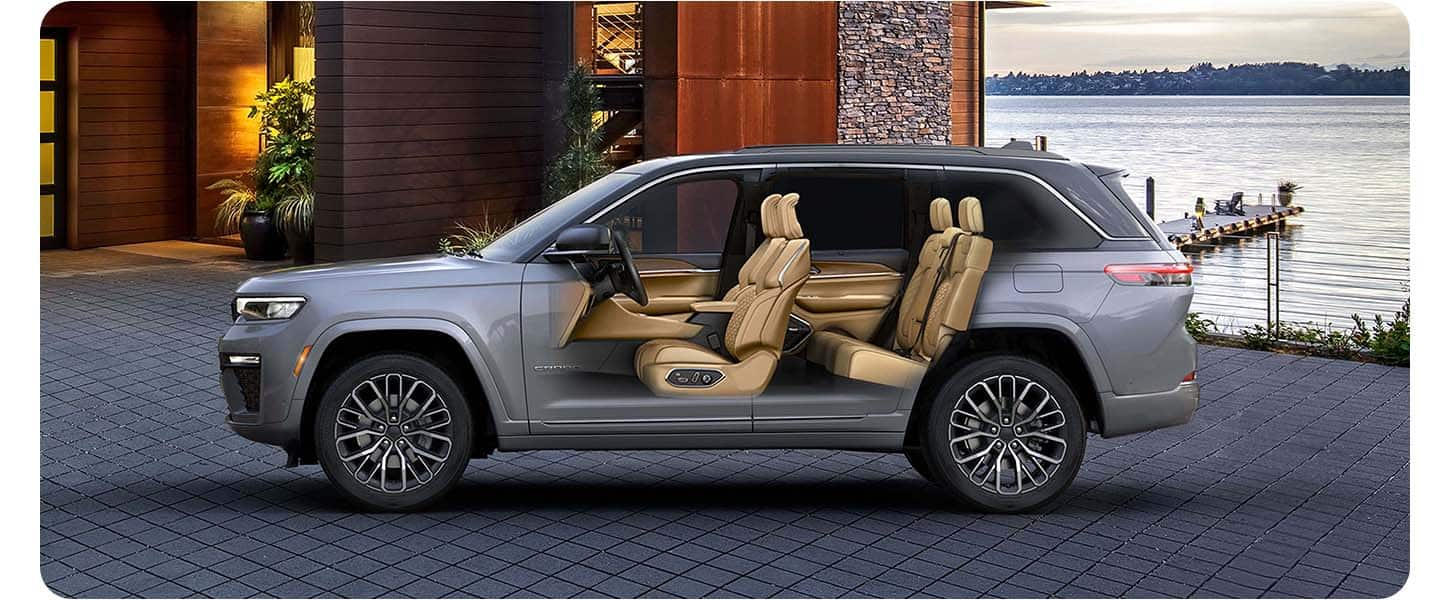
The current Jeep Cherokee (as of the 2024 model year) offers a two-row seating layout. This means the Cherokee provides seats in the front and a second row for passengers behind the driver. There is no third row. With this setup, the Cherokee typically seats five people comfortably: two in the front and three in the rear.
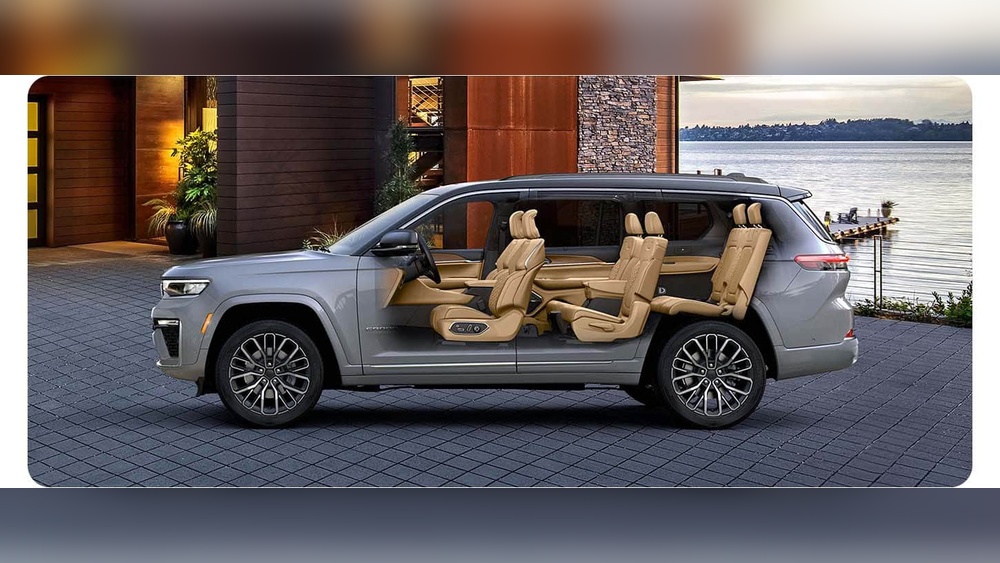
This two-row design has been consistent across recent generations. The focus is on comfort and ample legroom for both rows, making the Cherokee a good choice for small families, couples, or solo drivers who occasionally need to carry extra passengers.
Comparing The Jeep Cherokee To Other Jeep Models
It’s easy to confuse the Jeep Cherokee with other Jeep models. To help clarify, here’s a quick comparison:
| Model | Rows | Maximum Seating |
|---|---|---|
| Jeep Cherokee | 2 | 5 |
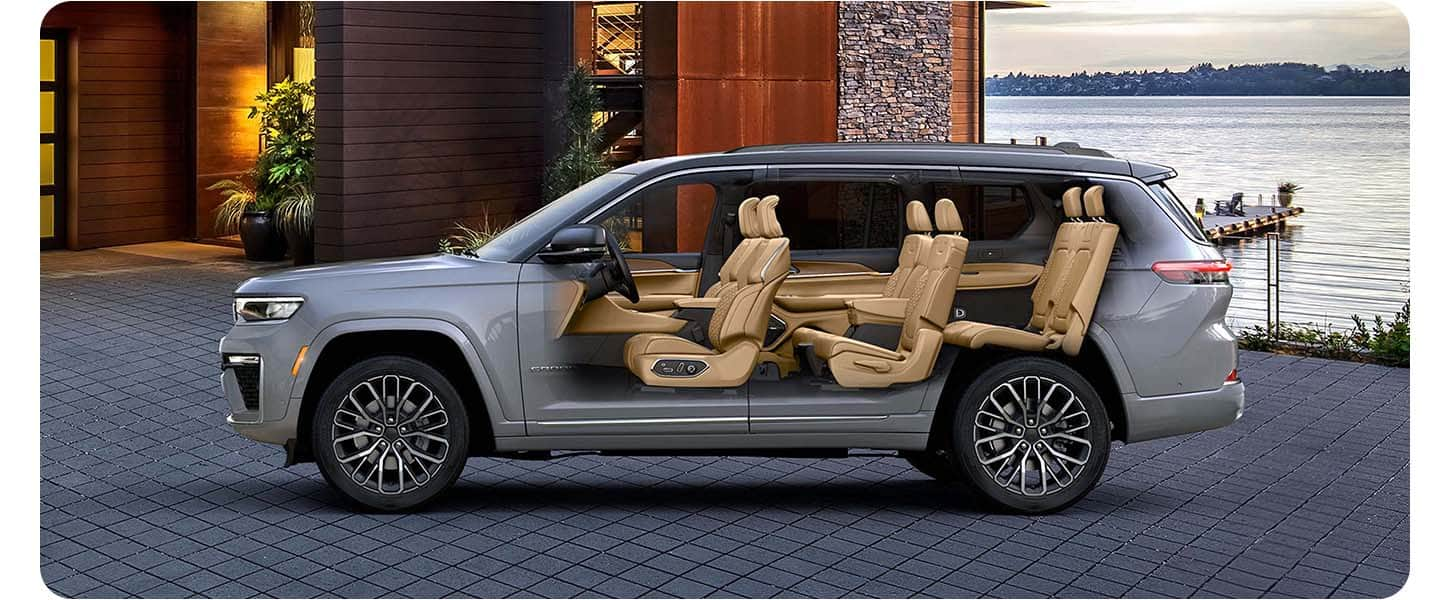
| Jeep Grand Cherokee | 2 or 3 (in L model) | 5 or 7 |
| Jeep Compass | 2 | 5 |
| Jeep Wagoneer | 3 | 8 |
The regular Jeep Cherokee is always a two-row SUV. If you need three rows for more passengers, you should consider the Jeep Grand Cherokee L or the Jeep Wagoneer.
Interior Space And Comfort
A two-row configuration allows the Jeep Cherokee to maximize interior comfort and cargo space. Let’s look at some specific dimensions from the 2023 model:
| Area | Measurement |
|---|---|
| Front Legroom | 41.1 inches |
| Rear Legroom | 40.3 inches |
| Cargo Space (behind 2nd row) | 25.8 cubic feet |
| Cargo Space (with rear seats folded) | 54.7 cubic feet |
These measurements show the Cherokee offers plenty of space for both passengers and luggage. The second row splits and folds down to increase cargo area, making it practical for road trips or shopping.
Why The Jeep Cherokee Has Two Rows
Some buyers wonder why Jeep hasn’t added a third row to the Cherokee. There are a few reasons:
- Vehicle size: The Cherokee is a compact to midsize SUV. Adding a third row would make the interior cramped or require a larger vehicle body.
- Passenger focus: Jeep targets small families, couples, and individuals who value comfort over maximum seating.
- Cargo flexibility: With only two rows, the Cherokee can offer more usable cargo space without sacrificing comfort.
If you truly need more seats, Jeep offers other models specifically designed for that purpose.
Real-world Advantages Of Two Rows
Choosing a two-row SUV like the Jeep Cherokee has some benefits:
- Easier to park and maneuver in tight city spaces.
- Better visibility for the driver and passengers.
- Lower overall weight, which can help with fuel efficiency.
- Simpler interior layout, making the cabin feel open and less crowded.
Many people underestimate how much more comfortable two rows can be, especially for taller passengers or those who take longer drives.
Variations Across Cherokee Generations
Since its debut in 1974, the Cherokee has changed shape and size, but the two-row layout has remained standard for the classic Cherokee line. Earlier models, like the original SJ and later the XJ (1984–2001), also had two rows.
One exception is the Grand Cherokee L, which was introduced in 2021 with three rows. However, this is a different model and should not be confused with the standard Cherokee.
Who Should Choose The Jeep Cherokee?
The Jeep Cherokee fits best for:
- Small families who need comfort and space for up to five people.
- Outdoor adventurers with gear to carry, thanks to the flexible cargo area.
- Urban drivers who want a manageable SUV size with off-road capabilities.
If you often drive with more than five passengers, you’ll need to look at a larger model.
Practical Tips Before Buying
Here are two key points many buyers overlook:
- Test rear seat comfort: Some two-row SUVs have a cramped back row. In the Cherokee, the second row is fairly spacious, but it’s smart to sit in the back before you buy.
- Check car seat compatibility: If you use child seats, make sure to test how well they fit in the second row. Some SUVs lose cargo space when car seats are installed.
Remember, the Cherokee’s rear seats fold flat, which can make it easier to load larger items compared to SUVs with a third row.

Frequently Asked Questions
How Many Rows Does The Jeep Cherokee Have?
The Jeep Cherokee has two rows of seats. It does not offer a third-row option.
Can You Add A Third Row To A Jeep Cherokee?
No, the Cherokee’s design and size do not allow for a third row to be added. If you need three rows, consider the Jeep Grand Cherokee L or Jeep Wagoneer.
Is There A Difference Between The Cherokee And Grand Cherokee In Seating?
Yes. The Jeep Cherokee seats up to five people in two rows. The Grand Cherokee can have two or three rows (the L model), with seating for up to seven.
How Much Cargo Space Does The Jeep Cherokee Offer?
With the rear seats up, you get 25.8 cubic feet. If you fold the second row, the space expands to about 54.7 cubic feet.
Are There Other Suvs Like The Cherokee With Only Two Rows?
Yes, many compact and midsize SUVs, such as the Toyota RAV4 and Honda CR-V, also offer only two rows. For more details, see the Jeep Cherokee Wikipedia page.
The Jeep Cherokee stays true to its roots with a two-row design, offering the right balance of passenger comfort and cargo space for most drivers. If you want a compact SUV that doesn’t feel cramped and offers flexibility for both daily life and adventures, the Cherokee remains a reliable choice.



















