The Jeep Grand Cherokee is one of the most popular SUVs in America. People love its rugged style, strong performance, and comfortable ride.
But many buyers and owners want to know: How many pounds is a Jeep Grand Cherokee? Knowing the weight is important for towing, fuel efficiency, and even safety.
If you are curious about this SUV’s weight, you’re not alone. Let’s break down the facts, compare different models, and highlight what really matters for you.
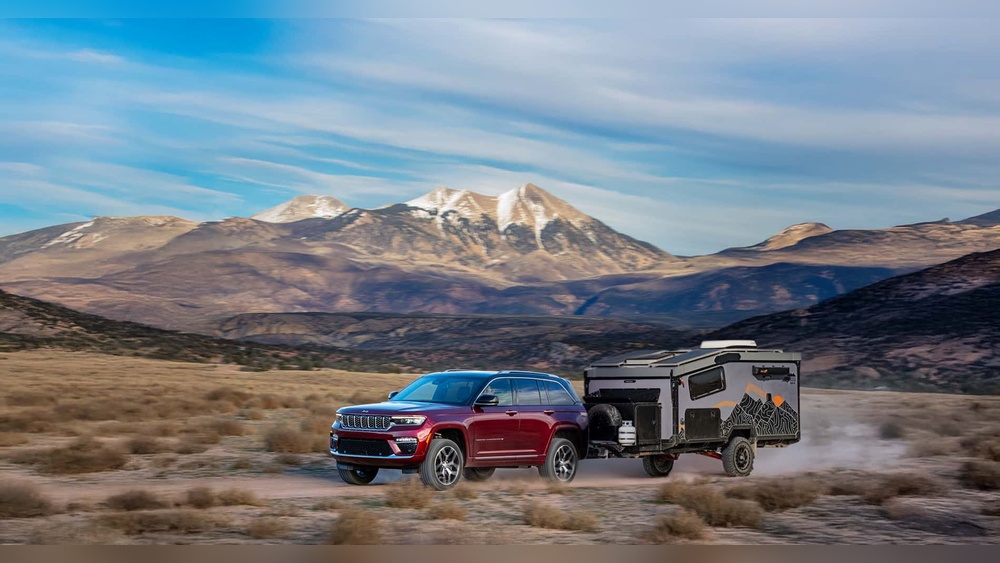
What Is The Weight Of A Jeep Grand Cherokee?
The weight of a Jeep Grand Cherokee depends on the model year, trim, engine, and extra features. The weight can change a lot from the base model to the fully loaded version. For 2023, the Grand Cherokee’s weight ranges from about 4,150 pounds to nearly 5,250 pounds.
Here’s a quick look at the current models:
| Model Year | Trim | Approx. Curb Weight (lbs) |
|---|---|---|
| 2023 | Laredo (Base) | 4,150 |
| 2023 | Limited | 4,400 |
| 2023 | Overland | 4,600 |
| 2023 | Summit | 4,700 |
| 2023 | Trailhawk | 4,800 |
| 2023 | Grand Cherokee L (3-row) | 5,250 |
Curb weight means the vehicle’s weight with all standard equipment, fluids, and a full tank of gas—but no passengers or cargo.
It’s worth noting that even within one trim, weight can change if you pick optional features or different wheels. For example, adding a tow package, larger wheels, or adaptive suspension can add 50 to 150 pounds.
Over the years, the Grand Cherokee has grown in size and weight, mainly to offer more comfort and technology.
Older models, like those from the early 2000s, were often 300 400 pounds lighter than today’s well-equipped versions. This is a normal trend as modern SUVs add more safety features and technology.
What Affects The Weight Of A Grand Cherokee?
Several factors change the weight of a Jeep Grand Cherokee:
- Engine type: Bigger engines (like the V8) add more pounds than smaller V6 engines. The engine block itself is heavier, and these versions often get stronger transmissions and cooling systems, which also add weight.
- Trim level: Higher trims (Summit, Overland) have more features and luxury, so they weigh more. Items like leather seats, advanced sound systems, and extra safety tech all add a few pounds each.
- All-wheel drive (AWD) vs. rear-wheel drive (RWD): AWD models are heavier due to extra drivetrain parts. Components like transfer cases and extra drive shafts increase the weight by 100–200 pounds compared to RWD versions.
- Extra options: Things like panoramic sunroofs, bigger wheels, and advanced tech can add to the weight. Don’t forget things like power running boards, heated seats, or even a rear entertainment system.
- Body style: The Grand Cherokee L with three rows is bigger and heavier than the standard two-row model. The extra length and seating can add 400–500 pounds, so it’s important for families to consider this if they need more space.
Let’s compare engine choices:
| Engine | Power | Approx. Weight (lbs) |
|---|---|---|
| 3.6L V6 | 293 hp | 4,150–4,500 |
| 5.7L V8 | 357 hp | 4,800–5,100 |
| Plug-in Hybrid (4xe) | 375 hp | 5,000+ |
Many people forget that adding simple things like tow packages or roof racks can raise the weight. This matters for payload and towing capacity. For example, a roof rack might only weigh 30 pounds, but if you load it with bikes or gear, you increase the total load quickly. Even carrying heavier wheels or a full-size spare tire adds more than most people realize.

Why Does Weight Matter?
Understanding the weight of your Jeep Grand Cherokee helps in several ways:
- Towing: Heavier SUVs can tow more, but too much weight can stress the engine. Always check both the towing and payload limits before hitching a trailer.
- Fuel efficiency: More weight means the engine uses more fuel, so lighter models save money. For example, the difference between a V6 and a V8 can mean several miles per gallon less on the highway.
- Safety: Heavier vehicles often do better in crash tests, but can be slower to stop. If you often drive in the city, stopping distance can be a key safety factor.
- Handling: Extra weight affects how the vehicle turns and stops. A lighter Grand Cherokee feels more nimble and is easier to park, while heavier models may feel steadier on the highway but less quick in city traffic.
For example, a base Laredo with a V6 engine is more fuel efficient and agile. The Grand Cherokee L with a V8 is heavier, so it uses more gas and feels less sporty.
If you plan to tow trailers or boats, knowing your SUV’s weight and towing limits is critical.
Keep in mind that weight also affects tire wear and brake life heavier vehicles wear out these parts faster, which can mean higher maintenance costs over time.
Jeep Grand Cherokee Vs. Other Suvs
How does the Grand Cherokee compare to other popular midsize SUVs? Here’s a quick look:
| SUV Model | Curb Weight (lbs) |
|---|---|
| Jeep Grand Cherokee | 4,150–5,250 |
| Ford Explorer | 4,300–5,000 |
| Toyota Highlander | 4,100–4,600 |
| Honda Pilot | 4,100–4,600 |
| Chevrolet Traverse | 4,300–4,600 |
You can see the Grand Cherokee is right in the middle. It’s heavier than some, lighter than others.
This balance gives it strong performance and solid towing for its size.
Something else to note: while the Grand Cherokee is heavier than a Toyota Highlander or Honda Pilot at the high end, it offers more off-road features and towing capability. For buyers who want to go off the beaten path, a few extra pounds can be a sign of a stronger frame or more rugged equipment. On the other hand, if you mostly drive in the city, a lighter competitor might save you fuel and feel easier to handle in tight spaces.

Two Insights Most People Miss
- Many think heavier SUVs are always better for towing, but payload is also important. If you load too many passengers or cargo, you can go over the safe weight limit, even before towing. For example, a family of five with luggage may already be close to the payload max before a trailer is attached.
- The plug-in hybrid (4xe) Grand Cherokee is heavier than gas-only models. This extra weight comes from the battery pack, which changes how the vehicle handles and accelerates. The instant torque from the electric motor can help with quick starts, but the added weight means braking distances may be longer than expected, especially when the vehicle is fully loaded.
Tips For Checking Your Grand Cherokee’s Weight
- Look at the driver’s door sticker for your exact curb weight and maximum payload. This sticker is the most reliable source because it’s specific to your vehicle as built.
- If you add aftermarket parts (like steel bumpers or lift kits), check the new weight for safe towing and handling. Some changes may require recalculating your payload and towing limits.
- Use the VIN to find specific info from Jeep’s official website or dealership. Dealers can also print out a “build sheet” that shows all installed options and how they affect weight.
- If you regularly carry heavy loads or plan long road trips, consider weighing your fully loaded vehicle at a local truck scale. This gives you real-world numbers and helps you avoid overloading.
For more technical details, visit the official Jeep Grand Cherokee site.
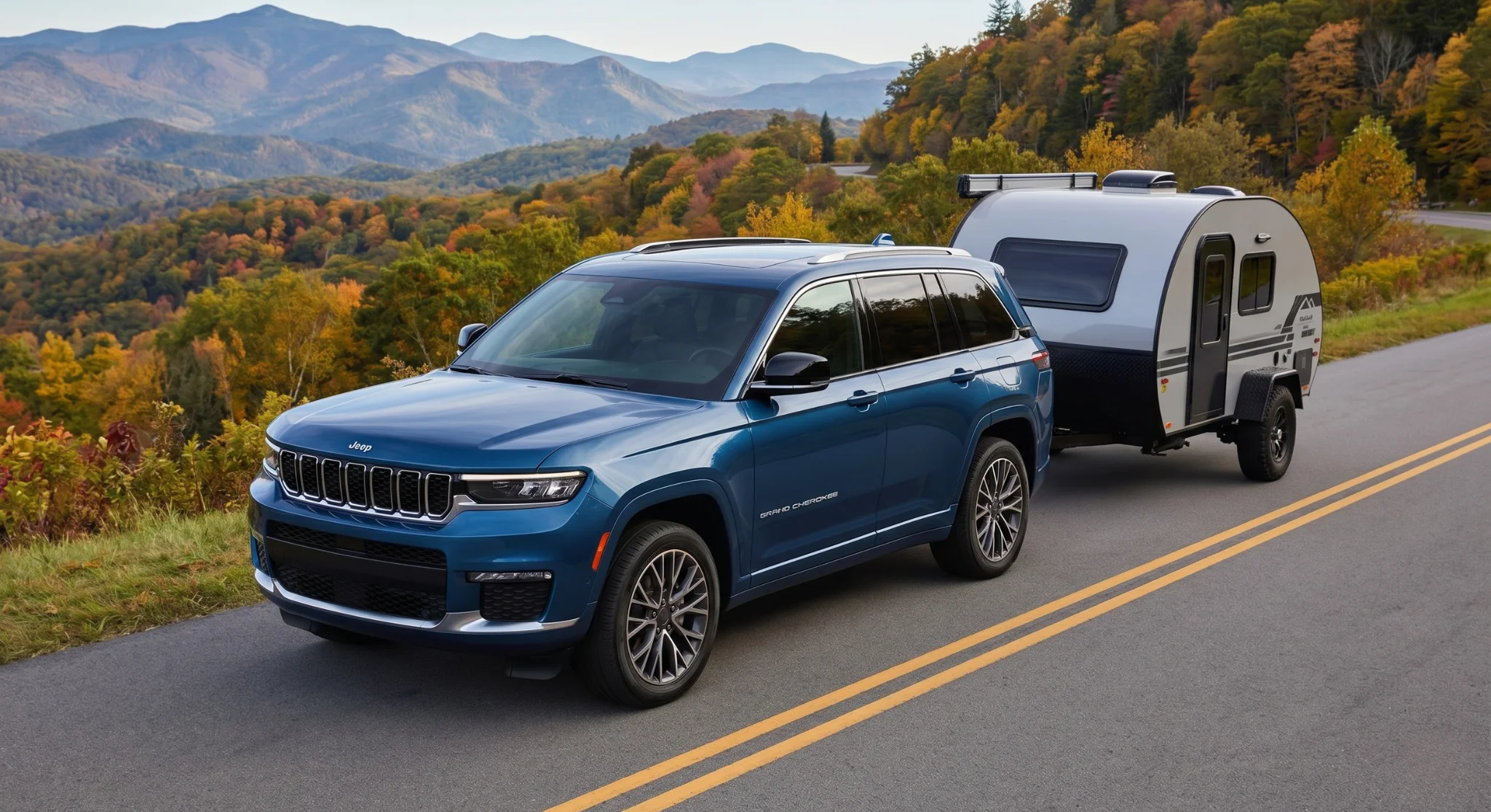
Frequently Asked Questions
How Much Does A 2023 Jeep Grand Cherokee Weigh?
The 2023 Grand Cherokee weighs 4,150–5,250 pounds depending on the trim, engine, and options. Laredo models are on the light side, while the three-row Grand Cherokee L and plug-in hybrid are at the top end.
Does Weight Affect Fuel Economy?
Yes. Heavier models use more fuel, especially with bigger engines or AWD.
Lighter trims get better gas mileage. Even small differences like 100 200 pounds can change your MPG by 1 or 2 points, especially in city driving.
Can I Safely Tow With My Grand Cherokee?
Check your model’s towing capacity—it ranges from 6,200 to 7,200 pounds. Stay under the limits for safe towing. Always factor in the weight of passengers and cargo when calculating your total tow load.
What Is The Payload Of A Grand Cherokee?
Payload is usually 1,100–1,300 pounds. This includes passengers and cargo. Don’t go over this number. Remember, aftermarket parts and accessories count against your payload, too.
Where Can I Find My Exact Jeep Grand Cherokee Weight?
Look for the sticker inside the driver’s door or check your owner’s manual for the most accurate curb weight. The owner’s manual also explains how to calculate gross vehicle weight when fully loaded.
The weight of a Jeep Grand Cherokee is more than just a number—it affects towing, driving, and fuel costs. Knowing your SUV’s weight helps you make smarter decisions, especially if you use it for road trips, hauling, or family adventures. With this guide, you’re ready to understand what matters and why. Whether you’re comparing models, planning a big move, or just curious about your Jeep, understanding weight will help you get the best performance and safety from your vehicle.



















