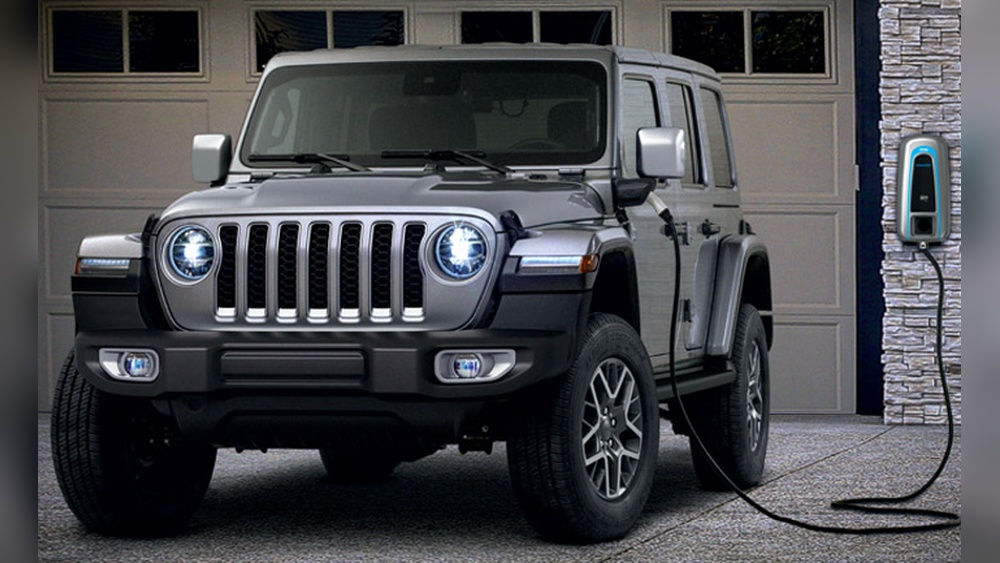
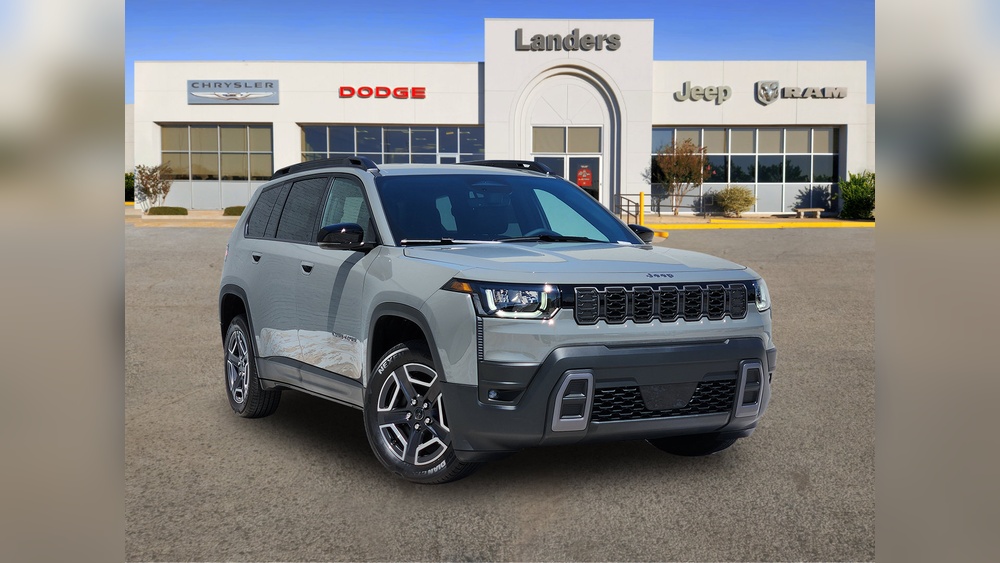
Jeep owners often hear about rodents chewing through vehicle wiring, leading to expensive repairs. There’s a rumor that some carmakers, including Jeep, now use soy-based wiring insulation. This article explores whether Jeep really uses soy-based wiring, why automakers switched to it, and what it means for you as an owner.
What Is Soy-based Wiring?
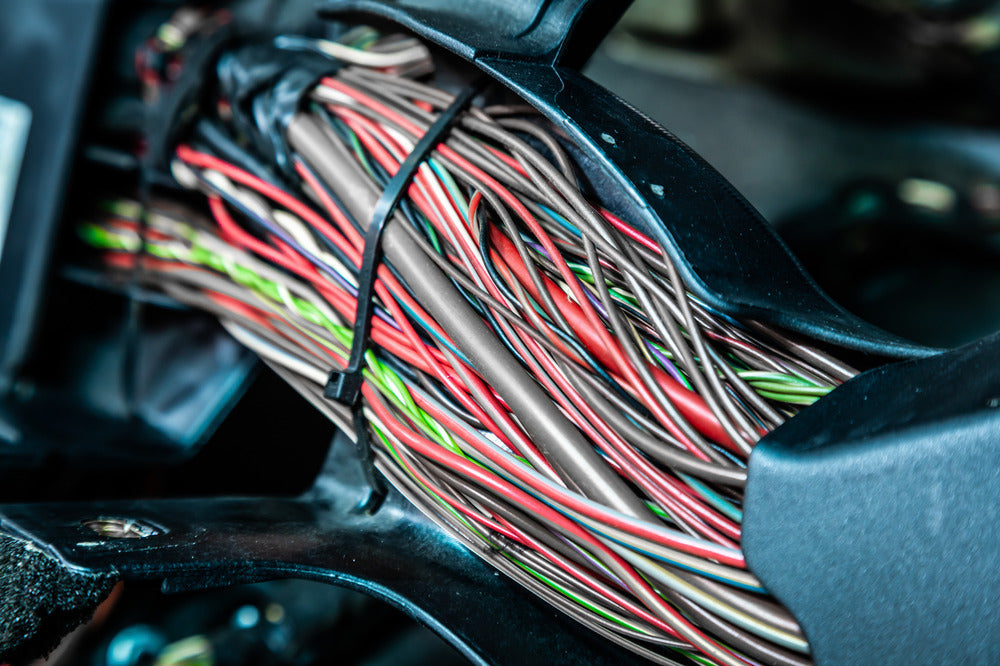
Modern cars need insulation to protect their wires. Traditionally, this insulation was made from petroleum-based plastics. Over the past two decades, some manufacturers began using soy-based or plant-based materials for wiring insulation. The main reasons are:
- Cost savings: Plant-based materials can be cheaper.
- Environmental benefits: Less reliance on oil, more renewable content.
- Government pressure: Some regions reward eco-friendly manufacturing.
Soy-based wiring insulation is made by blending soy with plastic. It looks and works much like regular insulation but uses renewable materials.
Does Jeep Use Soy-based Wiring?
Many Jeep owners want to know if their vehicles have soy-based wiring. The answer is not completely clear because Jeep’s parent company, Stellantis, does not publish a full list of insulation materials for every model year.
However, evidence suggests that Jeep, like many automakers, has used soy-based or plant-derived wire insulation in some of its vehicles since the mid-2000s. This move followed industry trends set by brands like Honda, Toyota, and Ford.
Evidence From Service Bulletins And Lawsuits
- Technical service bulletins (TSBs) from Chrysler (now Stellantis) sometimes mention wiring repairs linked to “rodent damage,” especially after 2008.
- Lawsuits and owner reports have linked Jeep, Dodge, and Chrysler vehicles to soy-based wiring complaints.
- No major automaker, including Jeep, has denied using plant-based wiring insulation.
If you drive a Jeep model from the late 2000s or newer, there’s a good chance it uses some soy-derived insulation—but it may be blended with other materials.
Why Automakers Switched To Soy-based Wiring
Switching to soy-based wiring was not just about being “green.” Several factors influenced the change:
- Cost: Soy and other plants are cheaper and less volatile in price than oil.
- Sustainability: Automakers want to reduce their carbon footprint.
- Regulations: Some governments encourage using renewable materials.
- Performance: Soy-based insulation meets most technical standards.
Here’s a quick comparison of insulation types:
| Insulation Type | Main Material | Introduced | Rodent Risk |
|---|---|---|---|
| PVC | Petroleum | 1950s | Low |
| Soy Blend | Soy + Plastic | 2000s | Medium/High |
| Other Plant-Based | Rice, Corn, etc. | 2010s | Medium |
Non-obvious insight: Automakers rarely use pure soy insulation. Most use blends for durability.
Are Soy-based Wires More Vulnerable To Rodents?
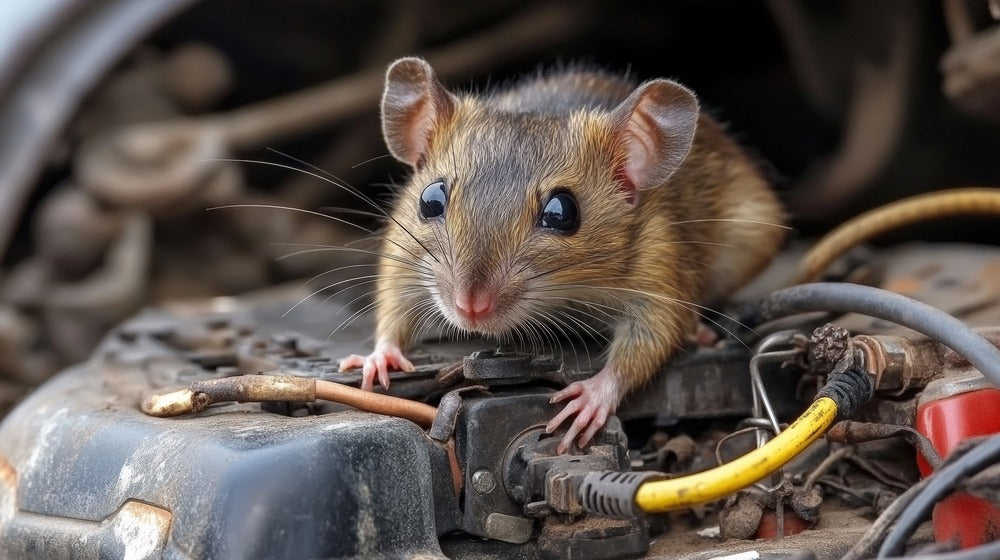
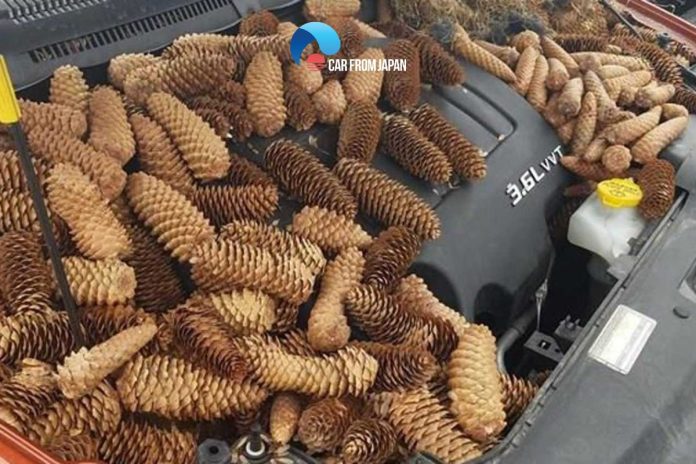
One major worry is that soy-based wiring attracts rodents. Many owners say mice, rats, and squirrels chew through their wiring, causing electrical failures.
What The Evidence Shows
- Rodent complaints increased after the mid-2000s.
- Some lawsuits argue that soy-based insulation is sweeter and more appealing to animals.
- However, rodents have chewed wires for decades—even before soy-based insulation.
Here’s a brief comparison of rodent-related service calls:
| Year Range | Rodent Claims per 1,000 Vehicles | Common Insulation |
|---|---|---|
| 1990-2004 | 2 | PVC |
| 2005-2015 | 6 | Soy Blend |
| 2016-2023 | 5 | Soy & Plant-Based |
Practical tip: Rodent risk depends more on where you park and store your Jeep than the insulation type alone.
How To Protect Your Jeep From Wiring Damage
If you’re worried about rodents, there are steps you can take:
- Park indoors when possible.
- Use rodent repellent sprays made for vehicles.
- Place mothballs or dryer sheets under the hood (but avoid direct contact with wires).
- Regularly inspect for signs of nests or chewed material.
- Consider rodent-deterrent tape for known problem areas.
Non-obvious tip: Avoid leaving food in or near your Jeep, which attracts rodents more than wiring itself.
Should You Be Concerned As A Jeep Owner?
While soy-based wiring has raised concerns, it is now standard in most new vehicles Jeep included. The chance of rodent damage is slightly higher, but not as severe as some online sources claim.
- Warranty coverage: Most rodent damage is not covered, so prevention is important.
- Repairs: Fixing chewed wires can cost from $200 to over $2,000, depending on the damage.
- Alternatives: No automaker uses only petroleum-based wiring today.
If you live in a rural or rodent-prone area, take extra precautions. For most Jeep owners, the risk remains low but worth monitoring.
For a deeper look at soy-based wiring and automaker trends, see Wikipedia.
Frequently Asked Questions
Is Soy-based Wiring Used In All Jeep Models?
Not all Jeep models use soy-based wiring, but many built since the late 2000s have at least some plant-derived insulation. The exact blend varies by year and model.
Does Soy-based Wiring Really Attract Rodents?
There’s evidence that rodents chew soy-based insulation more often, but animals have always chewed car wires. Other factors, like food nearby and parking location, matter more.
Will Jeep Fix Rodent-chewed Wires Under Warranty?
Most Jeep warranties do not cover rodent damage. Owners usually pay for repairs unless they have special coverage or insurance.
Are There Products To Stop Rodents From Chewing Jeep Wires?
Yes. You can use rodent-deterrent tape, sprays, and electronic devices. Regular inspection and removing attractants also help.
Is Soy-based Wiring Better For The Environment?
Soy-based insulation is more renewable and reduces oil use. However, its environmental benefit may be offset by increased rodent-related waste and repairs.
Switching to soy-based wiring is part of a bigger push for greener cars. While it brings new challenges, knowing how to protect your Jeep can help you avoid costly surprises.