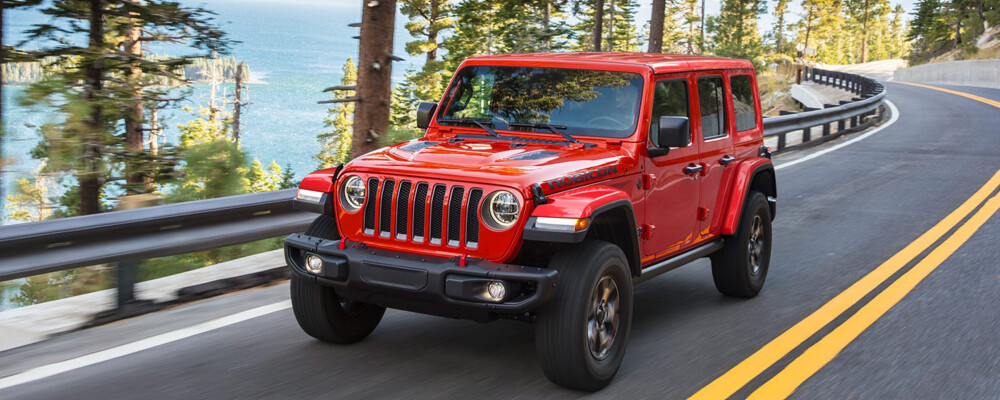
The Jeep Wrangler is one of the most recognized off-road vehicles in the world. It’s known for rugged capability, open-air fun, and a unique style that stands out on any road. But when it comes to everyday driving, many people ask: “How many miles per gallon does a Jeep Wrangler get?” If you’re thinking about buying a Wrangler or just curious about its fuel economy, understanding the numbers can help you make a smarter choice.
Jeep Wrangler Mpg: What To Expect
The miles per gallon (MPG) you get from a Jeep Wrangler depends on several factors. These include the model year, engine type, transmission, and whether your Wrangler is two-door or four-door (Unlimited). Over the years, Jeep has offered different engines, from efficient four-cylinders to powerful V6 and V8 options.
Here’s a quick look at typical MPG figures for the most popular Wrangler models:
| Model Year | Engine | Transmission | City MPG | Highway MPG |
|---|---|---|---|---|
| 2023 | 2.0L Turbo I4 | 8-speed auto | 21 | 24 |
| 2023 | 3.6L V6 (manual) | 6-speed manual | 17 | 25 |
| 2023 | 3.6L V6 (auto) | 8-speed auto | 19 | 24 |
| 2023 | 3.0L EcoDiesel V6 | 8-speed auto | 22 | 29 |
Older Wranglers, especially those before 2018, usually get lower MPG often in the 15 20 MPG range.
What Impacts Jeep Wrangler Mpg?
Engine And Transmission
The engine size and type play a major role. The 2.0L turbo is more efficient, while the 3.6L V6 offers more power but uses more fuel. Diesel engines offer better MPG, but they are less common and often cost more upfront.
Transmission matters too. Automatic transmissions in recent Wranglers are often more fuel-efficient than manuals, which might surprise some drivers.
Body Style And Weight
A two-door Wrangler is lighter and more compact, which means better fuel economy. The four-door Unlimited version, while more practical for families, is heavier and generally gets 1–2 MPG less.
Tires And Modifications
Many Wrangler owners add larger tires, lifts, or roof racks. These mods look great off-road, but they lower MPG. Bigger tires create more rolling resistance, and roof racks increase wind drag.
Driving Habits
City driving with lots of stops and starts burns more fuel than steady highway cruising. Aggressive acceleration, heavy loads, and even driving with the top down can cut your MPG.

Jeep Wrangler Mpg Compared To Other Suvs
Many buyers want to know how the Wrangler’s MPG compares to other compact SUVs. Here’s a quick side-by-side for the 2023 model year:
| Vehicle | Engine | City MPG | Highway MPG |
|---|---|---|---|
| Jeep Wrangler (2.0L Turbo) | 2.0L I4 Turbo | 21 | 24 |
| Toyota 4Runner | 4.0L V6 | 16 | 19 |
| Ford Bronco (2.3L) | 2.3L I4 Turbo | 20 | 21 |
| Subaru Outback | 2.5L I4 | 26 | 32 |
The Wrangler’s numbers are about average for true off-road SUVs, but well below crossovers designed for road use. If MPG is your top priority, a crossover or smaller SUV will do better.
Real-world Jeep Wrangler Mpg
Official EPA ratings are helpful, but real-world numbers can be different. Owners often report lower MPG than sticker numbers, especially after adding accessories or driving off-road.
Some common real-world observations:
- City driving: Expect 15–18 MPG for V6 models, 19–22 MPG for the turbo 4-cylinder.
- Highway driving: Lightly loaded Wranglers can match or beat the EPA numbers, especially with careful driving.
- Towing or heavy off-road use: MPG can drop into the low teens.
A key insight: Tire pressure has a big effect on Wrangler MPG. Under-inflated tires increase rolling resistance and lower fuel economy. Checking your tires monthly is a simple way to save gas.

Maximizing Your Jeep Wrangler’s Mpg
If you want the best fuel efficiency from your Wrangler, try these practical tips:
- Keep tires properly inflated. Even a few PSI low can cost you 1–2 MPG.
- Remove heavy accessories (like roof racks or steel bumpers) when you don’t need them.
- Drive smoothly. Gentle acceleration and braking save fuel.
- Use two-wheel drive when possible (for models that allow it).
- Keep windows and top up at high speeds to reduce drag.
Another non-obvious tip: Regular oil changes with the correct grade can improve your engine’s efficiency. Many owners overlook this, but it adds up over years of driving.
Jeep Wrangler Hybrid And Plug-in Options
Starting in 2021, Jeep introduced the Wrangler 4xe, a plug-in hybrid model. This version offers up to 49 MPGe (miles per gallon equivalent) when using both gas and electric power. In all-electric mode, you can drive around 21 miles without using any gas.
Here’s how the hybrid compares to gas models:
| Model | City | Highway | Combined (MPG or MPGe) |
|---|---|---|---|
| Wrangler 4xe (Hybrid) | 49 MPGe | N/A | 49 MPGe |
| Wrangler 2.0L Turbo | 21 | 24 | 22 |
| Wrangler EcoDiesel | 22 | 29 | 25 |
The Wrangler 4xe is a strong choice for city drivers who can charge at home or work. However, if you mostly drive long highway trips, the diesel or turbo gas engines may be better.
Frequently Asked Questions
What Is The Average Mpg For A Jeep Wrangler?
The average Jeep Wrangler MPG for recent gas models is about 20–22 MPG combined. Diesel versions can reach 25 MPG, and the hybrid 4xe gets up to 49 MPGe.
Does Modifying My Wrangler Affect Fuel Economy?
Yes. Larger tires, lifts, and roof racks almost always reduce your MPG, sometimes by 2–4 MPG or more.
Is The Jeep Wrangler Good For Highway Driving?
The Wrangler is capable on highways, but its boxy shape and off-road tires lead to more wind noise and lower MPG than most crossovers.
Are Older Jeep Wranglers Less Fuel Efficient?
Generally, yes. Models before 2018 often get 15–18 MPG. Newer engines and transmissions are more efficient.
Where Can I Find Official Mpg Ratings?
You can see official EPA ratings at the US Department of Energy website for all Jeep Wrangler models.
If you value both adventure and efficiency, it’s wise to check the exact MPG for the Wrangler model you want. Remember, the real-world numbers depend on how and where you drive.
With the right habits and setup, you can enjoy your Wrangler without too many stops at the pump.