The Jeep Trackhawk is a unique SUV. It’s famous for its extreme power, surprising speed, and bold style.
But if you ask, “How many horsepower does a Jeep Trackhawk have? ” you’ll find more than just a simple number.
There’s a story behind its horsepower that makes the Trackhawk stand out among performance SUVs.
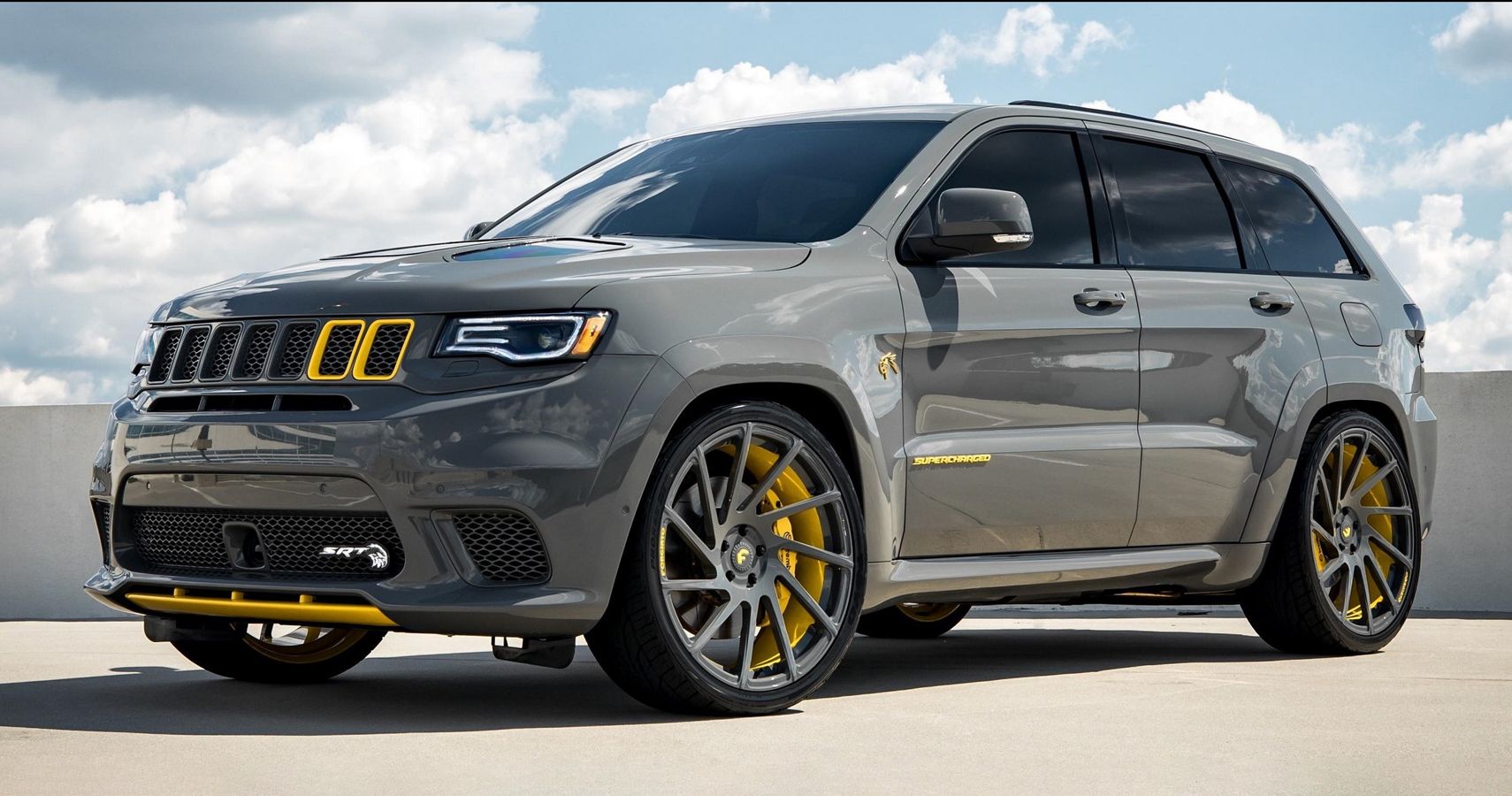
What Is The Jeep Trackhawk?
The Jeep Grand Cherokee Trackhawk is not your average family SUV. Jeep designed it to combine luxury, practicality, and raw strength. It’s part of the Grand Cherokee lineup but with a supercharged engine, racing-inspired parts, and advanced technology.
Car lovers often call the Trackhawk a “muscle SUV. ” Unlike most SUVs focused on comfort or off-roading, the Trackhawk is built for speed and power.
Horsepower Of The Jeep Trackhawk
The Main Question: How Much Horsepower Does The Trackhawk Produce?
The Trackhawk’s 6.2-liter supercharged V8 engine creates a stunning 707 horsepower. This is the same engine used in the Dodge Hellcat series, giving the Trackhawk muscle car performance in an SUV body.
| Model Year | Engine Type | Horsepower | Torque (lb-ft) |
|---|---|---|---|
| 2018–2021 | 6.2L Supercharged V8 | 707 hp | 645 |
This 707 hp gives the Trackhawk incredible acceleration. It can go from 0 to 60 mph in just 3.5 seconds. For a heavy SUV, this is faster than many sports cars.
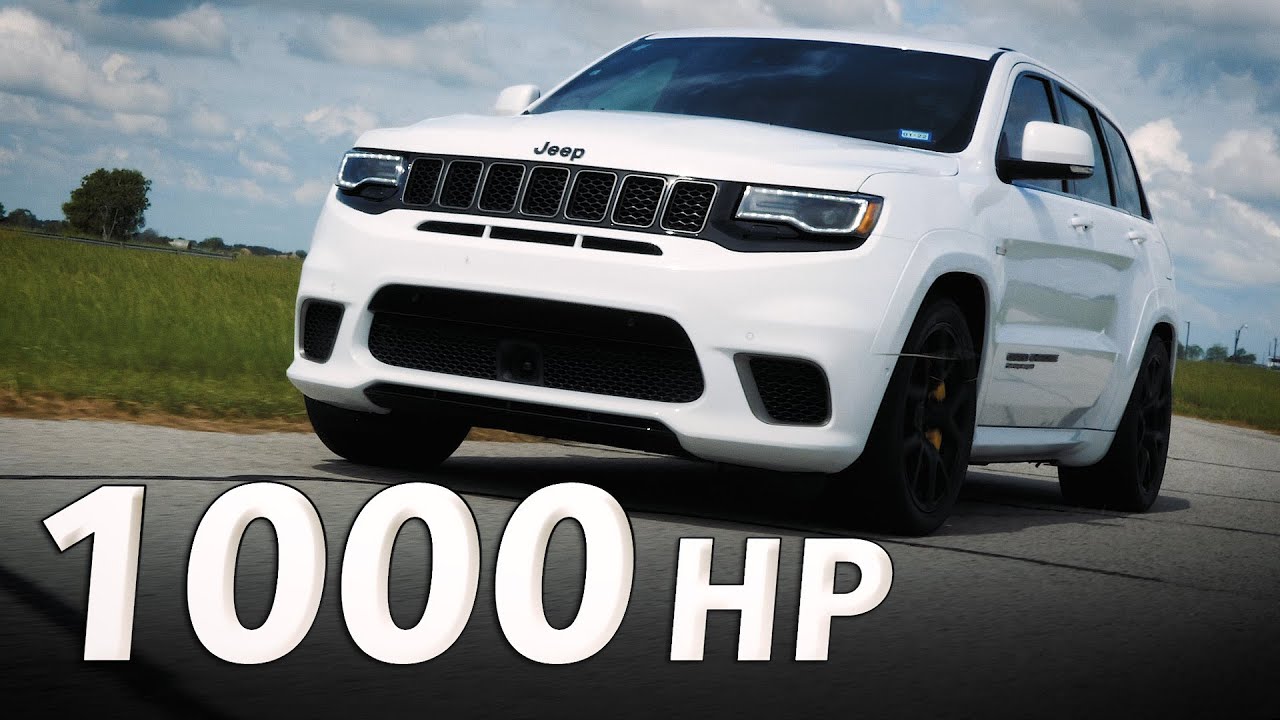
What Makes 707 Horsepower Special?
Most SUVs are not built for high horsepower. For comparison, a regular Jeep Grand Cherokee has engines ranging from 293 hp to 475 hp. Even luxury SUVs like the BMW X5 M or Mercedes-Benz AMG GLE 63 rarely reach above 600 hp.
| SUV Model | Horsepower |
|---|---|
| Jeep Trackhawk | 707 hp |
| BMW X5 M | 617 hp |
| Mercedes-AMG GLE 63 S | 603 hp |
| Porsche Cayenne Turbo | 541 hp |
The Trackhawk’s horsepower is not just a number. It means:
- Faster acceleration than most SUVs
- Higher top speed (up to 180 mph)
- More towing power (up to 7,200 lbs)
- Unique driving experience
Key Features Behind The Trackhawk’s Power
To handle 707 horsepower, Jeep added special features:
- Supercharged engine: The 6.2-liter V8 uses a supercharger to force extra air into the engine, increasing power.
- Heavy-duty transmission: An eight-speed automatic shifts quickly and manages high torque.
- All-wheel drive: Power goes to all wheels, improving grip and acceleration.
- Upgraded brakes: Brembo brakes with large rotors help stop the Trackhawk from high speeds.
- Performance suspension: Adaptive dampers adjust for both comfort and handling.
These features make the Trackhawk safe and stable even at high speeds. Many beginners overlook the importance of braking and suspension in such a powerful SUV.

Real-world Performance
Drivers report the Trackhawk feels like a sports car, but with more space. Its horsepower is not just for numbers—owners use it for:
- Quick highway merging
- Passing slower cars with ease
- Enjoying track days
- Towing trailers
One non-obvious insight: The Trackhawk’s all-wheel drive helps put the horsepower to the ground. In rear-wheel-drive cars, 707 hp can cause tire spin. The Trackhawk uses technology to deliver usable power.
Another detail: The Trackhawk’s cooling systems are special. The engine needs extra cooling to handle such power. Jeep added special radiators and cooling ducts, which many buyers miss when comparing with less powerful SUVs.
Is The Trackhawk Still Available?
Jeep produced the Trackhawk from 2018 to 2021. In 2022, stricter emissions rules and changing market demand led Jeep to discontinue the model.
However, you can still find used Trackhawks or explore similar models from Dodge.
For more details on the Trackhawk’s specs and history, visit the official Jeep Grand Cherokee Trackhawk page.
Comparing Trackhawk Horsepower To Other Vehicles
To understand 707 hp better, compare it with other powerful cars.
| Vehicle | Horsepower | 0-60 mph (sec) |
|---|---|---|
| Jeep Trackhawk | 707 | 3.5 |
| Dodge Charger Hellcat | 707 | 3.6 |
| Lamborghini Urus | 641 | 3.6 |
| BMW M5 | 600 | 3.2 |
This comparison shows the Trackhawk’s horsepower is not only high, but its acceleration matches or beats exotic cars.
Common Mistakes When Looking At Horsepower
Many people think more horsepower always means faster cars. But:
- Weight matters: The Trackhawk is heavy, so not all 707 hp is used for speed.
- Traction matters: All-wheel drive helps, but tires and road conditions limit power.
- Usability: Some cars can’t use all their horsepower on normal roads.
So, when comparing horsepower, check how the SUV uses the power—not just the number.
Trackhawk Ownership Tips
If you’re thinking about buying a Trackhawk, consider:
- Maintenance: High horsepower means higher maintenance costs.
- Fuel: The engine needs premium fuel and uses more gas than most SUVs.
- Insurance: Powerful SUVs cost more to insure.
- Resale: Trackhawks hold value well because they are rare.
Beginners often miss these practical points. Owning a Trackhawk is exciting, but it’s different from owning a regular SUV.
Frequently Asked Questions
How Many Horsepower Does A Jeep Trackhawk Have?
The Trackhawk produces 707 horsepower from its supercharged 6.2-liter V8 engine.
Is The Jeep Trackhawk Faster Than Other Suvs?
Yes, the Trackhawk is one of the fastest SUVs, with 0-60 mph in 3.5 seconds and a top speed of 180 mph.
Can You Still Buy A New Jeep Trackhawk?
No, Jeep stopped making the Trackhawk after 2021. You can buy used models or look at similar Dodge vehicles.
What Is The Towing Capacity Of The Trackhawk?
The Trackhawk can tow up to 7,200 pounds, which is strong for a performance SUV.
How Does The Trackhawk Compare To Sports Cars?
The Trackhawk’s horsepower and acceleration match many sports cars, but it offers more space and comfort.
The Jeep Trackhawk stands out for its 707 horsepower, combining speed, luxury, and practicality. If you want a powerful SUV, the Trackhawk’s horsepower gives you a unique driving experience.
Whether you own one or just admire it, understanding its horsepower helps you appreciate what makes the Trackhawk special.