If you drive a Jeep Liberty or are thinking of buying one, you might wonder, “How many gallons does a Jeep Liberty hold?” Knowing your fuel tank size is more than just a number—it helps you plan road trips, budget for gas, and avoid unexpected stops.
This guide will break down the gas tank capacity for different Jeep Liberty models, explain why it matters, and give you useful tips to get the most out of every gallon.
Gas Tank Sizes By Jeep Liberty Model Year
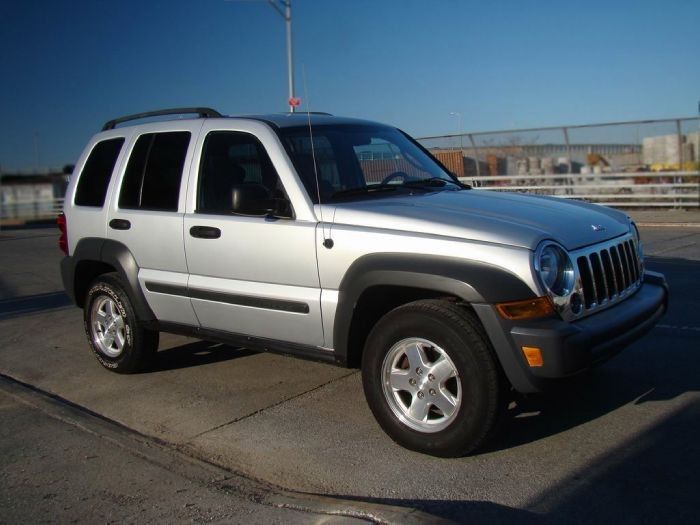
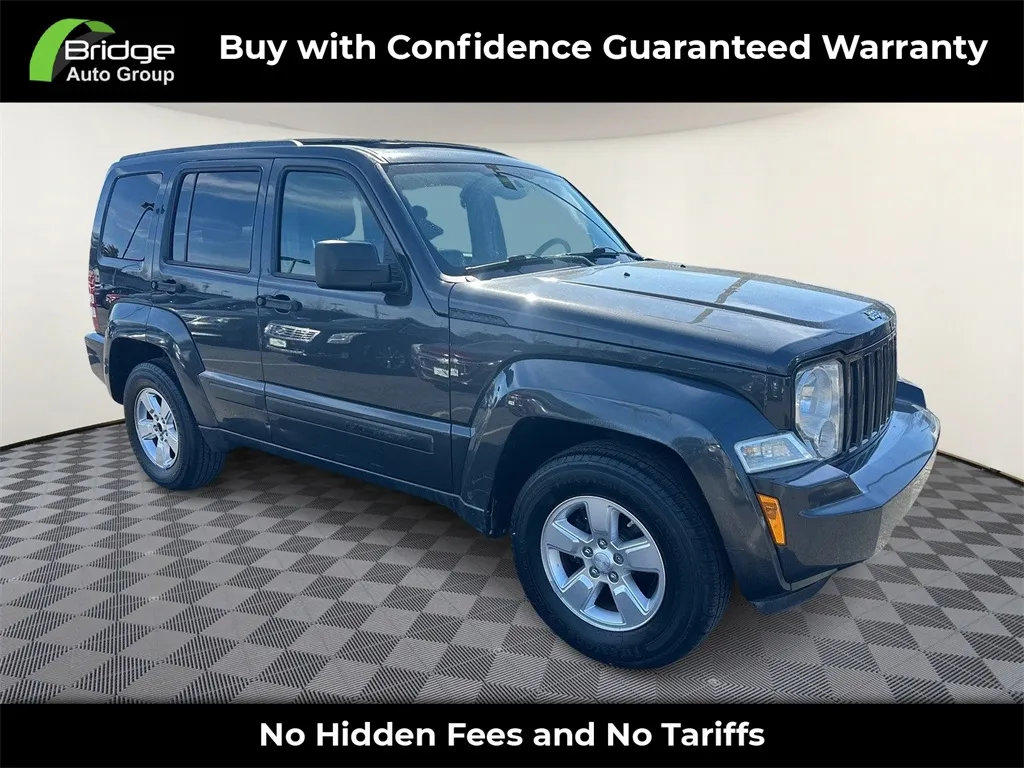
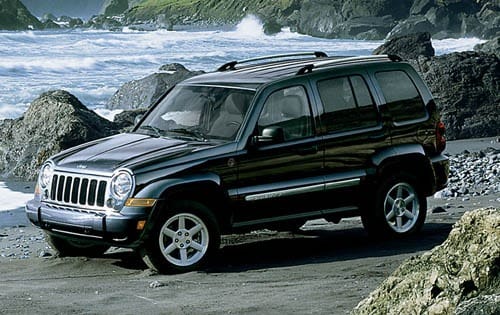
The Jeep Liberty was produced from 2002 to 2012, and its fuel tank capacity changed slightly over the years. Let’s look at how many gallons each generation can hold.
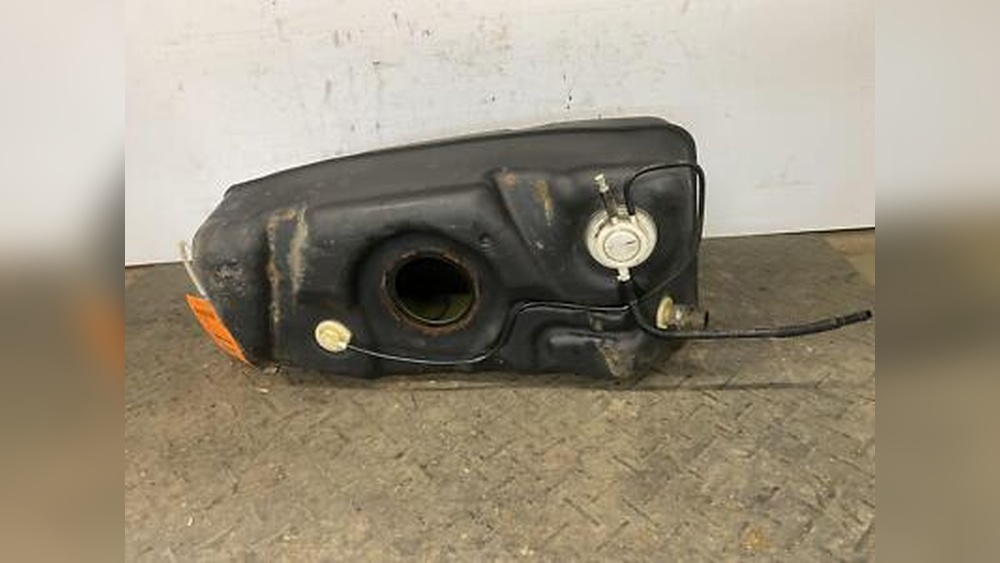
| Model Year | Fuel Tank Capacity (gallons) |
|---|---|
| 2002–2007 | 20.5 gallons |
| 2008–2012 | 19.5 gallons |
First-generation (2002–2007) Jeep Liberty models have a 20.5-gallon tank. This is true for both the Sport and Limited trims. In 2008, the second generation launched with a slightly smaller 19.5-gallon tank. This one-size tank applies to all engine options and trims for each generation.
Why Fuel Tank Size Matters
A vehicle’s fuel tank size affects your driving experience more than you might think. Here’s why:
- Driving Range: The bigger the tank, the farther you can drive between fill-ups.
- Trip Planning: Knowing your range helps you plan for long journeys and avoid running out of gas in remote areas.
- Fuel Budgeting: Understanding your tank size helps estimate how much you’ll spend on each fill-up.
Let’s see how this plays out for the Jeep Liberty.
How Far Can You Go On One Tank?
Your driving range depends on both your tank size and your vehicle’s MPG (miles per gallon). The average Jeep Liberty gets between 15 and 22 MPG, depending on the engine, year, and driving conditions.
Here’s a quick comparison of estimated driving range based on real-world averages:
| Model Year | MPG (Combined) | Tank Size (gallons) | Estimated Range (miles) |
|---|---|---|---|
| 2002–2007 | 17 MPG | 20.5 | 348.5 |
| 2008–2012 | 18 MPG | 19.5 | 351 |
So, you can expect roughly 350 miles per tank, but your actual range depends on how you drive and where.
How To Check Your Jeep Liberty’s Fuel Tank Size
If you want to confirm your specific Jeep Liberty’s fuel tank size, you can:
- Check your owner’s manual
- Look for a sticker inside the driver’s door jamb
- Ask your local Jeep dealer using your VIN
- Inspect the tank directly (some have the size stamped on them)
Remember, some replacement tanks from third-party manufacturers may differ from the original size.
Factors That Affect Fuel Range
Many drivers forget that the number of gallons is only part of the story. Here are two insights beginners often miss:
- MPG Drops with Heavy Loads: Carrying extra weight (like camping gear or towing a trailer) can lower your MPG, shrinking your range—even with the same tank size.
- City vs Highway Driving: Stop-and-go city driving usually burns more fuel, while highway driving is more efficient. Your “real” range can be much less than the numbers suggest.
How The Jeep Liberty Compares To Other Suvs
Wondering how the Liberty stacks up? Here’s a quick look at fuel tank sizes for similar compact SUVs.
| Vehicle | Model Year | Fuel Tank (gallons) |
|---|---|---|
| Jeep Liberty | 2008–2012 | 19.5 |
| Honda CR-V | 2012 | 15.3 |
| Toyota RAV4 | 2012 | 15.9 |
| Ford Escape | 2012 | 17.5 |
The Jeep Liberty’s tank is larger than most rivals, which means fewer stops for gas on long drives.
Tips To Maximize Your Jeep Liberty’s Fuel Range
If you want to go further on each tank, try these strategies:
- Drive smoothly: Avoid sudden starts and stops.
- Keep tires properly inflated: Low tire pressure hurts MPG.
- Lighten your load: Remove unnecessary items from your trunk.
- Use cruise control: On highways, this improves fuel efficiency.
- Plan your route: Avoid heavy traffic when possible.
Most drivers overlook tire pressure and excess weight, but both can make a surprising difference in how far you travel before you need to refuel.