There is no factory-promised mileage at which every Jeep 4.7L V8 expires. A used engine’s remaining life depends on maintenance history, cooling-system condition, oil-change habits, previous overheating, driving load and the quality of earlier repairs.
Quick Answer
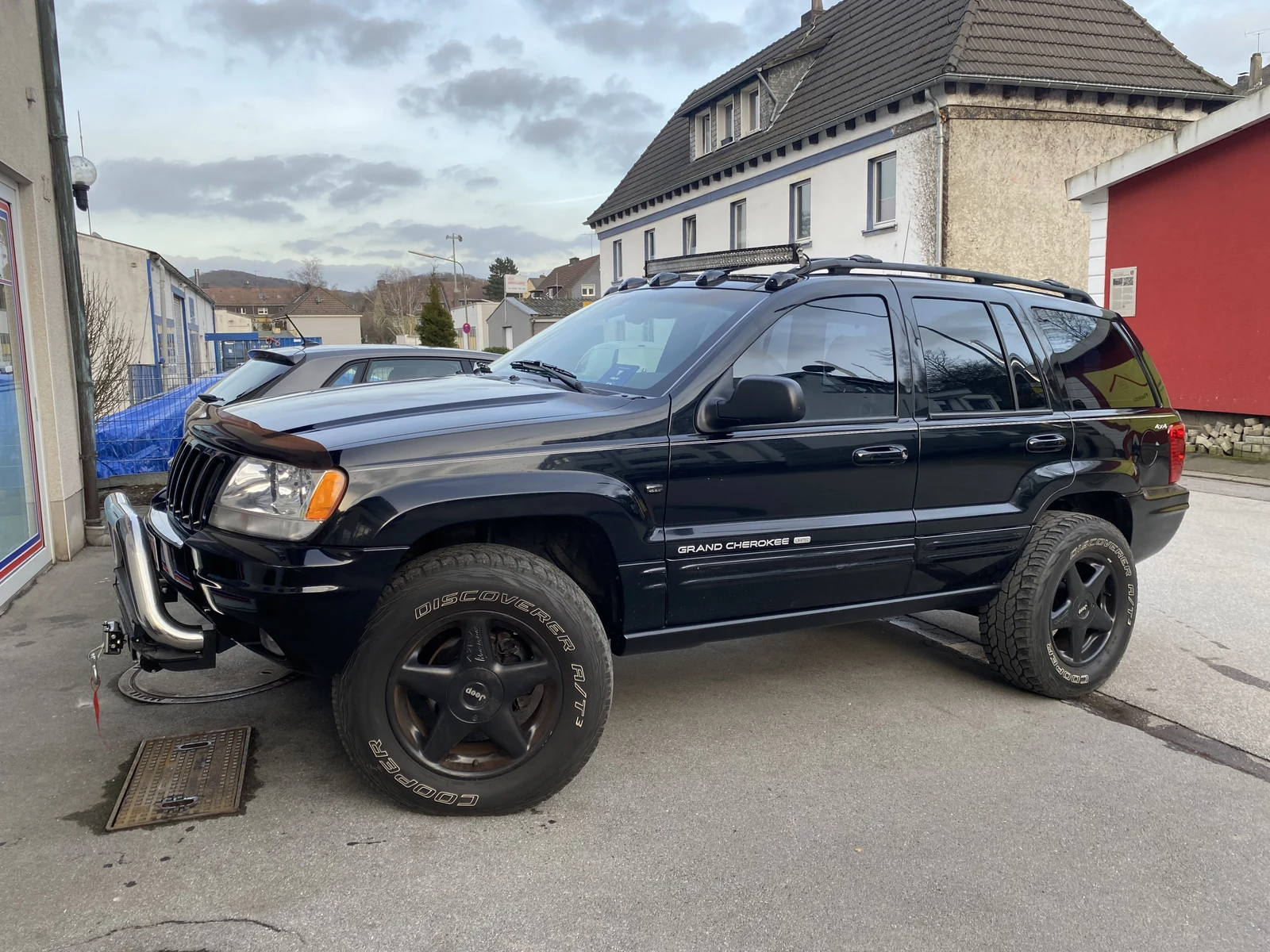
A well-kept 4.7L V8 may remain useful at high mileage, while a neglected example may become expensive much earlier. The odometer is only one part of the decision.
Inspect the engine cold, review records and check for evidence of overheating before buying or investing in repairs.
Which Engine Are We Talking About?
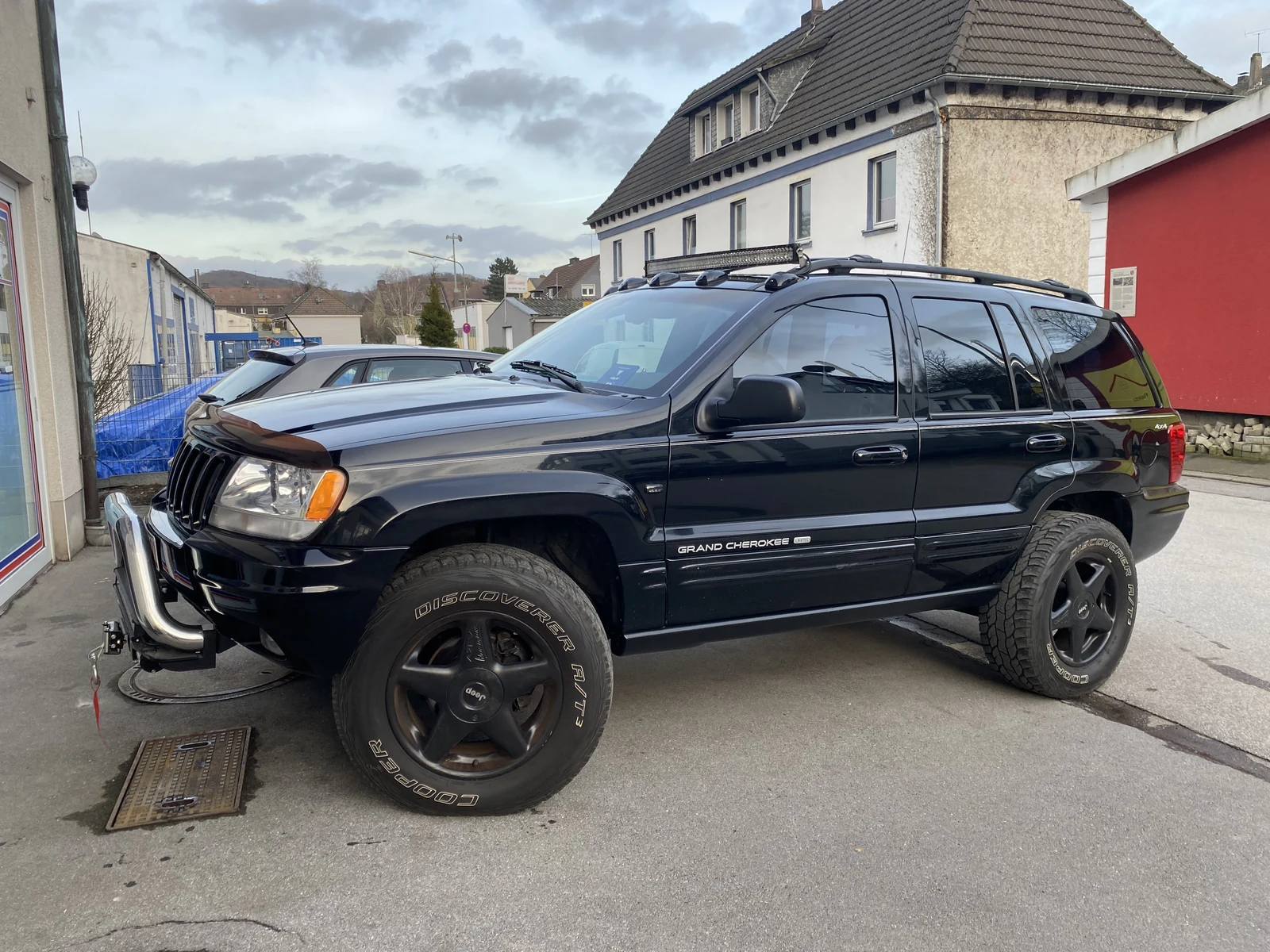
The 4.7L PowerTech V8 appeared in older Jeep applications such as the Grand Cherokee. Because these vehicles are now used vehicles, condition matters more than a single internet lifespan estimate.
Maintenance History Matters More Than a Mileage Claim
| Evidence | Why it matters |
|---|---|
| Oil-change records | Show whether lubrication maintenance was handled consistently |
| Cooling-system receipts | Help identify whether overheating risk was ignored or repaired properly |
| Cold-start behavior | Reveals noises, smoke and idle quality that may be hidden after warm-up |
| Scan results | Show stored or pending faults before a purchase |
| Compression or leak-down test | Provides stronger evidence when engine condition is uncertain |
Used-Buyer Inspection Order
- Ask the seller not to warm the engine before your visit.
- Check the coolant level only when the engine is cold.
- Look for oil leaks, coolant residue, damaged hoses and neglected wiring.
- Listen during cold start and watch the exhaust.
- Confirm stable idle and normal temperature during a test drive.
- Scan for stored and pending codes.
- Price a pre-purchase inspection before committing to a high-mileage vehicle.
Warning Signs That Deserve Extra Investigation
Walk away or budget for diagnosis when the engine shows repeated overheating, coolant loss without an obvious external leak, heavy exhaust smoke, severe valvetrain noise, poor oil pressure indications, rough running, misfire codes or a seller who refuses a cold-start inspection.
How to Extend the Useful Life of a 4.7L V8
Use the fluid specifications and service schedule for the exact model year. Fix cooling-system problems promptly, do not ignore misfires and avoid choosing parts solely on price.
Mopar's owner-manual portal is the right starting point because service requirements change across years and applications.
Create a Condition Scorecard
| Area | Good sign | Concern |
|---|---|---|
| Cold start | Starts promptly and settles into a stable idle | Heavy smoke, loud mechanical noise or extended cranking |
| Cooling system | Clean reservoir, stable temperature and repair records | Repeated coolant loss, overheating history or dried residue |
| Oil condition | Correct level and documented changes | Low oil, sludge signs or long unexplained service gaps |
| Road test | Smooth power delivery and normal temperature | Misfire, hesitation, overheating or warning lamps |
| Seller documentation | Receipts and consistent ownership story | No records and pressure to skip an inspection |
Why Cooling-System Neglect Is Expensive
Any older aluminum-cylinder-head engine deserves close attention to cooling-system health. A cheap hose, thermostat, fan or radiator problem becomes much more expensive when the driver continues operating an overheating vehicle.
A used buyer should value evidence of careful cooling-system work more than cosmetic modifications.
Repair the Vehicle or Walk Away?
A high-mileage Jeep is not automatically a poor purchase. The decision changes when the asking price leaves room for preventative maintenance and the inspection shows a sound engine.
It becomes risky when major symptoms stack up: overheating, coolant loss, misfire, smoke, neglected fluids and no records.
Frequently Asked Questions
Is 200,000 miles automatically too high for a Jeep 4.7L V8?
No mileage number answers the question by itself. A documented and well-tested vehicle may be a better purchase than a lower-mileage example with neglected maintenance.
Should I buy parts before a diagnosis?
No. Start with inspection, scan results and test data.
Replacing parts based on forum guesses can waste money.
Is a pre-purchase inspection worth paying for?
Yes when the vehicle price or repair risk matters to you. A professional inspection is cheaper than discovering serious engine problems after purchase.
What High Mileage Really Means for the 4.7 V8
There is no single mileage limit that applies to every Jeep 4.7 V8. Service history matters more than an online number.
A well-maintained engine with regular oil changes, a healthy cooling system, and prompt repairs may remain useful for years. A neglected engine may become expensive much earlier.
| Area | Why it matters | What to inspect |
|---|---|---|
| Cooling system | Overheating can turn a minor issue into major engine damage | Radiator, hoses, thermostat, fan operation, coolant condition, and leak history |
| Oil service | Oil condition affects wear and sludge risk | Records, level, pressure warnings, leaks, and abnormal valvetrain noise |
| Compression and idle quality | Uneven operation may point to wear or a repair need | Cold start, warm idle, misfire codes, smoke, and vibration |
| Transmission and driveline | A good engine does not make the whole Jeep a good buy | Shift quality, fluid leaks, transfer case, differentials, and mounts |
Cold-Start Inspection for a Used Jeep
Ask the seller not to warm the vehicle before you arrive. A cold start reveals more than a polished test drive.
Listen for unusual tapping, knocking, belt noise, or a rough idle. Watch the exhaust for smoke and confirm that warning lights illuminate during the bulb check, then turn off normally.
After the engine warms up, inspect for coolant smell, oil seepage, unstable idle, or rising temperature. A short road test should include light acceleration, steady cruising, and a stop-and-go section.
Maintenance Records Worth Paying For
A folder of receipts is more valuable than a vague claim that the engine was maintained. Look for oil-service intervals, cooling-system work, spark-plug service, belt replacement, leak repairs, and any overheating history.
Ask whether the Jeep has towed regularly or spent years on short trips.
When to Walk Away
- Persistent overheating or unexplained coolant loss
- Heavy sludge under the oil cap combined with poor records
- Knocking sounds that increase under load
- Low oil pressure warnings
- Multiple misfire codes with rough running
- A seller who refuses a pre-purchase inspection
Budget for the Whole Vehicle, Not Only the Engine
A used Grand Cherokee or other Jeep with the 4.7 V8 may need spending outside the engine bay. Suspension bushings, wheel bearings, brakes, air-conditioning components, electrical accessories, rust repair, and drivetrain service all affect ownership cost.
A strong engine does not automatically make a neglected SUV a sensible purchase.
Build a first-year repair reserve before buying. Use the inspection results to separate urgent safety work from maintenance that can be scheduled over time.
A lower purchase price is not a bargain when several overdue repairs arrive together.
Questions to Ask the Seller
- How long have you owned the Jeep?
- Has it ever overheated or lost coolant?
- How often was the oil changed, and which oil was used?
- Has the radiator, thermostat, water pump, or cooling fan been replaced?
- Does the engine use oil between services?
- Are there receipts for recent work?
- Has the Jeep towed trailers or spent time off-road?
Pre-Purchase Inspection Strategy
Schedule an independent inspection before paying for a high-mileage Jeep. Ask the technician to scan for stored codes, inspect the cooling system under pressure, check for leaks, listen during a cold start, review oil condition, and road-test the vehicle.
A compression or leak-down test may be worth discussing when symptoms or service history raise concerns.
Use the inspection report to price the Jeep realistically. A vehicle with strong maintenance records and a short repair list may be a better purchase than a cheaper example with unexplained noises, cooling problems, and overdue suspension work.
- How Long Will Jeep Grand Cherokee Last
- How Long Will A Jeep Wrangler Last
- How Long Will A Jeep Compass Last
Final Takeaway
Do not buy a Jeep 4.7L V8 based on a promised lifespan number. Judge the engine by maintenance records, cold-start behavior, cooling-system condition, scan results and a professional inspection when the purchase risk is meaningful.