Many people look at the 2013 Jeep Grand Cherokee and wonder: how long will this SUV really last? If you’re thinking about buying one, or you already own it, you want to know if it’s a reliable long-term choice.
The answer is not as simple as a single number. The lifespan of a 2013 Grand Cherokee depends on how you drive it, how you maintain it, and even a bit of luck.
But with the right care, this model can go further than many expect.
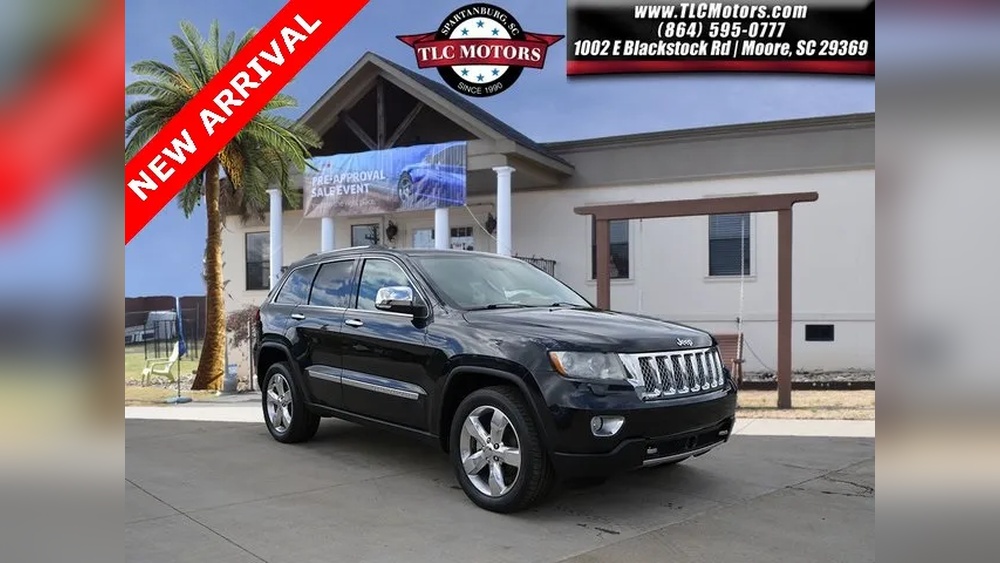
Average Lifespan Of A 2013 Jeep Grand Cherokee
Most 2013 Jeep Grand Cherokee vehicles last between 150,000 and 200,000 miles. Many owners report driving past 200,000 miles with proper maintenance. Some even reach 250,000 miles or more. However, not every Jeep will make it this far. Driving habits, service records, and location play big roles in lifespan.
Real-world Examples
Some drivers mention their Grand Cherokee is still running strong after 230,000 miles, while others faced major issues before 150,000 miles. For example, frequent city driving, heavy towing, or ignoring regular oil changes can shorten its life.
On the other hand, regular service and gentle driving can make a big difference.
Key Factors That Affect Longevity
Maintenance
Regular maintenance is the most important factor. This includes:
- Oil changes every 5,000 to 7,500 miles
- Transmission fluid replacement every 60,000 miles
- Timing belt/chain checks as recommended
- Brake, tire, and battery care
Skipping these basics can cause expensive repairs and shorten the SUV’s life.
Driving Habits
Gentle acceleration, smooth braking, and avoiding hard towing can help your Grand Cherokee last longer. Off-roading or racing the engine puts extra stress on parts.
Climate And Location
If you live in a place with harsh winters or salty roads, rust may appear earlier. Garaging your car and washing off salt helps prevent this.
Common Problems And Their Impact
The 2013 Grand Cherokee is known for a few common issues:
- Transmission problems: Some owners report shifting issues, especially above 100,000 miles.
- Electrical glitches: Problems with the TIPM (Totally Integrated Power Module) can cause random electrical failures.
- Suspension wear: Bushings and ball joints may need replacement after 100,000 miles.
- Air suspension: Models with Quadra-Lift can have expensive air suspension repairs.
Most of these problems can be fixed, but ignoring them often leads to bigger, costlier repairs down the road.
How The 2013 Grand Cherokee Compares To Other Suvs
Here’s a look at how the 2013 Grand Cherokee stacks up against similar midsize SUVs:
| Model | Expected Lifespan (Miles) | Notable Issues |
|---|---|---|
| Jeep Grand Cherokee (2013) | 150,000 – 200,000 | Transmission, TIPM, Suspension |
| Toyota 4Runner | 200,000 – 250,000 | Frame Rust |
| Ford Explorer | 160,000 – 210,000 | Transmission, Cooling System |
| Honda Pilot | 200,000 – 250,000 | Transmission, Suspension |
While the Grand Cherokee is competitive, Toyota and Honda often last a little longer with fewer major repairs.
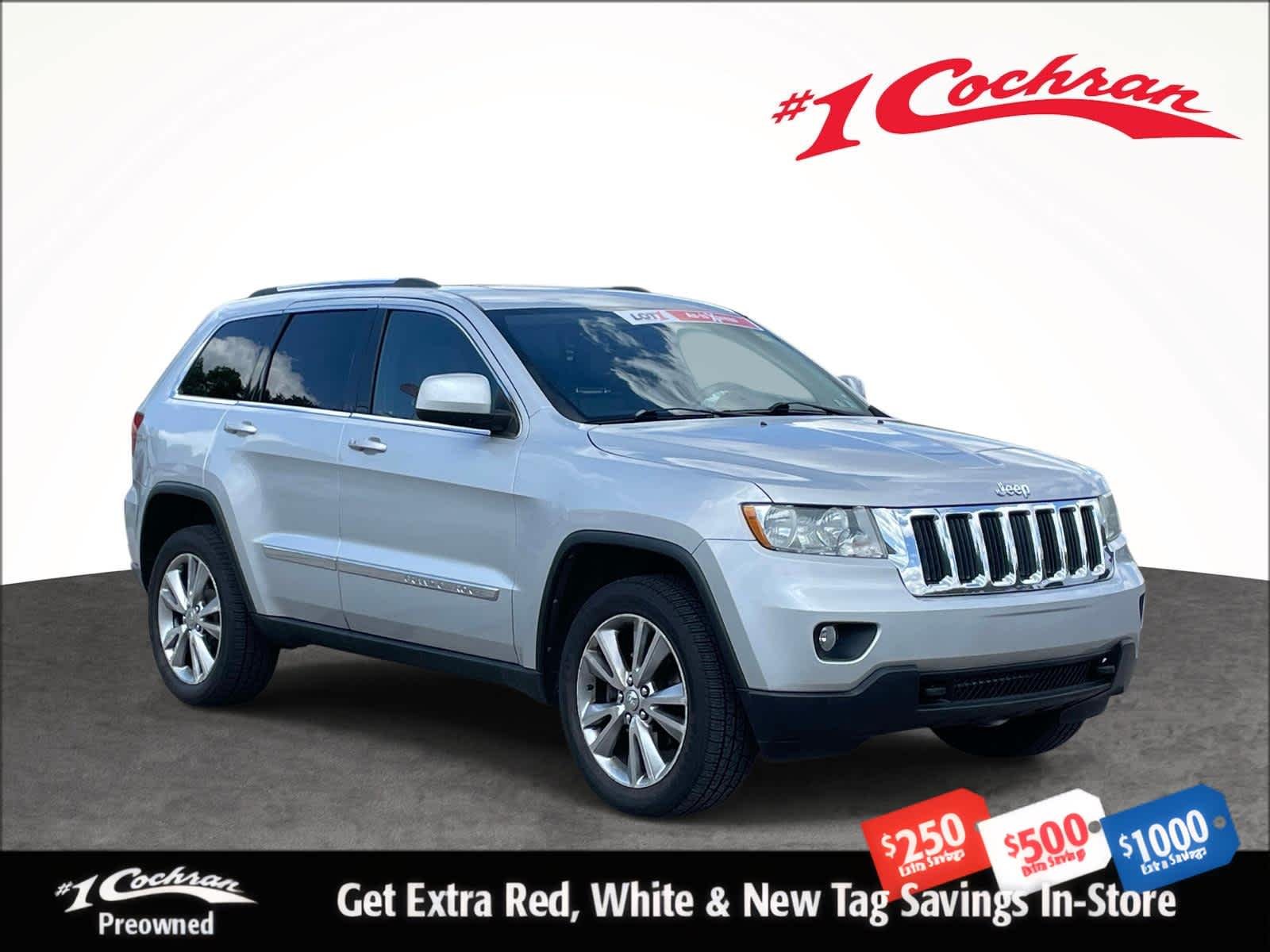
Cost Of Ownership Over Time
As your Jeep gets older, expect some repairs. Here’s a general timeline:
| Mileage | Typical Maintenance/Repairs | Estimated Cost (USD) |
|---|---|---|
| 0 – 60,000 | Oil, Tires, Brakes, Fluids | $1,500 – $2,500 |
| 60,000 – 120,000 | Transmission Service, Suspension Parts | $2,000 – $3,500 |
| 120,000 – 200,000 | Major Repairs (Transmission, Air Suspension) | $3,500 – $7,000 |
This does not include insurance, fuel, or unexpected repairs. Some Jeeps will cost less, but it’s wise to budget for higher repair costs as the vehicle ages.
Signs Your Grand Cherokee May Not Last Much Longer
Watch for these warning signs:
- Frequent breakdowns: If the SUV leaves you stranded often, it may be time to move on.
- Major leaks: Oil, transmission, or coolant leaks can signal expensive problems.
- Transmission slips: Delayed or harsh shifting usually means serious repair is needed.
- Rust: Advanced frame rust can be unsafe and hard to fix.
- Check engine light: If it stays on and repairs don’t help, underlying issues could be significant.
Non-obvious Tips For Maximizing Lifespan
Many owners miss these practical steps:
- Flush the cooling system every 3 years, not just when overheating happens. Old coolant can cause engine failure.
- Inspect the transfer case fluid (on 4WD models). This is often forgotten but crucial for the 4×4 system.
- Update software: Jeep released updates for the transmission and TIPM systems. Ask your mechanic or dealership to check for these.
- Use high-quality parts: Cheap replacement parts may save money now, but often fail early.
When Is It Time To Sell Or Trade In?
If repair costs reach half or more of the vehicle’s value, it’s usually smarter to sell. For example, if your 2013 Grand Cherokee is worth $6,000 and needs $3,500 in repairs, consider moving on.
Also, if you feel unsafe or can’t trust the SUV on long trips, replacement is the best choice.
Frequently Asked Questions
How Many Miles Can A 2013 Jeep Grand Cherokee Last?
Most 2013 Grand Cherokees last 150,000 to 200,000 miles with regular maintenance. Some reach 250,000 miles or more, but this is less common.
Is The 2013 Grand Cherokee Reliable?
It’s fairly reliable but not the best in its class. Transmission and electrical issues are the most common problems. Good maintenance helps a lot.
What Is The Most Expensive Repair On A 2013 Grand Cherokee?
The transmission and air suspension can be the most expensive to repair. Transmission rebuilds can cost $3,000 or more. Air suspension repairs can also add up quickly.
Does The 2013 Grand Cherokee Have A Timing Belt Or Chain?
The 2013 Grand Cherokee uses a timing chain in most engines, which usually lasts the life of the engine if oil is changed regularly.
Where Can I Find More Information About Jeep Reliability?
You can visit the Wikipedia page for the Jeep Grand Cherokee for more details and history.
If you take care of your 2013 Jeep Grand Cherokee, it can be a dependable vehicle for many years. Keep up with maintenance, watch for early warning signs, and you’ll get the most out of your SUV.