If you’re considering buying a Jeep or already own one, you might wonder: how long can Jeeps last? Many people love Jeeps for their tough build and off-road abilities, but they also worry about reliability and lifespan.
In this guide, you’ll learn what affects a Jeep’s longevity, how long different models last, common problems, and what you can do to make your Jeep last longer. We’ll use clear facts, examples, and practical advice so you can make smart decisions as a Jeep owner or buyer.
The Average Lifespan Of A Jeep
Most Jeeps, especially the Jeep Wrangler, are known for lasting a long time. On average, a well-maintained Jeep can last between 150,000 and 300,000 miles. That translates to about 10 to 20 years of use for most drivers. Some owners report their Jeeps reaching over 400,000 miles, but this is rare and usually requires careful care.
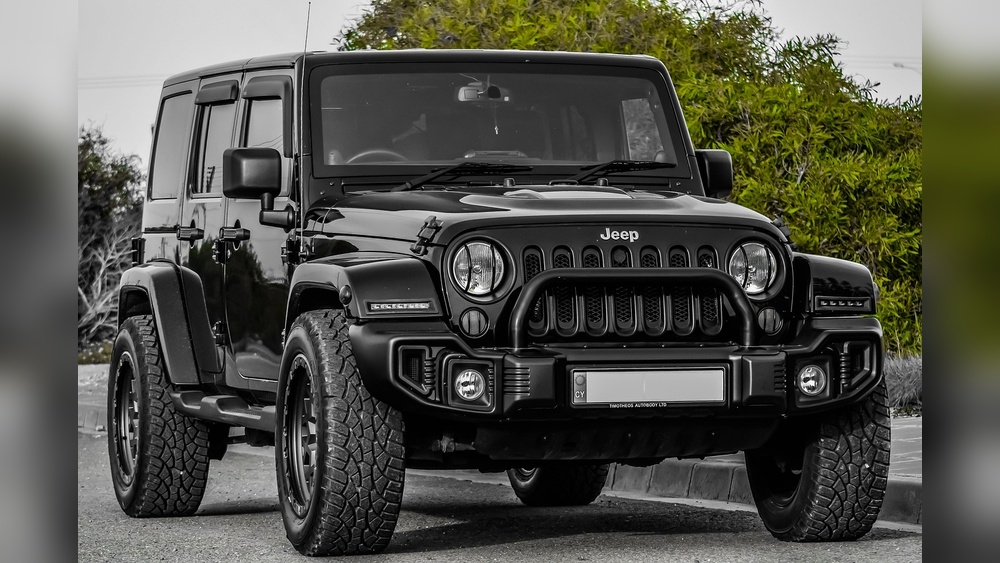
Here’s a quick look at typical Jeep lifespan:
| Jeep Model | Miles Expected | Years Expected |
|---|---|---|
| Wrangler | 200,000 to 300,000 | 15 to 20 |
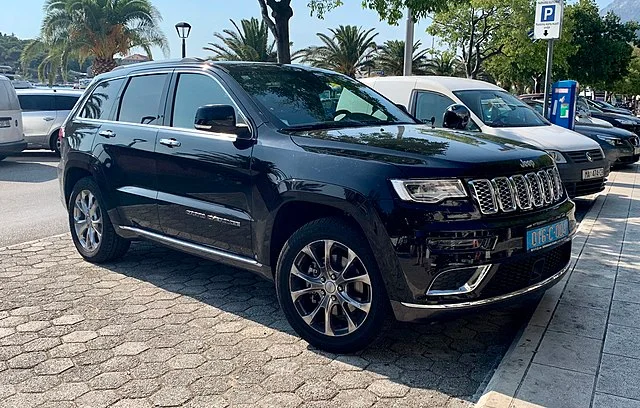
| Grand Cherokee | 150,000 to 250,000 | 10 to 17 |
| Compass | 120,000 to 200,000 | 8 to 14 |
| Renegade | 100,000 to 150,000 | 7 to 12 |
| Gladiator | 150,000 to 250,000 | 10 to 17 |
A Jeep’s actual lifespan depends on several factors, including maintenance, driving style, and environment.
What Affects Jeep Longevity?
Maintenance Habits
Regular maintenance is the number one factor. Owners who follow the schedule for oil changes, tire rotations, brake checks, and fluid replacements usually see their Jeeps last much longer.
- Change engine oil every 5,000 to 7,500 miles
- Replace air filters, brake pads, and coolant as recommended
- Fix small issues early to prevent bigger damage
Driving Conditions
Jeeps are built for rough terrain, but constant off-roading or harsh weather can wear them out faster. City driving or gentle highway miles are easier on the vehicle.
- Off-road use increases wear on suspension and drivetrain
- Salted roads (in snowy areas) can cause rust
Model And Year
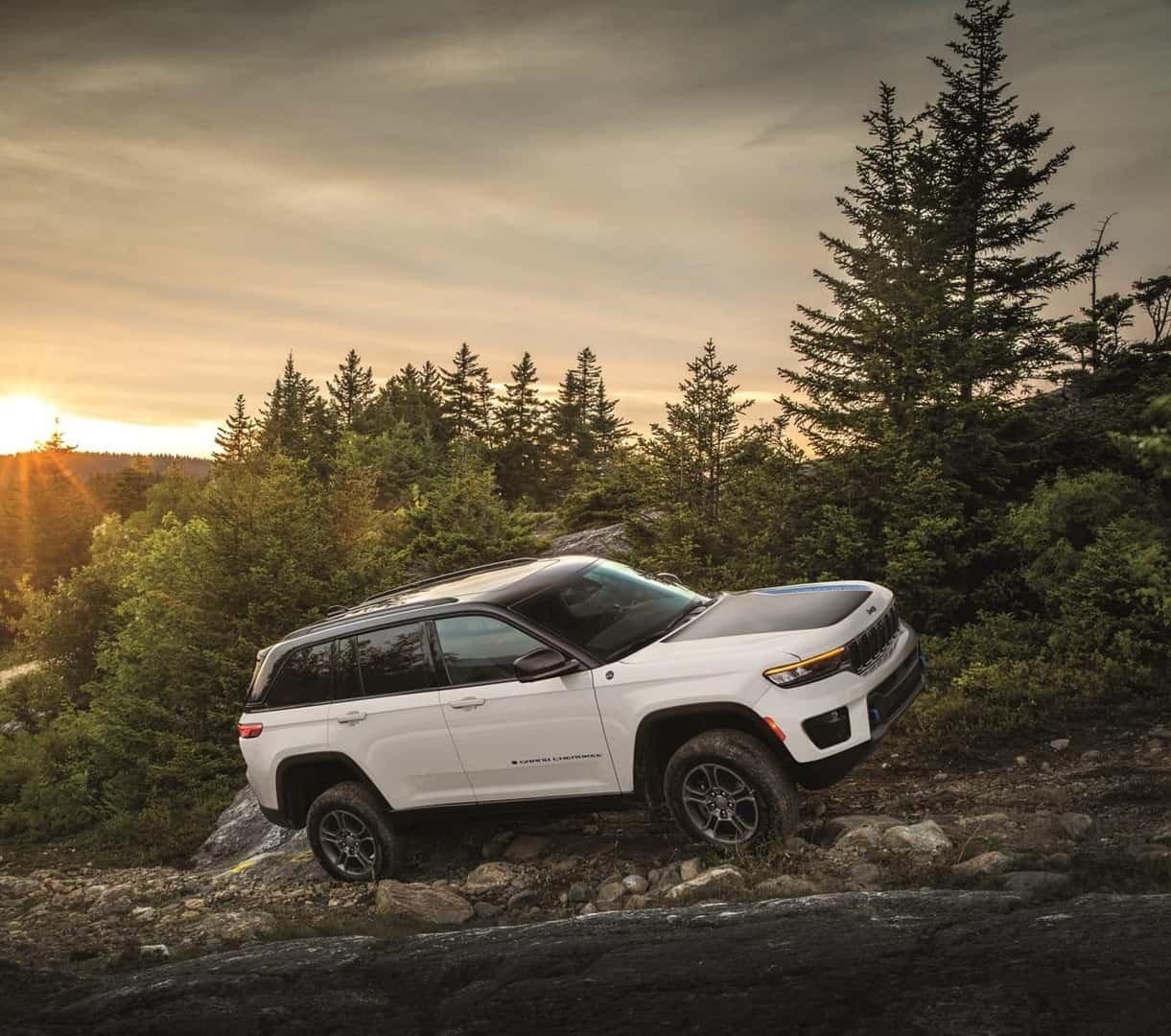
Some Jeep models are more reliable than others. For example, the Jeep Wrangler and Grand Cherokee have strong reputations for longevity. Newer models often have improved engines and fewer problems.
Quality Of Parts
Using genuine Jeep parts or high-quality replacements helps keep the vehicle running smoothly. Cheap or low-quality parts may lead to breakdowns.
Owner Care
Many long-lasting Jeeps belong to owners who pay attention to small changes, strange noises, or warning lights. Quick response prevents expensive repairs.
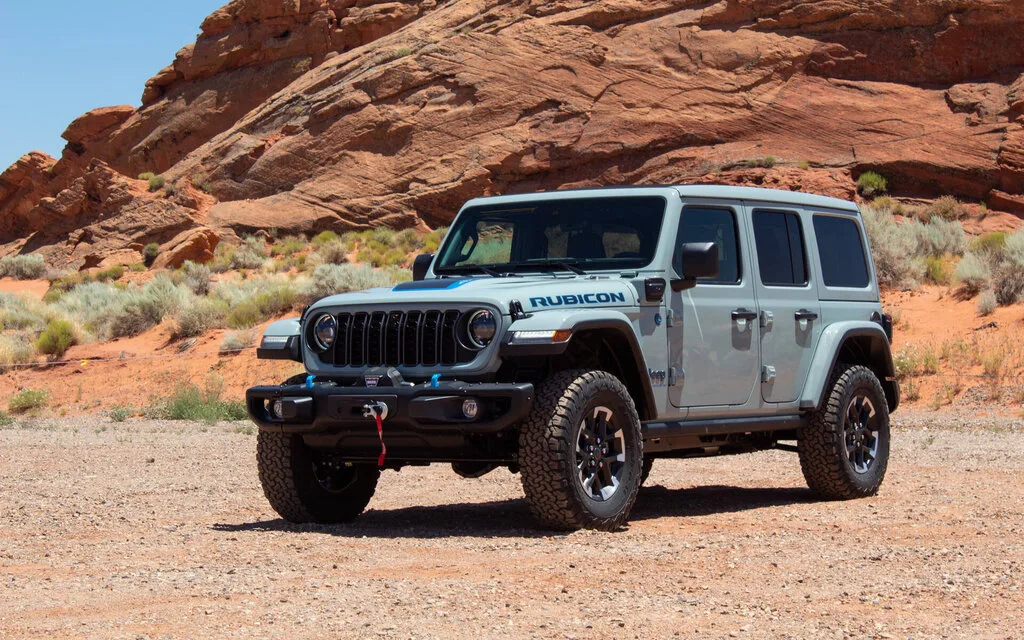
Pros And Cons Of Jeep Longevity
Jeeps can last a long time, but they aren’t perfect. Here are the main advantages and disadvantages:
Pros:
- Strong build quality for rough use
- High resale value if maintained well
- Simple mechanics in some models (easy DIY repairs)
- Long-lasting engines, especially in Wranglers
Cons:
- Some models have electrical or transmission issues
- Repairs can be expensive, especially for rare parts
- Older Jeeps are more likely to rust
- Fuel economy is often lower than other SUVs
Non-obvious insight: While Jeeps are built tough, their longevity depends more on consistent care than on the model itself. Owners who drive gently and follow maintenance schedules often see much longer lifespans than those who use Jeeps only for heavy off-roading.
Jeep Reliability Compared To Other Suvs
Jeeps are often compared with other popular SUVs like Toyota 4Runner, Ford Explorer, and Honda CR-V. Let’s see how Jeep stacks up:
| Brand/Model | Average Lifespan (Miles) | Reliability Rating |
|---|---|---|
| Jeep Wrangler | 200,000 to 300,000 | Above Average |
| Toyota 4Runner | 250,000 to 350,000 | Excellent |
| Honda CR-V | 200,000 to 300,000 | Excellent |
| Ford Explorer | 150,000 to 250,000 | Average |
| Chevrolet Tahoe | 200,000 to 300,000 | Above Average |
Jeep Wranglers are similar to Honda CR-Vs and Chevy Tahoes in lifespan, but Toyota 4Runner is known for lasting even longer. Jeeps tend to require more frequent repairs but are easier to fix for basic mechanical issues.
Common Problems Affecting Jeep Lifespan
All vehicles have weak spots. Jeeps are no different, and knowing these can help you avoid surprises.
Rust And Corrosion
Older Jeeps, especially those driven in snowy regions, often develop rust on the frame, suspension, and underbody. This is a major factor in ending a Jeep’s life.
Tip: Regular washing and undercoating can prevent rust.
Electrical Issues
Some models, like the Grand Cherokee, have frequent electrical problems. These can include faulty sensors, power windows, or dashboard lights.
Transmission Trouble
Transmission failures are more common in older Jeep models. Signs include slipping gears, rough shifts, or leaks.
Suspension Wear
Because Jeeps are often used off-road, their suspension parts can wear out faster. Replacing these is important to keep the ride safe.
Engine Cooling Problems
Certain Jeep models have cooling system issues, leading to overheating. Keeping an eye on coolant levels and radiator health is key.
Non-obvious insight: Problems like rust often affect Jeeps long before engine or transmission failures. Preventing corrosion can add years to your Jeep’s lifespan.
Practical Tips To Make Your Jeep Last Longer
If you want your Jeep to reach 200,000 miles or more, follow these real-world tips:
- Stick to the maintenance schedule: Use the owner’s manual as a guide.
- Use quality fluids and parts: Good oil, coolant, and filters protect the engine.
- Wash the underbody: Especially after driving on salt or mud.
- Avoid extreme off-roading: Save heavy trails for special trips, not daily use.
- Check for rust often: Catch it early before it spreads.
- Drive gently: Avoid sudden starts and stops.
- Listen for changes: Strange sounds or smells can warn of trouble.
- Store indoors if possible: Garage storage protects against weather.
Cost Of Owning And Maintaining A Long-lasting Jeep
Jeep ownership costs vary based on model, age, and how you drive. Here’s what to expect:
- Annual maintenance: $500, $1,200 (higher for older models)
- Major repairs: Transmission ($2,000, $4,000), engine ($3,000, $6,000), suspension ($500, $2,000)
- Rust repair: $300, $2,000, depending on damage
Insurance is usually moderate, but Jeeps used for off-roading may cost more.
Parts availability: Jeeps have a large aftermarket, so finding parts is easy, but genuine parts are pricier.
Resale value: Well-maintained Wranglers and Cherokees hold value better than most SUVs.
How Mileage And Age Impact Value
A Jeep’s value drops as it gets older or racks up more miles. But some models, like the Wrangler, keep value longer because buyers trust their reliability.
Let’s see how mileage affects value:
| Mileage | Wrangler Value (% of new) | Grand Cherokee Value (% of new) |
|---|---|---|
| 50,000 | 80% | 75% |
| 100,000 | 65% | 60% |
| 150,000 | 50% | 45% |
| 200,000 | 35% | 30% |
The Wrangler keeps value longer than the Grand Cherokee. This is because buyers believe Wranglers can last well past 150,000 miles.
Real Owner Stories: Jeeps That Last
Many Jeep owners share stories of their vehicles reaching high mileage with few problems. For example, a 2002 Jeep Wrangler owner in Colorado reported 320,000 miles with only regular maintenance and minor repairs. Another Grand Cherokee owner in Texas hit 260,000 miles after 18 years, but faced two major repairs: transmission and radiator.
Important lesson: Owners who respond quickly to issues and keep up with maintenance often see their Jeeps last longer than expected.
When Is It Time To Replace Your Jeep?
Even the toughest Jeep reaches the end of its life. Signs it’s time to move on include:
- Frame rust that can’t be safely repaired
- Engine or transmission failure that costs more than the vehicle’s value
- Frequent breakdowns causing safety risks
- Electrical failure making the vehicle unreliable
If repairs cost more than the Jeep is worth, or safety is at risk, it’s time to consider replacement.
Should You Buy A High-mileage Jeep?
Buying a used Jeep with high miles can be a good deal, but only if it’s been maintained. Always check:
- Service records
- Rust and corrosion
- Engine and transmission health
- Suspension and brakes
A well-cared-for Jeep with 120,000 150,000 miles can last many more years. Avoid Jeeps with hidden damage or poor maintenance history.
Is A Jeep Right For You?
Jeeps are best for people who enjoy adventure and don't mind regular maintenance. If you want a vehicle that lasts, be ready to invest time and money in care.
For city driving and low maintenance, consider other brands.
If you’re looking for official data and more details on Jeep reliability, check the Consumer Reports Jeep page.
<!– wp:rank-math/faq-block {"questions":[{"id":"faq-question-5c1e2c8a67ee","title":"How Many Miles Do Jeeps Usually Last?","content":"
Most Jeeps last 150,000 to 300,000 miles with regular maintenance. Some owners reach even higher mileage with careful care.
“,”visible”:true},{“id”:”faq-question-1795baf065fe”,”title”:”What Is The Most Reliable Jeep Model?”,”content”:”The Jeep Wrangler is often seen as the most reliable, especially for off-road use and simple repairs. Grand Cherokee is also popular for its comfort and strong engine.
“,”visible”:true},{“id”:”faq-question-adb0f8bebda7″,”title”:”How Can I Make My Jeep Last Longer?”,”content”:”Follow the maintenance schedule, use quality parts, check for rust, and avoid extreme off-roading. Store your Jeep indoors and listen for changes.
“,”visible”:true},{“id”:”faq-question-92fafff0f149″,”title”:”Are Older Jeeps Better Than New Ones?”,”content”:”Older Jeeps often have simpler mechanics, making repairs easier. New models have improved engines and features but can be more complex and costly to fix.
“,”visible”:true},{“id”:”faq-question-86d18d937843″,”title”:”Is It Worth Buying A Jeep With Over 100,000 Miles?”,”content”:”If the Jeep has been well maintained, buying with over 100,000 miles can be a good choice. Always check service history, rust, and major components before buying.
“,”visible”:true}]} –>How Many Miles Do Jeeps Usually Last?
Most Jeeps last 150,000 to 300,000 miles with regular maintenance. Some owners reach even higher mileage with careful care.
What Is The Most Reliable Jeep Model?
The Jeep Wrangler is often seen as the most reliable, especially for off-road use and simple repairs. Grand Cherokee is also popular for its comfort and strong engine.
How Can I Make My Jeep Last Longer?
Follow the maintenance schedule, use quality parts, check for rust, and avoid extreme off-roading. Store your Jeep indoors and listen for changes.
Are Older Jeeps Better Than New Ones?
Older Jeeps often have simpler mechanics, making repairs easier. New models have improved engines and features but can be more complex and costly to fix.
Is It Worth Buying A Jeep With Over 100,000 Miles?
If the Jeep has been well maintained, buying with over 100,000 miles can be a good choice. Always check service history, rust, and major components before buying.
Meta Title
How Long Can Jeeps Last? Real Lifespan, Costs, and Owner Tips
Meta Description
Wondering how long Jeeps last? Learn average mileage, lifespan by model, common problems, real owner stories, maintenance tips, and costs.
Get expert advice to make your Jeep last longer.