Buying a vehicle is a big decision, especially if you want it to last many years. The Jeep Grand Cherokee is a popular SUV known for its strong build and off-road ability.
But how long can Jeep Grand Cherokees last? Many buyers wonder about the lifespan, reliability, and what affects the longevity of this model.
you’ll find clear answers, real data, and helpful tips. Whether you own a Grand Cherokee or plan to buy one, you’ll learn what to expect, how to maintain it, and what factors matter most.
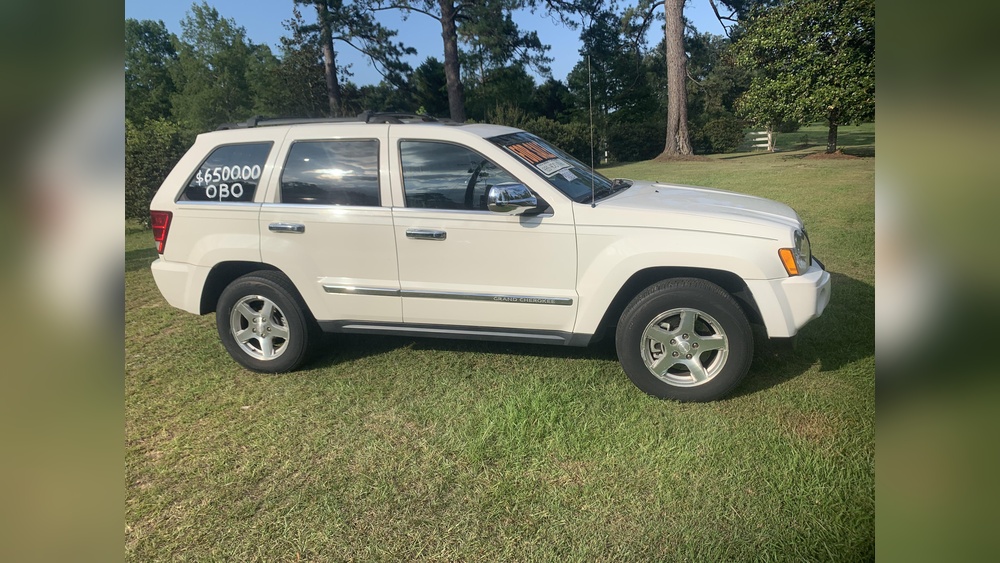
Read on for honest information about the Jeep Grand Cherokee's durability.
Jeep Grand Cherokee Lifespan: What The Numbers Say
Most Jeep Grand Cherokees are built to last a long time. Many owners report their SUV reaching high mileage without major issues. On average, a Jeep Grand Cherokee can last between 150,000 and 250,000 miles. Some well-maintained models even go beyond 300,000 miles.
Here’s a quick look at typical mileage ranges:
| Mileage | Condition | Chance of Major Repairs |
|---|---|---|
| 0-100,000 | Excellent | Low |
| 100,000-150,000 | Good | Moderate |
| 150,000-250,000 | Fair | Higher |
| 250,000+ | Variable | High |
Key insight: The Jeep Grand Cherokee’s lifespan depends on maintenance, driving habits, and model year. Regular care and smart driving can help you reach the higher end of these numbers. In fact, some owners in online communities report their vehicles still running smoothly at 15 to 20 years old, which is impressive for any SUV.
It’s also important to remember that “major repairs” does not always mean the end of a vehicle’s life. Many owners choose to invest in new transmissions or engines if the body and frame are still solid.
This is one reason the Grand Cherokee is a favorite for people who want a long-lasting SUV.
Factors Affecting Jeep Grand Cherokee Longevity
Maintenance
Routine maintenance is the most important factor. Simple tasks like oil changes, brake checks, and fluid replacements keep the engine and transmission healthy. Skipping maintenance is one of the main reasons why some Grand Cherokees fail early.
Common maintenance items:
- Engine oil and filter
- Transmission fluid
- Brake pads and rotors
- Coolant
- Tire rotation
Don’t overlook smaller items like windshield wipers, battery checks, and air conditioning service. These may not stop your SUV, but they affect comfort and safety.
Also, using the correct type and grade of oil is essential some engines need synthetic oil, especially in colder climates.
Driving Habits
How you drive matters. Aggressive driving, towing heavy loads often, or frequent off-roading can stress parts and shorten the vehicle's life.
Calm, careful driving helps the Grand Cherokee last longer.
Even regular city driving with lots of stop-and-go traffic wears down brakes and transmissions faster. If you tow trailers or drive in mountains, the engine and transmission work harder.
Some owners use their Grand Cherokee for off-road adventures, which it handles well, but extra maintenance is needed after tough trips like checking suspension and cleaning the undercarriage.
Climate And Environment
Weather plays a role. If you live where roads are salted in winter, rust can be a problem. Regular cleaning and undercoating help protect the frame. Hot climates can strain cooling systems, so check coolant levels often.
Salt and moisture can get into hidden areas, causing rust that you may not see right away. Owners in coastal regions also need to watch for corrosion.
In very dry climates, rubber parts like hoses and bushings can crack faster, so regular inspections are smart.
Model Year And Engine Type
Some years are more reliable than others. Older Grand Cherokees (1999 2010) are known for their durability but may lack modern safety features.
Newer models (2011 present) have better technology but sometimes face electrical or software issues.
Engine choice: The V6 is usually more reliable and cheaper to maintain than the V8 or diesel options. For example, the 3.6L Pentastar V6 engine (common in recent years) has a solid reputation, while early diesel models sometimes had more expensive problems.
| Model Year | Engine Type | Known Issues |
|---|---|---|
| 1999 to 2010 | V6, V8 | Minor electrical, cooling |
| 2011 to 2020 | V6, V8, Diesel | Transmission, electronics |
| 2021, present | V6, V8, Hybrid | Software, recalls |
Non-obvious tip: When shopping used, check for recalls and service records. A well-documented history usually means a longer-lasting SUV. Many dealerships or Jeep service centers can provide a vehicle history report upon request.
Real-life Examples: How Long Owners Keep Their Grand Cherokees
Many Jeep Grand Cherokee owners share their experiences online and in forums. Some report reaching 200,000 miles with only minor repairs. Others have crossed 250,000 miles, especially those who follow strict maintenance schedules.
Example: One owner from Michigan drove his 2004 Grand Cherokee to 275,000 miles before selling it. He credits regular oil changes and replacing worn parts early.
Another owner in Arizona kept his 2012 Grand Cherokee running past 225,000 miles. His advice is to "never ignore warning lights and address suspension noises early.
" He also suggests that regular transmission fluid changes made a big difference.
Another insight: Some owners regret skipping maintenance, especially transmission fluid changes. This leads to costly repairs much sooner. If you plan to buy used, ask the owner when the last transmission service was done, this single detail can save you thousands.
Even taxi companies and ride-sharing drivers sometimes use Grand Cherokees, and these vehicles often reach high mileage with proper care. Their experience shows that the model can survive tough use if looked after.
Pros And Cons Of Jeep Grand Cherokee Longevity
Pros
- Strong build quality: Designed for tough roads and long trips.
- Good resale value: High-mileage Grand Cherokees hold value if maintained well.
- Comfort: Even older models offer comfort and space.
Grand Cherokee’s reputation for off-road capability also means the suspension and frame are stronger than some lighter SUVs. This can help the vehicle last longer on rough roads.
Cons
- Repair costs: As mileage increases, repairs become more frequent and expensive.
- Rust issues: In cold climates, rust can shorten the SUV’s life.
- Electronics: Newer models may have software glitches that require dealer fixes.
Repairs like air suspension or 4×4 system parts can cost more than on simpler SUVs. Some V8 engines may also use more fuel and need more frequent maintenance.
Non-obvious insight: Buying a Grand Cherokee with fewer owners is often better. Multiple owners may mean skipped maintenance or rough use. The more owners, the harder it is to track service history, and small problems may be ignored.
Cost Of Ownership And Repair Over Time
Keeping a Jeep Grand Cherokee on the road costs more as it ages. Typical yearly maintenance for an older Grand Cherokee is about $600, $1,200. If you reach higher mileage, parts like the transmission, suspension, or engine may need replacement.
Common repairs after 150,000 miles:
- Water pump: $500, $900
- Suspension bushings: $300, $600
- Transmission service: $1,500, $3,000
Unexpected repairs can also pop up, such as a failing electronic sensor or air conditioning compressor. Some owners recommend setting aside an “emergency fund” for these events.
| Mileage | Estimated Annual Maintenance Cost |
|---|---|
| 0 to 100,000 | $400, $700 |
| 100,000 to 150,000 | $600, $900 |
| 150,000 to 250,000 | $900, $1,200 |
| 250,000+ | $1,200+ |
Helpful tip: Set aside a small yearly budget for repairs. This reduces stress when big repairs are needed. Also, consider that insurance costs may drop as the vehicle ages, but parts and labor can rise, especially if you use a dealership for repairs.
How To Make Your Jeep Grand Cherokee Last Longer
Regular Maintenance
- Follow the manufacturer’s service schedule.
- Change oil every 5,000 to 7,500 miles.
- Replace air filters, spark plugs, and brake fluid as recommended.
Don’t forget to check belts and hoses at least once a year, especially on older vehicles. Keeping tires properly inflated also reduces wear on the suspension.
Address Problems Early
- Fix minor leaks or noises right away.
- Ignoring problems makes them worse and more expensive.
For example, a small oil leak can lead to low oil and engine damage if ignored. A worn suspension bushing can cause uneven tire wear or steering problems.
Protect Against Rust
- Wash your SUV regularly, especially after winter driving.
- Apply undercoating if you live in a snowy area.
Pay attention to the wheel wells, underbody, and door sills these are the most common rust spots. Rust protection sprays are available and can help extend life, especially in northern states.
Drive Smoothly
- Avoid sudden acceleration and heavy braking.
- Don’t overload or tow more than recommended.
Using cruise control on highways and planning your stops can also reduce stress on the engine and brakes. If you do tow often, install a transmission cooler for added protection.
Use Quality Parts
- Choose genuine or high-quality aftermarket parts for repairs.
- Cheap parts can cause bigger issues.
For example, low-quality brake pads can wear out faster and damage rotors. Using original parts is often worth the extra cost for critical items like sensors and engine components.
Experienced advice: Record all maintenance and repairs. This helps with resale and shows future buyers the SUV was cared for. Some owners keep a logbook or use smartphone apps to track service.
Buying Used: What To Look For In A High-mileage Grand Cherokee
If you’re shopping for a used Jeep Grand Cherokee, especially one with high miles, be careful. tips:
- Ask for maintenance records. A well-kept SUV is worth more.
- Check for rust, especially under the doors and wheel wells.
- Test all electronics and safety features.
- Look for signs of leaks under the SUV.
- Have a trusted mechanic inspect before buying.
It's also wise to check the condition of the tires and brakes uneven wear can mean suspension issues. Listen for odd noises during a test drive, especially when turning or braking.
Make sure all 4×4 or terrain-select systems work as they should.
Common mistake: Many buyers skip the inspection. This can lead to expensive surprises. Even if you pay $100 for a mechanic’s review, it can save you thousands in repairs later.
Jeep Grand Cherokee Compared To Other Suvs
How Does The Grand Cherokee’s Lifespan Compare To Similar Suvs?
- Toyota 4Runner: Often lasts 200,000 to 300,000 miles, known for reliability.
- Ford Explorer: Lasts about 150,000 to 200,000 miles, but may need more repairs.
- Honda Pilot: Reliable up to 200,000+ miles with maintenance.
The Grand Cherokee holds its own, especially if maintained well. Some models are not as reliable as Toyota, but offer better comfort and off-road ability.
Another detail: Grand Cherokee parts are generally easier to find in North America than for some imported SUVs, which can make repairs faster and sometimes cheaper. However, Toyota and Honda models often have lower repair frequencies, so consider your priorities, off-road power, comfort, or minimum repairs.
External resource: For more data on SUV longevity, visit Consumer Reports.
<!– wp:rank-math/faq-block {"questions":[{"id":"faq-question-3b12b9a3ca19","title":"How Many Miles Can A Jeep Grand Cherokee Last?","content":"
Most Jeep Grand Cherokees last 150,000 to 250,000 miles with regular maintenance. Some reach 300,000 miles or more, but this is less common.
“,”visible”:true},{“id”:”faq-question-c0fb9b558d19″,”title”:”What Is The Most Reliable Jeep Grand Cherokee Year?”,”content”:”Many owners recommend 2011 to 2013 and 2004 to 2008 for reliability. These years have fewer major issues, but it’s important to check each used vehicle’s history.
“,”visible”:true},{“id”:”faq-question-c43f2c567938″,”title”:”Are Jeep Grand Cherokees Expensive To Maintain?”,”content”:”Maintenance costs are average for an SUV but can get expensive after 150,000 miles. Regular care helps avoid big repairs.
“,”visible”:true},{“id”:”faq-question-a4c68af14dad”,”title”:”Is A High-mileage Jeep Grand Cherokee Worth Buying?”,”content”:”Yes, if it has a good service history and passes inspection. Avoid models with signs of neglect, rust, or major repairs.
“,”visible”:true},{“id”:”faq-question-f7204dea7d1f”,”title”:”How Can I Make My Jeep Grand Cherokee Last Longer?”,”content”:”Follow the service schedule, fix issues early, protect against rust, drive gently, and use quality parts. Keeping records also helps.
“,”visible”:true}]} –>How Many Miles Can A Jeep Grand Cherokee Last?
Most Jeep Grand Cherokees last 150,000 to 250,000 miles with regular maintenance. Some reach 300,000 miles or more, but this is less common.
What Is The Most Reliable Jeep Grand Cherokee Year?
Many owners recommend 2011 to 2013 and 2004 to 2008 for reliability. These years have fewer major issues, but it’s important to check each used vehicle’s history.
Are Jeep Grand Cherokees Expensive To Maintain?
Maintenance costs are average for an SUV but can get expensive after 150,000 miles. Regular care helps avoid big repairs.
Is A High-mileage Jeep Grand Cherokee Worth Buying?
Yes, if it has a good service history and passes inspection. Avoid models with signs of neglect, rust, or major repairs.
How Can I Make My Jeep Grand Cherokee Last Longer?
Follow the service schedule, fix issues early, protect against rust, drive gently, and use quality parts. Keeping records also helps.
Meta Title
How Long Can Jeep Grand Cherokees Last: Lifespan, Reliability & Tips
Meta Description
Discover how long Jeep Grand Cherokees last. Get real numbers, owner stories, maintenance tips, pros and cons, and buying advice for reliable SUV ownership.



















