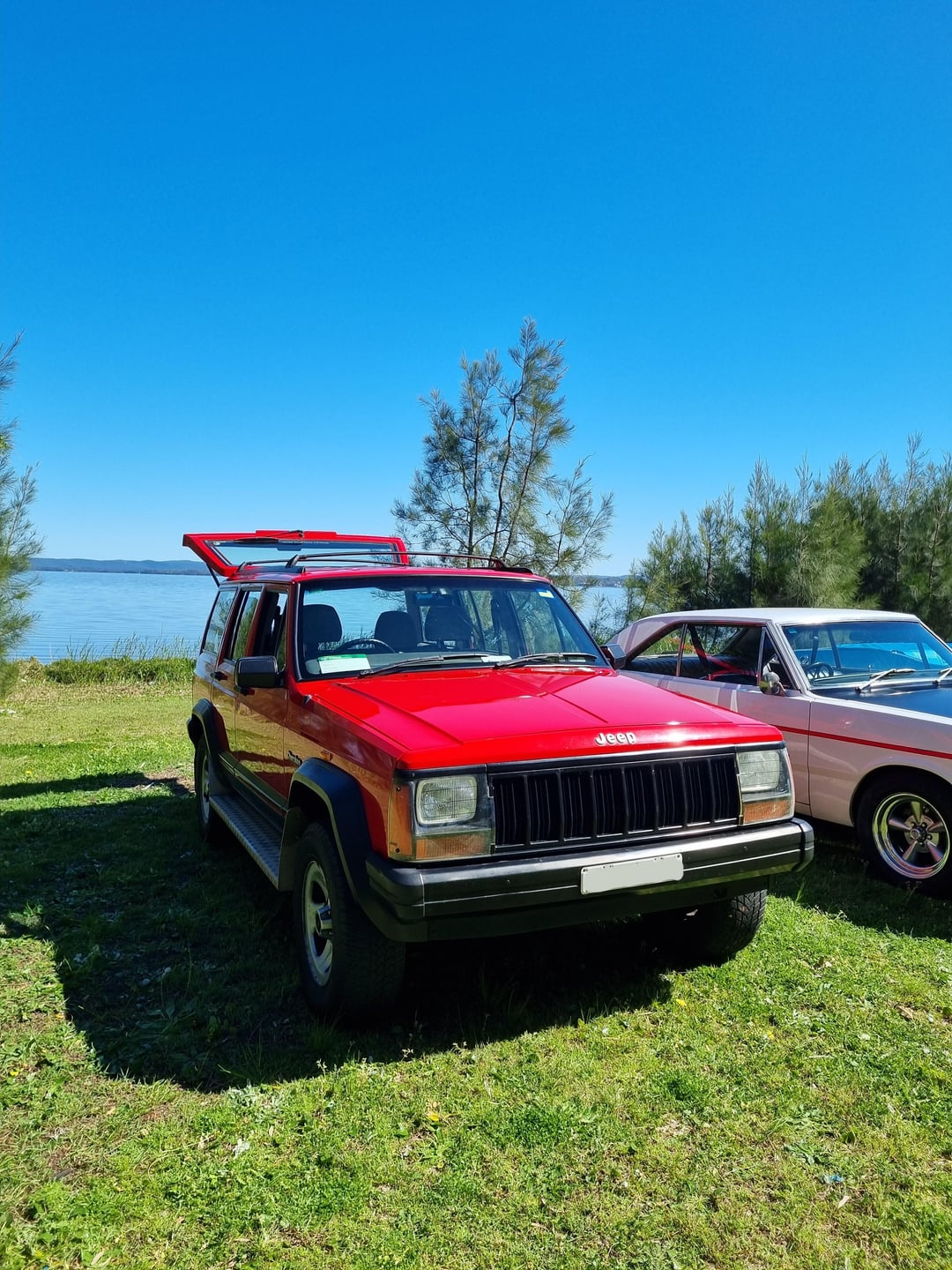
Thinking about lifting your Jeep? It’s a big decision.
The height you choose changes how your Jeep looks, drives, and handles off-road. Many people dream of a tall, tough ride, but the right lift depends on your needs.
Whether you want to tackle rocky trails or just improve your Jeep’s style, knowing how high to lift is important.
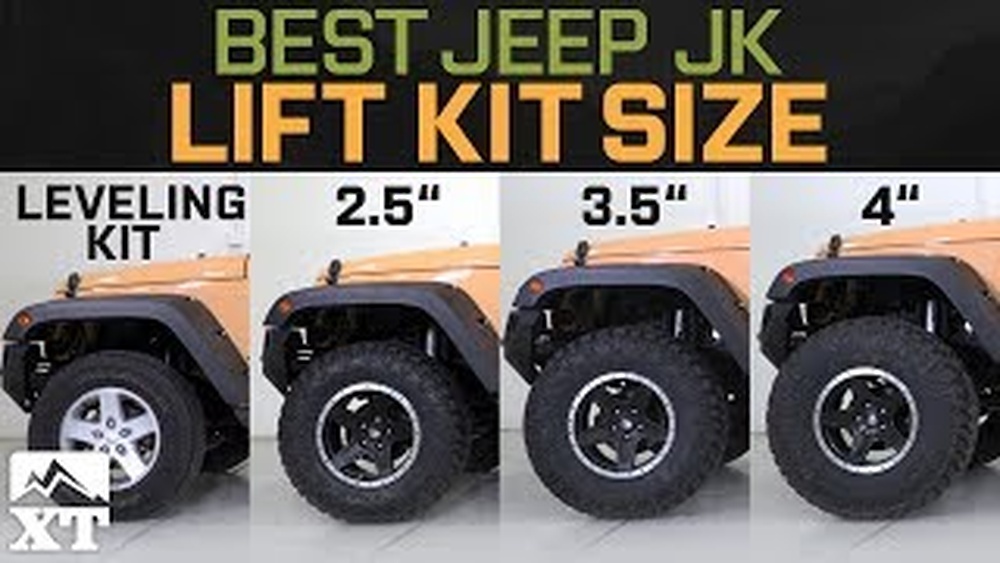
Let’s break down the facts so you can make a smart choice.
What Does Lifting A Jeep Mean?
When you lift a Jeep, you raise its body or suspension. This makes room for larger tires and increases ground clearance. There are two main types:
- Suspension lift: Raises the actual suspension, improving off-road ability.
- Body lift: Lifts the body away from the frame, usually for bigger tires.
Suspension lifts are more popular because they boost performance. Body lifts are cheaper but don’t help as much off-road.
Choosing The Right Lift Height
Picking the right lift height is not just about looks. It affects safety, cost, and performance. Here’s what to consider:
| Lift Height | Best For | Common Tire Size |
|---|---|---|
| 1-2 inches | Daily driving, mild off-road | 30-32 inches |
| 2-4 inches | Moderate trails, mixed use | 33-35 inches |
| 4+ inches | Heavy off-road | 35+ inches |
- 1-2 Inches: Good for most people. Easy to install. Keeps ride comfortable and safe. Best if you drive your Jeep daily and want a simple upgrade.
- 2-4 Inches: Gives a strong off-road boost. You can fit bigger tires. Handling changes more, and you may need extra parts like track bars or driveshafts.
- 4+ Inches: For serious off-roaders only. Expensive, complex, and can make daily driving harder. Needs major upgrades to steering and brakes.

How Lift Height Impacts Your Jeep
Lifting your Jeep changes several things:
- Center of gravity: Higher means more likely to tip.
- Steering and handling: Too much lift can make your Jeep unstable.
- Wear and tear: Bigger lifts stress parts like the driveshaft and suspension.
- Legal limits: Some states limit lift height for safety.
Here’s a quick look at how lift height affects performance:
| Lift Height | Ride Comfort | Stability | Maintenance |
|---|---|---|---|
| 1-2 inches | High | High | Low |
| 2-4 inches | Medium | Medium | Medium |
| 4+ inches | Low | Low | High |
Common Mistakes When Lifting A Jeep
It’s easy to get excited and make mistakes. Here are things beginners often miss:
- Ignoring extra parts: Higher lifts need new shocks, brake lines, and driveshafts. Not adding them can damage your Jeep.
- Not checking local laws: Some areas limit lift height. Driving an illegal Jeep risks fines.
- Choosing style over function: A tall Jeep looks cool, but it may not fit your driving needs.
Many people also forget to recalibrate speedometers after changing tire size, leading to wrong speed readings.
Real-life Examples
Let’s see how different lift heights work for real Jeep owners:
- Mike lifts his Jeep 2 inches. He drives it every day and goes off-road on weekends. His Jeep stays comfortable and reliable.
- Sarah lifts hers 4 inches. She loves tough trails and big rocks. Her Jeep needs new driveshafts and bigger brakes, but she handles tough terrain easily.
- Tom lifts his Jeep 6 inches. He only uses it for rock crawling. It’s not safe for highways, and repairs are expensive.
Data from off-road forums shows most Jeep owners lift between 2-3 inches. This gives good ground clearance and keeps the Jeep easy to drive.
Cost Breakdown
Lifting a Jeep costs more than just buying a kit. Here’s what you might spend:
| Lift Height | Kit Price (USD) | Installation (USD) | Extra Parts (USD) | Total (USD) |
|---|---|---|---|---|
| 1-2 inches | $300-$600 | $300-$500 | $100-$200 | $700-$1,300 |
| 2-4 inches | $600-$1,500 | $500-$1,000 | $300-$700 | $1,400-$3,200 |
| 4+ inches | $1,500-$3,000 | $1,000-$2,000 | $700-$2,000 | $3,200-$7,000 |
Prices depend on your Jeep model and local shops. Always ask for quotes before starting.
Practical Tips For Choosing Your Lift
- Decide how you use your Jeep: Daily driving, off-road, or both.
- Measure your garage: Tall Jeeps may not fit.
- Ask about insurance: Some companies charge more for lifted vehicles.
- Talk to experienced Jeep owners for advice.
A non-obvious tip: check your Jeep’s gear ratio before lifting. Larger tires can make your Jeep slow unless you re-gear.
Another overlooked detail: After a lift, check alignment. Bad alignment wears out tires fast.
Frequently Asked Questions
How High Can I Legally Lift My Jeep?
Lift laws vary by state. Many states limit bumper height or headlight height. Check your state’s rules before lifting. For a quick overview, visit the National Highway Traffic Safety Administration.
Does Lifting A Jeep Affect Gas Mileage?
Yes, bigger lifts and tires usually reduce gas mileage. Your Jeep needs more power to turn large tires, and aerodynamic drag increases.
Can I Install A Lift Kit Myself?
Small lifts (1-2 inches) are easier to install at home. Bigger lifts need special tools and knowledge. If you’re unsure, use a professional shop.
Will A Lift Kit Void My Warranty?
Some lifts can void part of your factory warranty, especially suspension and drivetrain. Always check with your dealer before installing.
What’s The Best Lift Height For Off-road?
Most off-road drivers use 2-4 inch lifts. This clears rocks and mud but keeps handling safe. Only go higher if you drive extreme trails.
Choosing how high to lift your Jeep is not just about style. It’s about safety, performance, and cost.
Start with a small lift if you’re new. Talk to experts, check your local laws, and make sure your Jeep stays reliable.
With the right height, your Jeep will be ready for both adventure and daily drives.