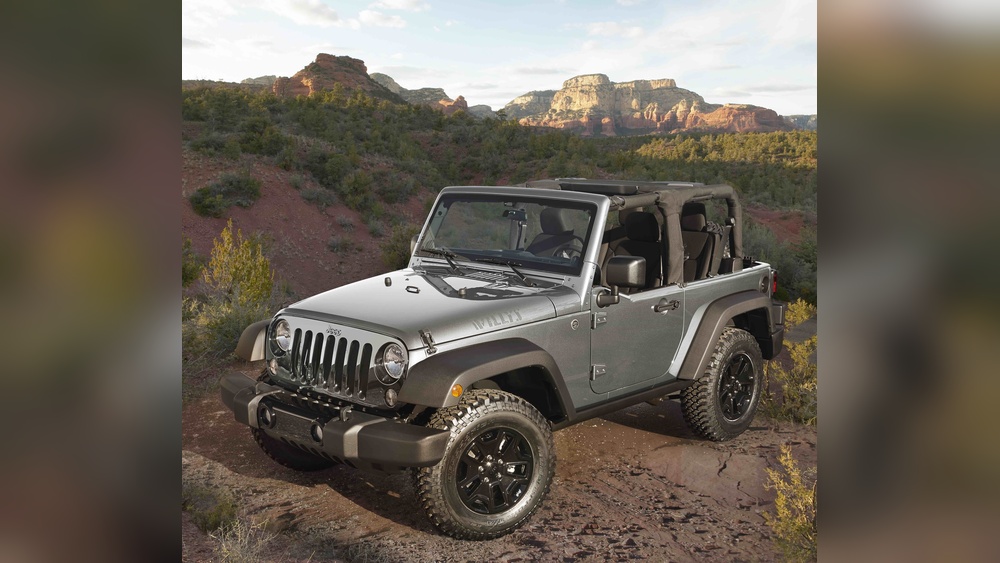
Regearing a Jeep is a big project for many owners. You may hear advice online about changing gear ratios for bigger tires or better towing.
But how hard is it really to regear a Jeep? Is it a job you can do at home, or should you hire a professional?
Let’s break down the difficulty, cost, and what you need to know before starting.
Why Regear A Jeep?
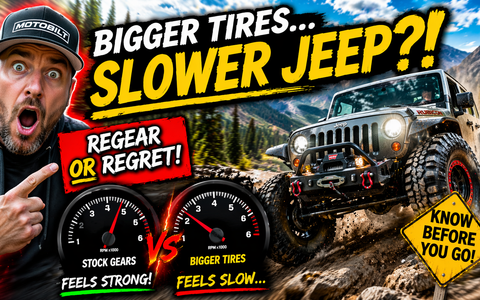
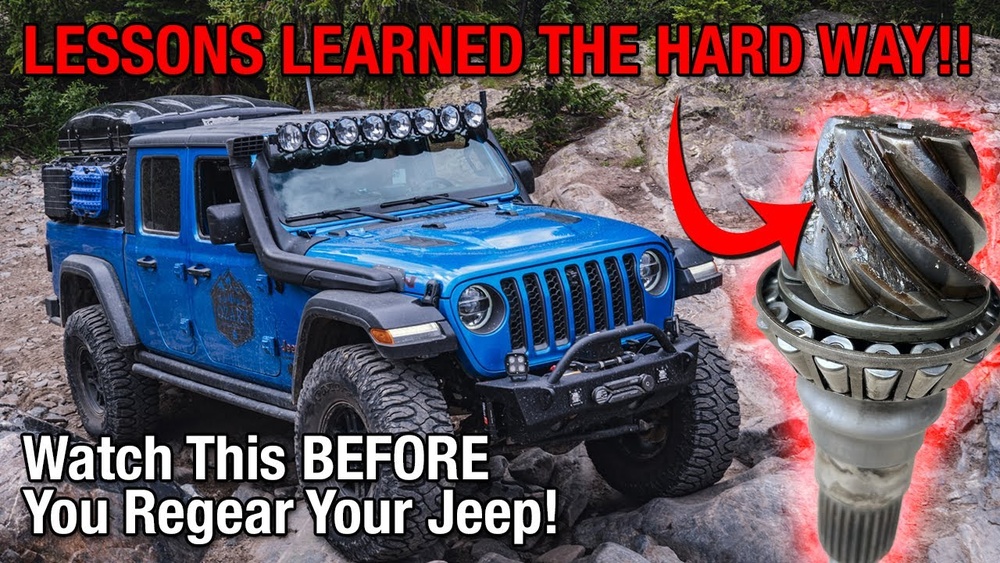
When you install larger tires or carry heavy loads, your Jeep’s factory gears may struggle. The engine works harder, fuel efficiency drops, and performance suffers. Regearing means swapping the ring and pinion gears in the axles for a different ratio. This lets your Jeep keep power and efficiency with bigger tires or heavy loads.
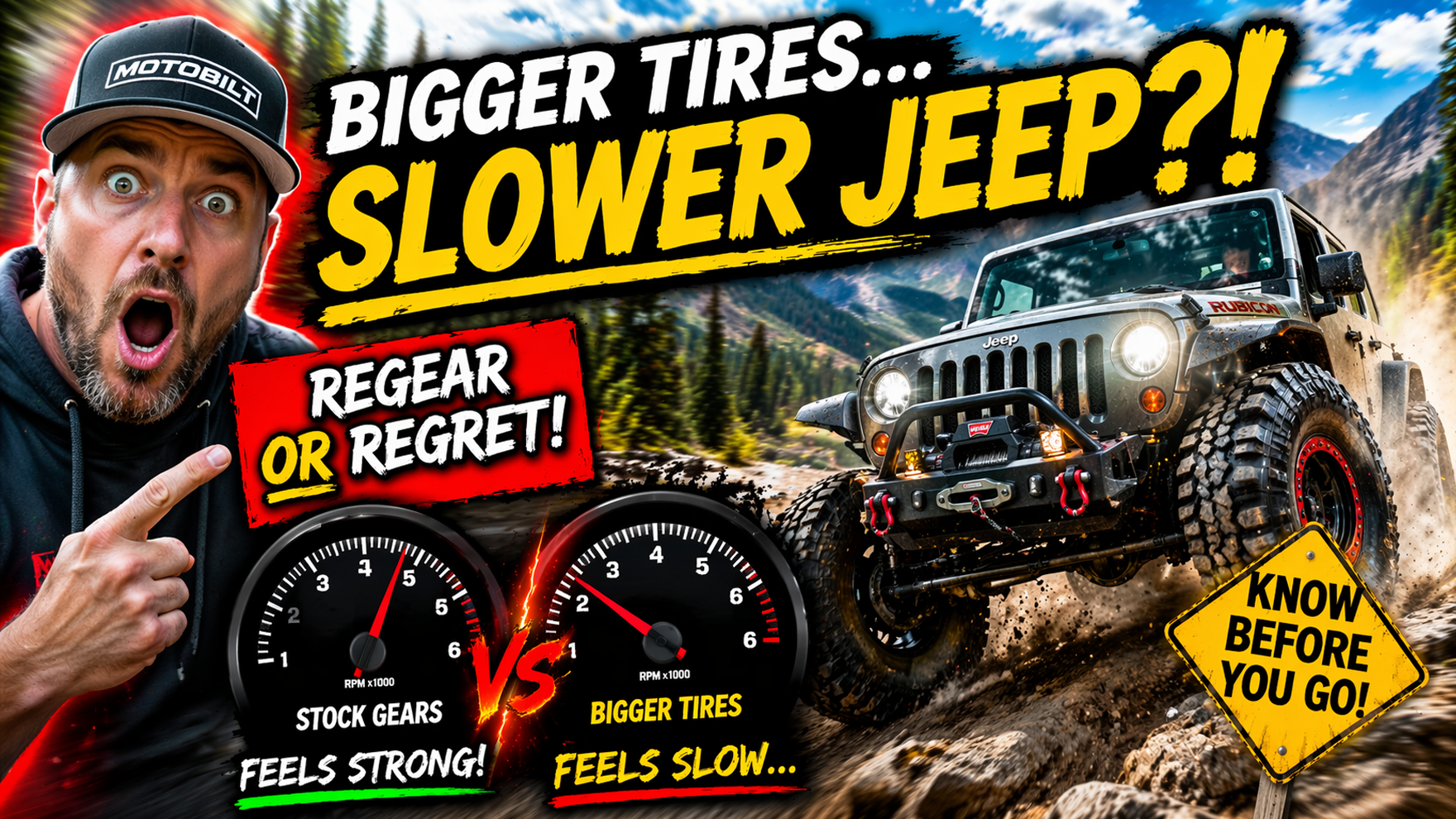
For example, if your Jeep comes with 3. 73 gears and you install 35-inch tires, you might need to switch to 4.
56 or 4. 88 gears.
This restores lost power and improves highway driving. Many Jeep owners report a smoother ride and better throttle response after regearing.
How Difficult Is Regearing?
Regearing is not a simple bolt-on task. It requires special tools, mechanical skill, and patience. Here’s what makes it challenging:
- You must remove the axle shafts, differential cover, and sometimes the carrier.
- Setting up the new gears involves precise measurements. You must check gear tooth contact (pattern), backlash, and bearing preload.
- Mistakes can lead to loud noises, gear failure, or even axle damage.
Most mechanics rate regearing as a high-difficulty job. Unless you have experience with differentials and access to all tools, it’s better to hire a specialist.
Tools And Equipment Needed
- Dial indicator for measuring backlash
- Torque wrench
- Bearing puller/press
- Gear marking compound
- Complete gear set (ring and pinion, bearings, seals, shims)
- Shop manual for your Jeep model
Skills Required
- Understanding of differential operation
- Ability to read gear patterns
- Confidence in using precision tools
Many beginners miss that gear setup needs more than just “tightening bolts. ” The gears must mesh perfectly.
Even a small error can cause problems after a few miles.
Time And Cost Breakdown
The time and cost for regearing depend on your Jeep model, axle type, and whether you do it yourself or hire a shop.
| Jeep Model | Estimated Labor Hours | Difficulty Level |
|---|---|---|
| Wrangler JK | 8-12 | Advanced |
| Wrangler TJ | 8-10 | Advanced |
| Gladiator JT | 10-14 | Expert |
Cost Comparison
If you hire a shop, the average cost is $1,500–$2,000 for both axles, including parts and labor. Doing it yourself can save money, but you still need tools and parts (about $500–$800).
| Option | Parts Cost | Labor Cost | Total Cost |
|---|---|---|---|
| Professional Shop | $500–$800 | $1,000–$1,200 | $1,500–$2,000 |
| DIY | $500–$800 | $0 | $500–$800 |
Remember, a mistake can make DIY much more expensive. Shops guarantee their work.
Step-by-step Overview
Here’s a basic outline of the process, so you understand the complexity:
- Lift the Jeep and remove wheels.
- Drain differential fluid and remove the cover.
- Remove axle shafts and differential carrier.
- Take out old gears and bearings.
- Install new ring and pinion, bearings, and shims.
- Set backlash and tooth contact pattern.
- Reinstall carrier, axle shafts, and cover.
- Fill with new gear oil and test-drive.
Every step requires careful attention. Setting gear pattern is the hardest part.
If you rush, you risk loud noises or gear failure.
Many beginners miss the importance of shimming. Shims adjust the position of gears inside the axle. If you set them wrong, the gears will not mesh well.
Another overlooked step is bearing preload. If bearings are too loose or tight, they wear out fast. Some people forget to use gear marking compound, so they can’t check the pattern.
A non-obvious tip: Check your driveshaft angles after regearing. Bigger tires or new gears can change suspension geometry, causing vibrations.
Is It Worth Doing Yourself?
If you have strong mechanical skills, the right tools, and time, you might do it yourself. But most Jeep owners prefer professional installation. Shops have experience, tools, and offer warranties.
A common mistake is underestimating the time needed. Many DIY projects take two full days or more.
If you miss one step, you may need to redo the entire setup.
Real-world Example
Let’s look at a Jeep Wrangler owner who put on 37-inch tires. After regearing from 3.73 to 4.88, he reported:
- Better acceleration
- Improved highway speed
- No more downshifting on hills
He paid $1,800 at a shop, finished in one day. He noticed less strain on the engine and improved fuel economy.
This example shows why many owners choose professional help.
Jeep Axle Types And Gear Choices
Jeep axles come in different types, like Dana 30, Dana 44, and Dana 60. Each has its own gear ratio limits.
| Axle Type | Common Gear Ratios | Max Tire Size Supported |
|---|---|---|
| Dana 30 | 3.73, 4.10, 4.56 | Up to 33″ |
| Dana 44 | 3.73, 4.56, 4.88 | Up to 37″ |
| Dana 60 | 4.10, 4.88, 5.13 | Up to 40″ |
Choosing the right ratio depends on tire size and how you use your Jeep. There are helpful calculators online to pick the best gear ratio for your setup.
Final Thoughts
Regearing a Jeep is a challenging job. It’s not just about changing parts—it’s about precise setup and deep knowledge. For most, it’s best to use a professional shop. If you do it yourself, study every step, use all the right tools, and go slow. Regearing is a big investment, but it can make your Jeep perform like new with big tires or heavy loads.
If you want more technical details, you can check this Wikipedia page about differentials.
Frequently Asked Questions
How Long Does It Take To Regear A Jeep?
A professional shop usually takes one day. DIY projects may take two days or longer, depending on experience and tools.
Can I Drive My Jeep With The Wrong Gear Ratio?
Yes, but you’ll notice poor performance, low fuel economy, and extra stress on the engine and transmission. It’s not recommended with larger tires.
What Happens If Gears Are Set Up Wrong?
Incorrect setup causes noise, gear wear, and possible axle failure. You may need to redo the whole process or replace damaged parts.
Is Regearing Worth The Money?
If you have larger tires or tow heavy loads, regearing is usually worth it. You get better power, smoother driving, and lower engine strain.
Do I Need To Regear Both Axles?
Yes. Both front and rear axles must have matching ratios. Otherwise, your Jeep will suffer drivetrain damage and unsafe handling.