There is an important difference between the speed used to shift into 4H and the speed you should drive after 4H is engaged.
Jeep's current Wrangler FAQ says a 2026 Wrangler automatic should be slowed to under 55 mph before shifting from 2H to 4H.
A 2020 Wrangler quick-reference guide lists a preferred shift speed of 0 to 45 mph for 2H-to-4H or 4H Auto changes.
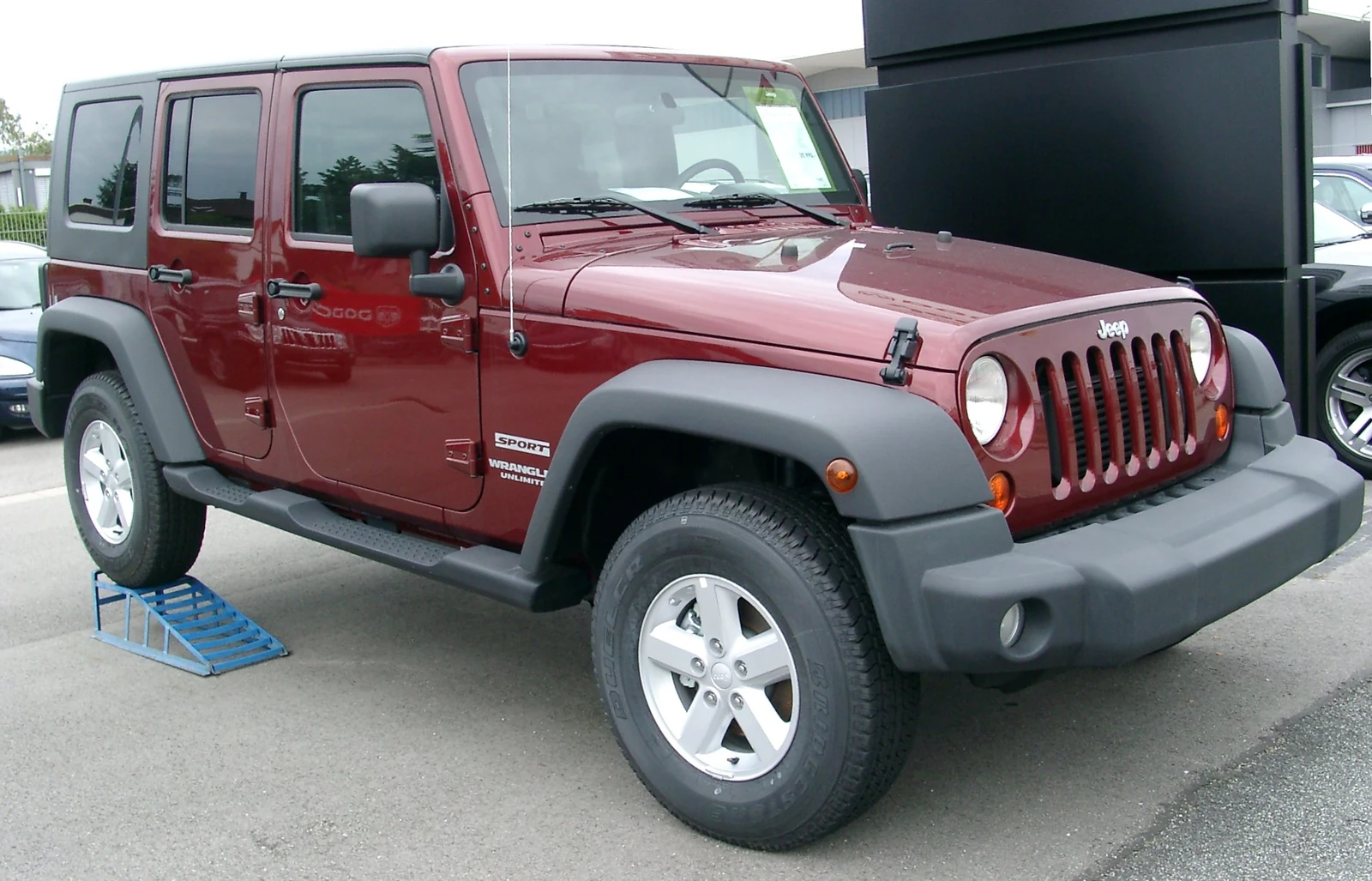
Quick Answer
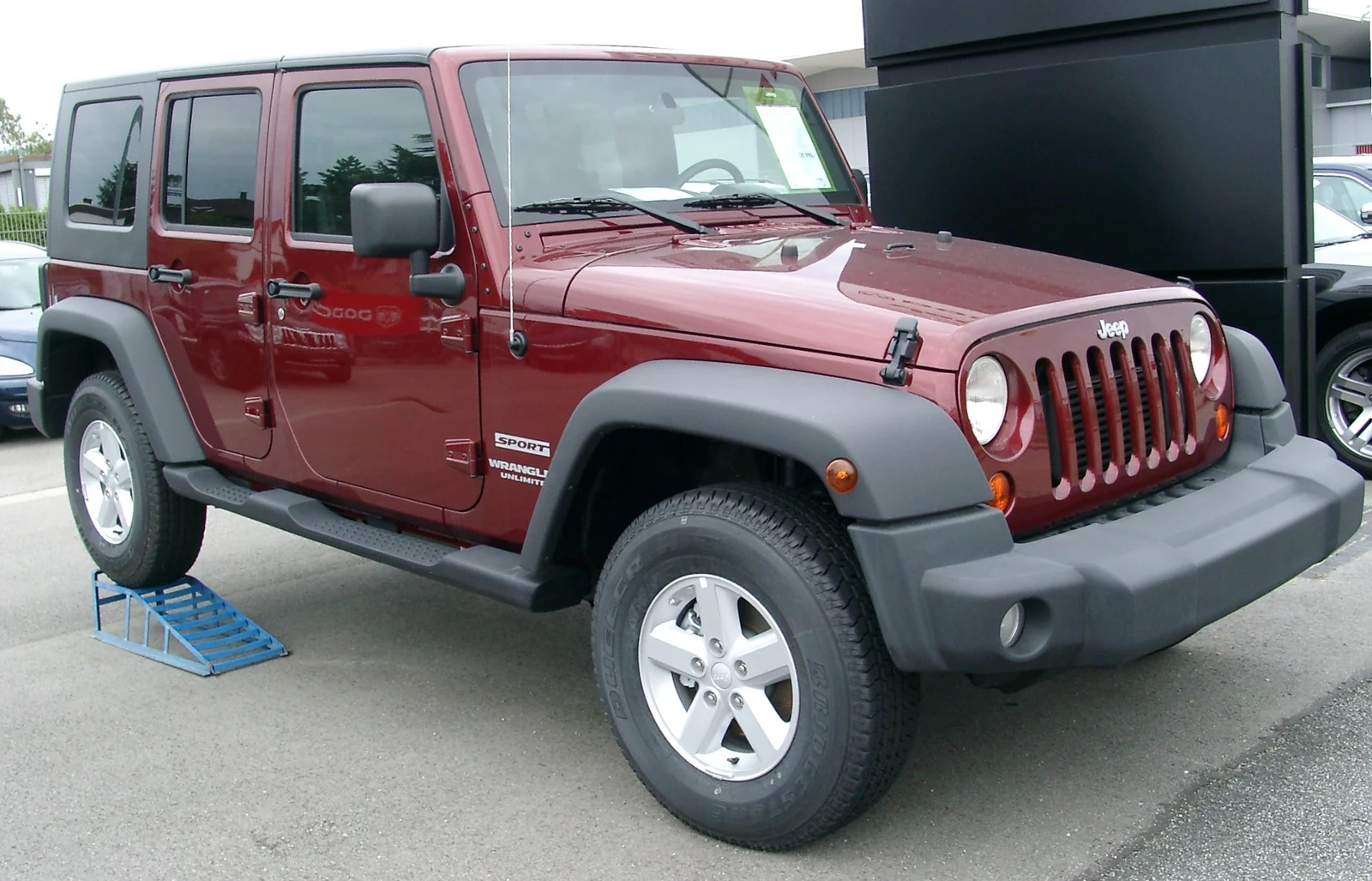
Do not treat 4H as a license to drive fast. Use it when the road is loose or slippery, then drive at a speed suitable for snow, mud, sand, gravel or trail conditions.
Part-time 4H should not be used on dry high-traction pavement.
Shift Speed and Driving Speed Are Not the Same
| Question | Practical answer |
|---|---|
| How fast may I be moving when shifting into 4H? | Check your manual. Jeep’s 2026 FAQ says under 55 mph for the current automatic Wrangler; a 2020 guide lists 0–45 mph as the preferred range. |
| How fast should I drive in 4H? | Slow enough for the available traction and visibility. There is no sensible highway-style target speed for snow, mud, sand or a rough trail. |
| May I use part-time 4H on dry pavement? | No. Mopar guides warn that part-time 4H is for loose or slippery surfaces. |
Why Dry Pavement Matters
In part-time 4H, the transfer case locks the front and rear driveshafts together. On loose ground, tire slip releases drivetrain stress.
On dry pavement, that stress may cause binding, tire scrub and driveline damage.
What About 4H Auto?
Some Wrangler configurations offer 4H Auto. That mode is not the same as 4H Part Time.
Read the transfer-case label and the manual for your Jeep before choosing a mode. Do not rely on a video made for another Wrangler generation.
Do Not Confuse 4H With 4L
4L is for low-speed pulling power on difficult loose surfaces. The 2016 Wrangler user guide warns not to exceed 25 mph in 4L.
That limit is not a rule for 4H, but it shows why the transfer-case position must be identified correctly.
Simple 4H Checklist
- Confirm whether your lever or selector shows 4H Part Time, 4H Auto or both.
- Reduce speed before shifting and follow the manual for your year.
- Ease off the accelerator while completing the shift when the manual instructs it.
- Use part-time 4H only where the surface allows tire slip.
- Return to 2H on dry pavement when extra traction is no longer needed.
If you are using a Wrangler to launch or retrieve a boat, combine this guidance with the Wrangler boat-towing checklist.
Choose the Mode for the Surface
| Surface | Mode guidance | Reason |
|---|---|---|
| Dry pavement | Use 2H unless your specific system and manual allow another mode | Part-time 4H may bind the drivetrain on high-traction roads |
| Snow-covered road | Use the appropriate 4H mode and slow down | Extra traction does not shorten braking distance |
| Loose gravel or dirt | 4H may help when traction is inconsistent | The surface permits some tire slip |
| Deep mud, steep trail or recovery situation | Evaluate whether low range is needed | 4L provides low-speed pulling power, but it is not for normal road speed |
Signs You Are Using the Wrong Mode
Steering resistance, hopping during tight turns, tire scrub or a driveline that feels wound up on dry pavement are reasons to stop and reassess the transfer-case position. Do not force the lever or keep driving until a noise becomes a repair bill.
Why Weather Does Not Automatically Mean 4H
Rain alone does not make every road a part-time-4H road. The deciding factor is whether the surface is loose or slippery enough to allow the drivetrain to release stress.
The manual for your generation remains the authority because transfer-case options differ.
Frequently Asked Questions
Can I shift into 4H while the Wrangler is moving?
Often yes, within the model-specific guidance. Jeep's current FAQ says to slow below 55 mph for the 2026 automatic Wrangler, while a 2020 guide lists a preferred 0 45 mph shift range.
Does 4H improve braking?
No. Four-wheel drive may improve traction while moving, but it does not create extra grip between the tires and the road during braking.
What happens if I forget to leave 4H Part Time?
Return to the correct mode as soon as conditions allow. Continued dry-pavement use can increase wear and drivetrain stress.
4H Is for Traction, Not Extra Speed
Four-wheel drive high range helps when the surface is loose or slippery. It does not improve braking distance, tire grip on ice, or cornering control.
The safe speed still depends on visibility, road conditions, tires, traffic, and the specific Wrangler system.
| Surface | Use 4H? | Reason |
|---|---|---|
| Snow-covered road | Often appropriate | Additional traction may help when the surface is slippery |
| Loose gravel or dirt | Often appropriate | The tires may slip enough to avoid drivetrain binding |
| Mud or sand | Situation-dependent | Momentum and tire pressure matter as much as mode choice |
| Dry paved road | Avoid part-time 4H | High traction may create binding in the driveline |
How to Shift Into 4H Smoothly
Read the quick guide for your exact Wrangler generation. On many Wranglers, shifting between 2H and 4H is designed for low-speed driving with steady movement.
Avoid forcing the lever. If the shift feels incomplete, reduce load on the drivetrain, keep the wheels straight, and follow the manual.
After selecting 4H, watch for the correct indicator and listen for abnormal noises. If the lever resists movement, the indicator flashes continuously, or the driveline binds on a suitable surface, stop and inspect the system.
Common Mistakes on Winter Roads
- Driving too quickly because the Jeep feels more stable under acceleration.
- Assuming four-wheel drive shortens stopping distance on ice.
- Using part-time 4H on dry pavement for long distances.
- Ignoring tire condition, tire pressure, and speed-rated limitations.
- Waiting until the vehicle is already stuck before selecting the right mode.
When to Use 4L Instead
Low range serves a different purpose. Use it for slow, controlled movement when extra torque and engine braking are needed, such as steep trails, deep obstacles, or careful recovery situations.
It is not a higher-traction version of highway driving.
Part-Time and Full-Time Systems Are Not the Same
Wrangler transfer-case behavior depends on generation and equipment. A part-time 4H mode is intended for surfaces where tires can slip slightly.
Some newer systems also offer an automatic four-wheel-drive setting for mixed conditions. Read the selector label and owner guide before assuming every Wrangler operates the same way.
If your Jeep has been modified with different tire sizes, axle changes, or suspension work, pay attention to vibration and driveline behavior. A mode that worked smoothly before a modification may reveal a separate fitment or maintenance problem afterward.
What to Do if the Wrangler Feels Bound Up
Binding may feel like hopping, resistance in tight turns, or a reluctance to move smoothly. If that happens on dry pavement, straighten the wheels, reduce load on the drivetrain, move to a suitable surface, and shift back according to the manual.
Do not keep forcing tight turns.
Persistent noise, vibration, or difficulty shifting deserves inspection. Check tire sizes and pressures first, then review the transfer case, linkage, driveshafts, and recent repairs with a qualified technician.
- Can I Drive With Code P06dd Jeep Wrangler
- How Fast Can A Jeep Wrangler Go
- How To Put 2010 Jeep Wrangler In 4 Wheel Drive
Final Takeaway
For a current automatic Wrangler, slow below 55 mph before shifting from 2H to 4H. Older manuals may list a preferred 0 45 mph shift range.
Once 4H is engaged, match your driving speed to the slippery surface and avoid part-time 4H on dry pavement.