When you drive a Jeep on rough trails, you often want more flexibility from your suspension. One feature that helps with this is the sway bar disconnect. This special system lets drivers control how their Jeep handles on and off the road. But how does it work, and why is it so useful for adventure lovers? Let’s break it down simply.
What Is A Sway Bar And Why Does It Matter?
The sway bar (also called an anti-roll bar) is a metal rod that connects the left and right wheels. Its main job is to reduce body roll when you turn or drive over uneven ground. On paved roads, this helps your Jeep stay stable and safe. Without a sway bar, the vehicle would lean much more in corners, making it harder to control.
But in off-road situations, especially when driving over rocks or deep holes, a connected sway bar can limit your Jeep’s movement.
It keeps the wheels from moving up and down independently, which can make it harder to keep all four wheels on the ground.
How Does A Jeep Sway Bar Disconnect System Work?
Jeep’s sway bar disconnect system is designed to solve this problem. It lets you disconnect the sway bar when you need more flexibility, then reconnect it for normal driving.
Manual Vs. Electronic Disconnect
Jeep offers two main types of sway bar disconnects:
- Manual disconnect: You physically remove the sway bar links by hand. This is common on older Jeeps or aftermarket kits. It takes a few minutes and some basic tools.
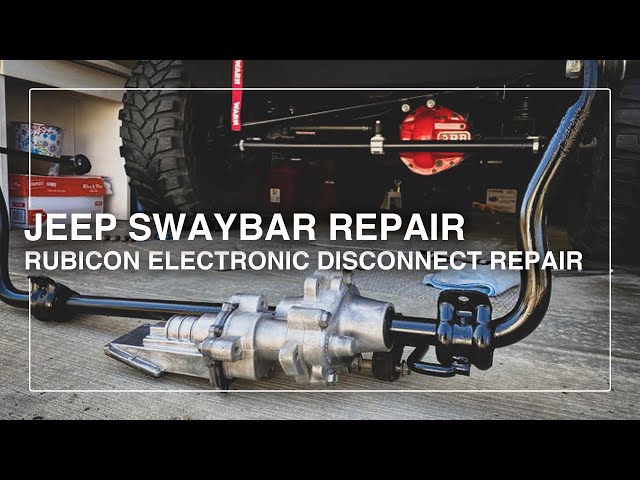
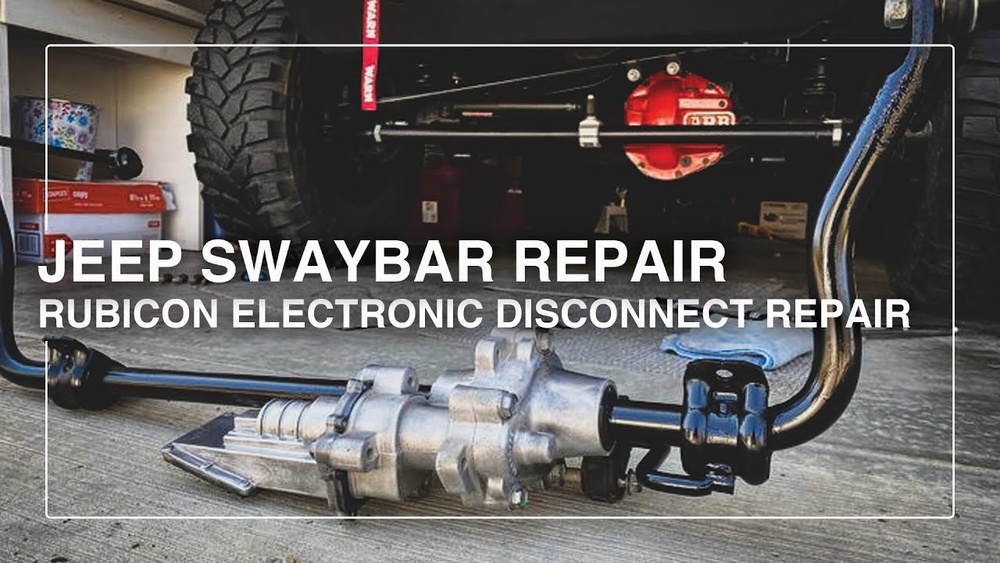
- Electronic disconnect: Found on models like the Wrangler Rubicon, this system uses a button in the cabin. When pressed, an electric motor or actuator disconnects the sway bar instantly. You can do this while sitting in the driver’s seat.
Here’s a quick comparison:
| Type | Ease of Use | Time to Disconnect | Where Used |
|---|---|---|---|
| Manual | Requires tools | 5-10 minutes | Older Jeeps, aftermarket kits |
| Electronic | Push-button | Instant | Wrangler Rubicon, Gladiator Rubicon |
What Happens When You Disconnect?
When you disconnect the sway bar, the wheels can move up and down much more independently. This is called increased articulation. Your Jeep can keep all four tires on the ground, even when the terrain is uneven. More grip means better traction, which helps you avoid getting stuck.
Some data shows that disconnecting the sway bar can increase suspension travel by up to 30%. This difference is huge for off-road performance.
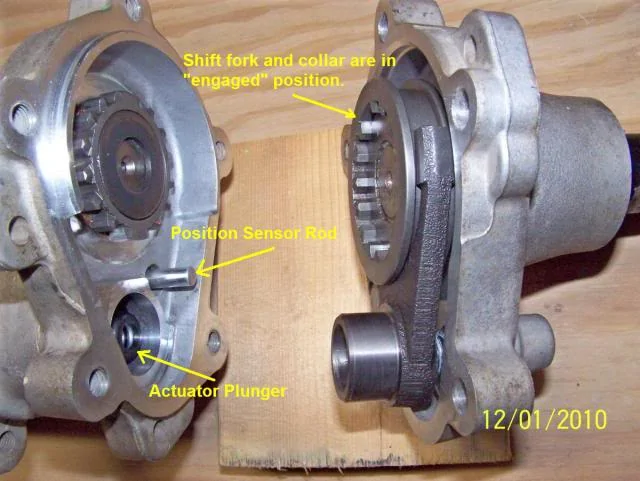
Real-world Example: Rubicon Sway Bar Disconnect
Let’s look at the Wrangler Rubicon. Its electronic sway bar disconnect system is famous for being easy and reliable.
- To use, you press the “Sway Bar” button when driving under 18 mph.
- The system checks if conditions are safe (like speed and gear).
- It then disconnects the front sway bar, boosting articulation.
If you drive faster than 18 mph, or if there’s a problem, the system automatically reconnects the sway bar for safety.
Here’s how the Rubicon’s feature stacks up:
| Feature | Rubicon | Other Models |
|---|---|---|
| Electronic Disconnect | Yes | No |
| Max Articulation | Up to 30% more | Standard |
| Safety Auto-Reconnect | Yes | Manual only |
Why Disconnecting Is So Important For Off-road
Off-road driving is all about keeping traction. When the sway bar is disconnected:
- The Jeep’s suspension can move more freely.
- The wheels stay on the ground longer.
- You can climb steeper rocks and drive through deep ruts.
This feature is a big reason why Jeep Rubicon is respected by trail enthusiasts. It helps drivers tackle tough routes that other vehicles can’t manage.
Common Mistakes And Safety Tips
Many beginners make errors when using the sway bar disconnect:
- Forgetting to reconnect before returning to pavement. This makes the Jeep handle poorly and can be dangerous at high speeds.
- Using disconnect above recommended speed. Always stay below 18 mph when the sway bar is disconnected.
- Ignoring warning lights. If the system shows a fault, reconnect manually and check with a mechanic.
Always check your Jeep’s manual for specific instructions. If you install an aftermarket kit, make sure it’s designed for your exact model.
Key Benefits Of Sway Bar Disconnect
- Improved articulation: Lets wheels move independently for better traction.
- Quick adaptability: Switch between off-road and on-road modes easily.
- Enhanced safety: Auto-reconnect keeps you safe if you forget.
Here are some less obvious insights:
- Disconnecting the sway bar is not just for big rocks. It also helps in mud, sand, and snow, where keeping all tires planted is critical.
- Some aftermarket systems allow partial disconnect, which can be useful for mild trails.
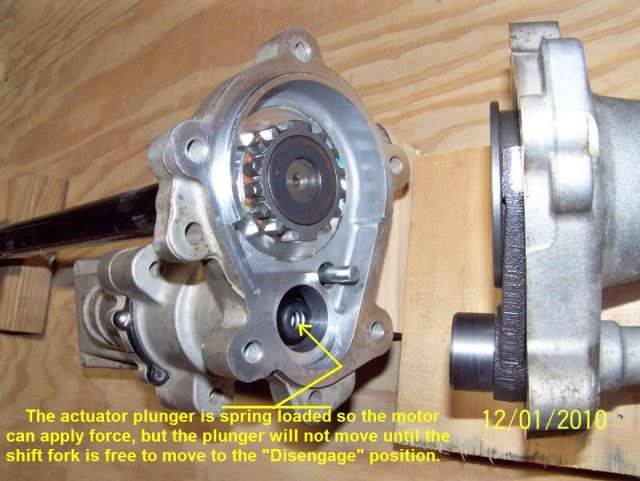
Sway Bar Disconnect: Maintenance And Troubleshooting
The electronic system is reliable, but it needs care:
- Keep connectors clean: Mud and water can cause issues.
- Listen for unusual noises: Clicking or grinding means something may be wrong.
- Regularly check for rust: Especially on manual disconnect kits.
If you have a problem, most dealers can diagnose sway bar disconnect issues quickly. It’s better to fix early than risk losing off-road ability.
Frequently Asked Questions
What Is The Main Purpose Of A Sway Bar Disconnect?
The main purpose is to let the Jeep’s suspension move more freely for better traction off-road. It improves articulation so the wheels stay on the ground even on uneven surfaces.
Can I Use The Sway Bar Disconnect System While Driving On Pavement?
No, you should always reconnect the sway bar before driving on pavement. Without it, the Jeep may lean too much and become hard to control.
Is It Possible To Install A Sway Bar Disconnect On Older Jeeps?
Yes, many aftermarket kits exist for older Jeeps. These are usually manual disconnects that require tools and some mechanical skill.
How Does The Electronic Sway Bar Disconnect Know When To Reconnect?
Jeep’s system automatically reconnects if you drive above a certain speed (usually 18 mph) or if conditions are unsafe. It uses sensors to monitor speed and other factors.
Where Can I Find More Technical Information About Sway Bar Systems?
You can find detailed info from sources like Wikipedia, which explains how sway bars work in different vehicles.
Jeep’s sway bar disconnect is a clever feature that makes off-roading safer and more fun. Whether you’re a new owner or a trail veteran, understanding how it works gives you more confidence on every adventure.