How Do You Say Jeep In Spanish
If you’re traveling through Latin America or chatting with Spanish speakers about cars, you might wonder: “How do you say Jeep in Spanish?” The answer is not as simple as a direct translation. The word “Jeep” has a unique story in Spanish-speaking countries, mixing brand, culture, and history. Understanding these differences can help you sound more natural and avoid confusion when you talk about vehicles in Spanish.
The Direct Translation: “jeep” Or “jeepeta”?
Most Spanish speakers use the brand name Jeep just like in English. But there’s more to the story. In some countries, especially in the Caribbean and parts of Central America, you’ll hear people say jeepeta. This word doesn’t exist in English. It’s a local adaptation that means “SUV” or “large off-road vehicle,” not just the Jeep brand.
For example, in the Dominican Republic, “jeepeta” refers to any modern SUV, not just Jeeps. In Colombia, people use campero or camioneta for similar vehicles. This regional vocabulary shows how global brands adapt to local languages.
Regional Differences: What Do People Say?
The word for Jeep changes depending on the country. Here’s a comparison of terms you might hear:
| Country | Common Word | Meaning |
|---|---|---|
| Mexico | Jeep / Camioneta | Jeep brand or any SUV/pickup |
| Colombia | Campero / Willys | Off-road vehicles, especially classic Jeeps |
| Dominican Republic | Jeepeta | Any SUV, not just Jeep |
| Spain | Todo terreno | Any 4×4 or off-road vehicle |
| Chile | Jeep / Camioneta | Jeep brand or pickup/SUV |
This table shows why it’s important to know the local word, not just say “Jeep” everywhere.

Why “jeepeta” And Not Just “jeep”?
The term jeepeta is a great example of how languages evolve. It started in the Caribbean, where English and Spanish often mix. People added the Spanish “-eta” ending to “Jeep” to make it sound more natural in their language. Over time, “jeepeta” became the normal word for any SUV, even if it’s not made by Jeep.
A non-obvious insight: Saying “jeepeta” in Mexico or Spain might confuse people. They may not understand you, or they might think you’re talking about a very specific car. Always check local usage.
What About Other Types Of Vehicles?
Spanish has several words for vehicles similar to a Jeep. Here’s a quick look:
| Spanish Word | English Meaning | Where Used |
|---|---|---|
| Camioneta | SUV, pickup, or van | Mexico, Chile, Argentina |
| Campero | 4×4, off-roader | Colombia, Ecuador |
| Todo terreno | All-terrain vehicle | Spain, Argentina |
| Willys | Classic Jeep (1940s-60s) | Colombia, rural areas |
Notice that “Jeep” is sometimes used for the brand, but these local words cover many types of vehicles.
The History Behind Jeep In Latin America
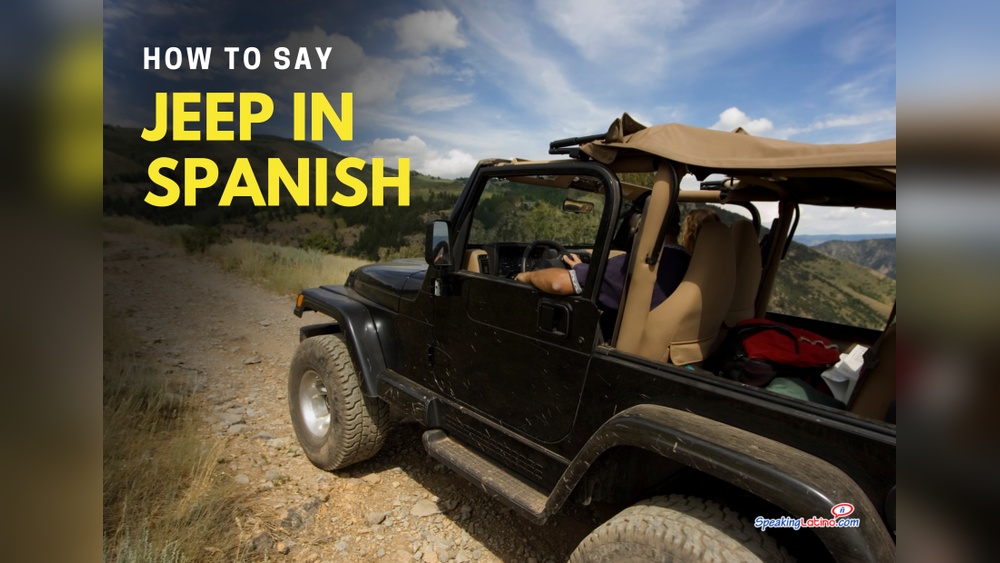
The Jeep brand became famous during World War II. The original Jeep, called the Willys, was used by the US military and later sold around the world. In countries like Colombia, the classic Willys Jeep is still popular, especially in coffee-growing regions where farmers use them for tough roads.
In Colombia, the Willys even inspired parades called Yipao, where people decorate their Jeeps with everything from coffee bags to furniture. This shows how the vehicle became part of local culture, not just a foreign brand.
Practical Tips: How To Choose The Right Word
If you want to sound natural in Spanish, follow these tips:
- Listen to locals. The best way to learn the right word is to hear what people say.
- Match the region. Use “jeepeta” in the Dominican Republic, but stick to “camioneta” or “Jeep” in Mexico.
- Ask for clarification. If you’re not sure, ask: “¿Cómo le dicen a este carro aquí?” (“What do you call this car here?”)
- Don’t assume brand equals vehicle. Not all SUVs are Jeeps, and not all Jeeps are SUVs.
- Learn both formal and slang terms. “Todo terreno” is more formal; “jeepeta” is slang.
A common mistake: Some learners use “Jeep” for every off-road vehicle. Locals might correct you, or you could order the wrong rental car.
Examples In Real Life
Imagine you’re in Bogotá and you ask for a “Jeep” at a rental agency. The staff might show you a small SUV or even a Toyota.
But if you say “campero,” they will know you want an off-road vehicle, possibly a classic Willys.
In the Dominican Republic, telling a taxi driver you want a “jeepeta” makes it clear you need a large SUV, not a sedan or pickup.
This difference can save you money, time, and confusion on your travels.
Influence Of Pop Culture And Media
Music and movies also spread the word “jeepeta.” For example, the popular reggaeton song La Jeepeta made the term famous across Latin America. Now, even young people in other countries use “jeepeta” to sound trendy.
But remember, media influence doesn’t always match real-life usage. In Spain, “jeepeta” is not common.
In Mexico, older generations may not know the word at all.

When To Use “jeep” In Spanish
Most Spanish speakers understand “Jeep” as the brand, especially in big cities or when talking about cars online. If you want to be clear, you can always say “Jeep, la marca de autos todoterreno” (“Jeep, the off-road car brand”).
But if you want to blend in, use the local word. This small detail can help you build better relationships and avoid awkward moments.
For more about the history of the Jeep brand, you can check out the Jeep Wikipedia page.
Frequently Asked Questions
What Is The Most Common Way To Say “jeep” In Spanish?
The most common way is simply Jeep, pronounced almost the same as in English. In some countries, “jeepeta” or “camioneta” are more popular for similar vehicles.
Is “jeepeta” An Official Spanish Word?
No, jeepeta is a slang term. It is widely used in the Caribbean and some Latin American countries, but you won’t find it in most dictionaries.
Can “camioneta” Mean Jeep?
Camioneta means SUV, van, or pickup truck. It can include Jeeps, but it’s a broader term and not limited to the Jeep brand.
What Is A “campero”?
A campero is an off-road vehicle, often used in rural or mountain areas. In Colombia, it’s used for classic Jeeps and similar 4×4 vehicles.
Should I Use “jeep” Or The Local Word When Traveling?
Always use the local word if you want to be understood. Listen to what people say, or ask them directly if you’re not sure. This will help you communicate clearly and avoid mistakes.
Using the right word for “Jeep” in Spanish is about more than translation it’s about understanding local culture and connecting with people. Next time you talk about cars in Spanish, you’ll know exactly what to say.