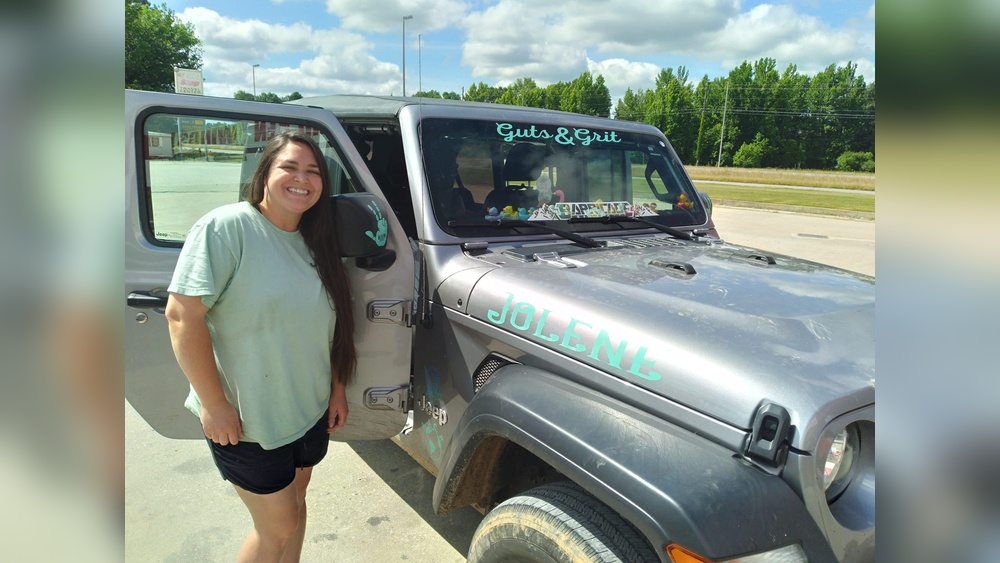
If you’ve seen a small rubber duck sitting on the door handle or dashboard of a Jeep, you might wonder what it’s all about. Maybe you found one on your own Jeep and felt a mix of surprise and curiosity.
The Jeep rubber duck thing, also called “Jeep ducking,” has become a global trend. It connects Jeep owners and spreads smiles, but few know how it truly began or why it matters.
This article explains the real origin of the Jeep ducking trend, what it means, and how it grew into a worldwide movement. You’ll also learn how to join the fun, the pros and cons, and answers to the most common questions.
If you’re new to the Jeep community or just curious, this guide is for you.
The Origin Of The Rubber Duck Jeep Trend
The Jeep rubber duck thing did not start as a marketing campaign or social media challenge. Instead, it began with a simple act of kindness during a difficult time.
In July 2020, a Canadian Jeep owner named Allison Parliament was traveling in Ontario. She noticed another Jeep parked outside a store. On impulse, she placed a small yellow rubber duck on the Jeep’s door handle, leaving a note that said, “Nice Jeep!” She did this to spread a little happiness during the COVID-19 pandemic, which was a stressful period for many people.
Her small gesture was noticed by the Jeep owner, who later shared it on social media. The story quickly spread among Jeep communities online.
Other Jeep owners loved the idea and began buying rubber ducks to leave on fellow Jeeps they saw in parking lots, on the street, or at events.
What started as a random act grew into a movement called Jeep ducking or Duck Duck Jeep. The hashtag #duckduckjeep took off on Instagram and Facebook, helping the trend reach the United States, Europe, Australia, and beyond.
Why Did Jeep Ducking Become Popular?
There are a few reasons why the Jeep rubber duck thing caught on so quickly:
- Simplicity: Anyone can join in. All you need is a rubber duck and a Jeep to spot.
- Positivity: The gesture is friendly, light-hearted, and brings a smile.
- Community: Jeep owners often feel a special bond, and ducking makes that bond visible.
- Social Media: Sharing duck photos and stories online helped spread the trend fast.
Many Jeep owners say ducking reminds them that small acts of kindness can make someone’s day better. It also gives people a fun way to connect, especially during times when social interaction is limited.

How Jeep Ducking Works
The basic idea is simple: Jeep owners leave a rubber duck on another Jeep, usually with a note or tag. The note often says “You’ve been ducked!” or something similar.
Here’s how it usually happens:
- Buy some rubber ducks. You can find them online or in stores. Some people decorate their ducks or choose special colors.
- Spot a Jeep you like in a parking lot or public place.
- Leave the duck somewhere visible, such as the door handle, side mirror, windshield wiper, or hood latch.
- Attach a note if you want. Many use tags with messages like “Nice Jeep!” Or “You’ve been ducked!”
- Share online (optional). Many people take a photo and post it on social media with the hashtag #duckduckjeep.
Some Jeep owners collect the ducks they receive and display them on their dashboards. Others pass them on to keep the kindness moving.
It's all about fun, connection, and sharing positive energy.
The Meaning Behind Jeep Ducking
For many, the rubber duck Jeep thing is more than a joke or trend. It stands for:
- Random acts of kindness
- Friendship among Jeep owners
- Celebrating unique Jeeps
- Spreading joy during tough times
The duck has become a symbol in the Jeep world. It shows that someone noticed your vehicle, appreciated it, and wanted to make you smile.
Some say it's also a way to create "good Jeep karma" if you give kindness, you get kindness.
How The Trend Spread Worldwide
At first, Jeep ducking was mostly in Canada. But thanks to social media, it spread quickly.
Jeep clubs, influencers, and even car dealerships joined in. Some events and Jeep festivals now include ducking contests or displays.
Here’s how the trend grew so fast:
- Viral posts: Early photos and stories were shared thousands of times.
- Hashtags: #duckduckjeep, #jeepducking, and #jeepwave made it easy to find others.
- News coverage: Local and national news outlets covered the trend.
- Jeep events: Ducking became part of Jeep parades and gatherings.
Today, you can find Jeeps in almost every country where Jeeps are popular. The trend even inspired charity drives and fundraisers, showing how a small idea can make a big difference.
Not all Jeep ducks are the same. Some are classic yellow, but others are themed pirates, superheroes, or even holiday ducks.
People get creative with tags and messages too.
Below is a quick comparison of common duck types:
| Duck Type | Description | Average Cost |
|---|---|---|
| Classic Yellow | Standard rubber duck, simple and bright | $0.50, $1 each |
| Themed Ducks | Ducks with costumes or holiday themes | $1, $2 each |
| Personalized Ducks | Custom colors, names, or Jeep logos | $2, $5 each |
Tags are often made from paper or card, and may include:
- A positive message (“Stay awesome!”)
- The giver’s social media handle
- The date and location
- Instructions to share online
Many people download free tag templates or create their own with markers and stickers.
Jeep Ducking Vs. Other Car Community Traditions
Is Jeep ducking unique? While other car groups have their own traditions, ducking is special for its simplicity and friendly vibe.
Compare Jeep ducking with other popular car community gestures:
| Tradition | Vehicle Type | Gesture | Purpose |
|---|---|---|---|
| Jeep Ducking | Jeeps | Leaving rubber ducks | Kindness, fun, Jeep pride |
| Jeep Wave | Jeeps | Hand wave between drivers | Fellowship on the road |
| Miata Wave | Mazda Miatas | Hand wave | Community connection |
| VW Bug Flower Vase | Volkswagen Beetles | Decorative dashboard vase | Style, tradition |
Most other groups use signals or decorations, but the rubber duck Jeep thing is hands-on, playful, and open to all ages. It’s also easy to join, even for new Jeep owners.
Pros And Cons Of Jeep Ducking
Like any trend, Jeep ducking has both benefits and drawbacks. Here’s a clear look at the pros and cons:
Pros
- Builds community: Makes Jeep owners feel included and valued.
- Spreads happiness: Ducks often bring a smile or brighten someone’s day.
- Simple to join: No special skills or expensive gear needed.
- Creative outlet: People enjoy decorating ducks and tags.
- Safe during COVID-19: No contact needed; just leave a duck and go.
Cons
- Not everyone likes surprises: Some owners don’t want items left on their vehicle.
- Litter risk: Ducks left outside can blow away or become trash.
- Cost adds up: Buying lots of ducks and tags can get expensive.
- Jeep exclusivity: Other car owners may feel left out.
Most Jeep owners see more positives than negatives, but it’s good to be respectful and not duck cars that clearly ask for no gifts or have “no ducks” signs.

How To Start Jeep Ducking Yourself
Want to join the Jeep rubber duck trend? Here’s a quick step-by-step guide:
- Buy a pack of rubber ducks. Look for bulk deals online for savings.
- Prepare your ducks. Attach tags with a simple greeting or your name.
- Keep ducks in your Jeep. That way, you’re ready when you spot another Jeep.
- Duck Jeeps respectfully. Avoid cars parked in private lots or with “no duck” notes.
- Share online if you want. Post photos with #duckduckjeep to connect with others.
A few extra tips:
- Don’t leave ducks where they might block mirrors or locks.
- Use waterproof tags if possible.
- Choose ducks that fit the season or local culture for extra fun.
Common Mistakes To Avoid
Many beginners make these mistakes:
- Leaving too many ducks at once. One or two per Jeep is enough.
- Forgetting to add a note. Without a message, owners may be confused.
- Placing ducks inside the Jeep. Only do this if the windows are open and it’s clearly okay.
- Duck shaming. If someone doesn’t want ducks, respect their wishes.
By keeping things simple and friendly, you’ll add to the fun without causing problems.

The Impact On Jeep Culture
The Jeep rubber duck thing has changed how owners interact. It adds a playful side to the already strong Jeep wave tradition. Many Jeep drivers now keep a row of ducks on their dash as a badge of honor. Some have even started collecting rare or themed ducks from different states or countries.
Car dealerships have noticed the trend, too. Some give out ducks to new Jeep buyers, and a few host duck-decorating contests.
Jeep festivals now often feature duck displays or charity ducking events.
This simple tradition shows how a small, positive idea can bring people together. It’s proof that kindness, even in the form of a rubber duck, can make a big splash.
You can find rubber ducks in many places:
- Online stores: Amazon, Etsy, and eBay have bulk packs.
- Party supply shops: Ducks are sold for kids’ parties.
- Dollar stores: Look for simple or themed ducks at a low price.
Tag templates can be downloaded or created at home with a printer and scissors. Some people use business cards or waterproof labels.
A basic cost breakdown:
| Item | Pack Size | Average Price |
|---|---|---|
| Standard Ducks | 50 | $20, $30 |
| Themed Ducks | 20 | $25, $40 |
| Printable Tags | 100 | $10, $15 |
For more ideas, check the official Duck Duck Jeep Facebook group or visit Wikipedia for history and updates.
Fun Facts About Jeep Ducking
- The original Jeep duck was yellow, but now there are hundreds of styles.
- Some people have received over 100 ducks and display them at Jeep shows.
- The trend inspired charity events, raising money for children’s hospitals.
- There’s no official rulebook, each Jeep owner adds their own twist.
- Even Jeep’s official social media accounts have joined in, posting ducking photos.
The main reason is to spread kindness among Jeep owners. Placing a rubber duck on another Jeep is a friendly gesture that says, “Nice ride!” It’s about fun, connection, and making someone’s day better.
“,”visible”:true},{“id”:”faq-question-45c88c173382″,”title”:”Do You Have To Own A Jeep To Participate?”,”content”:”Yes, the tradition is mainly for Jeep owners. While anyone can buy ducks, the gesture is meant for Jeeps and is part of the Jeep community’s unique culture.
“,”visible”:true},{“id”:”faq-question-e1f140874f54″,”title”:”Is Jeep Ducking Safe And Legal?”,”content”:”In most places, leaving a small duck on a car is harmless and legal, as long as you don’t damage or enter the vehicle. Always check local rules and respect private property. Avoid ducking cars in restricted or private lots.
“,”visible”:true},{“id”:”faq-question-225145a45ee3″,”title”:”How Much Does It Cost To Start Jeep Ducking?”,”content”:”Starting is affordable. A pack of 50 ducks costs about $20, $30, and you can print your own tags at home. Many Jeep owners spend less than $1 per duck and tag.
“,”visible”:true},{“id”:”faq-question-c3a203d6893b”,”title”:”Can I Duck The Same Jeep More Than Once?”,”content”:”It’s best to duck different Jeeps to spread the fun. If you see a Jeep already covered in ducks, leave just one or move on to another. The goal is to share smiles with as many people as possible.
nnnnThe rubber duck Jeep thing shows how a simple, cheerful act can connect people worldwide. Whether you’re a Jeep veteran or just learning about ducking, you can join in the fun and help the tradition grow.
“,”visible”:true}]} –>What Is The Main Reason For The Rubber Duck Jeep Thing?
The main reason is to spread kindness among Jeep owners. Placing a rubber duck on another Jeep is a friendly gesture that says, “Nice ride!” It’s about fun, connection, and making someone’s day better.
Do You Have To Own A Jeep To Participate?
Yes, the tradition is mainly for Jeep owners. While anyone can buy ducks, the gesture is meant for Jeeps and is part of the Jeep community’s unique culture.
Is Jeep Ducking Safe And Legal?
In most places, leaving a small duck on a car is harmless and legal, as long as you don’t damage or enter the vehicle. Always check local rules and respect private property. Avoid ducking cars in restricted or private lots.
How Much Does It Cost To Start Jeep Ducking?
Starting is affordable. A pack of 50 ducks costs about $20, $30, and you can print your own tags at home. Many Jeep owners spend less than $1 per duck and tag.
Can I Duck The Same Jeep More Than Once?
It’s best to duck different Jeeps to spread the fun. If you see a Jeep already covered in ducks, leave just one or move on to another. The goal is to share smiles with as many people as possible.
The rubber duck Jeep thing shows how a simple, cheerful act can connect people worldwide. Whether you’re a Jeep veteran or just learning about ducking, you can join in the fun and help the tradition grow.