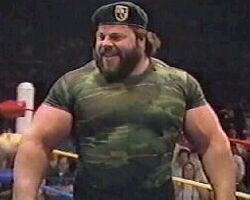
Jeep Swenson was a giant both in the world of professional wrestling and Hollywood. Known for his massive physique and intimidating presence, he left a mark on fans and colleagues alike.
But his life was cut short at just 40 years old, shocking many who admired him.
Understanding how Jeep Swenson died offers a deeper look not only into his final days, but also into the risks that come with extreme physical training and the pursuit of fame.
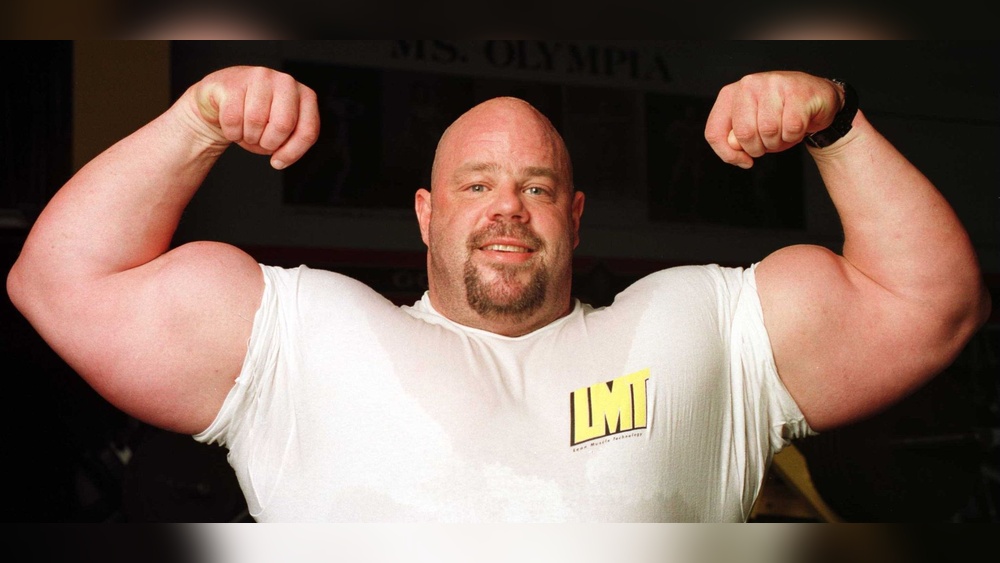
Jeep Swenson: The Man Behind The Muscle
Jeep Swenson, born Robert Alexander Swenson Jr., was best recognized for his role as Bane in “Batman & Robin” (1997) and his career as a professional wrestler. Standing 6 feet 4 inches tall and weighing over 400 pounds, he was often called the ultimate powerhouse. Swenson’s impressive strength made him a natural fit for wrestling and action films.
He started his career in World Class Championship Wrestling (WCCW) in the 1980s. Later, he moved to World Championship Wrestling (WCW) and even made appearances in the Universal Wrestling Federation. Outside wrestling, Swenson was a sought-after stuntman and actor, starring in movies like “No Holds Barred” and “Bulletproof”.
The Final Days: What Led To Jeep Swenson’s Death
On August 18, 1997, Jeep Swenson died suddenly at his home in Los Angeles. The cause of death was a massive heart attack (myocardial infarction). He was only 40 years old.
Many factors contributed to his early death. Swenson’s lifestyle was physically intense, with years of extreme bodybuilding and wrestling.
Friends and medical experts noted that he pushed his body to the limits for both wrestling and movie roles.
Medical Details And Risk Factors
Swenson’s autopsy found that his heart was enlarged, a common condition in people who take anabolic steroids or follow extreme bodybuilding regimens. Long-term steroid use can increase the risk of heart disease, high blood pressure, and sudden cardiac arrest. Swenson’s size, while impressive, put extra strain on his heart.
Common Health Risks For Bodybuilders
| Risk Factor | Impact on Health |
|---|---|
| Heart Enlargement | Leads to higher risk of heart attack and failure |
| High Blood Pressure | Increases chance of stroke and heart disease |
| Steroid Use | Can cause organ damage and hormonal imbalance |
Many experts point to the combination of Swenson’s body size, possible steroid use, and years of physical stress as key reasons for his heart failure.
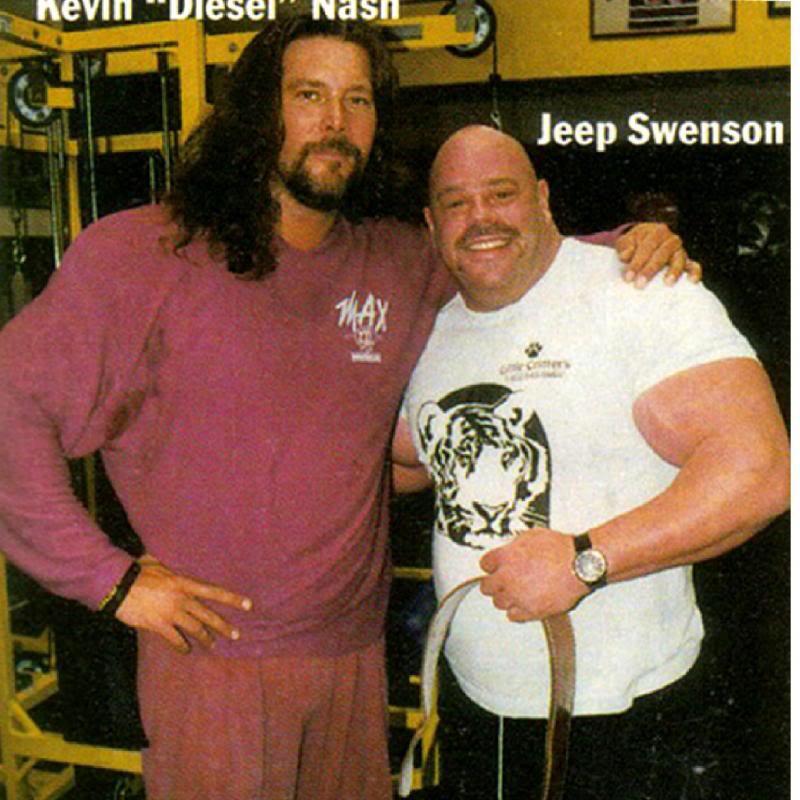
The Reaction: Impact On Wrestling And Hollywood
Swenson’s death sent shockwaves through both the wrestling and film communities. He had just completed his role as Bane, and his performance was praised for its physical authenticity.
Many wrestlers and actors mourned his passing, with some speaking openly about the dangers of extreme bodybuilding.
His death also sparked new discussions about health and safety in the wrestling and film industries. Organizations began looking more closely at the health of athletes and performers, especially those who rely on large physiques.
Comparison: Average Lifespan Of Wrestlers Vs. General Public
| Group | Average Lifespan | Common Causes of Early Death |
|---|---|---|
| Professional Wrestlers | 53 years | Heart disease, accidents, substance use |
| General US Population (Male) | 76 years | Heart disease, cancer, accidents |
As the table shows, the average lifespan of wrestlers is much shorter than the general population, largely due to the physical and chemical stress involved in the profession.
Lessons From Jeep Swenson’s Story
Jeep Swenson’s life is a reminder of the importance of balance between fitness and health. While building muscle and achieving a powerful look can bring fame and opportunities, it can also lead to serious health risks if not managed properly.
Here are some lessons from Swenson’s story:
- Listen to Your Body: Extreme training often comes with warning signs. Ignoring chest pain, shortness of breath, or fatigue can be dangerous.
- Regular Medical Checkups: Anyone involved in heavy training or bodybuilding should get heart health checked regularly.
- Be Cautious with Supplements: Steroids and other performance enhancers may give quick results, but they carry serious long-term risks.
- Educate Young Athletes: Many young wrestlers and bodybuilders look up to stars like Swenson. Teaching them about the dangers of shortcuts is critical.
A less obvious lesson is the importance of mental health. The pressure to maintain a certain image can drive people to take unhealthy measures. Support from friends, family, and professionals can make a big difference.
Another often-missed insight is that genetics play a role, but lifestyle choices usually have a bigger impact on long-term health. Even those with a family history of heart problems can improve their odds with a healthy lifestyle.
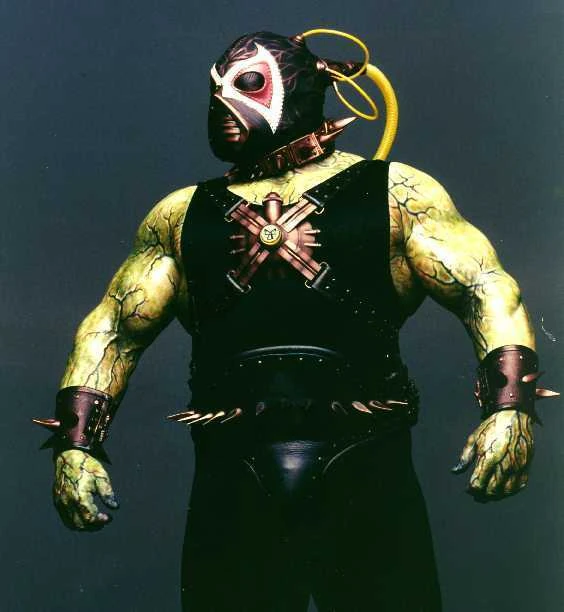
Swenson’s Legacy And Influence
Despite his early death, Swenson is remembered for his dedication and strength. His role as Bane remains iconic, and his wrestling career is still respected.
Many athletes have learned from his life, understanding both the power and risk of pushing the body to the extreme.
Swenson’s story is also used in discussions about health in sports and film. Organizations now work harder to protect the well-being of athletes, thanks in part to lessons learned from tragic cases like his.
If you want to read more about Swenson’s career and death, the Wikipedia page offers further details.
Frequently Asked Questions
What Was Jeep Swenson’s Official Cause Of Death?
His official cause of death was a massive heart attack. Medical reports also noted his heart was enlarged, possibly due to years of extreme training and steroid use.
Did Jeep Swenson Use Steroids?
While Swenson never publicly admitted to steroid use, medical experts and friends have suggested that anabolic steroids likely played a role in his heart problems.
How Old Was Jeep Swenson When He Died?
Swenson died at the age of 40. He passed away on August 18, 1997, at his home in Los Angeles.
What Was Jeep Swenson Best Known For?
He was best known for playing Bane in “Batman & Robin” and for his career as a professional wrestler in organizations like WCW and WCCW.
Did Swenson’s Death Change Anything In Wrestling Or Hollywood?
Yes, his death led to more awareness about the health risks of extreme bodybuilding. Organizations became more focused on athlete health and safety after his passing.
Jeep Swenson’s life was both inspiring and cautionary. His legacy lives on, reminding us of the need for balance and care no matter how strong we become.