If you’re thinking about buying a Jeep Wrangler, one big question probably crosses your mind: How dependable is it really? You want a vehicle that can handle tough trails, but also won’t leave you stranded on your daily drives.
Jeep Wranglers are famous for off-road adventures, but their reliability can be a bit of a mixed bag. You’ll discover what makes Wranglers stand out—and where they might fall short. By the time you finish reading, you’ll have a clear picture of whether a Jeep Wrangler is the right fit for your lifestyle and how to keep it running strong for years to come.
Jeep Wrangler Reliability Ratings
The Jeep Wrangler is known for its rugged design and off-road abilities. Its reliability ratings show a mixed picture. Many drivers praise its durability on tough trails. Others mention frequent mechanical and electrical issues.
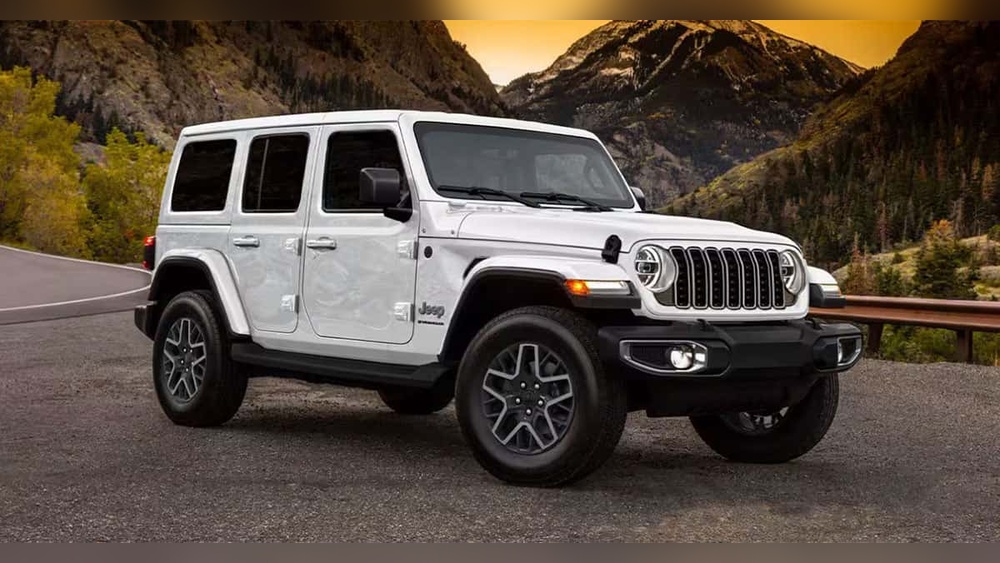
Understanding the Jeep Wrangler’s reliability ratings helps buyers make informed decisions. These ratings come from trusted sources like Consumer Reports and owner feedback. Comparing the Wrangler to other SUVs also gives useful insights.
Consumer Reports Scores
Consumer Reports rates the Jeep Wrangler below average in reliability. Common problems include electrical faults and drivetrain failures. These issues are more frequent than in many other compact SUVs. The score reflects long-term ownership experiences. Despite this, the Wrangler scores well in off-road capability and safety.
Owner Reviews And Feedback
Wrangler owners often highlight its toughness and fun driving experience. Many accept minor faults due to its off-road strength. Some report repeated repairs for sensors and electrical components. Regular maintenance improves reliability and reduces problems. Owner forums reveal tips and real-life stories on Wrangler reliability.
Comparison With Other Suvs
Compared to other SUVs, the Wrangler ranks lower in reliability. Vehicles like Toyota 4Runner and Honda CR-V score higher for fewer repairs. The Wrangler’s unique design and off-road focus cause more wear and tear. It suits adventure lovers but may not be ideal for daily city driving. Reliability varies greatly by model year and upkeep.

Common Mechanical Issues
Jeep Wranglers are known for rugged off-road ability but face some common mechanical issues. Understanding these problems helps owners maintain their vehicles better. Regular care can reduce repair costs and improve reliability.
Electrical And Sensor Problems
Electrical issues often affect the Wrangler’s performance. Problems with the infotainment system can cause screen freezes or failures. Sensors may send false warnings, triggering dashboard lights without real faults. Wiring faults sometimes lead to intermittent power loss or connectivity troubles. These issues tend to appear more in newer models with advanced electronics.
Drivetrain And Engine Concerns
The drivetrain can develop problems such as noisy differentials or rough shifting. Some Wranglers experience engine stalling or hesitation due to sensor errors or fuel delivery issues. Oil leaks and overheating have been reported, especially in older models. Regular oil changes and timely repairs help avoid serious engine damage.
Suspension And Steering Wear
Wranglers often face suspension wear from off-road use. Bushings, ball joints, and shocks may wear out faster than in regular SUVs. Steering components can loosen, causing play or difficulty in steering. Inspecting and replacing worn parts keeps handling safe and comfortable. Maintaining suspension is key for on-road and off-road stability.
Yearly Model Differences
Jeep Wranglers have changed a lot over the years. Each model year brings updates that affect how reliable the vehicle is. Some years fixed old problems, while others introduced new issues. Knowing these differences helps buyers find a dependable Wrangler. It also shows which models need extra care or repairs.
Best Years For Reliability
Certain Wrangler years stand out for their strong reliability. Models from 2012 to 2017 are often praised. They have fewer engine and electrical problems. The 2014 and 2015 models especially get good marks. These years improved build quality and fixed past issues. Owners report fewer breakdowns and lower repair costs.
Years To Avoid
Some Wrangler years have more frequent problems. The 2007 and 2008 models are known for transmission troubles. The 2018 model introduced a new engine that some drivers found unreliable. Early 2000s models also show signs of rust and wear. Avoiding these years can save money on repairs and headaches on the road.
Engine Variants And Their Reputation
Wranglers come with different engines, each with its own track record. The 3.6L V6 engine is popular and considered reliable. It balances power and fuel efficiency well. The 2.0L turbocharged engine is newer but has mixed reviews. Some owners praise its performance, others note potential issues. The diesel option offers good torque but can be costly to maintain.
Off-road Durability
The Jeep Wrangler is built with a strong focus on off-road durability. Its design supports tough terrains like rocks, mud, and steep slopes. This durability plays a key role in how dependable the Wrangler is for outdoor adventures. Understanding how it performs under harsh conditions helps buyers know what to expect. Maintenance needs after off-road use also affect long-term reliability. Let’s explore these aspects in detail.
Performance Under Tough Conditions
The Wrangler handles rough trails with ease. Its high ground clearance and solid axles help avoid damage. Four-wheel drive and locking differentials improve traction on slippery surfaces. The suspension absorbs shocks from uneven ground well. These features keep the vehicle stable and moving forward. Drivers can trust the Wrangler to climb rocks and cross streams safely.
Impact On Longevity
Constant off-road use can wear down parts faster. The Wrangler’s rugged build slows this wear but does not stop it. Frame and body parts resist corrosion and dents better than many SUVs. Engine and transmission systems are designed to handle stress from rough driving. Despite this, some components may require earlier replacement. Overall, off-road durability helps extend the vehicle’s usable life.
Maintenance Needs After Off-road Use
Off-roading demands careful post-trip care. Checking for damage to tires and suspension is important. Cleaning mud and debris prevents rust and mechanical issues. Fluids like oil and transmission fluid should be inspected regularly. Replacing worn parts on time avoids bigger repairs. Proper maintenance keeps the Wrangler dependable for many off-road adventures.
Daily Driving Comfort
Daily driving comfort is an important factor for many Jeep Wrangler owners. While Wranglers excel off-road, their on-road comfort can differ from typical SUVs. Understanding the ride quality, noise levels, fuel economy, and handling helps set realistic expectations for everyday use.
Ride Quality And Noise Levels
The Jeep Wrangler has a firm suspension tuned for rugged terrain. This stiffness can lead to a bumpy ride on city streets and highways. Drivers often feel every bump and pothole more than in other vehicles.
Wind noise is another common issue. The boxy shape and removable doors allow more air to enter the cabin. This creates more road and wind noise, especially at high speeds. Passengers may find conversations harder during highway drives.
Fuel Economy Considerations
Fuel efficiency is not a Wrangler’s strong suit. Its heavy frame and powerful engine consume more fuel than most compact SUVs. City driving with frequent stops reduces miles per gallon further.
Drivers should expect to fill the gas tank more often. Planning for higher fuel costs is wise when considering a Wrangler for daily use. Some newer models offer mild improvements, but fuel economy remains modest overall.
Handling And Road Behavior
Wranglers handle well on rough roads but feel less agile on smooth pavement. The higher center of gravity and solid axles can cause body roll in sharp turns. Steering feels heavier compared to modern SUVs with lighter setups.
Braking distances tend to be longer due to the vehicle’s weight. Drivers must allow extra space when stopping in traffic. Despite this, the Wrangler provides a secure and stable feel on most paved roads.
Maintenance And Care Tips
Keeping a Jeep Wrangler dependable takes regular maintenance and proper care. These rugged vehicles face tough conditions, so a simple upkeep routine extends their life and performance. Easy maintenance habits help prevent costly repairs down the road. Focus on key areas like routine checks, rust control, and timely inspections to keep your Wrangler running smoothly.
Regular Service Checklist
Follow the manufacturer’s service schedule strictly. Change the oil and filter every 5,000 miles. Check the brake pads and fluid regularly. Inspect tire pressure and tread depth monthly. Replace air filters at least once a year. Test battery health before winter and summer seasons. Keep the cooling system flushed and filled. Regularly lubricate chassis and drivetrain parts. Keep all lights and signals working properly. These steps help your Wrangler avoid common breakdowns.
Rust Prevention Strategies
Rust damages the frame and body if left unchecked. Wash your Jeep often, especially after driving on salted roads. Apply a quality rust-proofing spray to the undercarriage. Inspect wheel wells and door sills for early signs of corrosion. Touch up paint chips and scratches promptly. Store your Wrangler in a dry garage or covered area. Use rubber floor mats inside to reduce moisture buildup. These methods slow rust and keep your Jeep looking good.
When To Inspect Critical Components
Check suspension and steering parts every 12,000 miles or after off-road trips. Inspect brake lines and discs for wear and leaks at least twice a year. Monitor the drivetrain, including the transfer case and differentials, for unusual noises or leaks. Look at the exhaust system for rust and damage annually. Test electrical connections and sensors regularly, especially if warning lights appear. Early inspections catch problems before they grow costly. A close eye on these parts keeps your Wrangler safe and reliable.
Longevity And Resale Value
The longevity and resale value of Jeep Wranglers are key factors for many buyers. These vehicles are known for their rugged design and off-road capabilities. Understanding how long they last and how well they hold their value helps owners make smart decisions. Jeep Wranglers often attract buyers who want a durable SUV with good resale potential.
Average Lifespan Of A Wrangler
Jeep Wranglers typically last between 200,000 and 250,000 miles. Regular maintenance plays a big role in reaching this lifespan. Many owners report driving their Wranglers well beyond 150,000 miles without major issues. The solid build and simple mechanics contribute to their durability. Wranglers can handle rough terrain and tough conditions better than many SUVs.
Factors Affecting Depreciation
Depreciation depends on model year, condition, and mileage. Older Wranglers tend to hold value better than other SUVs. Limited editions or special trims often depreciate slower. Damage from off-roading or poor maintenance speeds up value loss. Market demand also affects resale prices. Wranglers with clean service records and no accidents retain value well.
Tips For Maximizing Resale Price
Keep the Wrangler clean and well-maintained. Regular servicing prevents costly repairs and preserves value. Fix minor issues before selling to attract more buyers. Avoid heavy modifications that may reduce appeal. Keep detailed service records to prove proper care. Selling during warmer months can also increase interest and price. A well-kept Wrangler always earns a better resale price.

Frequently Asked Questions
Which Wrangler To Stay Away From?
Avoid Jeep Wranglers from model years 2012-2013 due to frequent electrical and drivetrain issues. Inspect for rust and mechanical problems carefully.
Do Jeep Wranglers Have Reliability Issues?
Jeep Wranglers offer strong off-road capability but rank below average in overall reliability. Common issues include electrical and drivetrain problems. Regular maintenance and rust inspections improve longevity.
What Year To Avoid A Jeep Wrangler?
Avoid Jeep Wrangler models from 2012 to 2013 due to frequent transmission and electrical problems. These years show higher repair costs and reliability issues.
Which Jeep Engine To Stay Away From?
Avoid the 3. 6L Pentastar V6 in early Jeep models due to oil consumption and timing chain issues.
Conclusion
Jeep Wranglers offer strong off-road performance but face reliability challenges. Electrical and drivetrain issues appear frequently in many models. Regular maintenance helps prevent costly repairs over time. Inspect used Wranglers carefully, especially for rust and wear. Owners enjoy the adventurous spirit despite some drawbacks.
Choosing the right year and model improves overall dependability. Jeep Wranglers suit those who value ruggedness over smooth daily driving. They remain a popular choice for outdoor enthusiasts.