The Jeep Wrangler is one of the most recognizable vehicles in the world, known for its rugged looks and off-road ability. If you’re thinking about buying a Wrangler or just want to upgrade your tires, you might wonder: How big are stock Jeep Wrangler tires?
The answer isn’t always simple. Tire size can change based on the year, trim level, and even the model generation.
This article will break down the standard tire sizes for Jeep Wranglers, explain why they matter, and help you make the best choice for your own needs.
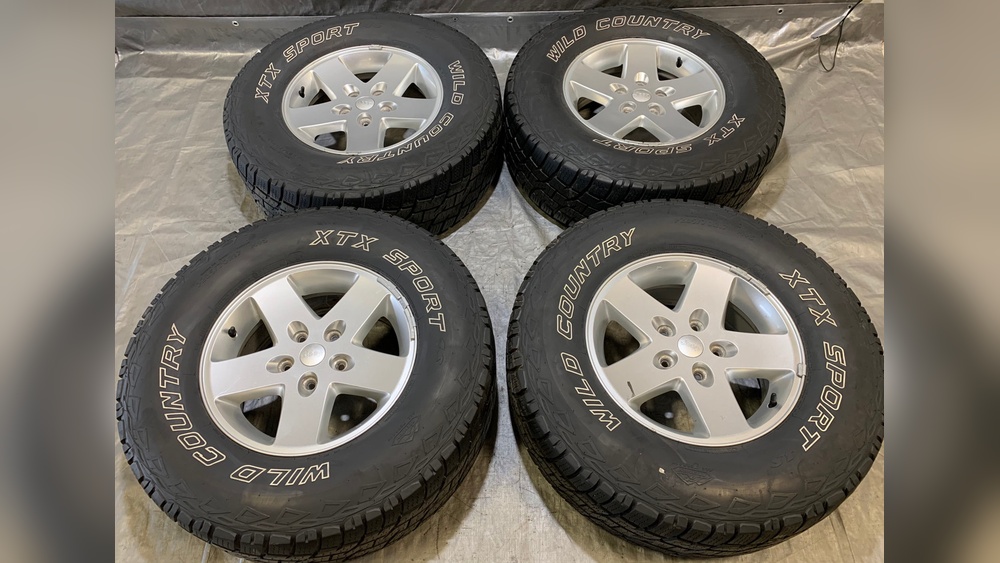
Typical Stock Tire Sizes By Jeep Wrangler Model
Over the years, Jeep has released several versions of the Wrangler: YJ, TJ, JK, and JL. Each has its own standard tire sizes. Here are the most common ones you’ll find:
| Model | Production Years | Common Stock Tire Size |
|---|---|---|
| Wrangler YJ | 1987–1995 | 205/75R15 or 225/75R15 |
| Wrangler TJ | 1997–2006 | 215/75R15 or 30×9.5R15 |
| Wrangler JK | 2007–2018 | 225/75R16, 255/75R17, or 245/75R17 |
| Wrangler JL | 2018–Present | 245/75R17 or 255/70R18 |
Not every Wrangler comes with the same tires. For example, the Rubicon trim usually gets larger, more aggressive tires from the factory.
How To Read Jeep Wrangler Tire Sizes
Tire sizes can look confusing at first. Let’s break down a common example: 245/75R17.
- 245: The tire’s width in millimeters.
- 75: The aspect ratio (height is 75% of width).
- R: Radial construction (almost all modern tires).
- 17: The wheel diameter in inches.
Some older Wranglers use a format like 30×9.5R15. Here, 30 inches is the tire’s overall diameter, 9.5 inches is the width, and 15 inches is the wheel size.
Stock Jeep Wrangler Tire Size Comparison
To see the actual difference between popular stock sizes, here’s a quick side-by-side:
| Tire Size | Approx. Diameter (inches) | Width (inches) | Wheel Size (inches) |
|---|---|---|---|
| 225/75R15 | 28.3 | 8.9 | 15 |
| 245/75R17 | 31.5 | 9.6 | 17 |
| 255/75R17 | 32.1 | 10.0 | 17 |
| 255/70R18 | 32.1 | 10.0 | 18 |
| 30×9.5R15 | 30 | 9.5 | 15 |
As you can see, even small differences in size can affect how your Wrangler looks and drives.
Why Stock Tire Size Matters
Choosing the right tire size is important for several reasons:
- Speedometer accuracy: Changing tire size affects how your speedometer reads. Larger tires make it read lower than your actual speed.
- Fuel economy: Bigger, heavier tires can lower your miles per gallon.
- Ride comfort: Stock sizes are chosen for a balance of comfort and handling.
- Off-road capability: Larger tires can help off-road, but may need lift kits or changes to your suspension.
Most beginners overlook the impact on gearing. When you install bigger tires, your engine has to work harder, which can make your Wrangler feel slower, especially when climbing hills.

Stock Tire Size By Trim Level
Not all Wrangler trims come with the same tires. For example, the Sport trim usually gets smaller, all-season tires, while the Rubicon has larger, more aggressive all-terrain tires. Here’s how it typically breaks down for the JL generation:
| Trim | Stock Tire Size | Tire Type |
|---|---|---|
| Sport | 245/75R17 | All-season |
| Sahara | 255/70R18 | All-season |
| Rubicon | 285/70R17 | All-terrain |
Notice the Rubicon’s tires are not only wider, but also taller. This helps with off-road ground clearance.
Can You Put Bigger Tires On A Stock Wrangler?
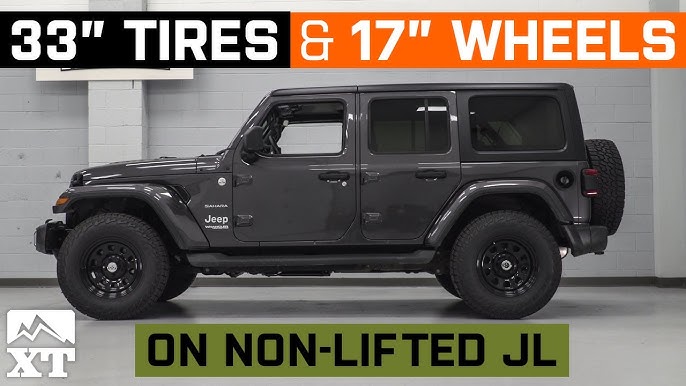
Many Jeep owners want bigger tires for a tougher look or better off-road performance. You can fit up to 33-inch tires on most stock Wranglers without rubbing. However, anything larger (like 35-inch tires) usually requires a lift kit and possible changes to the fender or suspension.
A common beginner mistake is ignoring the need for a recalibrated speedometer or changes to axle gear ratios when moving up in tire size. Not doing this can cause poor performance or even damage over time.
Non-obvious Insights About Stock Wrangler Tires
- Load ratings matter: Stock tires are chosen for a balance of comfort and strength. Swapping to a tire with a lower load rating can make your Jeep less safe, especially when carrying passengers or gear.
- Wheel offset: The position of your wheels (how far in or out they sit) affects what size tire you can run without rubbing. Stock wheels have less offset than many aftermarket choices, which means some bigger tires won’t fit without new wheels.
When Should You Change Your Stock Tires?
You might want to change your tires if:
- You need better grip for off-roading or snow.
- Your current tires are worn out (usually around 40,000–50,000 miles).
- You want a different look or better ground clearance.
If you do change, try to keep the new tire size within 3% of the original diameter to avoid problems with your speedometer and handling.
Frequently Asked Questions
What Is The Biggest Tire You Can Put On A Stock Jeep Wrangler?
Most stock Wranglers can fit up to a 33-inch tire without modifications. Going bigger usually requires a lift kit or other changes.
Does Changing Tire Size Affect My Warranty?
Usually, just changing tire size does not void your warranty, but damage caused by improper installation or extreme sizes could. Always check your owner’s manual or ask your dealer.
How Do I Know My Current Tire Size?
Look at the sidewall of your tire. The size will be printed, such as 245/75R17. It’s also listed on a sticker inside the driver’s door.
Will Bigger Tires Hurt My Gas Mileage?
Yes, larger tires are heavier and make your engine work harder, which can lower your fuel economy by a few miles per gallon.
Where Can I Find More Information On Jeep Wrangler Tire Sizes?
You can find detailed specs and recommendations on the Jeep Wrangler Wikipedia page.
Whether you’re keeping your Wrangler stock or planning an upgrade, knowing your tire size options helps you make the best choice for style, safety, and performance. With the right tires, your Jeep will be ready for the road or the trail ahead.



















