The heater core in your 2010 Jeep Wrangler is a vital component, much like the radiator for your engine. It’s a small, compact radiator located inside your Jeep's dashboard.
Its job is to warm the air that blows through your vents, keeping you comfortable during cold weather. When this part malfunctions, you’ll quickly notice the lack of heat, but sometimes the signs are more subtle and can be mistaken for other issues.
Understanding how the heater core works, how to identify problems, and what’s involved in its replacement is crucial for any Wrangler owner. This guide will walk you through everything you need to know about the heater core for your 2010 Jeep Wrangler.
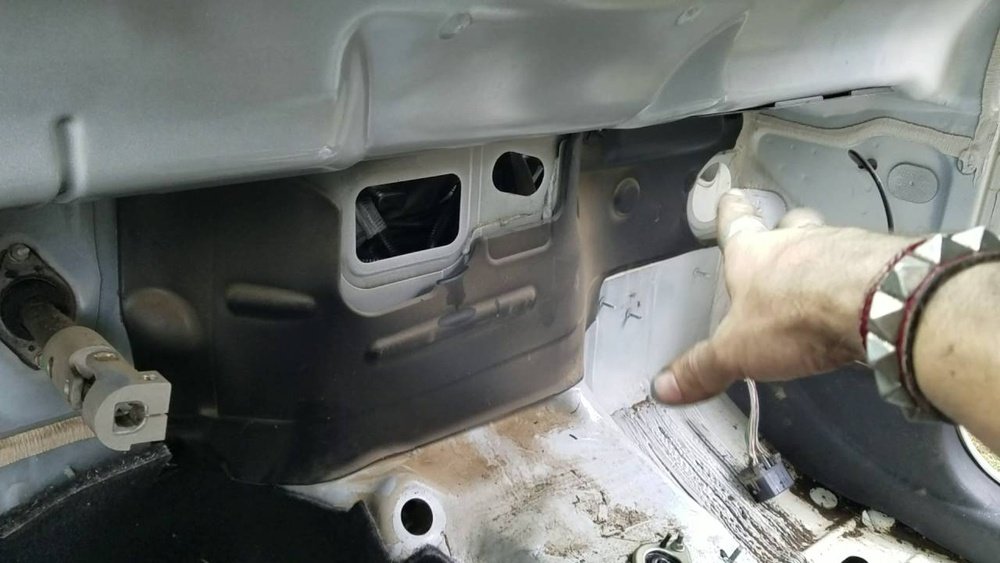
Understanding The Heater Core System
The heater core is part of your Jeep’s overall heating, ventilation, and air conditioning (HVAC) system. It works in tandem with your engine’s cooling system. Here’s a simple breakdown of how it functions:
- Hot Coolant Flow: When your engine runs, it generates heat. The coolant circulating through the engine absorbs this heat. A portion of this hot coolant is then diverted through two hoses towards the heater core, which is situated behind the dashboard.
- Heat Exchange: As the hot coolant flows through the small tubes and fins of the heater core, the air from your Jeep’s blower motor is pushed across these fins. This process transfers the heat from the coolant to the air.
- Warm Air Distribution: The now-heated air is then directed through the vents into the cabin of your Wrangler, providing warmth. When you turn your temperature control dial to “hot,” you are essentially opening a valve that allows coolant to flow into the heater core and directing the blower motor to push air through it.
The system relies on a few key components working together: the engine’s coolant, the heater hoses that carry the coolant, the heater core itself, the blower motor, and the control valves that regulate coolant flow and air direction. Any failure in this chain can lead to a loss of cabin heat.
Signs Of A Failing Heater Core
A failing heater core can manifest in several ways. Recognizing these signs early can save you from a chilly ride and potentially prevent more serious damage to your HVAC system.
Lack Of Heat
The most obvious sign is a complete absence of heat from your vents, even when you turn the temperature control to the highest setting. This usually means that either no hot coolant is reaching the heater core, or the heater core itself is blocked and cannot transfer heat effectively.
Strange Smells
If you notice a sweet, syrupy smell inside your Jeep, especially when the engine is running and the heat is on, it’s a strong indicator of a leaking heater core. The coolant has a distinctive sweet odor, and if it’s leaking internally into the cabin, you’ll smell it. This smell can also be accompanied by a foggy film on the inside of your windshield.
Wet Carpets Or Floor Mats
A leak in the heater core will often result in coolant pooling inside your Jeep. Check the passenger side floorboard and around the firewall area. If you find a sticky, often greenish or pinkish (depending on your coolant color) liquid, it’s a clear sign that your heater core is leaking.
Overheating Engine
While less common, a severely leaking or clogged heater core can sometimes impact the engine’s cooling system. If the heater core is completely blocked, it can reduce the overall flow of coolant, potentially leading to engine overheating. However, this is usually a symptom of a more widespread cooling system issue.
Decreased Defroster Performance
If your defroster isn’t clearing your windshield as effectively as it used to, especially in cold, damp conditions, it could be related to the heater core. A leak can reduce the pressure in the cooling system, or a blockage can impede the flow of warm air needed for effective defrosting.

Heater Core Replacement: What To Expect
Replacing a heater core in a 2010 Jeep Wrangler is not a simple DIY job for most people. It is a labor-intensive process that requires significant disassembly of the dashboard.
Why It’s Difficult
The heater core is buried deep within the dashboard assembly. To access it, technicians typically need to remove:
- The entire dashboard (or at least a significant portion of it)
- Steering column components
- Center console parts
- Various electrical connectors and wiring harnesses
- HVAC ducting
This level of disassembly means that it takes a considerable amount of time, often several hours, even for experienced mechanics. This translates to higher labor costs.
The Process
While the exact steps can vary slightly, a typical heater core replacement involves:
- Disconnecting the Battery: Always the first step for safety.
- Draining Coolant: Some coolant will need to be drained to prevent spills when disconnecting the heater hoses.
- Dashboard Disassembly: This is the most time-consuming part. All necessary components are carefully removed and set aside.
- Accessing the HVAC Unit: Once the dashboard is out of the way, the HVAC housing containing the heater core and evaporator can be accessed.
- Removing the Old Heater Core: The old unit is unbolted and disconnected from the heater hoses.
- Installing the New Heater Core: The new heater core is installed, and new O-rings or seals are typically used.
- Reassembly: This is the reverse of the disassembly process. Every screw, clip, and connector must be put back in its correct place.
- Refilling and Bleeding the Cooling System: Once everything is back together, the cooling system is refilled with the correct coolant mixture, and the system is bled to remove any air pockets.
- Testing: The HVAC system is tested to ensure proper heat output and check for any leaks.
Cost Considerations
The cost of replacing a heater core can vary significantly based on your location, the specific shop you choose, and whether you opt for an OEM (Original Equipment Manufacturer) part or an aftermarket one.
- Parts Cost: A new heater core itself can range from $50 to $200 for aftermarket options, and potentially more for OEM parts.
- Labor Cost: This is the biggest factor. Because of the extensive labor involved, you can expect labor costs to be anywhere from $400 to $1000 or more.
- Total Cost: Therefore, a heater core replacement for a 2010 Jeep Wrangler can easily range from $500 to over $1200.
Diy Vs. Professional Replacement
Deciding whether to tackle this job yourself or hire a professional is a significant decision.
Diy Considerations
- Tools: You’ll need a comprehensive set of tools, including socket sets, wrenches, screwdrivers, trim removal tools, and potentially specialized tools for dashboard clips.
- Time: Be prepared to dedicate a full weekend, or even longer, to this job. Rushing the process can lead to mistakes and damaged parts.
- Knowledge: You need a good understanding of automotive systems and the ability to follow complex instructions, often from online guides or repair manuals.
- Risk: There’s always a risk of damaging other components during disassembly or reassembly if you’re not careful. Electrical connections are particularly sensitive.
- Cost Savings: The primary motivation for DIY is to save on labor costs. You’ll only be paying for the part and any tools you might need to buy.
Professional Replacement
- Expertise: Professional mechanics have the experience and knowledge to perform the job efficiently and correctly. They know the common pitfalls and how to avoid them.
- Warranty: Most reputable shops offer a warranty on both parts and labor, giving you peace of mind.
- Time Savings: You can drop off your Jeep and have it back in a day or two, saving you significant personal time.
- Higher Cost: As mentioned, the labor costs are substantial, making this the more expensive option.
Pro Tip: If you decide to go the DIY route, invest in a good quality repair manual specifically for your 2010 Jeep Wrangler. These manuals provide detailed, step-by-step instructions with diagrams that are invaluable for complex jobs like this.

Heater Core Alternatives And Bypass
In some situations, especially if you’re facing an immediate need for heat and can’t get a replacement part quickly, or if you’re planning a more permanent modification, you might consider bypassing or temporarily disabling the heater core.
Bypassing The Heater Core
Bypassing involves rerouting the coolant hoses so that they don’t go through the heater core. This prevents coolant from circulating through it.
How to Bypass (General Steps):
- Locate the two heater hoses coming through the firewall into the cabin.
- Disconnect these hoses from the heater core nipples.
- Connect these two hoses together using a heater hose connector or a short piece of appropriate-sized hose. This creates a continuous loop for the coolant to bypass the heater core.
- Ensure the connection is secure with hose clamps.
Consequences of Bypassing:
- No Cabin Heat: The primary consequence is that you will have no heat available for the cabin. This is generally only a temporary solution for warmer climates or if you need to drive the vehicle immediately to a repair shop.
- Potential Impact on Engine Cooling: While usually minor, bypassing the heater core removes a small amount of surface area from the engine’s cooling loop. In extremely hot conditions or if the rest of the cooling system is marginal, this could theoretically contribute to slightly higher engine temperatures, though it’s rarely a significant issue for most vehicles.
When To Consider Bypassing
- Emergency Repair: If your heater core has failed catastrophically (e.g., a major leak) and you need to drive the vehicle a short distance to get it fixed.
- Off-Road/Summer Use: Some off-road enthusiasts in very hot climates might permanently bypass the heater core to simplify the HVAC system and eliminate a potential failure point, especially if they never intend to use the heat.
Warning: Bypassing the heater core means you will lose all cabin heat. This is not a viable long-term solution for driving in cold weather. Ensure that any bypass is done with high-quality hoses and clamps that can withstand the pressure and temperature of the cooling system.
Maintenance Tips To Extend Heater Core Life
While heater cores can fail due to age and corrosion, proper maintenance can help extend their lifespan and prevent premature issues.
Use The Right Coolant
Always use the coolant type recommended by Jeep for your 2010 Wrangler. Using the wrong type of coolant, or a mix of incompatible coolants, can lead to corrosion and blockages within the cooling system, including the heater core. Ensure the coolant is mixed to the correct 50/50 ratio with distilled water for optimal protection against freezing and boiling.
Regular Coolant Flushes
Follow your Jeep’s recommended maintenance schedule for coolant flushes. Over time, coolant degrades and can become contaminated with rust, scale, and other debris. These contaminants can build up inside the heater core, restricting coolant flow and reducing its efficiency. A coolant flush removes old fluid and flushes out potential blockages.
Inspect Hoses And Connections
Periodically inspect the heater hoses that connect to the firewall. Look for any signs of cracking, swelling, or leakage at the connections. Damaged hoses can lead to coolant leaks, and a leak at the connection point to the heater core can be mistaken for a heater core failure.
Monitor Coolant Level
Keep an eye on your coolant level in the overflow reservoir. A consistently low coolant level can indicate a leak somewhere in the system, which might include the heater core. Addressing small leaks promptly can prevent them from becoming larger problems.

Troubleshooting Common Heater Issues
When your 2010 Jeep Wrangler isn’t providing adequate heat, it’s helpful to follow a logical troubleshooting process.
Step 1: Check Coolant Level
The first and easiest check is the coolant level. Ensure it's at the proper mark in the overflow reservoir.
If it's low, add the correct coolant mixture. If it drops again, you have a leak somewhere.
Step 2: Check Heater Control Valve (if Applicable)
Some vehicles have a heater control valve that regulates coolant flow to the heater core. While many Wranglers of this era don’t have a separate valve and rely on blend doors, it’s worth confirming if your specific model has one.
If it does, a malfunctioning valve could prevent hot coolant from reaching the core.
Step 3: Feel Heater Hoses
With the engine warmed up and the heat set to high:
- Carefully locate the two heater hoses going into the firewall.
- Feel both hoses. One should be hot (carrying hot coolant to the heater core), and the other should be cooler (carrying coolant back from the heater core).
- If both hoses are cold or only lukewarm, it suggests a blockage within the heater core or a problem with coolant circulation.
- If one hose is hot and the other is cold, the heater core might be partially blocked.
- If the hoses are hot but you still get no heat, the issue could be with the blend door actuator inside the HVAC system, which controls how much air passes over the heater core.
Step 4: Check For Leaks
Inspect the passenger side floorboard for any signs of wetness or sticky residue. If found, this strongly points to a leaking heater core.
Step 5: Consider Air In The System
If you’ve recently had cooling system work done, air pockets can get trapped. Air in the system can prevent proper coolant flow to the heater core. Bleeding the cooling system can resolve this.
Example: In my experience, a customer reported no heat in their Wrangler during a cold snap. After checking the coolant level (which was fine) and feeling the heater hoses (both were only slightly warm), I suspected a blockage. A system flush with a specialized cleaner helped dislodge the debris, restoring heat. However, if a flush doesn’t work, replacement is the next step.
Heater Core Part Numbers And Options
When it comes time to replace the heater core for your 2010 Jeep Wrangler, you’ll find various options available. Knowing the typical part numbers and the differences between them can help you make an informed choice.
While exact part numbers can vary slightly by manufacturer and specific vehicle trim, a common aftermarket part number for the 2010 Jeep Wrangler heater core is often in the range of 604-210 or similar. Always double-check compatibility with your specific vehicle’s VIN (Vehicle Identification Number) before purchasing.
Types Of Heater Cores
- OEM (Original Equipment Manufacturer): These are parts made by or for Jeep. They are generally considered the highest quality and are guaranteed



















