When winter arrives or temperatures drop, a Jeep Wrangler owner expects their vehicle’s heater to work reliably. But if you turn the dial and all you get is cold air, frustration sets in quickly.
Whether you’re commuting, off-roading, or just parked, a heating system that fails can make driving uncomfortable—or even unsafe. This article will help you understand why the heat is not working in your Jeep Wrangler, how to diagnose the problem, and what solutions are available.
We’ll cover common causes, practical fixes, and some tips you won’t find in most manuals. By the end, you’ll know what to check, what to fix, and when to seek professional help.
How Jeep Wrangler Heating Works
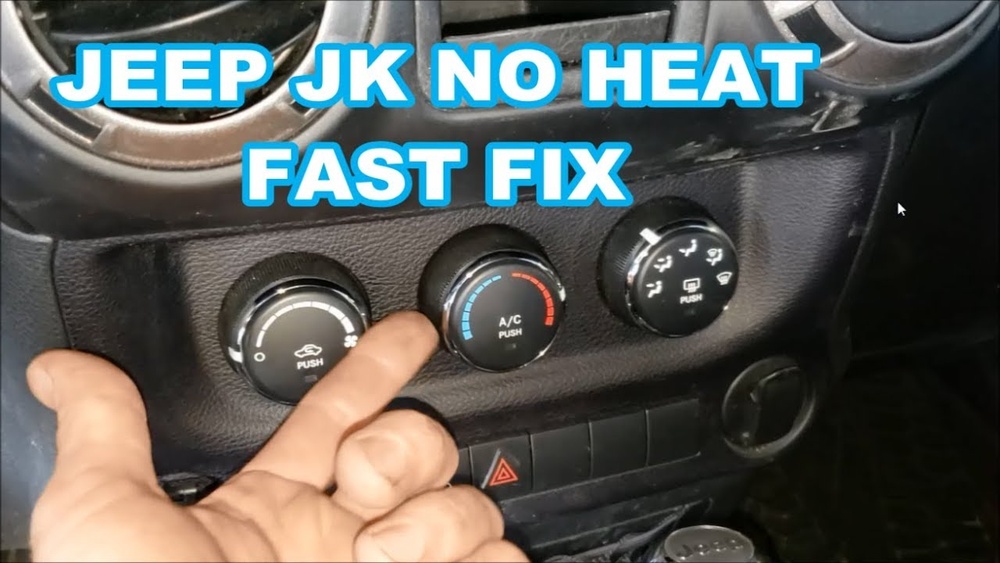
Understanding how your Jeep Wrangler’s heater operates makes troubleshooting easier. The heater relies on the engine’s coolant system. As the engine warms up, coolant heats up and flows through the heater core. The blower fan pushes air over the heater core, warming it before sending it into your cabin.
Key Components
- Heater core: Small radiator inside the dashboard.
- Blower motor: Pushes air through vents.
- Blend door: Controls whether air passes through the heater core.
- Coolant system: Transfers heat from engine to heater core.
- Thermostat: Regulates engine temperature.
If any of these parts fail, your heater may stop working. Knowing these basics helps pinpoint where the problem lies.
Common Reasons Heat Stops Working
Several issues can cause your Jeep Wrangler’s heater to fail. Some are easy to fix, while others need professional attention.
1. Low Coolant Levels
The engine’s coolant is vital for heating. If coolant is low, not enough heat reaches the heater core. You might also notice the engine overheating.
2. Thermostat Failure
A broken thermostat can keep the engine from reaching proper temperature. If the engine stays cool, there’s not enough heat for the cabin.
3. Clogged Heater Core
Over time, rust or debris can block the heater core. This reduces or stops heat transfer.
You may notice weak airflow or lukewarm air.
4. Faulty Blower Motor
If the blower motor fails, air won’t reach the cabin, even if the heater core is warm. No airflow means no heat.
5. Blend Door Problems
The blend door directs air through the heater core or bypasses it. If it’s stuck or broken, cold air may come out even when you want heat.
6. Air In Coolant System
Air pockets can block coolant flow to the heater core. If the system was recently serviced or coolant changed, trapped air might cause trouble.
7. Electrical Issues
Modern Jeep Wranglers use sensors and switches for climate control. A blown fuse, bad relay, or wiring problem can disrupt the heater.
8. Control Panel Malfunction
If the climate controls don’t work or respond, the issue may be the control panel itself, especially in newer Wranglers with digital controls.
Diagnosing Heater Problems
Before you spend money on repairs, try diagnosing the issue. A few simple checks can save time and help you explain the problem to a mechanic.
Step-by-step Guide
- Check Coolant Level: Open the hood and inspect the coolant reservoir. If it’s low, fill it to the recommended level.
- Listen for Blower Motor: Turn on the heater. If you don’t hear the fan, the blower motor may be faulty.
- Feel Engine Temperature: After driving for a few minutes, check if the engine reaches normal temperature. If it stays cold, suspect the thermostat.
- Inspect Heater Core Hoses: Touch the two hoses going into the heater core. Both should be hot. If one is cold, the core might be clogged.
- Try All Settings: Test different climate control settings. If heat works on some but not others, the blend door may be stuck.
- Check for Leaks: Look under the dashboard for wet carpet (possible heater core leak) or under the hood for coolant leaks.
- Look for Error Codes: Newer Wranglers display error codes. Use an OBD-II scanner to check for issues.
Table: Quick Diagnosis Checklist
| Symptom | Possible Cause | Easy Fix? |
|---|---|---|
| No heat, low coolant | Low coolant level | Yes, refill coolant |
| Cold engine, no heat | Thermostat stuck open | Replace thermostat |
| Heat on, weak airflow | Clogged heater core | No, needs cleaning |
| Blower silent | Faulty blower motor/fuse | Check fuse, motor |
| Heat only in one mode | Blend door issue | Check actuator |
Fixing Heater Issues: What You Can Do Yourself
Some Jeep Wrangler heating problems are simple enough for DIY repair. Here’s what you can try before heading to the shop.
Refilling Coolant
- Use a coolant recommended for your Jeep model.
- Never open radiator cap when hot—wait until the engine cools.
- Fill to the marked level and check for leaks.
Replacing Thermostat
- Thermostat is usually affordable and easy to find.
- Locate it near the engine’s coolant outlet.
- Replace if the engine stays cold or heats up slowly.
Bleeding Air From Coolant System
- With engine cool, loosen coolant reservoir cap.
- Run engine and turn heater on full.
- Watch for bubbles—when gone, tighten cap.
Cleaning Heater Core
- Disconnect heater core hoses.
- Flush with water or a cleaning solution.
- Reconnect hoses and refill coolant.
Checking Fuses And Relays
- Find fuse box under the hood or dashboard.
- Replace any blown fuses related to the heater or blower.
Table: Diy Fix Difficulty
| Fix | Time Needed | Skill Level |
|---|---|---|
| Refill coolant | 10 minutes | Beginner |
| Replace thermostat | 30–60 minutes | Intermediate |
| Bleed air | 20 minutes | Beginner |
| Flush heater core | 1–2 hours | Advanced |
| Replace fuse | 5 minutes | Beginner |

When You Need Professional Help
Some problems are too complex for most DIYers. Here are signs it’s time to call a mechanic:
- Persistent coolant leaks: If coolant disappears and you see puddles, a leak might be hidden.
- Electrical faults: If controls, sensors, or actuators fail, diagnosing requires special tools.
- Heater core replacement: This usually requires dash removal—very labor-intensive.
- Recurring issues: If problems return after repairs, deeper issues may exist.
A professional can use diagnostic tools and experience to quickly identify and fix problems. Sometimes, spending money saves time and hassle.
Jeep Wrangler Model Differences
Not all Jeep Wranglers are the same. Heating systems differ between models and years.
Older Models (tj, Yj)
- Simpler, manual controls.
- Heater core and blend doors are easier to access.
- Fewer electronics—mostly mechanical issues.
Newer Models (jk, Jl)
- More sensors and electronic controls.
- Climate control panels can fail.
- Blend doors are often powered by actuators.
Table: Model Comparison
| Model | Common Heat Issues | Repair Complexity |
|---|---|---|
| TJ (1997–2006) | Heater core leaks, blend door failure | Moderate |
| JK (2007–2018) | Actuator failure, thermostat issues | High |
| JL (2018–present) | Sensor/electrical faults, control panel issues | High |
Non-obvious Insights Jeep Owners Miss
Many Jeep owners overlook these points when fixing heating issues:
- Heater core corrosion: Even if coolant looks clean, minerals in tap water used for topping off can corrode the heater core. Use only manufacturer-approved coolant and distilled water.
- Blend door actuator resets: Sometimes, actuators need to be reset after battery changes. Cycling the ignition and climate controls can restore proper function.
- Unseen leaks: A leaking heater core may show up as foggy windows, not just wet carpets. Sweet-smelling air is a clue.
- Coolant type matters: Using the wrong coolant can cause deposits and reduce heating efficiency.
- Off-road use: Heavy off-roading can dislodge hoses or damage electrical connectors, causing unexpected heating problems.
Preventing Future Heating Problems
Routine maintenance can avoid most heating issues in your Jeep Wrangler.
- Check coolant levels every month.
- Inspect hoses and radiator for leaks twice a year.
- Flush the coolant system every 2–3 years.
- Use only recommended coolant and distilled water.
- Run the heater occasionally in summer to keep blend doors moving.
These steps keep your heating system healthy and ready for cold weather.