The Jeep Wrangler YJ is a legendary off-road vehicle, known for its ruggedness and iconic design. For many owners, upgrading the steering wheel is a popular modification.
A new steering wheel can offer a better grip, a more comfortable feel, and a fresh look to the interior. When choosing a Grant steering wheel for a Jeep YJ, you're looking at a brand with a long history in performance automotive parts.
This guide will help you understand the options, installation process, and what to consider when selecting the perfect Grant steering wheel for your YJ.
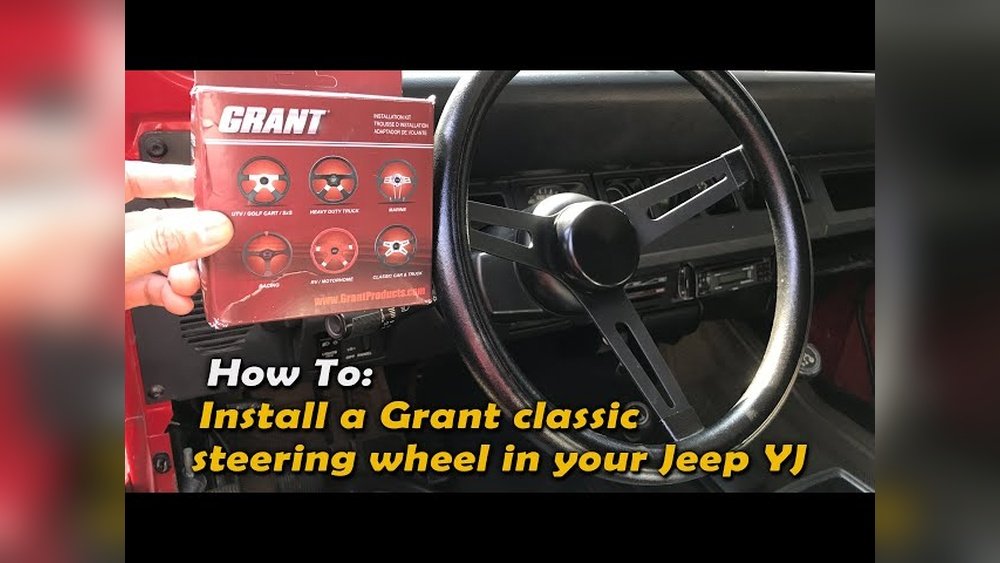
Understanding The Jeep Yj Steering System
Before diving into specific steering wheel models, it’s important to understand the basic steering system of the Jeep YJ. The YJ, produced from 1987 to 1995, uses a recirculating ball steering system. This type of system is known for its durability and ability to handle the stresses of off-roading. It involves a steering box, drag link, tie rod, and the steering wheel itself, which connects to the steering column.
The steering column on the YJ is designed to accept specific steering wheel hub adapters. This is crucial because most aftermarket steering wheels, including Grant’s, do not bolt directly onto the factory column. You will almost always need a hub adapter to bridge the gap between the steering wheel and the YJ’s steering column splines. The quality and compatibility of this adapter are just as important as the steering wheel itself for a safe and secure installation.
Why Upgrade Your Jeep Yj Steering Wheel?
There are several compelling reasons why Jeep YJ owners opt to replace their stock steering wheel:
- Improved Grip and Comfort: The original YJ steering wheel can become worn, slick, or simply uncomfortable over time. Aftermarket wheels often feature materials like leather, foam, or specialized grips that provide a much better tactile experience, especially important when navigating challenging terrain or during long drives.
- Enhanced Aesthetics: The interior of a vehicle significantly contributes to its overall feel. A worn-out steering wheel can make even a well-maintained Jeep feel old. A new Grant steering wheel can instantly modernize and personalize the interior, matching your style or other interior modifications.
- Better Control: Some aftermarket wheels offer a smaller diameter or a different shape (e.g., dished or with finger grips) that can provide a more direct feel and improved leverage, aiding in precise steering inputs.
- Durability: While the YJ is built tough, its original steering wheel might show signs of wear and tear. Grant offers wheels made from durable materials designed to withstand the rigors of off-road use and daily driving.
- Customization Options: Grant provides a wide array of styles, finishes, and spoke designs. This allows you to choose a wheel that perfectly complements your YJ’s exterior and your personal preferences.
Key Considerations When Choosing A Grant Steering Wheel For Your Yj
Grant offers a diverse range of steering wheels, and making the right choice involves considering several factors specific to your Jeep YJ and your needs.
1. Hub Adapter Compatibility
This is the most critical factor. Grant steering wheels require a specific hub adapter to fit the Jeep YJ’s steering column. Grant typically offers a Grant Installation Kit or a specific hub adapter for your vehicle. When purchasing, ensure you get the correct adapter for a 1987-1995 Jeep Wrangler YJ. These adapters are designed to match the spline count and mounting pattern of the YJ’s steering column.
- Spline Count: The YJ column has a specific number of splines that the hub adapter needs to engage with.
- Horn Button/Cap: The hub adapter usually includes provisions for mounting the horn button or a decorative cap. Ensure it’s compatible with the Grant wheel you choose.
- Quality: Opt for a reputable hub adapter. A poorly made adapter can lead to looseness, improper alignment, or even safety issues. Grant’s own kits are generally reliable.
2. Steering Wheel Diameter
Grant wheels come in various diameters, typically ranging from 10 inches to 15 inches. The stock YJ wheel is usually around 14-15 inches.
- Smaller Diameter (e.g., 12-13 inches): Can offer a sportier feel and quicker steering response. However, it can also make the steering feel heavier, especially at low speeds or when maneuvering in tight spots, as it requires more effort to turn the wheels. This is a common choice for off-roaders who want more leverage.
- Larger Diameter (e.g., 14-15 inches): Provides a feel closer to the original, with less effort required for steering. This can be more comfortable for daily driving and highway cruising.
3. Grip Material And Design
The material your hands will touch most often needs to be comfortable and functional.
- Leather: Offers a premium feel, good grip, and durability. It can be perforated for added breathability and grip.
- GEL/Foam: Provides a softer, more cushioned feel. It can be excellent for comfort on long drives or when wearing gloves.
- Urethane: A durable and easy-to-clean option, often used in performance applications.
- Grip Style: Look for features like ergonomic contours, finger grooves, or a thumb rest if you prioritize a secure and comfortable hand position.
4. Spoke Design And Material
The spokes connect the rim to the hub and contribute significantly to the wheel’s appearance.
- Number of Spokes: Common options include 3-spoke, 4-spoke, or even 5-spoke designs. Fewer spokes often create a cleaner, more open look.
- Spoke Style: They can be solid, slotted, or have cutouts. Slotted or cut-out spokes can reduce weight slightly and add a visual flair.
- Material/Finish: Grant wheels often feature spokes in polished aluminum, black, or other finishes to match different interior themes.
5. Dish (concavity)
Steering wheels have a “dish,” which is how far the rim is from the mounting surface of the hub.
- Flat/Zero Dish: The rim is in line with the hub. This provides the most direct feel but can position the wheel closer to the driver.
- Dished: The rim is further away from the driver. A dished wheel can provide more clearance between the driver and the steering wheel, which can be beneficial for larger drivers or those who prefer a slightly different seating position. Grant offers various dish options.
Most Grant steering wheels come with a horn button or cap. These can be branded with the Grant logo, your Jeep's logo, or a custom design.
Ensure the horn button functions correctly after installation and that you like its appearance.
Popular Grant Steering Wheel Series For Jeep Yj
Grant offers several popular series that are well-suited for the Jeep YJ. Here are a few examples:
Grant Signature Series
This series often features a blend of classic and modern styling. They might have comfortable grip materials like leather or foam, and spokes in polished or black finishes.
These are excellent all-around choices that balance aesthetics and function.
Grant Challenger Series
The Challenger series often embodies a sportier, more aggressive look. They might feature perforated leather grips, slotted spokes, and a slightly deeper dish for a more commanding feel.
This series is popular among enthusiasts who want a performance-oriented upgrade.
Grant Roadsport Series
This series focuses on comfort and ergonomics, often featuring thicker grips and contoured designs. If long-distance comfort or a softer feel is a priority, the RoadSport series is worth considering.
Grant R/t Series
The R/T (Race Track) series typically offers a performance-oriented design with features like a center marking for quick alignment and ergonomic grips. These wheels are built for drivers who want a tactile connection to the road and a sporty appearance.
Grant Steering Wheel Installation For Jeep Yj
Installing a Grant steering wheel on a Jeep YJ is a manageable DIY project for those comfortable with basic automotive mechanics. However, safety is paramount, especially when working with the steering system and electrical components like the horn.
Warning: Always disconnect the negative battery terminal before starting any work on the steering wheel or airbag system (if applicable, though YJs typically do not have airbags). Wait at least 15 minutes after disconnecting the battery to allow any residual power to dissipate.
Here’s a general overview of the installation process:
Tools You’ll Need:
- Grant Hub Adapter specific to your Jeep YJ
- Grant Steering Wheel
- Socket set (metric and standard, common sizes include 10mm, 13mm, 15mm)
- Ratchet and extensions
- Torque wrench (highly recommended for proper tightening)
- Steering wheel puller (sometimes required if the wheel is stuck)
- Screwdrivers (Phillips and flathead)
- Wire cutters/strippers (for horn wiring)
- Electrical tape or crimp connectors
- Gloves and safety glasses
Step-by-step Installation Guide:
- Disconnect Battery: As mentioned, disconnect the negative battery terminal.
- Remove Factory Steering Wheel:
- Locate the bolts or screws holding the original steering wheel to the column. These are often on the back side of the steering wheel hub.
- Carefully remove the horn button/center cap. This might involve prying it off or removing small screws.
- Unscrew the center nut holding the steering wheel to the steering column. Do not remove this nut completely yet. Leave it threaded on a few turns to act as a stopper.
- Grip the steering wheel firmly on both sides and pull it towards you while wiggling it. If it doesn’t budge, you may need a steering wheel puller. This tool threads into specific holes on the steering wheel hub and allows you to apply even pressure to pop the wheel off the splines.
- Once the wheel is loose, remove the center nut completely and carefully remove the old steering wheel.
- Install the Hub Adapter:
- Slide the Grant hub adapter onto the steering column splines. It should fit snugly.
- Align the adapter correctly. There’s usually a specific orientation for it to sit flush against the column.
- Secure the hub adapter using the provided hardware. Grant kits often include a specific nut or bolts. Tighten these according to the manufacturer’s instructions. If a torque specification is provided, use a torque wrench.
- Mount the Grant Steering Wheel:
- Align the Grant steering wheel with the splines on the hub adapter. Most wheels have a specific orientation.
- Place the steering wheel onto the adapter.
- Secure the steering wheel to the hub adapter using the bolts provided with the Grant steering wheel kit. Tighten these bolts evenly in a star pattern to ensure the wheel is seated properly and securely. Again, torque specifications are important if available.
- Connect the Horn Wiring:
- The Grant steering wheel will come with wiring for the horn. This usually involves connecting a wire from the hub adapter (which gets power from the column) to the horn contact on the steering wheel.
- Follow the specific instructions provided with your Grant wheel and hub adapter for horn wiring. It typically involves attaching a small wire to the horn contact point on the steering wheel and running it to the horn mechanism on the hub.
- Test the horn before reinstalling the horn button/cap.
- Install Horn Button/Cap:
- Once the horn is confirmed working, attach the Grant horn button or cap. This usually snaps into place or is secured with small screws.
- Reconnect Battery: Reconnect the negative battery terminal.
- Final Check: Turn the steering wheel lock-to-lock to ensure there’s no binding or interference. Test the horn again. Check that all bolts and nuts are securely tightened.
Pro Tip: Take photos before you start disassembling the old wheel. This can be a great reference if you get confused during reassembly. Also, keep all original nuts and bolts in a safe place until you are sure they are not needed for the new installation.
Grant Steering Wheel Options For Jeep Yj: A Closer Look
Let’s explore some specific Grant steering wheel models that are popular choices for the Jeep YJ, keeping in mind that specific availability can change.
1. Grant R/t 13″ Leather Steering Wheel (e.g., Model 741)
This is a very popular choice for its blend of sportiness and comfort.
- Diameter: 13 inches, offering a good balance between quick response and manageable steering effort.
- Material: Genuine leather, often perforated for enhanced grip and breathability.
- Spokes: Typically features 3 spokes in a black or polished finish, with a sporty, open design.
- Dish: Usually has a moderate dish, placing the wheel comfortably within reach.
- Horn Button: Comes with a Grant branded horn cap.
- Why it’s good for YJ: The leather provides excellent grip in all conditions, essential for off-roading. The 13-inch size is a common upgrade that feels more direct than the stock wheel without making steering excessively heavy.
2. Grant Signature Series 14″ Wood Grain Steering Wheel (e.g., Model 962)
For those who prefer a classic, retro look, a wood grain wheel can be a fantastic choice.
- Diameter: 14 inches, very close to the stock size, maintaining similar steering effort.
- Material: A combination of real wood grain and polished spokes.
- Spokes: Often features 3 polished spokes, complementing the wood grain rim.
- Dish: Usually a moderate dish.
- Horn Button: A classic Grant horn button often included.
- Why it’s good for YJ: This wheel adds a touch of vintage luxury to the YJ’s utilitarian interior. It’s a popular choice for YJs that are restored or customized with a classic theme. The 14-inch diameter ensures comfortable steering for daily use.
3. Grant Challenger 13″ Black Steering Wheel (e.g., Model 589)
This wheel offers a more aggressive, performance-oriented aesthetic.
- Diameter: 13 inches, for a sportier feel.
- Material: Often features a durable black grip material, sometimes with textured sections for enhanced hold.
- Spokes: Typically a 3-spoke design with slotted cutouts, giving it a lightweight and race-inspired appearance. Finishes can vary