The fuel pump is a vital part of your 1998 Jeep Grand Cherokee’s engine. It’s responsible for pushing gasoline from the fuel tank to the engine.
Without a working fuel pump, your Jeep simply won’t run. Over time, like any mechanical component, fuel pumps can wear out.
This can lead to a range of problems, from rough idling to complete engine failure. Understanding how a fuel pump works, what to look for when it starts to fail, and how to choose the right replacement is crucial for any owner of a '98 Grand Cherokee.
This guide will walk you through everything you need to know about the fuel pump for your specific vehicle, ensuring you can keep your iconic SUV running smoothly for years to come.
Understanding The Fuel Pump System In Your 1998 Jeep Grand Cherokee
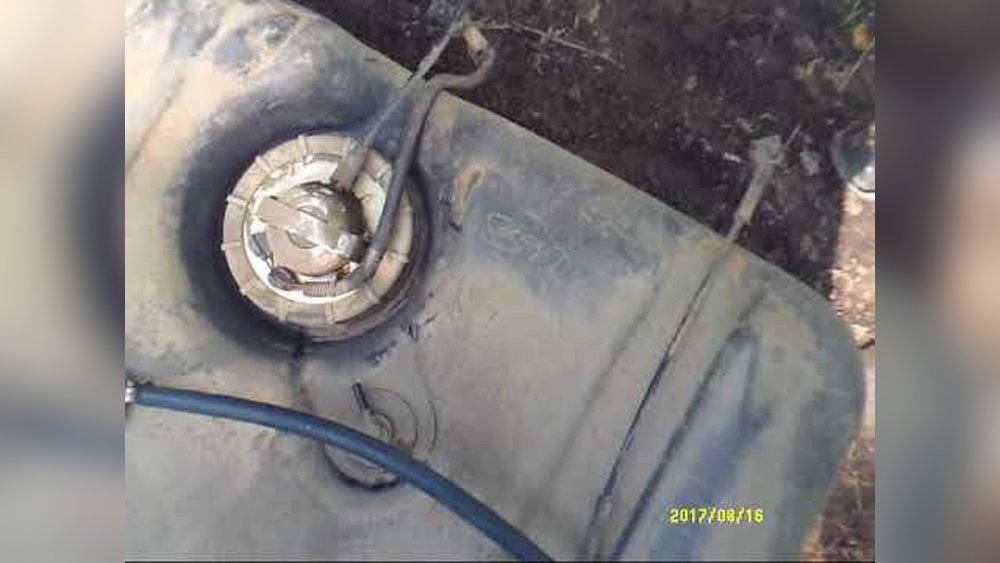
Your 1998 Jeep Grand Cherokee uses an electric fuel pump. Unlike older mechanical pumps that were driven by the engine’s camshaft, electric pumps are powered by the vehicle’s electrical system. This electric pump is typically located inside the fuel tank, often as part of a fuel pump module or sending unit assembly. This assembly includes the pump itself, a fuel filter, a fuel level sensor (which tells your gauge how much gas is in the tank), and sometimes a pressure regulator.
The pump draws fuel from the tank and sends it through the fuel lines, under pressure, to the engine’s fuel injectors or carburetor. The pressure is maintained by a regulator, ensuring the engine receives the correct amount of fuel for optimal performance.
When you turn the ignition key to the 'ON' position (but before starting the engine), you should hear a brief whirring or buzzing sound. This is the fuel pump priming the system, building up the necessary pressure.
If you don’t hear this sound, it’s often an early indicator of a fuel pump issue.
The fuel pump module is designed to work with the specific fuel delivery system of your ’98 Grand Cherokee, whether it’s equipped with a 4.0L inline-6 engine or the 5.2L V8. The system is calibrated to deliver a certain fuel pressure, which is critical for proper combustion. Too little pressure means the engine starves for fuel, leading to hesitation and stalling. Too much pressure can overwhelm the fuel injectors, causing a rich fuel mixture, poor performance, and potentially engine damage.
Signs Of A Failing Fuel Pump
Recognizing the symptoms of a failing fuel pump is key to preventing unexpected breakdowns. These signs can sometimes be subtle, but they often become more pronounced as the pump deteriorates.
Power Loss And Hesitation
One of the most common signs of a weak fuel pump is a noticeable loss of power, especially under load. When you accelerate, the engine demands more fuel. If the fuel pump can’t keep up with this demand, the engine will hesitate or stumble. This might feel like the Jeep is struggling to get up to speed, particularly when going uphill or carrying a heavy load.
Rough Idling And Stalling
A fuel pump that is not delivering consistent fuel pressure can cause your Grand Cherokee to idle roughly. The engine might shake more than usual, or the RPMs might fluctuate. In more severe cases, the engine may stall completely, especially when coming to a stop. This happens because the fuel pressure drops too low to keep the engine running smoothly.
Difficulty Starting
If your fuel pump is failing, you might experience difficulty starting your Jeep. This can manifest in a few ways. You might have to crank the engine for a longer time than usual before it fires up. Sometimes, the engine will start, then immediately die. This is often due to the pump not being able to build enough pressure in the fuel lines when you first turn the key.
Whining Noise From The Fuel Tank Area
Electric fuel pumps, especially as they begin to fail, can become noisy. You might hear a whining or buzzing sound coming from the rear of the vehicle, near the fuel tank. This noise is often more apparent when the fuel level is low, as the fuel itself helps to cool and quiet the pump. If you notice a new, persistent whine, it’s a strong indicator that the fuel pump is on its way out.
Reduced Fuel Economy
While not always the first symptom, a failing fuel pump can sometimes lead to reduced fuel economy. This might seem counterintuitive, as a weak pump struggles to deliver fuel. However, if the pump is working overtime to try and maintain pressure, or if the fuel pressure regulator is malfunctioning and allowing too much fuel to return to the tank, you might see a decrease in your miles per gallon.
Check Engine Light
The Check Engine Light can illuminate for a variety of reasons, and a faulty fuel pump is one of them. The onboard computer system monitors engine performance, including fuel delivery. If it detects fuel pressure that is consistently too low or too high, or if other related sensor readings are out of range, it can trigger the light.

Choosing The Right Fuel Pump For Your 1998 Jeep Grand Cherokee
When it’s time to replace the fuel pump on your 1998 Grand Cherokee, you’ll find a variety of options. Making the right choice ensures reliability and longevity.
Oem Vs. Aftermarket Parts
OEM (Original Equipment Manufacturer) parts are made by or for the vehicle manufacturer. They are generally considered the highest quality and are designed to meet the exact specifications of your Jeep. However, they are also typically the most expensive.
Aftermarket parts are made by other companies. The quality can vary significantly. Some aftermarket brands are excellent and offer reliable performance, often at a lower price point than OEM. Others may be of lower quality, leading to premature failure. It’s important to research brands and read reviews.
Key Features To Consider
When selecting a fuel pump, pay attention to the following:
- Flow Rate: This is the amount of fuel the pump can deliver per hour. Ensure the replacement pump meets or exceeds the original specifications for your Grand Cherokee’s engine.
- Pressure: The pump must be capable of producing the correct fuel pressure required by your engine. This is usually specified in PSI (pounds per square inch).
- Compatibility: Double-check that the pump is specifically designed for the 1998 Jeep Grand Cherokee, and for your specific engine (4.0L or 5.2L).
- Included Components: Some pumps come as a complete assembly, including the sending unit and filter. Others are just the pump itself, requiring you to reuse existing components. A complete assembly can be easier to install and ensures all related parts are new.
- Warranty: A good warranty provides peace of mind. Look for pumps that offer at least a one-year warranty, and ideally longer.
Reputable Brands
Some well-regarded brands for fuel pumps include:
- Bosch: Known for high-quality, reliable automotive parts.
- Carter: A long-standing name in fuel systems.
- Delphi: Often supplies OEM components and offers quality aftermarket parts.
- Airtex: A popular aftermarket brand offering a wide range of fuel pumps.
Always verify the specific model compatibility for your 1998 Grand Cherokee with the manufacturer or a trusted auto parts supplier.
Fuel Pump Replacement: A Step-by-step Overview
Replacing a fuel pump is a moderately difficult task that requires some mechanical skill and safety precautions. Since the pump is located inside the fuel tank, dropping the tank is usually necessary.
Disclaimer: This is a general overview. Always consult a service manual specific to your 1998 Jeep Grand Cherokee for detailed instructions and safety warnings. If you are not comfortable with this type of repair, it is best to have it done by a qualified mechanic.
Safety First!
- Work in a well-ventilated area. Fuel vapors are highly flammable.
- Disconnect the battery. This prevents electrical sparks.
- Wear safety glasses and gloves.
- Have a fire extinguisher nearby.
- Relieve fuel system pressure. This can be done by disabling the fuel pump (e.g., by pulling the fuel pump fuse or relay) and then trying to start the engine until it stalls.
Tools And Parts Needed
- New fuel pump assembly (or pump, filter, and sending unit if sold separately)
- Fuel tank straps and mounting hardware (consider replacing if rusted)
- New fuel filter
- Basic mechanic’s tool set (wrenches, sockets, screwdrivers)
- Pliers (including hose clamp pliers)
- Floor jack and jack stands
- Drain pan or bucket
- Penetrating oil (for rusted bolts)
- Shop rags
The Replacement Process
- Access the Fuel Tank: You’ll likely need to lift the rear of the Jeep using a floor jack and secure it with jack stands. Then, you’ll need to unbolt and lower the fuel tank. This can be heavy, so be prepared. Sometimes, you can access the top of the fuel pump without removing the tank by cutting an access hole in the floor pan, but this is more complex and often not recommended for DIYers.
- Disconnect Fuel Lines and Electrical Connector: Carefully disconnect the fuel lines leading to the pump assembly. Use a container to catch any residual fuel. Disconnect the electrical connector.
- Remove the Old Pump Assembly: The fuel pump module is typically held in place by a locking ring. This ring can be difficult to remove and may require a special tool or careful persuasion with a hammer and punch. Once the ring is off, lift the old pump assembly out of the tank.
- Clean the Tank (Optional but Recommended): While the tank is out, you can inspect its interior for debris and clean it if necessary.
- Install the New Pump Assembly: Carefully place the new fuel pump assembly into the tank, ensuring it is seated correctly. Reinstall the locking ring, tightening it securely.
- Reconnect Fuel Lines and Electrical Connector: Connect the fuel lines and the electrical connector to the new assembly.
- Reinstall the Fuel Tank: With the new pump in place, carefully lift the fuel tank back into position and reattach it using the fuel tank straps.
- Reconnect Battery and Prime the System: Reconnect the battery. Turn the ignition key to the ‘ON’ position (without starting the engine) to allow the new pump to prime the system. Listen for the familiar whirring sound. Check for any fuel leaks.
- Start the Engine: Start the engine and let it run for a few minutes. Check again for leaks and ensure the engine is running smoothly.
Common Fuel Pump Issues And Troubleshooting
Even with a new pump, problems can arise. Here are some common issues and how to approach them.
Intermittent Failure
Sometimes, a fuel pump may work intermittently. This can be due to a failing electrical connection, a worn pump motor, or a faulty pressure regulator.
If the problem is intermittent, it can be harder to diagnose.
- Check Connections: Ensure all electrical connectors are clean and securely attached.
- Test Fuel Pressure: Use a fuel pressure gauge to check if the pressure is within the specified range for your 1998 Grand Cherokee. This is a critical diagnostic step.
- Observe System Behavior: Does the problem occur when the engine is hot or cold? Does it happen under load or at idle? These observations can help pinpoint the cause.
Clogged Fuel Filter
The fuel filter is designed to catch debris before it reaches the fuel pump and injectors. If the filter becomes clogged, it restricts fuel flow, putting a strain on the pump and potentially causing it to overheat or fail prematurely.
- Replace the Filter Regularly: The fuel filter should be replaced periodically as part of routine maintenance. A clogged filter will cause symptoms similar to a failing fuel pump, including power loss and hesitation.
Electrical Issues
The fuel pump relies on a steady supply of electrical power. Problems with the fuel pump relay, fuse, wiring, or even the fuel pump control module (if equipped) can prevent the pump from operating.
- Check Fuses and Relays: Consult your owner’s manual to locate the fuel pump fuse and relay. Check if the fuse is blown and test the relay for proper operation.
- Inspect Wiring: Look for any damaged or corroded wiring leading to the fuel pump.
Fuel Pump Lifespan And Maintenance
The lifespan of a fuel pump can vary greatly depending on driving conditions, fuel quality, and maintenance habits.
Factors Affecting Lifespan
- Fuel Quality: Using clean, high-quality fuel is essential. Contaminated fuel can clog the pump’s internal components and shorten its life.
- Driving Habits: Frequent short trips where the engine doesn’t reach optimal operating temperature can be harder on the fuel system. Driving with a very low fuel level for extended periods can also cause the pump to overheat, as the fuel helps to cool it.
- Maintenance: Regularly replacing the fuel filter is crucial. A clogged filter forces the pump to work harder, reducing its lifespan.
Typical Lifespan
While there’s no exact number, a fuel pump in a 1998 Jeep Grand Cherokee can typically last anywhere from 60,000 to 100,000 miles, or even longer with proper care. However, components in vehicles of this age are more prone to wear and tear, so a failure outside of this range is not uncommon.
Frequently Asked Questions
What Is The Typical Cost To Replace A Fuel Pump On A 1998 Jeep Grand Cherokee?
The cost can vary significantly based on your location, the shop you choose, and whether you opt for an OEM or aftermarket part. Generally, you can expect to pay anywhere from $300 to $800 or more. The part itself might cost $100-$300, with the rest being labor. Dropping the fuel tank is labor-intensive, which is why the labor costs can be high.
Can I Drive My Jeep With A Failing Fuel Pump?
It’s not recommended to drive extensively with a failing fuel pump. While your Jeep might still run, the symptoms will likely worsen. You risk being stranded unexpectedly, and a severely struggling pump could potentially cause damage to other fuel system components. It’s best to address the issue as soon as you notice symptoms.
How Do I Know If It’s The Fuel Pump Or The Fuel Filter?
Both a failing fuel pump and a clogged fuel filter can cause similar symptoms like power loss, hesitation, and difficulty starting. The best way to differentiate is to test the fuel pressure. If the pressure is low and remains low even after replacing the filter, the fuel pump is likely the culprit. If replacing the fuel filter resolves the issue, then the filter was the problem.
Where Is The Fuel Pump Located In A 1998 Jeep Grand Cherokee?
The fuel pump for the 1998 Jeep Grand Cherokee is located inside the fuel tank. It is typically part of a complete fuel pump module assembly, which also includes the



















