Jeeps are built for adventure. They tackle tough trails, carry gear, and look rugged doing it.
To get the most out of your Jeep, you need parts that match its spirit. Fuel Cyclone wheels are a popular choice for Jeep owners who want a wheel that looks as tough as it performs.
These wheels offer a bold design and are built to handle the demands of off-roading.
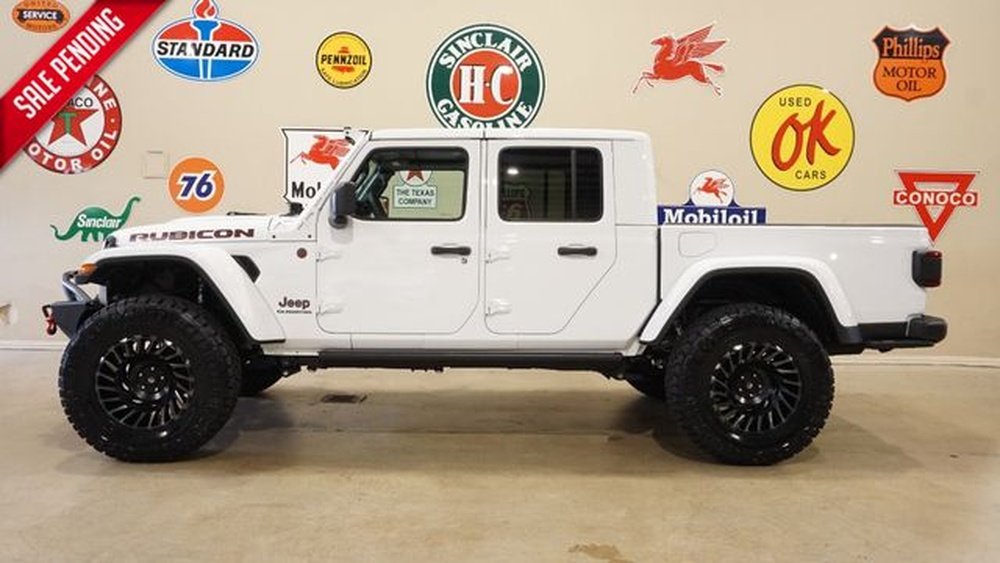
Fuel Off-Road is a well-known brand in the aftermarket wheel industry. They make wheels for a wide range of vehicles, but they have a special focus on trucks and SUVs like Jeeps.
The Fuel Cyclone is one of their signature designs.
It’s known for its aggressive look, with deep lips and a multi-spoke pattern that stands out. This article will explore the Fuel Cyclone wheels, looking at their design, features, benefits, and what makes them a great option for your Jeep.
We’ll also cover how to choose the right size and finish, and what to expect when you install them.
The Appeal Of Fuel Cyclone Wheels
When you see a set of Fuel Cyclone wheels on a Jeep, the first thing that strikes you is their aggressive styling. These wheels are not subtle. They are designed to make a statement, to complement the rugged nature of a Jeep and give it an even more imposing presence. The Cyclone design typically features a deep concave profile with numerous spokes that often split or twist, creating a dynamic and powerful look. This visual depth makes the wheels appear larger and more substantial, which is a big part of their appeal for Jeep owners.
Beyond the aesthetics, the design is also functional. The multi-spoke pattern is not just for looks; it helps distribute stress across the wheel. This is crucial for off-road use where wheels can face significant impacts from rocks, potholes, and uneven terrain. The robust construction means they are built to last and withstand harsh conditions. Many Fuel Cyclone wheels are made from one-piece alloy, which offers a good balance of strength and weight. Lighter wheels can improve a vehicle’s performance, including acceleration and fuel efficiency, although the primary draw for the Cyclone is often its imposing look and durability.
Design Features Of The Fuel Cyclone
The Fuel Cyclone wheel is recognizable by its distinctive design elements. While Fuel Off-Road offers variations, the core Cyclone aesthetic remains consistent and impactful.
- Deep Concave Profile: This is perhaps the most defining feature. The spokes appear to “sink” towards the center of the wheel, creating a dramatic, three-dimensional effect. This depth adds visual weight and makes the wheel look more substantial.
- Multi-Spoke Design: Cyclones typically feature a large number of spokes, often 8, 10, or even more. These spokes are usually intricate, sometimes splitting into thinner arms or featuring sharp angles that enhance the aggressive look.
- Bolt Pattern and Offset: Fuel Cyclone wheels are available in various bolt patterns and offsets to fit specific Jeep models. The offset is particularly important for achieving the desired stance, whether you want the wheels to sit flush with the fenders or extend slightly for a wider, more aggressive look.
- Bolt Head Accents: Many Cyclone wheels include decorative bolt heads around the lip or near the center cap. These can be finished in contrasting colors, adding another layer of visual detail and reinforcing the rugged, industrial feel.
Material And Construction
Fuel Cyclone wheels are typically constructed from high-quality aluminum alloy. This material is chosen for its excellent strength-to-weight ratio.
- One-Piece Alloy Construction: Most Cyclone models are made using a one-piece casting process. This method involves pouring molten aluminum alloy into a mold. The resulting wheel is strong, durable, and relatively affordable to produce. It’s a standard method for many aftermarket wheels designed for heavy-duty use.
- Strength for Off-Roading: The alloy construction provides the necessary strength to withstand the rigors of off-road driving. This includes impacts from obstacles, the stress of low tire pressures, and the general wear and tear that comes with exploring rough terrain.
Benefits Of Choosing Fuel Cyclone Wheels For Your Jeep
When you upgrade your Jeep’s wheels, you’re looking for more than just a new look. You want improved performance, durability, and a wheel that complements your driving style.
Fuel Cyclone wheels offer a compelling package for Jeep owners.
Enhanced Aesthetics
The most immediate benefit is the visual transformation your Jeep undergoes. The bold, aggressive styling of the Fuel Cyclone wheels can dramatically change the vehicle’s appearance, giving it a more menacing and capable look. This is especially true for lifted Jeeps, where larger wheels and aggressive offsets create a powerful stance. The deep concave design and intricate spoke patterns catch the eye and make your Jeep stand out from the crowd.
Improved Durability And Strength
Jeeps are often used for off-roading, which means their components are subjected to extreme stress. Fuel Cyclone wheels are engineered with this in mind. Their robust construction using premium aluminum alloy makes them resistant to bending, cracking, and other damage that can occur when navigating rocky trails or hitting unexpected bumps. This durability means you can tackle challenging terrain with more confidence, knowing your wheels can handle the punishment.
Performance Considerations
While the primary appeal of the Cyclone is often its looks and strength, there are performance advantages too.
- Weight: Compared to stock steel wheels, many aftermarket alloy wheels, including the Fuel Cyclone, can be lighter. Reduced unsprung weight (the weight of components not supported by the suspension) can lead to improved handling, better acceleration, and slightly enhanced fuel economy.
- Tire Fitment: Fuel Cyclone wheels are available in a wide range of sizes and bolt patterns, allowing for perfect fitment with various tire types and sizes. This flexibility is crucial for Jeep owners looking to optimize their setup for specific off-road conditions, whether it’s mud, sand, or rock crawling.
Wide Range Of Options
Fuel Off-Road offers the Cyclone design in several finishes and sizes, allowing you to customize your Jeep’s look precisely.
- Finishes: Common finishes include Gloss Black, Matte Black, Anthracite, and Satin Black. Some variations might also feature machined accents or chrome details, offering different levels of flash and contrast.
- Sizes: Fuel Cyclones are available in diameters ranging from 17 inches up to 24 inches or more, with various widths and bolt patterns to suit different Jeep models (Wrangler, Grand Cherokee, Cherokee, etc.) And desired setups.

Choosing The Right Fuel Cyclone Wheels For Your Jeep
Selecting the perfect wheels for your Jeep involves more than just picking a style you like. You need to consider size, fitment, and how the wheels will perform with your specific vehicle and driving needs.
Understanding Wheel Size And Fitment
The size of your wheels (diameter and width) and their offset are critical for proper fitment and achieving the desired look and performance.
- Diameter: Common sizes for Jeeps range from 17 inches to 20 inches. Larger diameters (e.g., 22-24 inches) are available but are less common for serious off-roading as they require smaller tire sidewalls, which can be less forgiving on rough terrain. For a balance of style and off-road capability, 17-inch or 18-inch wheels are often preferred.
- Width: Wheel width affects how the tire sits on the rim and the overall stance of the vehicle. Wider wheels can accommodate wider tires, which can improve traction and stability, especially off-road.
- Bolt Pattern: Jeeps use specific bolt patterns (e.g., 5x127mm or 5×5 inches for most Wranglers and Cherokees). It is essential to choose wheels with the correct bolt pattern to ensure they mount safely and securely to your Jeep’s hubs.
- Offset: The offset determines how far the wheel sits inward or outward from the hub mounting surface.
- A negative offset pushes the wheel further out, creating a wider stance. This is often desired for aesthetic reasons and can improve stability.
- A positive offset pushes the wheel further in.
- Zero offset means the mounting surface is exactly in the center.
For Jeeps, especially those with larger tires or suspension modifications, controlling the offset is key to avoiding rubbing against suspension components or fenders.
Tire And Wheel Size Combinations
The choice of wheel size directly impacts the tire size you can run. It’s a delicate balance.
- Larger wheels typically mean smaller tire sidewalls. While this can look sleek, it reduces the tire’s ability to absorb impacts and conform to uneven surfaces off-road. It also increases the risk of damaging the wheel from impacts.
- Smaller wheels (like 17-inch) allow for taller tire sidewalls. These provide better cushioning, improved off-road articulation, and a greater margin of safety against wheel damage.
Example: A Jeep Wrangler might come with 17-inch wheels and 32-inch tires. If you switch to 20-inch wheels, you might run 33-inch tires, but the sidewall height will be significantly less than on the 32-inch tires. If you want to maintain a substantial sidewall for off-roading, sticking with 17-inch or 18-inch wheels is often the best strategy.
Considerations For Off-roading Vs. Street Use
Your intended use for the Jeep should heavily influence your wheel choice.
- Off-Road Focused: If you plan to do serious off-roading, prioritize durability and practicality. Smaller diameter wheels (17-18 inches) with larger sidewall tires are generally better. Consider wheels with a less aggressive offset to avoid rubbing and to protect the wheels from side impacts. Finishes like matte black or anthracite can hide trail scratches better than gloss finishes.
- Street/Show Focused: If your Jeep is primarily for street use with occasional light off-roading, you have more freedom. Larger diameter wheels (20 inches and up) with low-profile tires can create a striking look. Finishes like gloss black or chrome can add a premium feel. However, be aware that larger wheels and lower-profile tires can result in a harsher ride and are more susceptible to damage from potholes.
Calculating Backspacing And Offset
Understanding backspacing and offset is crucial for proper fitment, especially when fitting larger tires or achieving a specific stance.
- Backspacing: This is the distance from the rear of the wheel mounting surface to the outside edge of the wheel. Lower backspacing pushes the wheel outward.
- Offset: As mentioned, this is the distance from the wheel’s centerline to the mounting surface.
These two measurements are related and dictate how the wheel sits in the fender well. Many Jeep owners aim for a setup where the tire is flush with the fender or slightly out.
Online calculators and forums dedicated to Jeep modifications can help you determine the correct backspacing and offset for your desired tire size and lift height.
Compatibility With Other Modifications
If your Jeep has existing modifications like a lift kit, fender flares, or upgraded brakes, you must ensure the new wheels will clear these components.
- Brake Clearance: Larger brake calipers, especially on performance models or aftermarket upgrades, can interfere with the wheel spokes. Always check the wheel’s brake clearance specifications before purchasing.
- Suspension Clearance: With aggressive offsets or wider wheels, you need to ensure there’s enough clearance between the tire and suspension components (like control arms or steering linkages), especially at full suspension articulation.
Common Fuel Cyclone Wheel Sizes And Finishes
Fuel Off-Road offers the Cyclone design in a variety of configurations to suit different Jeep models and owner preferences. While specific offerings can change, here are some common options you’ll find.
Popular Diameter And Width Combinations
Fuel Cyclone wheels are typically available in a range of diameters and widths. The most common sizes for Jeep applications tend to be:
- 17-inch diameter: Often paired with 8.5-inch or 9-inch widths. This is a very popular size for off-road enthusiasts as it allows for ample tire sidewall.
- 18-inch diameter: Also commonly found in 9-inch widths. This offers a slightly larger wheel face while still accommodating good tire sidewall.
- 20-inch diameter: Available in 9-inch or 10-inch widths. This size is more common for Jeeps used more on-road, offering a sleeker look with lower-profile tires.
Available Finishes
The finish of a wheel significantly impacts its appearance. Fuel Cyclone wheels come in several popular options:
- Gloss Black: A classic, deep black finish that offers a sophisticated and aggressive look. It’s easy to clean but can show swirl marks if not properly maintained.
- Matte Black: Offers a more subtle, stealthy appearance. It’s very popular for off-road vehicles as it tends to hide dirt and minor scratches better than gloss finishes.
- Anthracite: A dark gray metallic finish that provides a unique alternative to black. It offers a sophisticated look and can complement various Jeep paint colors.
- Machined Face with Black Accents: This finish features a primary black base with machined (polished aluminum) spokes or accents. This creates a striking contrast and adds a premium touch.
- Satin Black: Similar to matte black but with a slight sheen, offering a refined yet rugged appearance.
Bolt Patterns For Jeep Models
Ensuring the correct bolt pattern is paramount for safety and proper installation. Fuel Cyclone wheels are manufactured to fit specific Jeep bolt patterns.
- 5x127mm (5×5″): This is the most common bolt pattern for many Jeep models, including most Jeep Wranglers (JK, JL), Grand Cherokees (WK2, WK), and Cherokees (KL).
- Other Patterns: While less common for Cyclones specifically for Jeeps, other bolt patterns exist for different Jeep generations or models. Always verify your Jeep’s specific bolt pattern before ordering.
A table summarizing common size and finish options can be helpful:
| Diameter (in) | Width (in) | Common Bolt Pattern | Popular Finishes |
|---|---|---|---|
| 17 | 8.5 or 9 | 5x127mm (5×5″) | Matte Black, Gloss Black, Anthracite |
| 18 | 9 | 5x127mm (5×5″) | Matte Black, Gloss Black, Machined Face |
| 20 | 9 or 10 | 5x127mm (5×5 |



















