When your Jeep Wrangler gear shift light goes out, it can be a puzzling issue.
This small indicator light, often part of the dashboard cluster, tells you which gear your automatic transmission is in, Park (P), Reverse (R), Neutral (N), Drive (D), or sometimes even lower gears like 1 or 2. When it’s working, it’s an intuitive piece of information.
But when it suddenly stops illuminating, it can leave you wondering if something serious is wrong with your transmission or if it’s just a simple electrical glitch.
Many Jeep Wrangler owners encounter this problem at some point. It's not usually a sign of immediate transmission failure, but it's definitely something you'll want to address.
The good news is that often, the cause is relatively straightforward and doesn't require a complete transmission overhaul.
This article will explore the common reasons why your Jeep Wrangler’s gear shift light might be out, how to diagnose the problem, and what steps you can take to fix it. We’ll cover everything from simple bulb replacements to more complex electrical issues, helping you get that important indicator back online.
Common Culprits Behind A Dead Gear Shift Light
Several factors can contribute to your Jeep Wrangler's gear shift indicator light failing to illuminate. Understanding these common causes is the first step toward a successful repair.
It’s important to remember that the complexity of these issues can range from a quick fix to something requiring professional attention.
Burnt-out Light Bulb
The most frequent reason for a gear shift light to go out is simply a burnt-out bulb. Most Jeep Wranglers, especially older models, use incandescent bulbs behind the gear shift indicator panel. Like any light bulb, these have a finite lifespan and will eventually fail.
- How it happens: Over time, the filament inside the bulb can break due to vibrations, heat cycles, and simple wear and tear. Once the filament is broken, the bulb can no longer conduct electricity, and the light goes out.
- Symptoms: Typically, only one specific gear indicator light might fail. For instance, your “D” light might be out, but “P,” “R,” and “N” still work. If all the lights are out, it could point to a more widespread issue, but a single dead light often points to a single blown bulb.
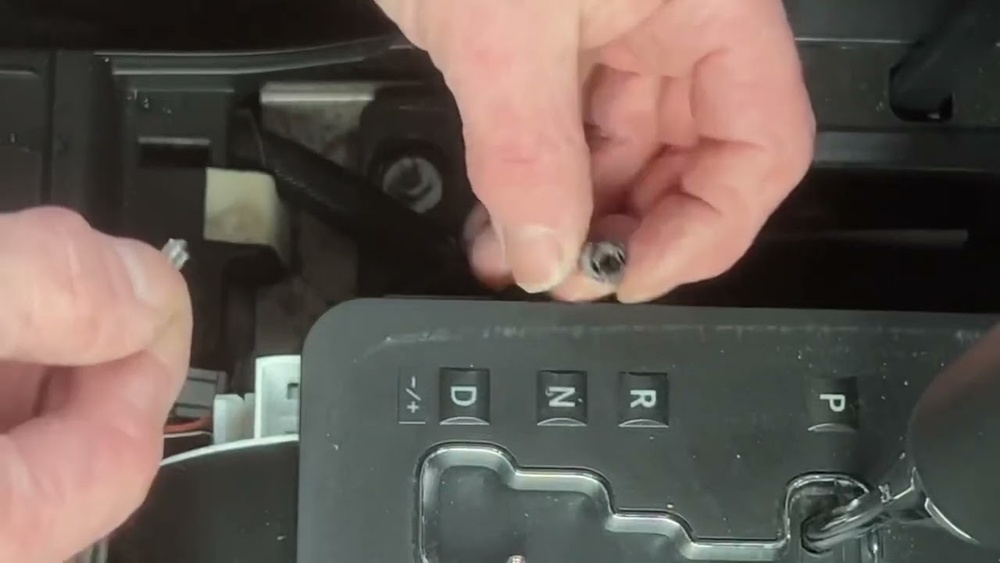
- Difficulty: Replacing a bulb is usually a DIY-friendly task for those comfortable with basic automotive interior work. It involves accessing the gear shifter console, identifying the burnt-out bulb, and replacing it with an identical one.
Faulty Shift Interlock Solenoid Or Switch
The shift interlock system is a safety feature that prevents you from shifting out of Park unless the brake pedal is depressed. This system is often electronically controlled and involves a solenoid or switch that communicates with the transmission and the dashboard. If this component malfunctions, it can sometimes affect the gear indicator lights.
- How it works: When you press the brake pedal, a signal is sent to the shift interlock solenoid. This solenoid releases a lock, allowing you to move the gear shifter. This same system or related sensors can also be involved in signaling the correct gear to the dashboard display.
- Symptoms: A failing shift interlock could manifest in various ways. You might have trouble shifting out of Park, or the shifter might feel loose. In some cases, it can cause erratic behavior with the gear indicator lights, including them not illuminating at all or displaying incorrect information.
- Complexity: Diagnosing and replacing a shift interlock solenoid or switch is generally more complex than changing a bulb. It often requires specific tools and a good understanding of automotive electrical systems.
Wiring Harness Issues
The gear shift indicator lights are connected to the rest of your Jeep’s electrical system through a wiring harness. This harness consists of various wires that carry electrical signals from the transmission shifter, the car’s computer, and the power source to the indicator bulbs. Damage or corrosion within this harness can interrupt the flow of electricity.
- Common problems: Wires can become frayed, broken, or corroded, especially in areas exposed to moisture, heat, or physical stress. This is particularly common in off-road vehicles like the Wrangler, which are often subjected to harsh conditions. Connectors within the harness can also become loose or corroded.
- Symptoms: Wiring issues can lead to intermittent problems or complete failure of the indicator lights. You might notice other electrical gremlins in your Jeep as well if the wiring harness problem is more extensive.
- Diagnosis: Tracing electrical faults in a wiring harness can be time-consuming. It often involves using a multimeter to check for continuity and voltage at various points in the circuit.
Problems With The Shifter Assembly Itself
The shifter assembly is the mechanical unit that houses the gear selector and often contains the mechanism for the indicator lights. Sometimes, the problem lies within the shifter mechanism itself.
- Internal wear: Over years of use, internal components within the shifter assembly can wear out. This wear can affect the electrical contacts that signal the gear position to the dashboard.
- Misalignment: The shifter might become slightly misaligned, preventing the electrical contacts from making proper connection with the corresponding indicator.
- Damage: In rare cases, physical damage to the shifter assembly could directly impact the indicator light system.
Issues With The Instrument Cluster
The instrument cluster, commonly known as the dashboard, houses all the gauges and warning lights. The gear shift indicator lights are integrated into this cluster. If the cluster itself has an electronic fault, it can cause the indicator lights to fail.
- Circuit board problems: The instrument cluster contains a printed circuit board (PCB). Solder joints on this board can crack over time due to vibrations and temperature changes, leading to intermittent or complete failure of specific indicators.
- Internal connections: There are various internal connections and ribbon cables within the cluster that can become loose or damaged.
- Diagnosis: Diagnosing instrument cluster issues usually requires specialized knowledge and equipment. Sometimes, the entire cluster needs to be sent out for repair or replaced.
Diagnosing The Gear Shift Light Problem
Before rushing to a mechanic, there are several diagnostic steps you can take to pinpoint the issue with your Jeep Wrangler’s gear shift light. These steps range from simple visual checks to more involved testing.
Visual Inspection
Start with the basics. A thorough visual inspection can often reveal obvious problems.
- Check the Gear Shifter Area: Look for any obvious signs of damage, loose wires, or debris around the gear shifter console. If you recently had any work done on your interior or transmission, check that area carefully.
- Examine the Dashboard: While the lights are off, look closely at the gear indicator area on your dashboard. Are there any cracks or signs of damage?
- Test Brake Lights: Since the shift interlock system is tied to the brake pedal, ensure your brake lights are functioning correctly. If your brake lights aren’t working, it could indicate a blown fuse or a faulty brake light switch, which might also be related to the shift interlock and potentially the indicator lights.
Check Fuses
A blown fuse is a common cause for various electrical issues in a vehicle, and the gear shift indicator lights are no exception.
- Locate the fuse box: Your Jeep Wrangler likely has two fuse boxes: one under the dashboard (driver’s side) and possibly one in the engine bay. Consult your owner’s manual to find the exact locations and identify which fuse corresponds to the instrument cluster or transmission indicator lights.
- Inspect the fuse: Once you find the correct fuse, carefully pull it out and examine it. If the metal filament inside the fuse is broken or looks burnt, the fuse is blown and needs replacement.
- Replacement: Always replace a blown fuse with a new one of the exact same amperage rating. Using a fuse with a higher rating can cause electrical damage. If the new fuse blows immediately, it indicates a short circuit somewhere in the wiring that needs further investigation.
Test The Bulbs (if Accessible)
If you suspect a burnt-out bulb, and you’re comfortable removing parts of the console, you can try testing the bulbs.
- Access the Shifter Console: This usually involves removing trim pieces around the gear shifter. Refer to a Jeep Wrangler service manual or online tutorials for your specific model year, as this process can vary.
- Identify the Indicator Bulbs: Once you have access, you should see small bulbs, often housed in a small plastic socket, that illuminate the gear indicators.
- Remove and Test: Carefully remove one of the bulbs. You can test it using a 12V battery or a multimeter set to resistance (ohms). If the bulb doesn’t light up or shows infinite resistance, it’s likely burnt out.
- Replace: Purchase a replacement bulb of the exact same type and wattage. You can usually find this information on the old bulb or in your owner’s manual. It’s often a good idea to replace all the indicator bulbs at once, as they are all likely to be of similar age and condition.
Check Shifter Linkage And Neutral Safety Switch
The neutral safety switch (or Park/Neutral Position Sensor) is crucial. It prevents the engine from starting unless the transmission is in Park or Neutral. It also plays a role in signaling the gear position.
- Function: This switch often sends signals to both the ignition system (to allow starting) and the dashboard (to indicate the gear).
- Diagnosis: Testing the neutral safety switch can be complex and often requires a multimeter to check for continuity in different gear positions. Issues with the linkage connecting the shifter to the transmission can also affect the switch’s operation and the accuracy of the gear indication.
Scan For Diagnostic Trouble Codes (dtcs)
Modern Jeeps have onboard diagnostic systems that can store Diagnostic Trouble Codes (DTCs) when a fault is detected.
- OBD-II Scanner: Use an OBD-II scanner (available at auto parts stores or online) to read any codes stored in your Jeep’s computer. Plug it into the OBD-II port, usually located under the dashboard on the driver’s side.
- Interpreting Codes: The scanner will display a code (e.g., P0700, related to transmission system faults). You can then look up the meaning of these codes online or in a service manual. Codes related to the transmission control module (TCM) or instrument cluster might provide clues about the gear indicator light issue.
- Professional Help: If you retrieve codes that you don’t understand or that point to complex electrical issues, it’s best to consult a professional mechanic.
Repairing The Gear Shift Light Issue
Once you’ve diagnosed the problem, you can proceed with the repair. The method will depend entirely on what you found during your diagnosis.
Replacing The Bulb
If you’ve identified a burnt-out bulb, replacing it is usually the most straightforward repair.
- Gather Supplies: You’ll need the correct replacement bulb(s). It’s wise to buy a few extra if they are inexpensive, as others may fail soon. You might also need a small screwdriver set or trim removal tools.
- Access the Shifter Console: Carefully remove the necessary trim pieces around the gear shifter. Be gentle to avoid breaking plastic clips.
- Remove Old Bulb: Unscrew or unclip the bulb holder from its socket. Then, carefully pull the old bulb out.
- Install New Bulb: Insert the new bulb into the holder, ensuring it’s seated correctly.
- Reassemble: Put the bulb holder back into its socket and reassemble the console trim pieces.
- Test: Start your Jeep and shift through the gears to confirm the light is working.
Pro Tip: While you have the console apart, it’s a good opportunity to clean out any dust or debris that may have accumulated. Also, consider replacing all the indicator bulbs at once, even if only one is currently out. This preventative measure can save you from another repair job shortly down the line.
Fixing Wiring Problems
If you discover frayed, broken, or corroded wires or connectors, the repair will involve addressing these specific issues.
- Cleaning Connectors: If connectors are corroded, you can clean them using an electrical contact cleaner spray. Ensure the area is dry before reconnecting.
- Repairing Wires: For broken or frayed wires, you’ll need to splice in a new section of wire or repair the existing one using solder and heat-shrink tubing or high-quality electrical tape. Ensure the repair is secure and insulated to prevent future problems.
- Securing Loose Wires: If wires or connectors are simply loose, re-seating them firmly or using zip ties to secure them away from moving parts can solve the problem.
- Professional Assistance: Complex wiring harness repairs can be challenging and time-consuming. If you’re not experienced with automotive electrical systems, it’s best to seek help from a qualified mechanic.
Replacing The Shift Interlock Solenoid Or Switch
If the diagnosis points to a faulty shift interlock solenoid or related switch, this repair can be more involved.
- Locate the Component: This component is usually found within or near the shifter mechanism. Your Jeep’s service manual will be essential for precise location.
- Disconnect Battery: Always disconnect the negative battery terminal before working on electrical components to prevent short circuits.
- Remove and Replace: The solenoid or switch is typically held in place by screws or clips. You’ll need to disconnect its electrical connector and remove the old part, then install the new one.
- Reconnect and Test: Reconnect the electrical connector, reassemble any removed parts, and reconnect the battery. Test the shifter and indicator lights.
Instrument Cluster Repair Or Replacement
If the instrument cluster is the source of the problem, repair options can vary.
- DIY Repair: For minor issues like loose connections or cracked solder joints, some technically inclined individuals might attempt cluster repair. This often involves carefully disassembling the cluster, identifying the faulty component on the circuit board, and repairing it. This is a delicate process and requires specialized tools and knowledge.
- Professional Repair Services: Several companies specialize in repairing automotive instrument clusters. You would typically remove the cluster yourself and send it to them for repair. They can often fix issues that are beyond the scope of a typical DIYer.
- Replacement: The most straightforward but often most expensive option is to replace the entire instrument cluster. This usually requires purchasing a new or used cluster and potentially having it programmed to your Jeep by a dealership or specialized shop.
When To Seek Professional Help
While some fixes for a dead gear shift light are manageable for a DIY enthusiast, there are times when it’s best to call in the experts.
- Complex Electrical Issues: If you’ve checked fuses and bulbs and suspect deeper wiring problems, short circuits, or issues with the vehicle’s computer (ECU/TCM), it’s wise to consult a mechanic. They have



















