Jeep vehicles are famous for their off-road power and reliability. Owners want to keep their engines running smoothly, and choosing the right oil plays a key role in this.
Many drivers wonder if Jeep recommends synthetic oil and what benefits it brings. Using the right oil can improve performance, protect your engine, and even save money in the long run.
This article explores Jeep’s official recommendations, explains the differences between oil types, and gives practical advice for Jeep owners.
What Does Jeep Recommend For Engine Oil?
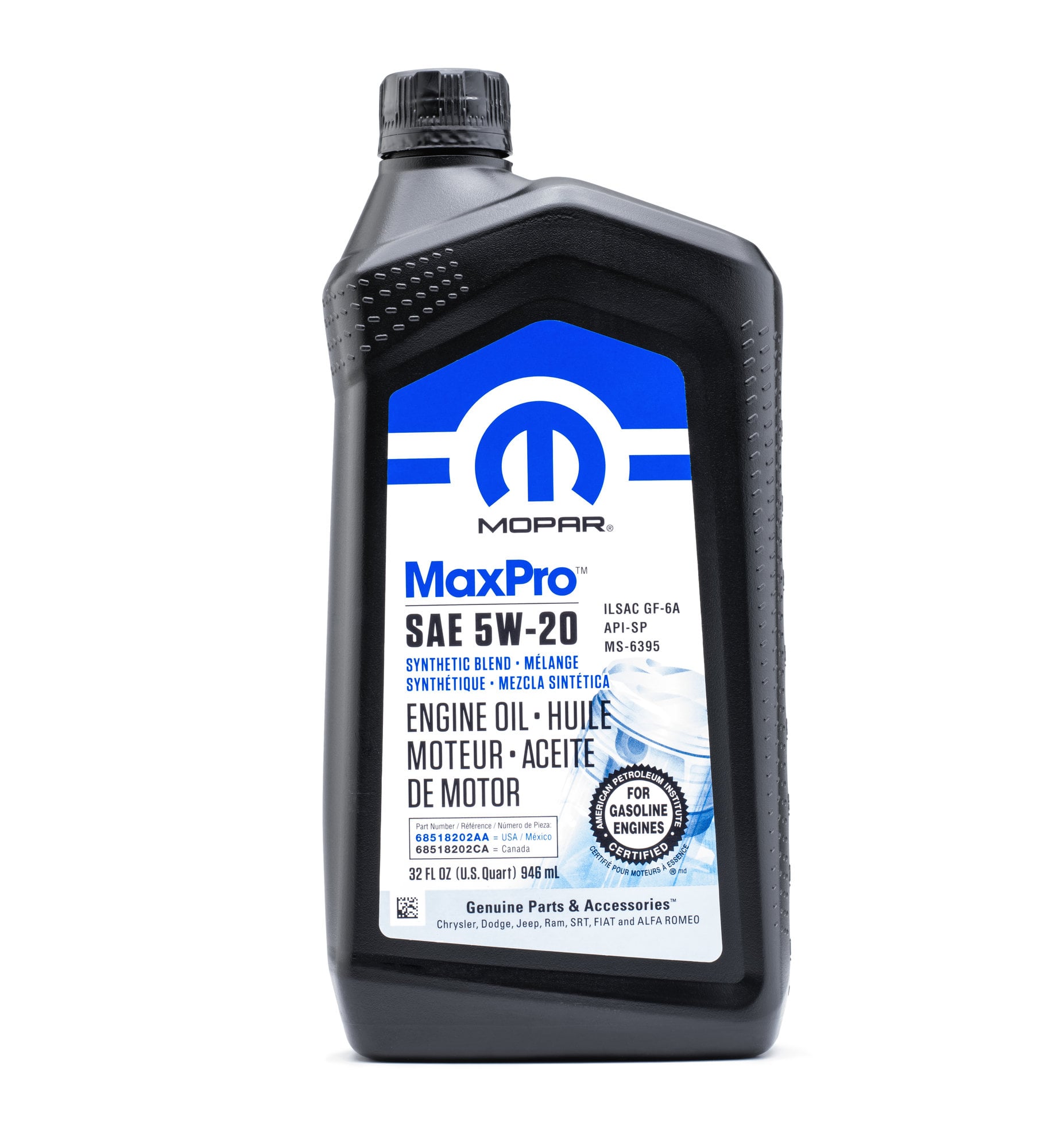
Jeep’s official guidance comes from the owner’s manual of each model. Over the years, Jeep has moved toward recommending synthetic oil for most of its modern vehicles. For example, recent Jeep models like the Grand Cherokee, Wrangler, Compass, and Cherokee often require synthetic oil, especially for engines like the 3.6L Pentastar V6 or the 2.0L turbocharged 4-cylinder.
Here’s a look at some current recommendations for popular Jeep engines:
| Model | Engine | Recommended Oil | Viscosity |
|---|---|---|---|
| Wrangler JL | 3.6L V6 | Synthetic | 0W-20 |
| Grand Cherokee | 5.7L V8 | Synthetic | 5W-20 |
| Cherokee | 2.0L Turbo | Synthetic | 0W-20 |
| Compass | 2.4L I4 | Synthetic Blend | 0W-20 |
Older Jeep models may allow conventional oil, but even then, synthetic is often listed as a preferred option. Always check your Jeep’s manual for the exact recommendation.
Why Does Jeep Recommend Synthetic Oil?
Synthetic oil is made through a special process that improves its properties. Jeep recommends synthetic oil for several reasons:
- Better Protection: Synthetic oil handles heat and cold much better. This means your engine stays protected during tough conditions, like off-roading or extreme weather.
- Longer Life: Synthetic oil lasts longer than conventional oil. You can usually go more miles between oil changes, which saves time and money.
- Cleaner Engine: Synthetic oil resists sludge and deposits. Your engine stays cleaner, which helps it run better for longer.
- Improved Fuel Efficiency: Some Jeep models get a small boost in fuel economy with synthetic oil, thanks to lower friction.
For example, the 3. 6L Pentastar V6 engine in many Jeeps is designed to work best with 0W-20 synthetic oil.
Using the wrong oil can lower performance or even void your warranty.
Synthetic Vs. Conventional Oil: Key Differences
Understanding the difference between synthetic and conventional oil helps you make the right choice for your Jeep.
| Feature | Synthetic Oil | Conventional Oil |
|---|---|---|
| Performance in Extreme Temperatures | Excellent | Good |
| Resistance to Breakdown | High | Moderate |
| Engine Cleanliness | Better | Lower |
| Change Interval | 7,500 – 10,000 miles | 3,000 – 5,000 miles |
| Cost | Higher | Lower |
While synthetic oil costs more up front, it reduces the number of oil changes needed each year. Over time, many Jeep owners find it’s a smarter investment.
Practical Tips For Jeep Owners
Switching to synthetic oil is simple, but here are a few tips to help you get the most out of your engine:
- Check the Oil Cap: Most modern Jeeps have the recommended oil type printed on the oil cap. This makes it easy to confirm.
- Follow Oil Change Intervals: Even though synthetic lasts longer, it’s important to follow Jeep’s recommended intervals or the oil life monitor on your dashboard.
- Use the Correct Viscosity: The numbers like 0W-20 or 5W-20 matter. Using the wrong viscosity can affect your engine’s performance.
- Don’t Mix Oil Types: If you are switching from conventional to synthetic, try to get a full change rather than mixing oils. While mixing won’t harm the engine, it reduces the benefits.
- Look for API Certification: Always buy oil that meets Jeep’s specifications and has an API (American Petroleum Institute) certification.
One thing many beginners miss: synthetic oil can help cold starts in winter. It flows better at low temperatures, which reduces engine wear during start-up.
Another non-obvious insight: some Jeep engines, especially turbocharged ones, have tighter tolerances and run hotter. Synthetic oil is far better at handling this extra heat, which is why Jeep makes it a requirement on these engines.
Can You Use Synthetic Oil In Older Jeeps?
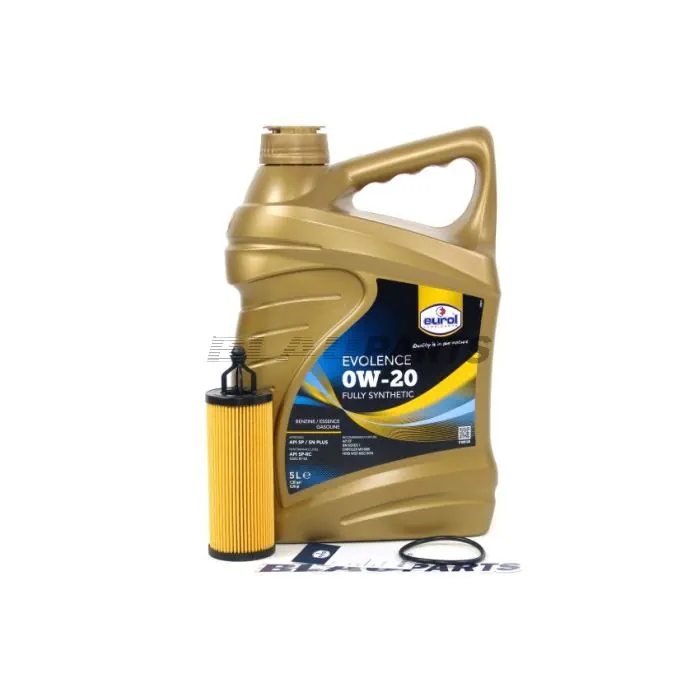
Many owners of older Jeeps wonder if switching to synthetic oil is safe. The answer is usually yes.
Synthetic oil works in most older engines, as long as the seals and gaskets are in good shape. In fact, it can help clean out old deposits and extend engine life.
However, if your older Jeep has leaks or uses a lot of oil, it’s wise to fix those problems first. Synthetic oil is thinner and may leak more easily from bad seals.
If you’re not sure, consult your mechanic or check guidance from Jeep’s official website or trusted sources like Edmunds.
Frequently Asked Questions
Does Using Synthetic Oil Void My Jeep Warranty?
No. In fact, using the recommended synthetic oil is required to keep your warranty valid on most newer Jeeps.
Using the wrong type or viscosity can cause problems if you need warranty service.
Can I Switch From Conventional To Synthetic Oil Any Time?
Yes, you can switch during your next oil change. There is no special process needed.
Just be sure to use the recommended type and viscosity for your Jeep model.
How Often Should I Change Synthetic Oil In My Jeep?
Most Jeep models recommend oil changes every 7,500 to 10,000 miles with synthetic oil. Always check your owner’s manual, as intervals can vary based on your driving style and engine.
Is Synthetic Oil Worth The Extra Cost?
For most Jeep owners, yes. Synthetic oil provides better protection, longer change intervals, and can keep your engine running stronger for more years.
The extra cost is usually balanced by fewer oil changes and better engine health.
Does Jeep Recommend A Specific Oil Brand?
Jeep does not require a specific brand, but the oil must meet the correct specifications (like API certification and the right viscosity). Popular brands like Mobil 1, Pennzoil, and Valvoline make oils that meet Jeep’s requirements.
Jeep’s move toward synthetic oil is all about protecting your engine and helping you get the best performance, no matter where you drive. By following these recommendations, you’ll enjoy smoother rides, longer engine life, and fewer maintenance headaches.
Take a few minutes to check your manual, pick the right oil, and your Jeep will thank you for years to come.




















