Owning a Jeep brings a sense of adventure and freedom. But you might have heard people say things like “my Jeep gets the sick.
” What does this mean? Is it just a joke, or is there something serious behind it?
Let’s explore the idea, look at what causes Jeeps to “get sick,” and learn how to keep your ride healthy.

What Does “get The Sick” Mean For Jeeps?
When someone says their Jeep gets the sick, they usually mean the vehicle has mechanical or electrical problems. It’s not about catching a real sickness, but about issues that make the Jeep run poorly. Owners sometimes use this phrase to describe repeated troubles that seem hard to fix.
Examples include:
- Engine misfires
- Electrical glitches
- Transmission slipping
- Overheating
The phrase is popular in Jeep forums and groups, where people share experiences and advice. It’s a way to talk about common Jeep troubles with a bit of humor.
Common Reasons Jeeps “get The Sick”
Jeep vehicles are built for tough conditions, but they’re not immune to problems. Some issues happen more often with Jeeps than other brands. Here’s what you should know:
1. Engine Issues
Jeep engines are strong, but some models—like the 4.0L inline-six—have their quirks. Engine misfires and rough idling are common complaints. Sometimes, it’s caused by old spark plugs, dirty fuel injectors, or bad sensors.
2. Electrical Problems
Jeep’s modern models have lots of electronics. Electrical issues can show up as warning lights, power window failures, or radio glitches. Often, the cause is a weak battery, corroded wiring, or faulty relays.
3. Transmission Troubles
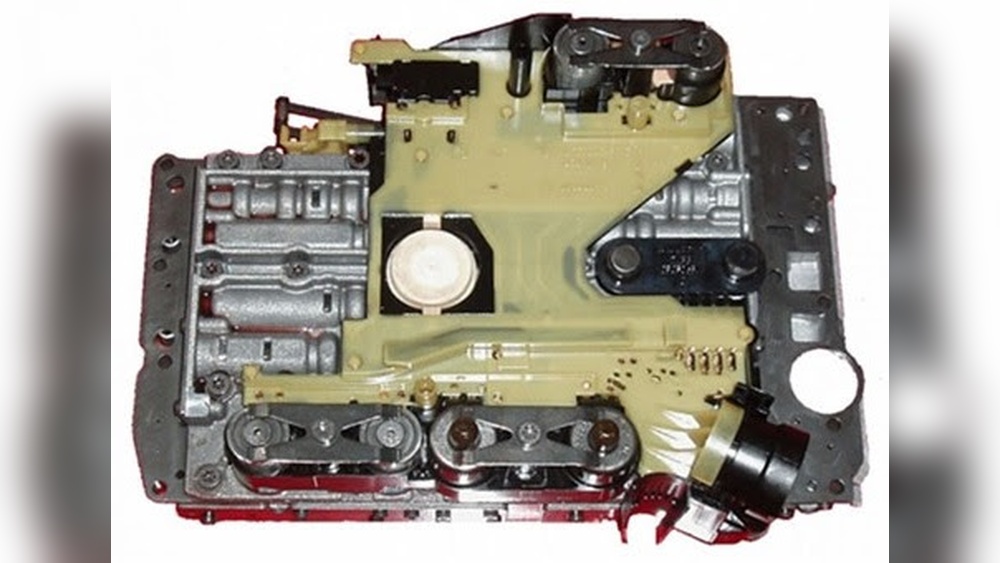
Transmission slipping or rough shifting happens in some Jeep models, especially after off-road driving. Low transmission fluid or worn-out parts are usually to blame.
4. Cooling System Failures
Overheating is one of the main ways a Jeep “gets the sick. ” This happens when the radiator, hoses, or thermostat fails. Regular checks can help prevent this.
5. Suspension And Steering Wear
Jeep’s strong suspension is made for rough terrain, but it can wear out faster than in regular cars. Worn bushings, ball joints, or shocks lead to poor handling and strange noises.

Jeep Reliability: Data And Comparisons
It helps to look at real data to understand how often Jeeps “get the sick. ” Below is a comparison of reliability scores for popular Jeep models versus other SUVs.
| Model | Reliability Score (out of 100) | Average Repair Cost (USD/year) |
|---|---|---|
| Jeep Wrangler | 56 | $694 |
| Jeep Grand Cherokee | 58 | $720 |
| Toyota 4Runner | 83 | $514 |
| Ford Explorer | 74 | $732 |
Jeep models score lower on reliability than Toyota and Ford. They also tend to cost more in repairs each year.
Typical Symptoms: How To Spot “the Sick” Early
Knowing the signs can help you fix problems before they get serious. Here are symptoms Jeep owners often notice:
- Check Engine Light: This is the most common warning.
- Strange Noises: Clunking, squealing, or grinding sounds.
- Vibration: While driving, especially at higher speeds.
- Fluid Leaks: Under the vehicle, often oil or coolant.
- Reduced Power: Slow acceleration or weak performance.
If you catch these symptoms early, you can save money and keep your Jeep running longer.
Preventing Jeep Problems
You don’t have to accept “the sick” as a fact of Jeep life. Most issues can be prevented with good care.
| Maintenance Task | Recommended Frequency | Impact |
|---|---|---|
| Oil Change | Every 5,000 miles | Reduces engine wear |
| Transmission Fluid | Every 30,000 miles | Prevents slipping |
| Coolant Flush | Every 40,000 miles | Stops overheating |
| Brake Inspection | Every 10,000 miles | Improves safety |
Extra Tips
- Use quality parts: Cheap parts often fail sooner.
- Check recalls: Jeep often releases updates for common problems.
- Watch for rust: Especially in older models and those used off-road.
Real-life Examples
Many Jeep owners have shared their stories online. One owner reported his Wrangler had repeated electrical issues, but after replacing a faulty ground wire, the problem stopped. Another fixed engine misfires by cleaning the fuel injectors, saving hundreds of dollars.
An insight many beginners miss: Regular off-road driving increases wear, so maintenance should be more frequent for those who use their Jeep on rough terrain. Also, ignoring small symptoms like a flickering warning light can lead to bigger, costly repairs later.

Is Jeep “getting The Sick” A Dealbreaker?
Jeep’s reputation for adventure is strong, but its reliability is sometimes a weak point. Still, many people love their Jeeps and accept the risks.
If you want a vehicle for off-road fun and don’t mind extra care, Jeep is a good choice.
For those wanting low maintenance, other brands might be better.
Frequently Asked Questions
Why Do Jeeps Have More Problems Than Other Suvs?
Jeeps are built for off-road use, which puts more stress on parts. Their complex systems and older designs also play a role.
Can I Fix Jeep Issues Myself?
Many Jeep problems—like changing spark plugs or fixing leaks—can be fixed at home with basic tools and guides. But complex issues may need a mechanic.
Does Regular Maintenance Really Prevent “the Sick”?
Yes, maintenance is key. Tasks like oil changes, fluid checks, and inspections catch problems early. Neglecting them makes “the sick” more likely.
Are Newer Jeeps More Reliable?
Newer Jeep models have improved electronics and engines, but some issues remain. Check reviews and reliability ratings before buying.
Where Can I Find More Information About Jeep Reliability?
You can visit Consumer Reports for detailed reliability data and owner reviews.
A Jeep can “get the sick,” but with care and knowledge, you can enjoy the adventure and keep your vehicle healthy. Always pay attention to symptoms, use quality parts, and stay updated on recalls.
With the right approach, your Jeep will stay ready for the road—or the trail.