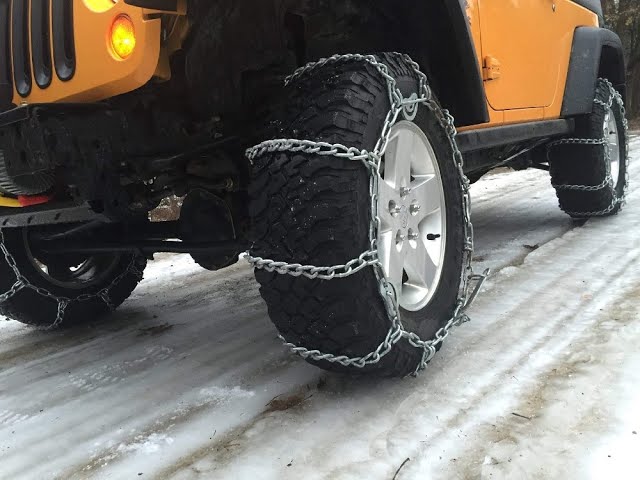
When winter arrives, drivers start to think about snow, ice, and safe travel. Jeep owners often wonder if their vehicles need snow chains.
Jeeps are known for their 4×4 capability and rugged build. But does that mean you can skip snow chains in icy conditions?
Let’s explore the answer and help you decide what’s best for your safety.
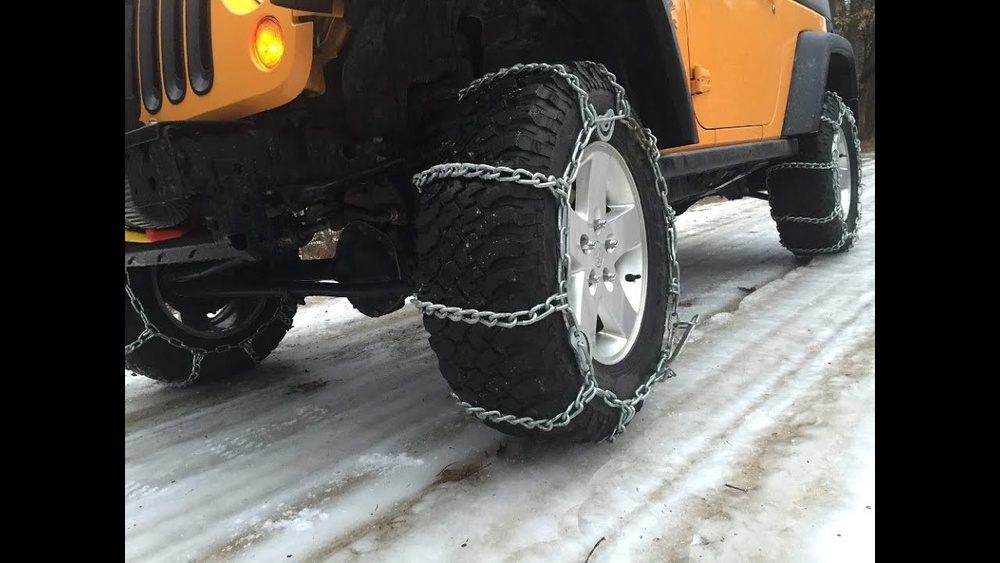
Jeep Traction In Snow
Jeeps are designed for off-road and tough weather. Most models, like the Jeep Wrangler or Jeep Grand Cherokee, come with four-wheel drive. This helps with grip on slippery roads. But four-wheel drive doesn’t guarantee perfect traction on ice or deep snow.
Studies from the National Highway Traffic Safety Administration show that 4×4 vehicles perform better in snow than two-wheel drive. Still, they can slide or lose control, especially on ice. Snow chains can increase traction by up to 200% compared to all-season tires alone. If you live in areas with heavy snow, chains can make a big difference.
When Does A Jeep Need Snow Chains?
There are certain conditions where snow chains are highly recommended, even for Jeeps:
- Deep snow – Chains help prevent tires from spinning.
- Ice-covered roads – Chains bite into ice for better control.
- Steep hills – Chains provide grip on slopes.
- Legal requirements – Some states require chains in winter storms.
Let’s compare when snow chains are needed versus not needed:
| Condition | Snow Chains Needed? | Reason |
|---|---|---|
| Fresh snow (less than 2 inches) | No | 4×4 and winter tires usually enough |
| Ice or packed snow | Yes | Chains increase safety and grip |
| Mountain roads in winter | Yes | Legal requirement and steep terrain |
| Urban, plowed streets | No | Roads cleared, traction good |
Types Of Tires And Their Impact
The kind of tire your Jeep uses is important. There are three main types:
- All-season tires: Good for mild winters, but not best for heavy snow.
- Winter tires: Have deeper tread and softer rubber for cold, snowy roads.
- Mud and snow tires: Suitable for off-road, but may lack grip on ice.
A Jeep with winter tires performs much better in snow than one with standard tires. Still, chains are useful when snow is deep or ice is present.
Here’s a quick comparison:
| Tire Type | Performance in Snow | Need for Chains |
|---|---|---|
| All-season | Moderate | Yes, in heavy snow |
| Winter | Good | Sometimes, on ice |
| Mud & Snow | Variable | Yes, on ice or deep snow |
Legal Rules For Snow Chains
Some states in the US have strict laws about snow chains. For example, in California and Colorado, signs may say “Chains Required” during storms.
Even with a Jeep, you may need to carry chains. Failing to do so can lead to fines or being turned away at checkpoints.
Always check the law before traveling. The AAA and state DOT websites offer current rules.
If you plan a trip to mountain areas, pack chains just in case.
How To Choose Snow Chains For Your Jeep
Not all chains fit every Jeep. You must check your tire size and vehicle manual. Some tips:
- Pick chains that fit your tire size exactly.
- Choose self-tensioning chains if you want easier installation.
- Avoid chains that are too bulky, as they may hit suspension parts.
- Test fit the chains at home before your trip.
Some Jeep models, especially with larger tires, may have limited space in the wheel well. Read your owner’s manual for advice on chain use.
Installing Snow Chains: Practical Tips
Installing snow chains can be tricky in cold weather. Here are quick steps:
- Lay the chains flat beside your tires.
- Drape the chains over the tire, making sure the hooks face out.
- Move the Jeep slightly to roll onto the chains.
- Fasten the ends securely.
- Drive a short distance, then re-check the chains for tightness.
Common mistake: Many drivers forget to tighten chains after driving a few yards. Loose chains can cause damage or fall off.
Advantages And Disadvantages Of Snow Chains
Let’s look at the pros and cons:
Advantages:
- Much better traction on ice and deep snow
- Improved safety for steep or remote roads
- May fulfill legal requirements
Disadvantages:
- Can damage roads or tires if used on dry pavement
- Slower driving speed (usually limited to 30 mph)
- Installation can be hard in freezing weather
A non-obvious insight: Using chains only on the rear tires of a Jeep with four-wheel drive is a common mistake. For balanced control, chains should go on all four tires, or at least the front tires if you must choose only two.
Alternatives To Snow Chains
Some drivers use snow socks or studded tires instead of chains. Snow socks are fabric covers that slip over tires and are easier to put on. However, they don’t last as long as chains and may not be legal everywhere.
Studded tires give good grip on ice, but can wear down quickly on dry roads. Always check if these alternatives are allowed in your state.

Real-world Example
In 2022, a Jeep Wrangler owner in Colorado reported that snow chains allowed him to safely climb steep, icy roads that even winter tires alone couldn’t handle. Without chains, his Jeep slid sideways, but with chains, the grip was strong and he reached his destination.
This shows that even strong 4×4 vehicles benefit from chains in extreme winter.
Frequently Asked Questions