Understanding The 2007 Jeep Wrangler Brake Light On Dash
The dashboard of your 2007 Jeep Wrangler is a critical communication hub, providing you with vital information about your vehicle's status. Among the many symbols that can illuminate, the brake light on the dash is one that demands immediate attention.
This warning light, often red or amber, is not something to ignore. It signifies a potential issue within the braking system, which is paramount for your safety and the safety of others on the road.
Understanding what this light means, why it might appear, and how to address it is crucial for any 2007 Wrangler owner.
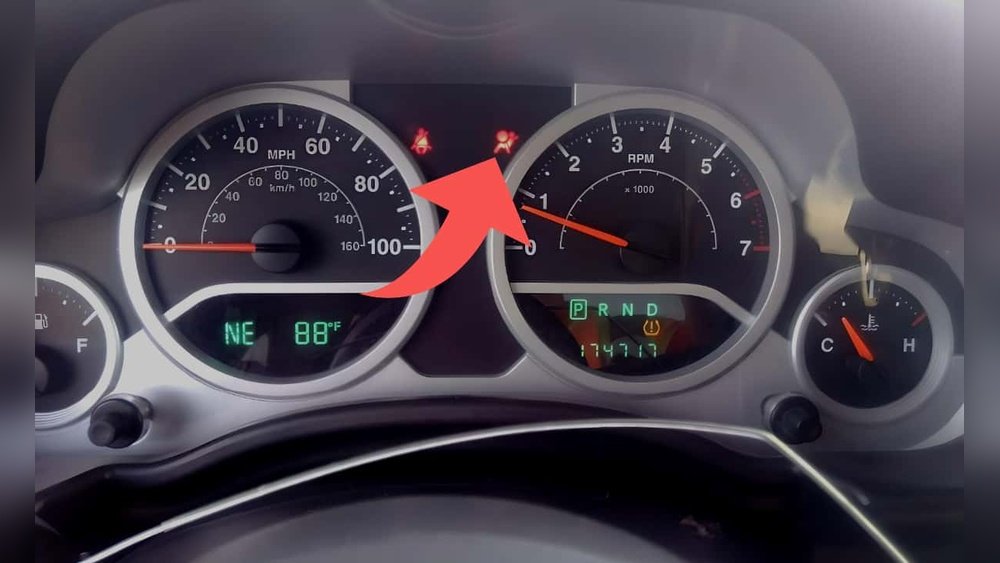
The braking system in your Jeep Wrangler is a complex network of components working together to slow and stop your vehicle. When a problem arises within this system, the dashboard warning light is designed to alert you.
This light can be triggered by various factors, ranging from simple issues like low brake fluid to more serious problems with the brake pads, rotors, or even the Anti-lock Braking System (ABS).
Because your brakes are directly responsible for your ability to stop safely, any malfunction indicated by the dashboard light needs prompt diagnosis and repair. This article will guide you through the common causes of the 2007 Jeep Wrangler brake light on the dash, how to identify them, and what steps to take to resolve the issue.
Common Triggers For The 2007 Jeep Wrangler Brake Light
Several factors can cause the brake warning light to illuminate on your 2007 Jeep Wrangler. These range from easily fixable issues to more complex mechanical problems.
Understanding these common triggers is the first step in diagnosing the problem.
Low Brake Fluid Level
One of the most frequent reasons for the brake light to appear is a low brake fluid level. Brake fluid is the hydraulic medium that transmits the force from your foot on the brake pedal to the brake calipers or wheel cylinders, which then apply pressure to the brake pads and rotors. The brake fluid reservoir is usually located under the hood, near the master cylinder.
If the brake fluid level drops too low, it can indicate one of two things: either there’s a leak somewhere in the brake system, or the brake pads are significantly worn down. As brake pads wear, the caliper pistons extend further, which requires more fluid to fill the space. This causes the fluid level to drop naturally. However, if the fluid level drops suddenly or significantly, it’s a strong indicator of a leak in the brake lines, hoses, or calipers. A leak is a serious safety concern because it compromises the entire braking system’s ability to function.
Worn Brake Pads
As mentioned, worn brake pads are a common culprit. Most vehicles, including the 2007 Jeep Wrangler, have wear indicators built into the brake pads. These are small metal tabs that rub against the rotor when the pad material has worn down to a critical level, creating a high-pitched squealing sound. However, the brake light on the dash can also be triggered by the brake fluid level dropping due to pad wear. Some systems may also have sensors that directly monitor pad thickness, though this is less common on older models like the 2007 Wrangler.
Parking Brake Engaged
A surprisingly simple reason for the brake light to be on is that the parking brake (or emergency brake) is still engaged, or not fully disengaged. The parking brake system is separate from the main hydraulic braking system but is connected to the same dashboard warning light. If you forget to release the parking brake fully before driving, or if the mechanism is sticking, the light will remain illuminated. Always double-check that your parking brake lever or pedal is completely down or released.
Issues With The Abs System
The 2007 Jeep Wrangler is equipped with an Anti-lock Braking System (ABS). ABS is designed to prevent your wheels from locking up during hard braking, allowing you to maintain steering control. The ABS system has its own set of sensors and a control module. If there’s a problem with any of these components, such as a faulty wheel speed sensor, a problem with the ABS module, or a leak in the ABS hydraulic unit, the ABS warning light might illuminate. In some vehicles, a problem with the ABS system can also cause the main brake warning light to come on, often accompanied by the ABS light.
Master Cylinder Problems
The master cylinder is the heart of your hydraulic braking system. It converts the mechanical force of your foot pressing on the brake pedal into hydraulic pressure. If the master cylinder is failing, leaking, or has internal issues, it can lead to a loss of braking power and trigger the brake warning light. Symptoms of a failing master cylinder can include a spongy brake pedal, a pedal that sinks to the floor, or a noticeable loss of braking performance.
Brake Light Switch Malfunction
The brake light switch is a small component that activates your brake lights when you press the pedal. It’s usually located near the brake pedal arm. If this switch malfunctions, it can send incorrect signals to the vehicle’s computer, potentially causing the brake warning light to illuminate even if there isn’t a problem with the actual braking system. Sometimes, a faulty switch can also cause your brake lights to stay on constantly or not work at all.
Diagnostic Steps For The 2007 Jeep Wrangler Brake Light
When the brake light illuminates on your 2007 Jeep Wrangler’s dashboard, it’s important to approach the diagnosis systematically. Don’t panic, but do take action.
1. Check The Parking Brake
The very first thing to do is to ensure the parking brake is fully disengaged. Pull up the parking brake lever or push down the pedal completely. If the light goes off, you’ve found your simple solution. If the light remains on, proceed to the next step.
2. Check Brake Fluid Level
Open the hood and locate the brake fluid reservoir. It’s usually a translucent plastic container with markings for “MIN” and “MAX” fluid levels.
- If the fluid is below the MIN line: This is a strong indicator of either a leak or significantly worn brake pads.
- If the fluid is at or above the MIN line: The issue might lie elsewhere in the system.
Pro Tip: If the fluid is low, do not simply top it off without further investigation. Adding fluid might temporarily turn off the light, but it won’t fix the underlying problem (leak or worn pads) and could lead to a more dangerous situation later. If you suspect a leak, you’ll need to inspect all brake lines and components for signs of fluid seepage.
3. Inspect Brake Pads And Rotors
Visually inspecting your brake pads and rotors can provide valuable clues. You can often see the brake pads through the openings in your wheels.
Look for the thickness of the friction material on the pads. If they appear very thin, they likely need replacement.
You can also check the rotors for deep grooves or scoring, which can indicate excessive wear or damage.
4. Observe Braking Performance
Pay close attention to how your Jeep brakes.
- Does the pedal feel spongy or soft? This can indicate air in the brake lines or a failing master cylinder.
- Does the pedal go all the way to the floor? This is a critical sign of a serious hydraulic issue, possibly a leak or master cylinder failure.
- Do you hear any unusual noises like grinding or squealing when braking? Squealing often means worn pads, while grinding can indicate metal-on-metal contact, which is very damaging and dangerous.
- Does the vehicle pull to one side when braking? This could point to a stuck caliper or a problem with a brake hose.
5. Scan For Abs Codes
If the brake light is accompanied by the ABS warning light, or if you suspect an ABS issue, scanning for diagnostic trouble codes (DTCs) is necessary. You can use an OBD-II scanner for this.
Many auto parts stores offer free code scanning services.
The codes can help pinpoint specific components within the ABS system that are malfunctioning, such as wheel speed sensors.
Addressing Specific Issues And Potential Solutions
Once you’ve identified the likely cause of the brake light, you can move towards resolving it. The complexity of the repair will vary depending on the problem.
Replacing Worn Brake Pads And Rotors
If your inspection reveals worn brake pads, replacement is necessary. This is a common maintenance item.
The process typically involves removing the wheel, unbolting the brake caliper, removing the old pads, installing the new ones, and then reassembling the caliper.
It’s often recommended to replace brake pads in pairs (both front wheels or both rear wheels) to ensure even braking.
If the rotors are significantly scored or warped, they should also be replaced or resurfaced if they are thick enough to allow for it. For most DIY mechanics, replacing pads and rotors is a manageable task.
However, if you’re not comfortable with brake work, it’s best left to a professional mechanic.
Topping Up Or Replacing Brake Fluid
If the brake fluid is low due to normal wear of the brake pads, you can top it up to the “MAX” line with the correct type of brake fluid specified in your owner’s manual (typically DOT 3 or DOT 4 for a 2007 Wrangler).
However, if the fluid is low due to a leak, simply topping it up is not a permanent fix. You must find and repair the leak before refilling the system and bleeding the brakes to remove any air.
Bleeding the brakes is a process where old fluid is flushed out, and new fluid is introduced, ensuring there are no air bubbles trapped in the lines. Air in the brake lines will make the pedal feel spongy and reduce braking effectiveness.
Repairing Leaks
If you discover a leak in the brake lines, hoses, or at the calipers/wheel cylinders, this needs immediate attention. Brake lines are typically made of steel and can rust over time, especially in areas with road salt. Rubber brake hoses can crack or swell.
Calipers and wheel cylinders can develop leaks from worn seals. Repairing leaks usually involves replacing the damaged component.
This is a critical safety repair that should be done by a qualified mechanic if you lack experience.
Parking Brake Adjustments Or Repair
If the parking brake is sticking or not releasing fully, it might need adjustment. The adjustment procedure varies depending on whether you have a hand lever or a foot pedal.
In some cases, the cables might be binding, or the mechanism itself could be damaged and require replacement.
Addressing Abs System Faults
Diagnosing and repairing ABS issues often requires specialized knowledge and tools. If an OBD-II scan reveals specific ABS codes, you can research those codes to identify potential faulty components, such as a wheel speed sensor.
Replacing a wheel speed sensor is often a straightforward job, but diagnosing intermittent ABS faults can be more challenging.
If the ABS module or hydraulic unit is at fault, repairs can be expensive and are typically best handled by a professional.
Replacing The Master Cylinder
A failing master cylinder is a serious issue. Symptoms like a sinking pedal or significant loss of braking power necessitate its replacement.
This is a complex repair that involves disconnecting brake lines, removing the old master cylinder, installing the new one, and then carefully bleeding the entire brake system to ensure proper function.
Due to the critical nature of the master cylinder, it’s highly recommended to have this repair done by a professional mechanic.
Replacing The Brake Light Switch
If diagnostics point to a faulty brake light switch, replacement is usually a relatively simple and inexpensive repair. The switch is typically held in place by a clip or threaded into its mounting point.
Once removed, the new switch can be installed, and the brake system (including the dashboard light) should function correctly.
When To Seek Professional Help
While some brake system issues are manageable for the DIY enthusiast, others require the expertise of a professional mechanic. You should seek professional help if:
- You are uncomfortable performing any brake system repairs.
- You suspect a leak in the brake lines or at the master cylinder.
- You experience a significant loss of braking power or a spongy/sinking brake pedal.
- The ABS warning light is on, and you cannot easily identify the cause.
- You lack the necessary tools or diagnostic equipment.
Brake systems are safety-critical components. It's always better to err on the side of caution and have a professional inspect and repair your brakes if you have any doubts about their condition or your ability to fix them.
A qualified mechanic can accurately diagnose the problem, perform the necessary repairs safely, and ensure your 2007 Jeep Wrangler's braking system is functioning optimally.
Frequently Asked Questions
Why Does My Brake Light Stay On After Fixing The Pads?
If your brake light stays on after replacing the brake pads, it could be due to a few reasons. First, ensure the parking brake is fully disengaged.
Second, check the brake fluid level; if it was low due to worn pads, topping it up might be necessary.
Make sure the cap on the brake fluid reservoir is securely fastened. If the light persists, there might still be air in the brake lines that needs to be bled out, or a sensor related to the brake system (like an ABS sensor) might be malfunctioning.
Can I Drive My Jeep Wrangler With The Brake Light On?
Driving with the brake light on is highly discouraged, especially if it’s accompanied by a spongy pedal or reduced braking performance. The light indicates a potential problem with your braking system, which is essential for safe driving. While a slightly low fluid level due to normal pad wear might not cause immediate catastrophic failure, a leak or a more serious mechanical issue could lead to a complete loss of braking power unexpectedly. It’s best to address the issue immediately.
Does The Brake Light Also Indicate An Issue With The Abs?
Yes, in many vehicles, including the 2007 Jeep Wrangler, the main brake warning light can illuminate if there is a fault detected within the Anti-lock Braking System (ABS). Often, when the ABS has a problem, both the ABS warning light and the main brake warning light will illuminate on the dashboard. This signifies that the ABS system is not functioning correctly, and you may not have anti-lock capabilities during hard braking.
How Much Does It Typically Cost To Fix A Brake Light Issue On A 2007 Jeep Wrangler?
The cost to fix a brake light issue can vary significantly depending on the cause. A simple fix like releasing the parking brake or topping up brake fluid costs almost nothing.
Replacing worn brake pads and rotors can range from $200 to $600 or more for a set of wheels, depending on the parts used and labor costs.
Repairing leaks in brake lines or replacing a master cylinder can be more expensive, potentially costing $300 to $800 or more. ABS system repairs can also be costly, especially if the ABS module needs replacement.
It's always best to get a diagnostic estimate from a trusted mechanic.
What Type Of Brake Fluid Does A 2007 Jeep Wrangler Use?
A 2007 Jeep Wrangler typically uses DOT 3 brake fluid. However, it is always best to confirm the exact type of brake fluid recommended for your specific vehicle by checking your owner’s manual or the label



















