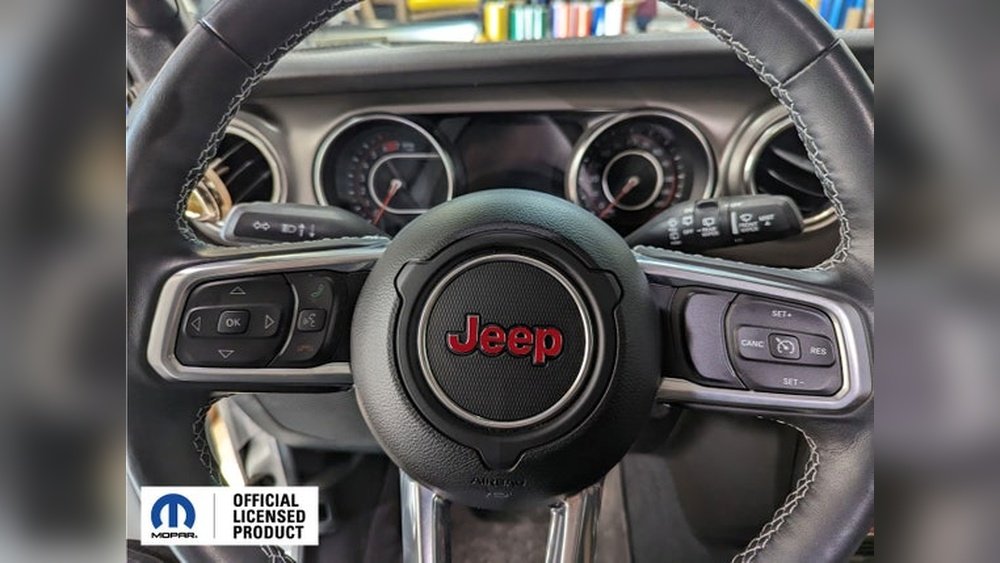
Have you ever noticed that your Jeep’s TPMS (Tire Pressure Monitoring System) light stays on even after you’ve been driving? It can be confusing and a bit frustrating.
You might wonder, “Will the TPMS light turn off on its own after driving, or do I need to do something else? ” Understanding how this warning light works can save you time, stress, and even keep you safer on the road.
You’ll learn why the TPMS light might stay on, when it should turn off automatically, and what steps you can take if it doesn’t. Keep reading to make sure your Jeep’s tire pressure system is working just like it should.

Why Tpms Light Turns On
The Tire Pressure Monitoring System (TPMS) light on a Jeep signals low tire pressure or a system issue.
This warning helps prevent unsafe driving conditions and tire damage.
Understanding why the TPMS light turns on helps you respond correctly and keep your Jeep safe.
Common Triggers For Tpms Alerts
Low tire pressure is the most common trigger for the TPMS light.
Punctures, leaks, or slow air loss cause pressure drops.
Sensor malfunctions or dead batteries can also activate the light.
Incorrect tire size or recent tire changes might confuse the system.
Impact Of Temperature Changes
Cold weather causes tire pressure to drop, triggering the TPMS light.
For every 10 degrees drop, tire pressure can fall about 1 PSI.
Warm weather expands tire air, often turning the light off.
Temperature swings during the day cause the light to flicker on and off.
Effects Of Driving Conditions
Rough roads or off-road driving can affect tire pressure.
Sharp turns or heavy loads may temporarily change pressure readings.
Driving long distances usually stabilizes tire pressure and turns off the light.
Sudden pressure changes during driving may keep the TPMS light on longer.

When Tpms Light Turns Off
The TPMS (Tire Pressure Monitoring System) light on your Jeep signals low tire pressure or a system issue. Sometimes, the light stays on even after fixing tire pressure.
Quick fixes can help turn off the TPMS light without a trip to the mechanic. These methods reset or recalibrate the system, making your Jeep’s TPMS work properly again.
Locate the TPMS reset button inside your Jeep. It is usually near the steering wheel or under the dash.
Press and hold the reset button until the TPMS light blinks three times. Release the button and start driving.
This action tells the system to relearn the tire pressures and may turn off the light.
Using A Tpms Reset Tool
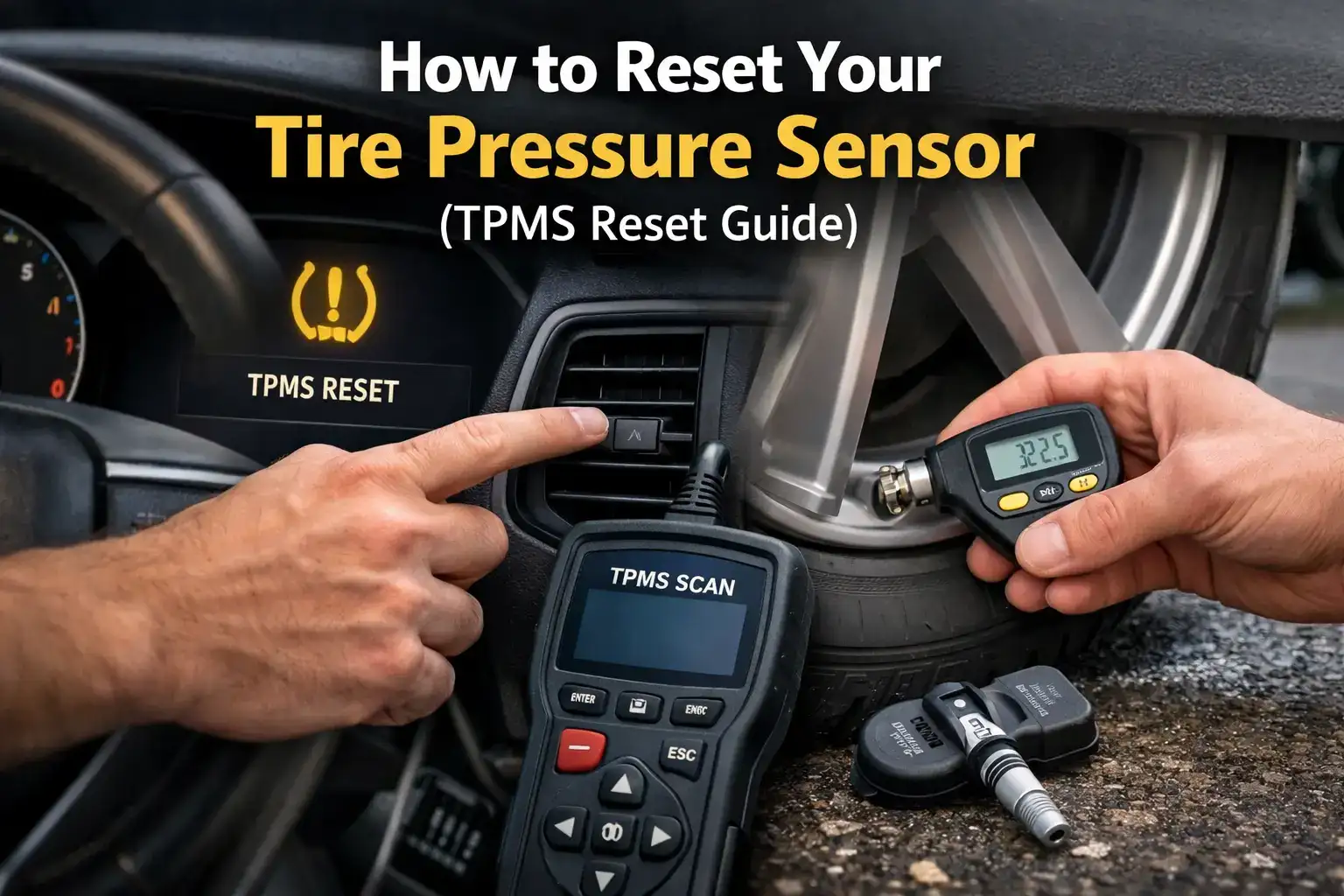
A TPMS reset tool is a handheld device that communicates with your Jeep’s sensors. Place the tool near each tire valve and follow the instructions to reset sensors.
This method often works faster and ensures all sensors are synchronized. It is useful if the manual reset button does not work.
Recalibrating Through Driving
Driving your Jeep at a steady speed can recalibrate the TPMS system. After adjusting tire pressure, drive for about 10 to 15 minutes on a highway.
The system reads the new pressure and may turn the light off automatically. This method requires no tools or buttons but takes some time.
Quick Fixes To Turn Off Tpms Light
The Jeep TPMS (Tire Pressure Monitoring System) light should turn off after driving with correct tire pressure. Sometimes, the light stays on even after fixing the pressure.
This can be frustrating and confusing. Several common issues may stop the light from turning off.
Understanding these problems can help you find a quick solution and avoid more damage.
Faulty Sensors And Battery Drain
TPMS sensors have small batteries that power them. Over time, these batteries can drain and fail.
A dead sensor battery means it cannot send signals to the car’s computer. The TPMS light will stay on as the system thinks there is a tire problem.
Faulty sensors can also give wrong readings or no readings at all. Replacing the sensor battery or the whole sensor often solves this issue.
Incorrect Tire Pressure Readings
Sometimes, the sensors send wrong tire pressure data. This can happen if the tires are not inflated properly or if the sensors are not calibrated.
Even small differences in pressure can keep the light on. Tires must be inflated to the exact pressure recommended by Jeep.
Checking the pressure with a reliable gauge helps. After adjusting, the system may need a reset to update the readings.
Sensor Damage Or Malfunction
TPMS sensors are exposed to harsh conditions like dirt, water, and road debris. Physical damage can cause sensors to malfunction.
Corrosion or broken parts inside the sensor stop it from working correctly. Malfunctioning sensors confuse the TPMS system, causing the warning light to stay on.
Inspecting sensors for damage and replacing them if needed is important. Proper care during tire changes also helps avoid sensor damage.
Common Issues Preventing Light From Turning Off
The TPMS light on a Jeep reacts differently during off-roading. Off-road driving often involves rough terrain and uneven surfaces.
These conditions can affect tire pressure and sensor readings. Understanding how the TPMS light behaves helps drivers manage alerts better and avoid unnecessary worry.
Jeep owners often air down tires for better traction off-road. This change can trigger the TPMS light.
Knowing why and how the system reacts is important for safe off-road driving.
Impact Of Airing Down Tires
Airing down lowers tire pressure to increase grip. The TPMS senses this drop and may trigger the warning light.
This alert signals low pressure, which is normal off-road. The light does not always mean a problem.
It reflects a change from the factory-set pressure.
Tpms Function In Off-road Mode
Some Jeep models have an off-road mode that adjusts TPMS sensitivity. This mode helps reduce false alerts on rough trails.
It allows for safe tire pressure drops without constant warnings. The system still monitors pressure but with more tolerance for changes.
Managing Alerts On Rough Terrain
Driving over rocks and uneven paths causes pressure shifts. The TPMS light may flicker or stay on briefly.
Drivers should check tires when safe. Resetting the TPMS after airing tires back up turns the light off.
Staying aware of tire condition prevents damage and improves safety.
Does Tpms Turn Off Automatically?
The TPMS light usually turns off automatically after correcting tire pressure and driving for a few minutes. If it stays on, reset may be needed.
The TPMS reset button on a Jeep is usually located beneath the steering wheel or inside the glove box. Press and hold it until the tire pressure light blinks three times, then release.
Start the vehicle and wait for the light to turn off.
How Much Does It Cost To Replace A Tire Pressure Sensor On A Jeep Wrangler?
Replacing a tire pressure sensor on a Jeep Wrangler typically costs between $50 and $150 per sensor. Labor charges may add $20 to $50. Prices vary by location and service provider.
Can Autozone Reset Tpms Sensor?
AutoZone cannot reset TPMS sensors. They can check tire pressure and replace sensors but not perform resets.
Conclusion
The Jeep TPMS light usually turns off after driving with correct tire pressure. It may stay on if pressure is still low or sensors have issues.
Checking tires and adjusting pressure helps the light go off. Sometimes, resetting the system manually is needed.
Always keep tires properly inflated for safety and better performance. Watch the TPMS light closely to avoid bigger problems.
Regular maintenance keeps your Jeep running smoothly and safely on the road.