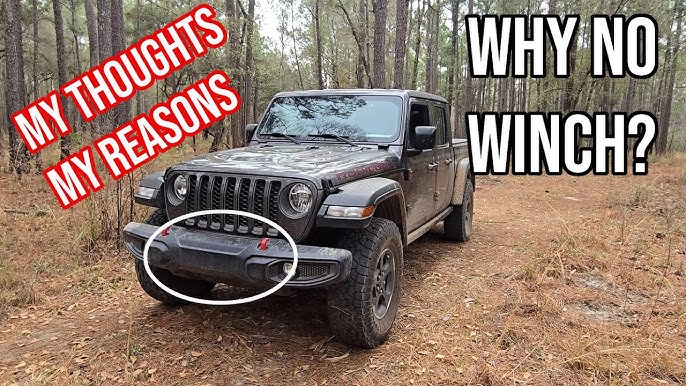
If you drive a Jeep, you’ve probably seen vehicles on the trail with a winch mounted on the front bumper. Maybe you’ve wondered, “Do I really need a winch on my Jeep? ” The answer isn’t the same for everyone.
It depends on where you drive, how often you go off-road, and what risks you’re ready to handle. Let’s break down the real reasons for and against adding a winch, so you can make the best decision for your adventures.
What Does A Winch Do?
A winch is a powerful pulling device, usually installed on the front bumper of your Jeep. It uses a strong cable or synthetic rope to pull your vehicle out of tough spots—like mud, sand, snow, or deep ruts. You can also use it to help other vehicles, move fallen trees, or handle tricky trail obstacles.
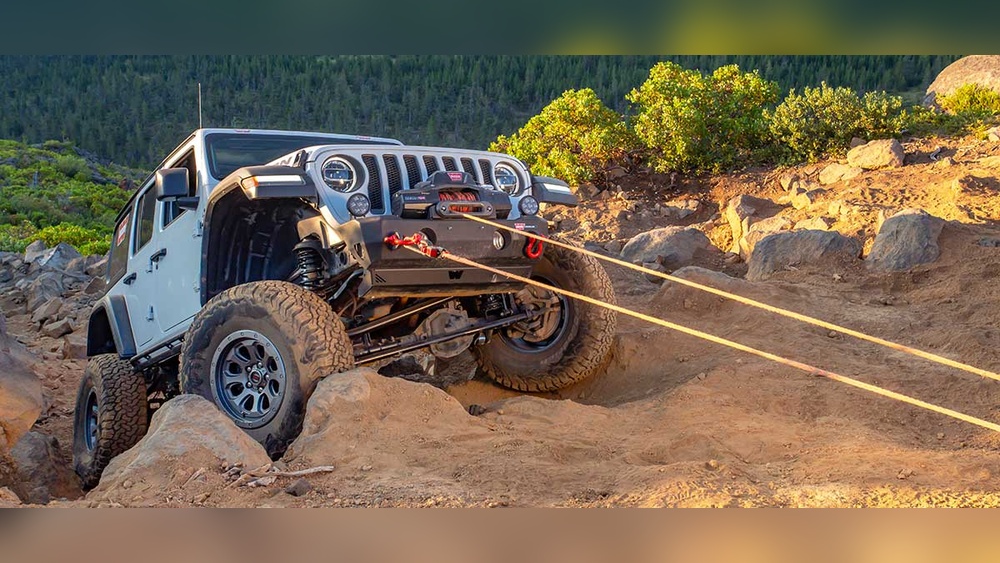
Most winches run on your Jeep’s battery and are controlled with a remote. The pulling power is measured in pounds, with common sizes ranging from 8,000 to 12,000 pounds for most Jeeps.
Who Really Needs A Winch?
Not every Jeep owner needs a winch. Think about these scenarios:
- Frequent off-roading: If you love exploring challenging trails, deep mud, or rocky terrain, a winch is almost essential. You never know when you’ll get stuck.
- Solo adventures: If you often go off-road alone, a winch can be your lifeline. There may not be anyone nearby to help.
- Remote locations: In places with no cell signal or recovery services, a winch adds peace of mind.
But if you mostly drive on paved roads, forest service roads, or go off-road with big groups, a winch might not be necessary.
When A Winch Is Overkill
Some Jeep owners add a winch for looks or “just in case.” That’s fine, but it’s not always practical. Here’s when you might not need one:
- Urban and highway driving: If your Jeep never leaves the pavement, a winch is just extra weight.
- Always with a group: If you wheel with friends who have recovery gear, you may not need your own winch.
- Light trails only: For mild dirt roads and easy trails, other tools (like tow straps) are often enough.
Winch Vs. Other Recovery Gear
There are other ways to get unstuck. Here’s a quick comparison:
| Recovery Tool | Best For | Pros | Cons |
|---|---|---|---|
| Winch | Deep mud, solo recovery | Works alone, strong pull | Expensive, adds weight |
| Tow Strap | Group rides, mild stuck | Cheap, lightweight | Needs another vehicle |
| Traction Boards | Sand, snow, loose soil | Simple, no power needed | Limited pulling power |
Insight: Many beginners overlook how often simple gear like traction boards or a shovel can solve the problem before a winch is needed.
Pros And Cons Of Adding A Winch
Every upgrade has trade-offs. Here are the main points to consider:
| Pros | Cons |
|---|---|
| Self-recovery in remote areas | High cost ($400-$1,500+) |
| Helps others in your group | Adds 60-100 lbs to front bumper |
| Increases Jeep’s capability | Needs maintenance and know-how |
| Peace of mind on tough trails | Drains battery if used carelessly |
Practical tip: If you add a winch, consider upgrading your front bumper and battery to handle the extra load.
What To Consider Before Buying
If you think a winch is right for you, here’s what you should check:
- Winch capacity: Pick a winch rated at least 1.5 times your Jeep’s weight. For example, a Jeep Wrangler weighing 4,000 lbs needs a winch rated for 6,000 lbs or more.
- Synthetic rope vs. steel cable: Synthetic is lighter and safer if it snaps, but steel is more durable for heavy use.
- Electrical system: Make sure your battery and alternator can handle the winch’s power draw.
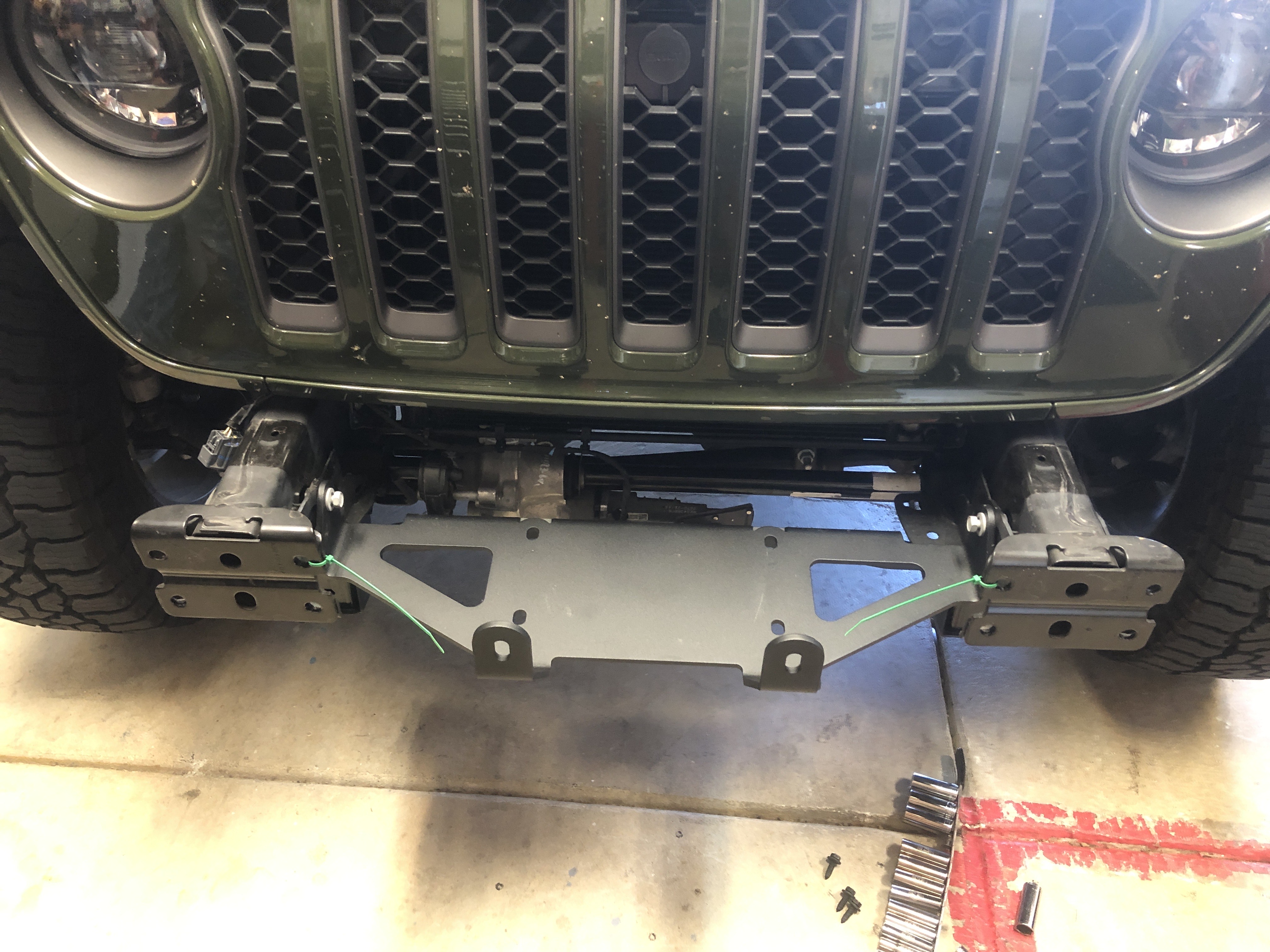
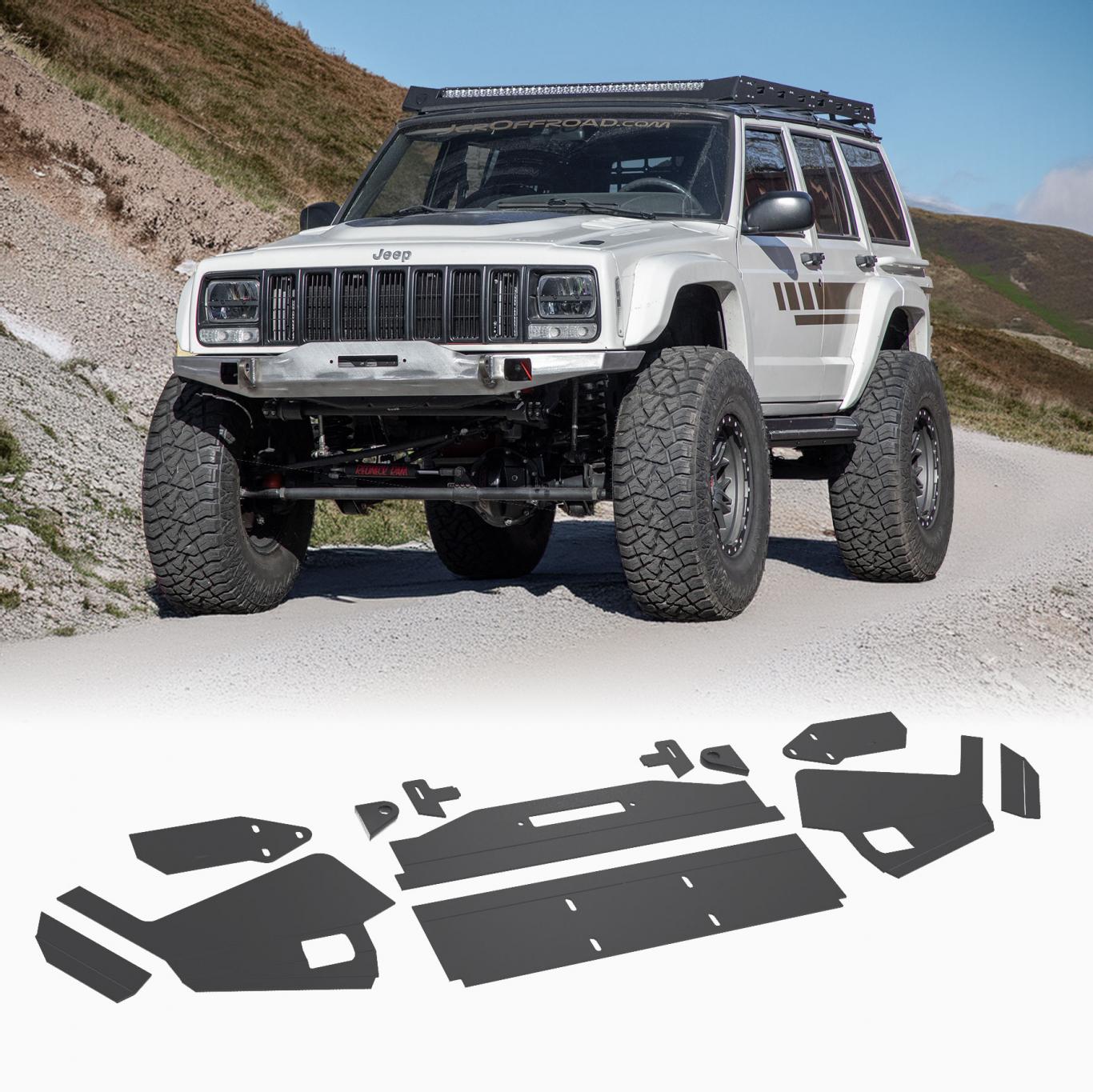
- Mounting: You’ll need a strong aftermarket bumper designed for winches. Stock bumpers often can’t support the weight or stress.
Real-world Examples
- Weekend trail riders: Sarah goes out monthly with her Jeep club. She doesn’t have a winch, but her group carries straps and two winches. She’s never been stuck more than a few minutes.
- Solo adventurers: Mike loves exploring deep woods alone. He got stuck in mud last year and spent hours waiting for help. After that, he installed a winch and now feels much safer tackling tough trails.
- Urban drivers: Dave uses his Jeep for commuting and grocery runs. He’s never needed a winch, so he invested in better tires instead.
Hidden insight: Many first-time winch owners don’t realize the importance of practicing winch use before hitting the trail. A winch is only helpful if you know how to use it safely.
Cost Breakdown
Adding a winch isn’t just about buying the device. Here’s what you might spend:
- Winch: $400–$1,500 (depending on brand and capacity)
- Winch-ready bumper: $300–$900
- Electrical upgrades: $100–$300 (if needed)
- Accessories (gloves, tree saver, snatch block): $50–$200
So, installing a winch can cost anywhere from $850 to over $2,500.
Safety And Maintenance
A winch can be dangerous if used wrong. Always use gloves, stand clear of the cable, and read your manual. Check the winch cable or rope for damage before every trip.
Regularly test your winch at home to make sure it works. Battery maintenance is also important, since a weak battery can leave you stranded.
The Bottom Line: Should You Get A Winch?
If you love off-roading, go alone, or tackle challenging trails, a winch is a smart investment. It gives you confidence and can get you out of trouble when nothing else works. But if your Jeep rarely leaves city streets or you always travel with well-equipped friends, you may not need one.
Think honestly about your driving habits, the risks you’re comfortable with, and your budget. And remember, the best recovery tool is always good judgment—sometimes, it’s smarter to avoid the obstacle in the first place.
If you want more details on off-road vehicle recovery, you can check this helpful vehicle recovery overview on Wikipedia.
Frequently Asked Questions
Is A Winch Necessary For Every Jeep Owner?
No, not every Jeep owner needs a winch. If you mostly drive on paved roads or easy trails, you can use other recovery tools or travel with friends who have winches.
How Much Weight Can A Typical Jeep Winch Pull?
Most winches for Jeeps pull between 8,000 and 12,000 pounds. Choose a winch rated for at least 1.5 times the weight of your Jeep.
What’s Better: Synthetic Rope Or Steel Cable?
Synthetic rope is lighter, easier to handle, and safer if it breaks. Steel cable is more durable in rough conditions but heavier and can be dangerous if it snaps.
Can I Install A Winch On A Stock Jeep Bumper?
Usually not. Most stock bumpers aren’t strong enough to handle the stress. You’ll need a winch-ready bumper.
Do I Need Special Training To Use A Winch?
You don’t need formal training, but you should practice and learn safe winch techniques. Watch videos, read your manual, and try the winch in a safe place before using it in the wild.