For decades, Jeep has been a symbol of rugged adventure and American engineering. But as car brands shift hands and global auto companies merge, many fans ask: Did Jeep get bought out?
The answer is both simple and surprisingly complex. Jeep’s ownership history is full of twists, and its current parent company is not the classic American giant many expect.
If you want to know who owns Jeep today, how it got there, and what it means for the brand’s future, let’s dive in.
Who Owns Jeep Now?
Jeep is currently owned by Stellantis N.V., a multinational automotive group formed in 2021. Stellantis is the result of a merger between Fiat Chrysler Automobiles (FCA) and Peugeot S.A. (PSA Group). This merger made Stellantis the world’s fourth-largest carmaker.
Many are surprised to learn Jeep is no longer under a purely American company. Stellantis is based in the Netherlands, but has major operations in France, Italy, and the United States. The company manages 14 brands, including Jeep, Chrysler, Dodge, Ram, Peugeot, Citroën, and Fiat.
Here’s a quick look at Stellantis’ top brands:
| Brand | Country of Origin | Main Market |
|---|---|---|
| Jeep | USA | Global |
| Fiat | Italy | Europe, South America |
| Peugeot | France | Europe |
| Ram | USA | North America |
| Citroën | France | Europe |
How Jeep Changed Owners Over Time
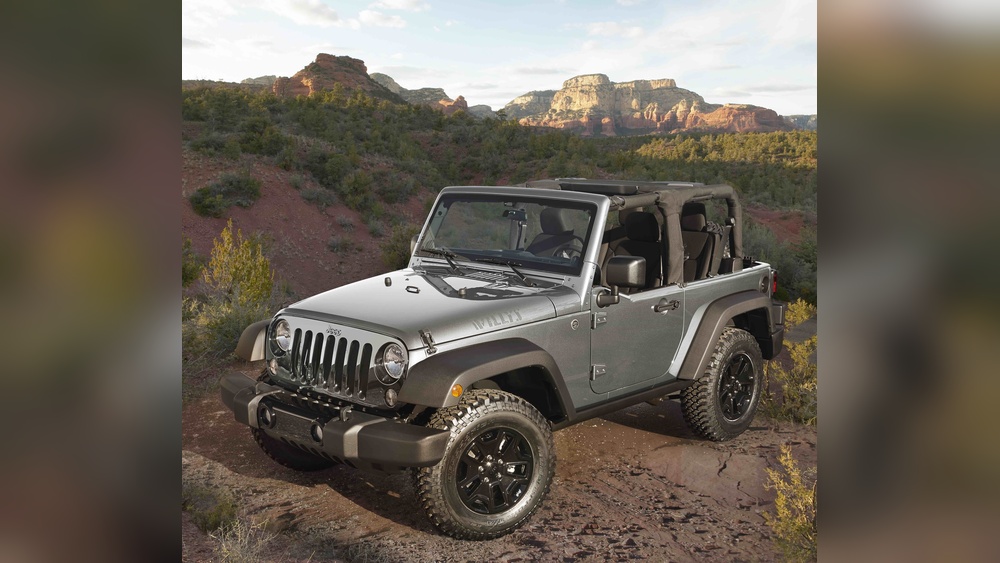
Jeep’s journey started in the 1940s as a military vehicle. Over the years, its ownership shifted several times. Here’s a brief history:
- Willys-Overland (1941-1953): The original maker of the military Jeep.
- Kaiser Motors (1953-1970): Bought Willys and continued Jeep production.
- American Motors Corporation (AMC) (1970-1987): Expanded Jeep’s civilian models.
- Chrysler (1987-1998): Bought AMC, mainly for Jeep.
- DaimlerChrysler (1998-2007): German-American merger.
- Chrysler LLC (2007-2009): Chrysler split from Daimler.
- Fiat Chrysler Automobiles (FCA) (2014-2021): Fiat took control after Chrysler’s bankruptcy.
- Stellantis (2021-present): FCA and PSA merged.
This ownership timeline shows Jeep has rarely stood still. Each new owner brought changes in design, marketing, and strategy.
Few brands have survived so many transitions and stayed successful.
What Led To Stellantis Owning Jeep?
The 2008 financial crisis hit American carmakers hard. Chrysler faced bankruptcy and needed rescue. Fiat, an Italian automaker, stepped in and slowly took full control. This led to the Fiat Chrysler Automobiles (FCA) group in 2014.
But the world was changing. Car companies needed to share technology and cut costs to survive. That’s why FCA merged with France’s Peugeot S.A. (PSA Group) in 2021. The merger created Stellantis, now Jeep’s parent company.
Here’s how Jeep’s ownership changed in recent decades:
| Year | Owner | Key Event |
|---|---|---|
| 1987 | Chrysler | Acquired AMC (Jeep included) |
| 1998 | DaimlerChrysler | Merger with Daimler-Benz |
| 2009 | Fiat | Chrysler bankruptcy, Fiat invests |
| 2014 | FCA | Fiat Chrysler Automobiles formed |
| 2021 | Stellantis | FCA and PSA merge |
Why Do These Changes Matter?
Many drivers think ownership changes are just business. But who owns a car brand can affect:
- Vehicle quality: New owners may change suppliers or factories.
- Design: Different countries have different tastes and rules.
- Technology: Some owners push for hybrids, electrics, or new safety features.
- Customer service: Company culture affects how problems are solved.
For example, Stellantis brings French and Italian engineering to Jeep, which may influence future models. Also, Jeep now shares parts and technology with brands like Peugeot and Fiat. This can lower costs and speed up innovation.
How Has Jeep Changed Since The Buyout?
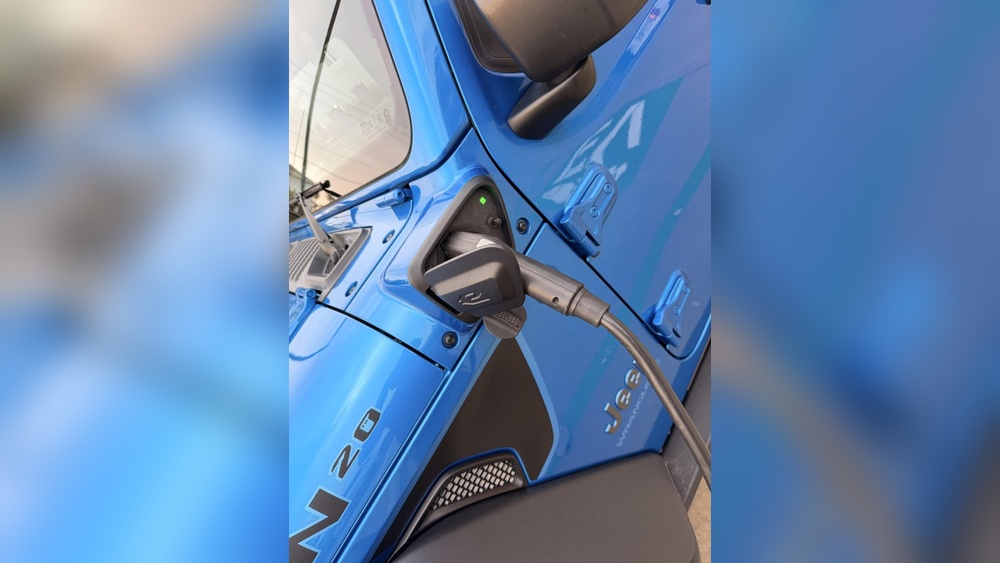
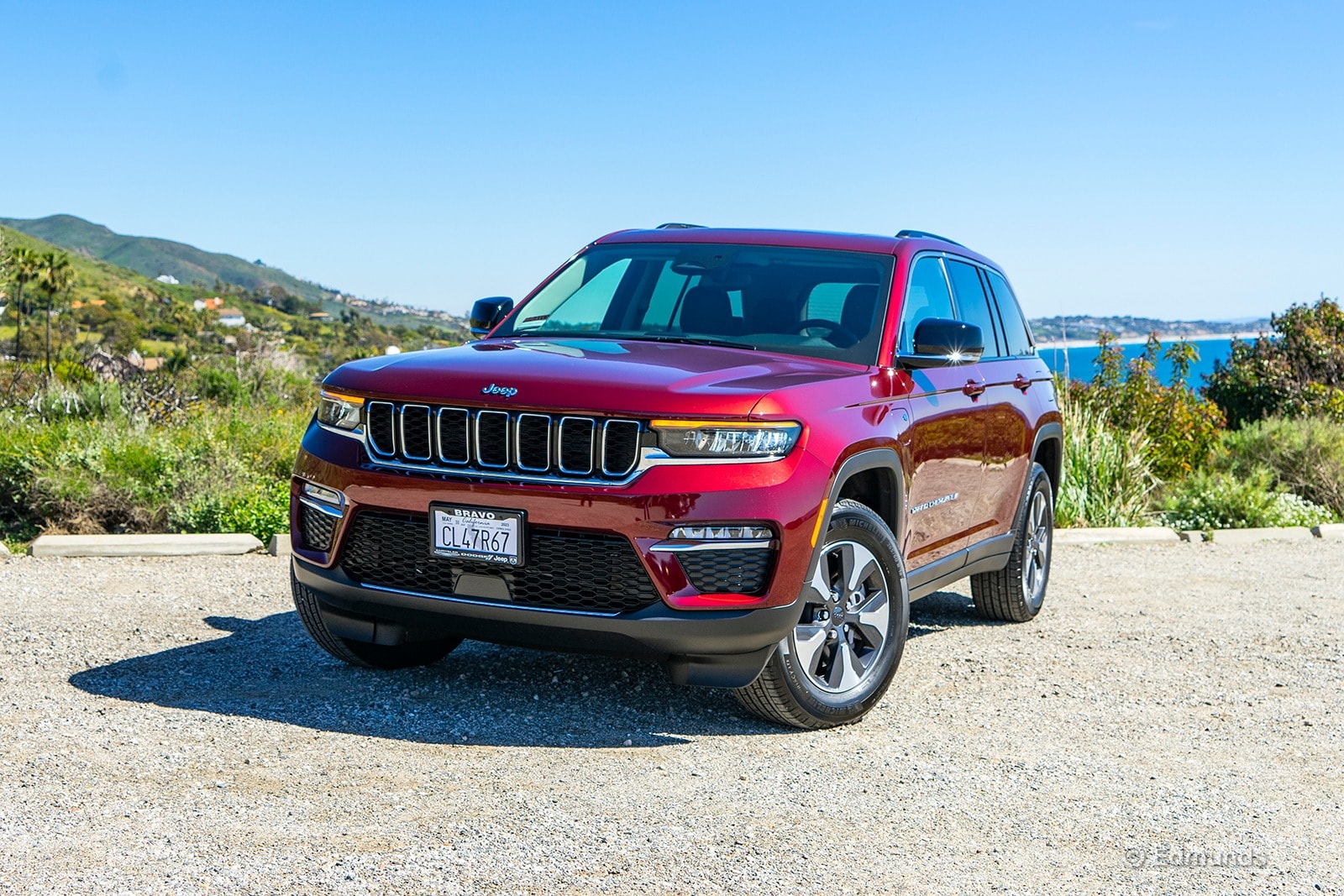
Since joining Stellantis, Jeep has pushed faster into electric vehicles (EVs) and hybrids. The Jeep Wrangler 4xe is a plug-in hybrid selling well in the US. Jeep is also launching fully electric SUVs for Europe and North America.
There’s also more focus on global markets. New Jeep factories opened in India and Brazil.
The company now designs some models to fit smaller European roads and strict emission rules.
However, Jeep keeps its American spirit. Most models sold in the US are still built in American factories.
The brand’s marketing still uses themes of adventure, freedom, and toughness.
Two Insights Many Miss
- Jeep’s American image is now global: While Jeep uses its American roots in ads, the real decision-making is international. Product choices must balance US tastes with European rules and costs.
- Shared technology is shaping new Jeeps: Stellantis lets Jeep use tech from other brands, like electric drivetrains from Peugeot. But this also means Jeep engineers must work closely with teams around the world—sometimes leading to compromises.
What The Future Looks Like For Jeep
Jeep’s future depends on global trends, not just US buyers. The brand will likely offer more EVs and hybrids, smaller SUVs for Europe, and keep large SUVs for America.
Expect more technology—like advanced safety features and infotainment—from Stellantis’ shared resources.
If you’re a Jeep fan, don’t worry: Jeep’s strong brand and loyal customers mean Stellantis will protect its rugged image. The company wants to grow Jeep sales worldwide while keeping its adventurous spirit.
For more on Jeep’s history and current ownership, the Jeep Wikipedia page offers a detailed look.
Frequently Asked Questions