The Crankshaft Sensor Jeep Grand Cherokee plays a vital role in your vehicle's engine performance and operation. This small but crucial component is responsible for telling your engine's computer (the PCM or ECM) the exact position and speed of the crankshaft.
Without this information, the PCM cannot correctly time the fuel injection and ignition spark, leading to a range of problems, from rough idling to a complete no-start condition. Understanding how this sensor works, common issues, and how to replace it can save you time and money on repairs.
The Jeep Grand Cherokee, known for its capability and comfort, relies heavily on precise electronic control for its engine management. The crankshaft position sensor, often abbreviated as CKP sensor, is a key player in this system.
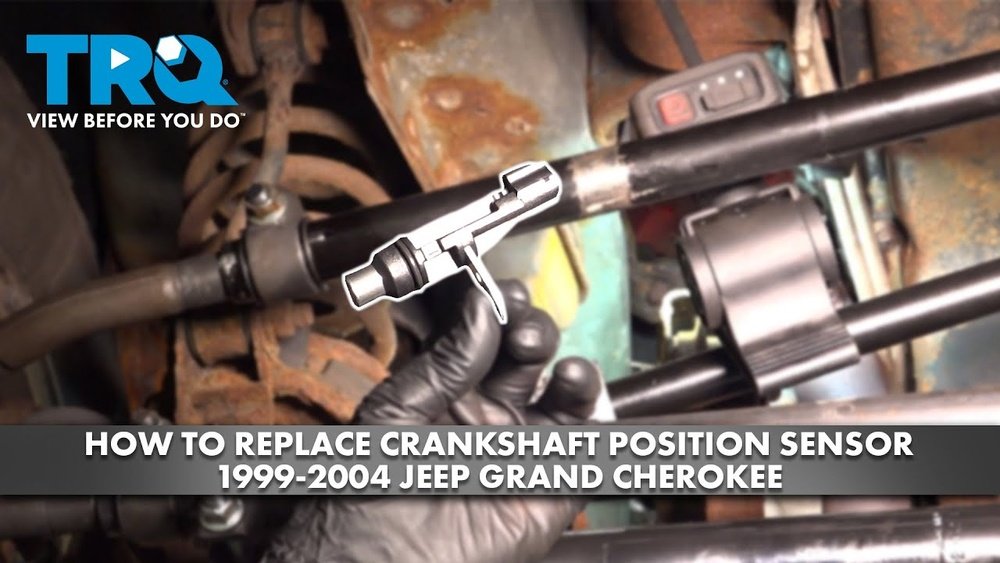
When it fails, the symptoms can be varied and sometimes confusing, making diagnosis challenging for the untrained eye.
This article will provide a comprehensive guide to the crankshaft sensor in your Jeep Grand Cherokee, covering its function, common failure signs, diagnostic steps, and replacement procedures.
Understanding The Crankshaft Sensor’s Role
The crankshaft sensor’s primary job is to monitor the rotational speed and position of the crankshaft. The crankshaft is the central rotating shaft that converts the up-and-down motion of the pistons into rotational motion, which ultimately powers the wheels. The CKP sensor typically uses a magnetic pickup or a Hall effect sensor to detect notches or teeth on a reluctor wheel (also known as a tone ring) attached to the crankshaft or flywheel. As the crankshaft rotates, these teeth pass by the sensor, generating an electrical signal.
This signal is sent to the Powertrain Control Module (PCM). The PCM uses this data, along with information from other sensors like the camshaft position sensor (CMP sensor), to determine:
- Crankshaft Speed (RPM): How fast the engine is rotating.
- Crankshaft Position: The precise angle of the crankshaft at any given moment.
This information is critical for the PCM to execute two of the most important engine functions:
- Ignition Timing: The PCM needs to know exactly when to fire the spark plugs. The CKP sensor’s input allows the PCM to synchronize the spark with the piston’s position, ensuring optimal combustion and power.
- Fuel Injection Timing: Similarly, the PCM must inject fuel into the cylinders at the correct time. The CKP sensor’s data helps the PCM calculate the precise moment for fuel delivery, ensuring efficient fuel combustion and minimizing emissions.
Without accurate data from the crankshaft position sensor, the PCM is essentially flying blind. It cannot initiate the combustion cycle, leading to the engine either stalling, misfiring, or refusing to start altogether.
The interaction between the CKP and CMP sensors is also vital; the PCM uses both to determine which cylinder is on its power stroke and to ensure sequential fuel injection.
Common Symptoms Of A Failing Crankshaft Sensor
When a crankshaft position sensor begins to fail or fails completely, it can manifest in several ways. These symptoms can range from subtle performance issues to complete engine shutdown.
Recognizing these signs early can prevent further damage and get your Grand Cherokee back on the road quickly.
- Engine Misfires: A faulty CKP sensor can cause intermittent or persistent engine misfires. The PCM might receive erratic signals, leading to incorrect spark timing. This can feel like a rough idle, hesitation during acceleration, or a noticeable shudder from the engine. You might also notice the Check Engine Light (CEL) illuminating on your dashboard.
- Rough Idling: If the sensor is providing inaccurate position data, the PCM may struggle to maintain a stable idle. The engine might run rough, shake excessively, or even stall when coming to a stop. This is because the PCM cannot accurately time the fuel delivery and spark for the low-speed operation of idling.
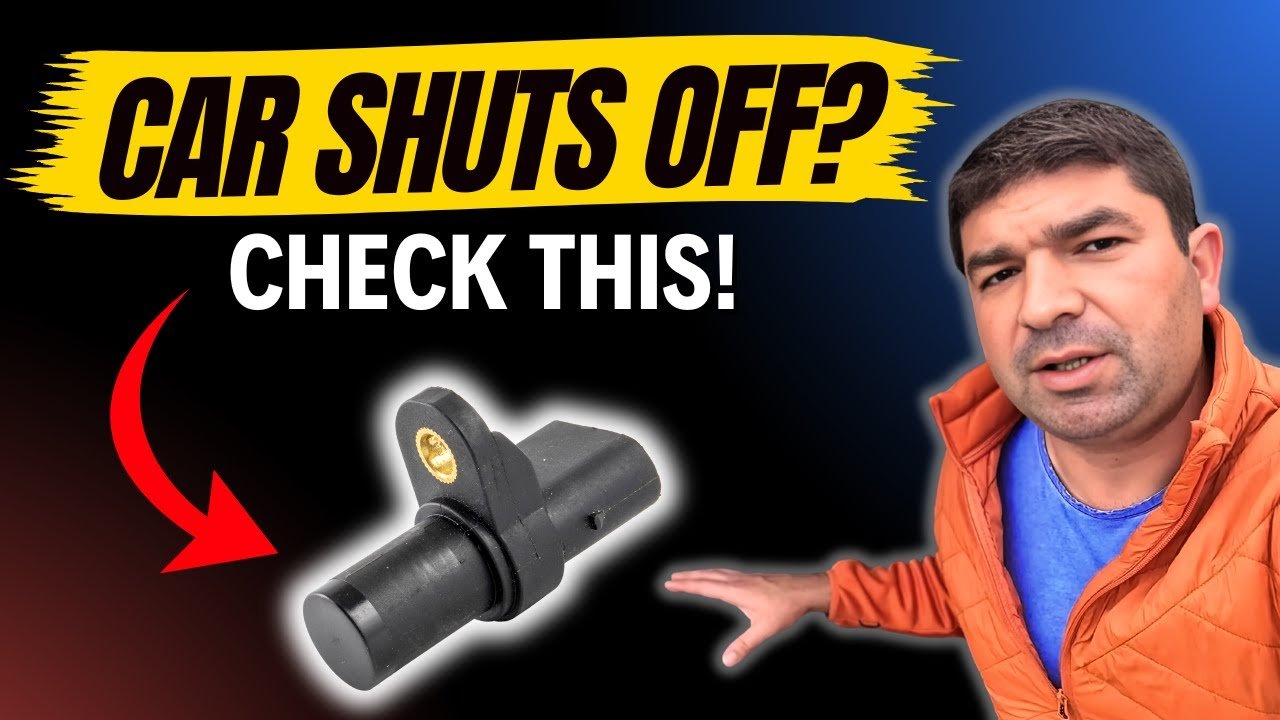
- Stalling: This is one of the most common and concerning symptoms. The engine may stall unexpectedly while driving, or it might refuse to restart after being shut off. This often happens because the PCM loses the critical crankshaft position signal, halting the combustion process. In some cases, the engine might restart after a cool-down period, only to stall again later.
- No-Start Condition: A completely failed CKP sensor will prevent the engine from starting at all. The starter motor might crank the engine, but it will not fire up because the PCM has no information about the crankshaft’s position or speed. This is a definitive sign that the sensor is not functioning.
- Poor Acceleration and Performance: When the CKP sensor is not providing a consistent signal, the PCM cannot optimize ignition and fuel delivery. This can lead to a noticeable loss of power, sluggish acceleration, and a general feeling of reduced engine performance. The vehicle might feel hesitant when you press the accelerator pedal.
- Check Engine Light (CEL): Most modern vehicles, including the Jeep Grand Cherokee, are equipped with sophisticated onboard diagnostics (OBD-II). A failing CKP sensor will almost always trigger a Check Engine Light. The diagnostic trouble codes (DTCs) associated with a CKP sensor issue often include P0335, P0336, P0337, P0338, P0339, and others related to the crankshaft position circuit.
- Failed Emissions Test: Due to the impact on engine timing and combustion efficiency, a faulty CKP sensor can cause your Grand Cherokee to fail an emissions test. The engine will likely be running rich or lean, producing higher levels of pollutants.
It’s important to note that some of these symptoms can overlap with issues caused by other engine components, such as the camshaft position sensor, ignition coils, fuel injectors, or even a weak fuel pump. Therefore, proper diagnosis is crucial before replacing the CKP sensor.
Diagnosing A Faulty Crankshaft Sensor
Diagnosing a crankshaft position sensor problem requires a systematic approach. While the symptoms can be clear, pinpointing the exact cause can be tricky.
Here’s how you can approach the diagnosis for your Jeep Grand Cherokee.
Initial Checks
- Check Engine Light Codes: The first step is to scan for Diagnostic Trouble Codes (DTCs) using an OBD-II scanner. As mentioned, codes like P0335 (Crankshaft Position Sensor “A” Circuit Malfunction) are strong indicators. However, don’t rely solely on the code; it points to a problem in the circuit, which could be the sensor itself, the wiring, or the PCM.
- Visual Inspection: Inspect the wiring harness connected to the CKP sensor. Look for any signs of damage, such as frayed wires, melted insulation, or loose connections. The sensor is often located near the back of the engine block, close to the transmission bell housing, making it susceptible to heat and road debris.
Testing The Sensor And Circuit
- Resistance Test: With the sensor disconnected, you can test its internal resistance using a multimeter. Consult your Jeep Grand Cherokee’s service manual for the specific resistance values for your model year. Typically, a healthy sensor will have a resistance between 100 and 2000 ohms. An open circuit (infinite resistance) or a short circuit (zero resistance) indicates a faulty sensor.
- Signal Output Test (While Cranking): This is a more advanced test that requires a helper to crank the engine while you monitor the sensor’s output with a multimeter set to AC voltage or with an oscilloscope.
- Multimeter: Connect the multimeter probes to the sensor’s signal wires. When the engine is cranked, you should see a small AC voltage reading (usually less than 1 volt) that fluctuates with engine speed. If there’s no reading or an erratic reading, the sensor might be bad.
- Oscilloscope: An oscilloscope provides a visual waveform of the sensor’s output. A good CKP sensor will produce a clean, consistent waveform as the engine cranks. Irregularities in the waveform can indicate a failing sensor or a problem with the reluctor wheel.
- Wiring Integrity Test:
- Continuity: Check for continuity between the CKP sensor connector and the PCM connector. This ensures the wires are not broken internally.
- Short to Ground/Power: Test for shorts to ground or power in the wiring harness. A short can cause erratic readings or prevent the sensor from working at all.
Considerations For Jeep Grand Cherokee Models
Different generations of Jeep Grand Cherokee may have slightly different sensor designs and locations. For example:
- WJ (1999-2004): The CKP sensor is typically located on the driver’s side of the engine block, near the rear, often accessed from underneath the vehicle.
- WK (2005-2010): The location might be similar, but it’s always best to verify with a repair manual specific to your year and engine.
- WK2 (2011-Present): Newer models may feature updated sensor designs or integrated components.
Pro Tip: Always disconnect the battery before performing any electrical tests or disconnecting sensors to prevent damage to the vehicle’s electrical system or the PCM. When in doubt, consult a professional mechanic or a detailed service manual for your specific Grand Cherokee model.
Replacing The Crankshaft Sensor
Replacing the crankshaft position sensor on a Jeep Grand Cherokee is a moderately difficult DIY task. It requires some mechanical aptitude, basic tools, and careful attention to detail.
The difficulty can vary depending on the exact location of the sensor and the accessibility of the work area.
Tools And Materials Needed
- New Crankshaft Position Sensor: Ensure you purchase the correct sensor for your specific year, make, and model of Jeep Grand Cherokee. Using the wrong part can lead to immediate problems or premature failure.
- Socket Set: You’ll likely need sockets ranging from 10mm to 13mm, and possibly a universal joint or extension.
- Wrench Set: For holding nuts or bolts if needed.
- Ratchet: With appropriate extensions.
- Torque Wrench: Crucial for tightening the sensor bolt to the manufacturer’s specifications. Overtightening can damage the sensor or the mounting surface, while undertightening can lead to vibration and potential failure.
- OBD-II Scanner: To clear any stored trouble codes after the replacement.
- Safety Glasses and Gloves: For personal protection.
- Penetrating Oil (Optional): If the sensor bolt is rusted or difficult to remove.
- Dielectric Grease: For the electrical connector to ensure a good seal and prevent corrosion.
Step-by-step Replacement Guide
- Disconnect the Battery: For safety, disconnect the negative battery terminal. Wait a few minutes for any residual power to dissipate.
- Locate the Crankshaft Position Sensor: As mentioned, the CKP sensor is usually found on the rear of the engine block, near the transmission bell housing. It’s often held in place by a single bolt and has an electrical connector. You may need to work from underneath the vehicle. Sometimes, removing the starter motor or an inspection cover can improve access.
- Disconnect the Electrical Connector: Carefully unplug the electrical connector from the CKP sensor. There is usually a locking tab that needs to be pressed or lifted to release the connector. Avoid pulling on the wires; grip the connector itself.
- Remove the Sensor Mounting Bolt: Use the appropriate socket and ratchet to remove the bolt securing the CKP sensor. If the bolt is tight or corroded, a bit of penetrating oil might help, but be careful not to spray it on electrical components.
- Remove the Old Sensor: Once the bolt is removed, gently wiggle the sensor to free it from its mounting hole. It might be slightly seized due to grime or heat. If it’s difficult to remove, you might be able to carefully pry it out with a flathead screwdriver, being cautious not to damage the mounting surface or the engine block.
- Clean the Mounting Surface: Before installing the new sensor, clean the area where the old sensor was mounted. Remove any dirt, debris, or gasket material to ensure a flush fit for the new sensor.
- Install the New Sensor: Apply a small amount of dielectric grease to the electrical connector of the new sensor. Insert the new sensor into the mounting hole. Ensure it is seated correctly.
- Install the Mounting Bolt: Reinstall the mounting bolt and tighten it. Crucially, use a torque wrench to tighten the bolt to the manufacturer’s specified torque. This is typically a low torque value (e.g., 10-20 Nm or 7-15 ft-lbs), so do not overtighten. Refer to your service manual for the exact torque specification.
- Reconnect the Electrical Connector: Plug the electrical connector firmly onto the new sensor until it clicks into place.
- Reconnect the Battery: Reconnect the negative battery terminal.
- Clear DTCs and Test Drive: Start the engine. It should now run smoothly. Use your OBD-II scanner to clear any stored DTCs. Take your Grand Cherokee for a test drive to ensure the problem is resolved and there are no new issues. Listen for any unusual noises and check for smooth acceleration and idle.
Warning: If you are uncomfortable performing this repair, or if access is particularly difficult, it is best to have a qualified mechanic perform the replacement. Incorrect installation can lead to further problems.
When To Seek Professional Help
While replacing a crankshaft position sensor is often a manageable DIY project, there are instances where seeking professional assistance is the wiser choice.
- Lack of Tools or Experience: If you don’t have the necessary tools, particularly a torque wrench, or if you lack confidence in your mechanical abilities, it’s safer to let a professional handle it. Incorrect torque can damage the new sensor or its housing.
- Difficult Access: On some Jeep Grand Cherokee models or configurations, the CKP sensor can be extremely difficult to access. It might be buried deep within the engine bay, requiring removal of other components like the starter, exhaust parts, or even the transmission. If the job seems overly complicated due to access issues, a mechanic has the specialized tools and experience to tackle it efficiently.
- Intermittent Problems: If the symptoms are intermittent and diagnostic codes are not consistently present, pinpointing the issue can be challenging. A professional mechanic has advanced diagnostic equipment and expertise to track down elusive problems that might not be directly related to the sensor itself but rather its circuit or related components.
- Uncertainty After Replacement: If you’ve replaced the sensor and the problem persists, or if new issues arise, it’s time to consult a professional. They can perform more in-depth diagnostics to rule out other potential causes, such as PCM failure, wiring harness issues, or problems with the reluctor wheel.
- Complex Electrical Systems: Modern vehicles like the Grand Cherokee have complex electrical systems. If you suspect a wiring issue or a problem with the PCM, a professional technician is best equipped to diagnose and repair these intricate electrical faults.
In my experience, attempting a repair beyond your skill level can sometimes



















