The crankshaft position sensor is a vital component in your 2002 Jeep Grand Cherokee. It plays a crucial role in your engine's performance by telling the engine control module (ECM) the exact position and speed of the crankshaft.
This information is essential for the ECM to correctly time fuel injection and ignition spark. Without a properly functioning crankshaft position sensor, your Jeep might experience a range of issues, from rough idling to a complete inability to start.
Understanding how this sensor works, its common problems, and how to address them can save you time and money.
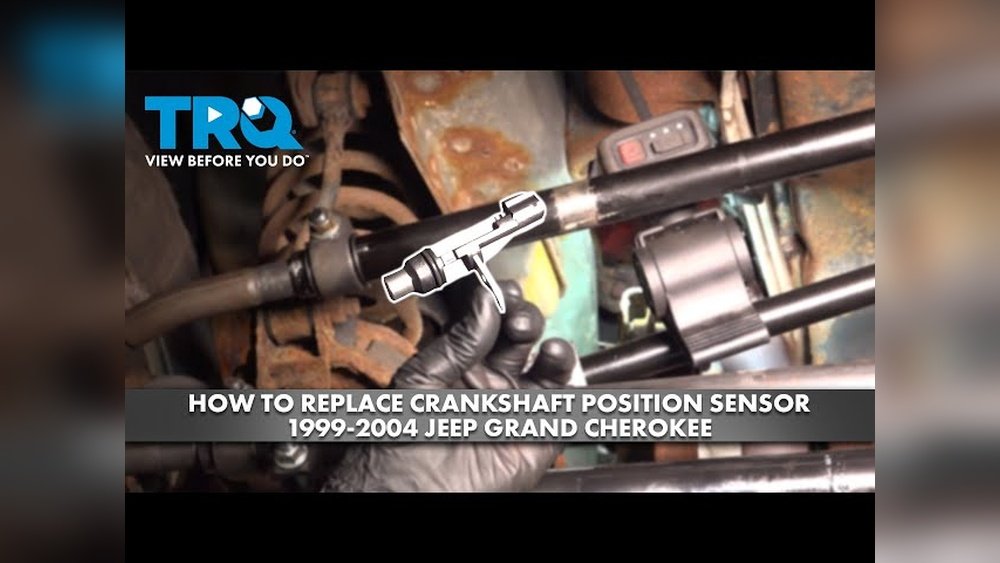
Understanding The Crankshaft Position Sensor
The crankshaft position sensor, often abbreviated as CKP sensor, is a small but mighty part of your engine's electronic system. It works by detecting the rotation of the crankshaft.
Typically, it's a magnetic pickup sensor that generates an electrical signal as a toothed wheel or a reluctor ring attached to the crankshaft rotates past it.
The ECM interprets the frequency and pattern of these pulses to determine the crankshaft's speed and precise position. This data is then used to calculate the optimal moment for injecting fuel into the cylinders and firing the spark plugs.
Think of it as the conductor of an orchestra, ensuring every instrument (fuel injector, spark plug) plays its part at the perfect time.
How It Works In Your 2002 Jeep Grand Cherokee
In your 2002 Jeep Grand Cherokee, the CKP sensor is usually located near the rear of the engine block, often close to the flywheel or flexplate. When the engine is running, the crankshaft spins, and the reluctor wheel attached to it has notches or teeth. As these teeth pass by the CKP sensor, they interrupt or alter the magnetic field generated by the sensor. This change creates a voltage signal that is sent to the ECM. The ECM then uses this signal to understand how fast the crankshaft is turning and where it is in its rotation cycle. This allows the ECM to precisely control engine timing.
For example, when the ECM sees a specific pattern of pulses from the CKP sensor, it knows that a particular cylinder is approaching its top dead center position, ready for ignition. If the CKP sensor fails to send this signal, or sends an erratic one, the ECM loses this critical timing information.
This can lead to misfires, stalling, or the engine not starting at all because the ECM doesn’t know when to fire the spark plugs or inject fuel.
The Role Of The Ecm
The Engine Control Module (ECM), also known as the Powertrain Control Module (PCM), is the brain of your Jeep’s engine management system. It receives data from various sensors, including the crankshaft position sensor, the camshaft position sensor, the throttle position sensor, and many others. Based on this input, the ECM makes real-time adjustments to fuel delivery, ignition timing, idle speed, and other engine functions to ensure optimal performance, fuel efficiency, and emissions control.
The CKP sensor's signal is arguably one of the most critical inputs for the ECM. Without it, the ECM cannot effectively manage the combustion process.
It's like a pilot trying to fly a plane without knowing the aircraft's altitude or speed, essential information is missing, leading to a potential disaster.
The ECM relies on the CKP sensor’s precise readings to synchronize the engine’s internal movements, ensuring that each component works in harmony.
Common Symptoms Of A Failing Crankshaft Position Sensor
When the crankshaft position sensor starts to fail in your 2002 Jeep Grand Cherokee, you’ll likely notice a series of symptoms. These can range from subtle performance issues to more severe problems that leave your Jeep undrivable. Recognizing these signs early can help you avoid a breakdown and costly repairs.
Engine Stalling Or Shutting Off
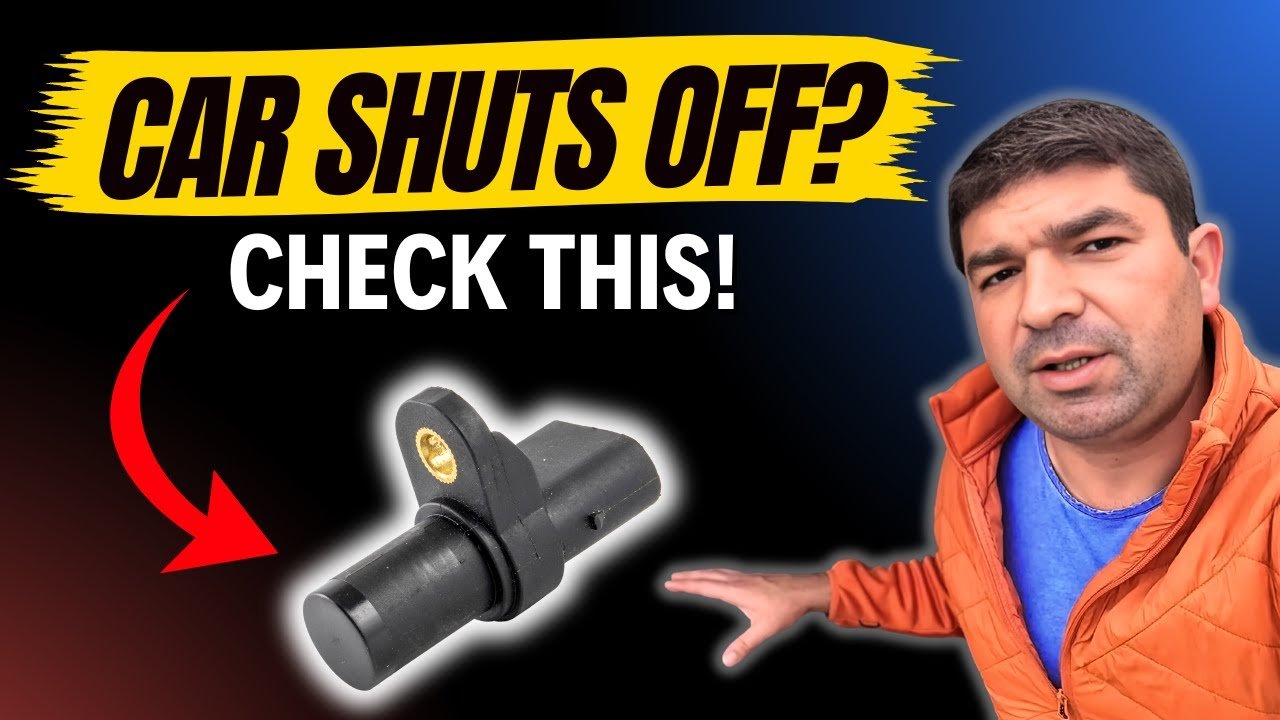
One of the most common and alarming symptoms of a bad CKP sensor is the engine stalling unexpectedly. This can happen while driving, at idle, or even when you first start the engine.
If the sensor is intermittently failing, it might cut off the signal to the ECM, causing the engine to lose spark and fuel, and consequently shut down.
The engine might restart after a short period, especially after it cools down, which is a classic indicator of a failing CKP sensor that is sensitive to heat.
Difficulty Starting Or No-start Condition
If the CKP sensor has completely failed or is providing an unreliable signal, your Jeep may refuse to start altogether. The starter might crank the engine, but it won't fire up.
This is because the ECM is not receiving the necessary information about the crankshaft's position to initiate the combustion cycle.
It’s crucial to differentiate this from a battery or starter issue, where the engine might not even crank. With a bad CKP sensor, you’ll often hear the starter motor turning the engine over, but the engine itself just won’t catch.
Rough Idling And Misfires
An intermittent crankshaft position sensor can cause the engine to run very roughly, especially at idle. You might feel the engine shaking or sputtering. This is due to the ECM not getting a consistent signal, leading to improper ignition timing and fuel delivery. This inconsistency can manifest as engine misfires, where one or more cylinders fail to combust properly. These misfires can be felt as a hesitation or stumbling when accelerating.
Check Engine Light Illumination
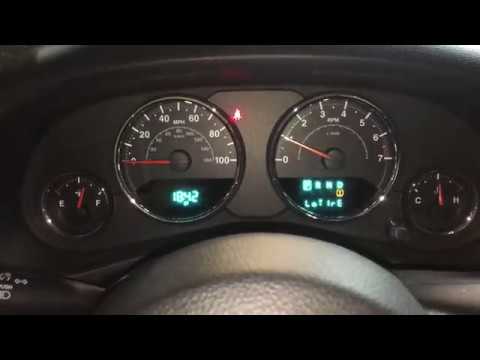
The Check Engine Light (CEL) on your dashboard is designed to alert you to a wide range of potential problems, and a faulty CKP sensor is definitely one of them. When the ECM detects an issue with the CKP sensor’s signal, such as it being absent, out of range, or inconsistent, it will store a diagnostic trouble code (DTC) and illuminate the CEL. Common DTCs associated with a failing CKP sensor include P0335, P0336, P0337, P0338, P0339, P0340, P0341, P0342, and P0343. Reading these codes with an OBD-II scanner is often the first step in diagnosing a CKP sensor problem.
Poor Engine Performance And Hesitation
Even before a complete failure, a partially functioning CKP sensor can lead to noticeable declines in engine performance. You might experience hesitation when you press the accelerator, a lack of power, or a general sluggish feeling from your Jeep.
The ECM is trying its best to manage the engine, but it's working with incomplete or incorrect data, leading to suboptimal engine operation.
Diagnosing A Faulty Crankshaft Position Sensor
Diagnosing a faulty crankshaft position sensor requires a systematic approach. While symptoms can point towards the CKP sensor, it’s important to rule out other potential issues before replacing the part. Using the right tools and techniques can ensure an accurate diagnosis.
Using An Obd-ii Scanner
The first and most straightforward step is to use an OBD-II scanner. Connect the scanner to your Jeep’s diagnostic port, usually located under the dashboard on the driver’s side. Turn the ignition key to the “ON” position (without starting the engine) to allow the scanner to communicate with the ECM. Scan for any stored diagnostic trouble codes (DTCs). As mentioned earlier, codes like P0335 through P0339 are strong indicators of a CKP sensor issue. Record all codes found, as they provide valuable clues.
Checking For Dtcs
Once you have the DTCs, you can research their specific meanings. For example, P0335 typically indicates "Crankshaft Position Sensor 'A' Circuit Malfunction.
" This code means the ECM has detected a problem with the electrical signal from the CKP sensor circuit.
The ‘A’ designation usually refers to the primary crankshaft position sensor. If you have codes related to the camshaft position sensor (P0340-P0343), it’s important to note that these can sometimes be related or confused with CKP sensor issues, as both sensors are critical for timing.
Visual Inspection
A visual inspection can sometimes reveal obvious problems. Carefully inspect the crankshaft position sensor itself for any physical damage, cracks, or corrosion. Also, check the wiring harness connected to the sensor. Look for frayed wires, damaged insulation, loose connectors, or signs of corrosion in the electrical terminals. A damaged wire or connector can disrupt the signal, even if the sensor itself is functioning correctly. Ensure the sensor is securely mounted and hasn’t come loose.
Testing The Sensor’s Electrical Signal
For a more in-depth diagnosis, you can test the sensor’s electrical output. This usually requires a multimeter or an oscilloscope.
- Resistance Test: With the engine off and the sensor unplugged, you can test the resistance across the sensor’s terminals. Consult your Jeep’s service manual for the specific resistance values. If the resistance is out of spec, the sensor is likely faulty.
- Voltage Signal Test (Oscilloscope Recommended): The most effective way to test a CKP sensor is by using an oscilloscope to observe the waveform it produces while the engine is being cranked. The oscilloscope can show if the signal is present, clean, and consistent. A multimeter can sometimes measure AC voltage output while cranking, but it’s less precise for diagnosing intermittent issues. The service manual will provide the expected voltage range and waveform characteristics.
Checking The Reluctor Wheel
The CKP sensor relies on the reluctor wheel (or tone ring) on the crankshaft to generate its signal. Ensure this wheel is not damaged, bent, or obstructed by debris. Sometimes, a damaged reluctor wheel can cause erratic signals that mimic a faulty sensor. This is a more involved check and may require removing the inspection plate on the bell housing.
Replacing The Crankshaft Position Sensor
Replacing the crankshaft position sensor on a 2002 Jeep Grand Cherokee is a task that many DIY mechanics can handle, but it requires some patience and the right tools. The difficulty can vary depending on the specific engine and its location.
Tools And Parts Needed
Before you begin, gather the necessary tools and parts:
- New Crankshaft Position Sensor: Ensure you purchase the correct sensor for your 2002 Jeep Grand Cherokee’s specific engine (e.g., 4.0L inline-6 or 4.7L V8).
- Socket Set and Ratchet: You’ll likely need a specific size socket to remove the sensor’s mounting bolt.
- Wrench Set: For any additional components that might need to be loosened or removed.
- OBD-II Scanner: To clear codes after replacement.
- Safety Glasses and Gloves: For personal protection.
- Penetrating Oil (Optional): If the bolt is seized.
- Torque Wrench: To tighten the new sensor to the correct specification.
- Service Manual: Highly recommended for specific torque values and procedures.
Step-by-step Replacement Guide
- Disconnect the Battery: For safety, always disconnect the negative battery terminal before working on electrical components.
- Locate the Sensor: Find the CKP sensor. On most 2002 Grand Cherokees, it’s located on the driver’s side of the engine block, near the rear, often above or near the oil filter adapter. It will have a wiring connector attached to it.
- Access the Sensor: Depending on your engine, you might need to remove other components to gain clear access. This could include the starter motor, exhaust components, or driveshafts. Consult your service manual for specific instructions for your engine configuration.
- Disconnect the Electrical Connector: Carefully unplug the electrical connector from the old sensor. There is usually a locking tab that needs to be pressed or lifted.
- Remove the Mounting Bolt: Use the appropriate socket and ratchet to remove the bolt securing the CKP sensor to the engine block. The bolt might be tight, so penetrating oil can help if it’s corroded.
- Remove the Old Sensor: Once the bolt is out, gently pull or wiggle the old sensor out of its mounting hole. It might be stuck due to grime or corrosion.
- Install the New Sensor: Clean the mounting surface on the engine block. Insert the new CKP sensor into the bore. Ensure it is seated correctly.
- Install the Mounting Bolt: Reinstall the mounting bolt and tighten it to the manufacturer’s specified torque. Do not overtighten, as this can damage the sensor or the engine block.
- Reconnect the Electrical Connector: Plug the electrical connector firmly into the new sensor until it clicks into place.
- Reassemble Any Removed Components: If you removed any parts for access, reinstall them now.
- Reconnect the Battery: Reconnect the negative battery terminal.
- Clear DTCs: Start the engine. It should now run smoothly. Use your OBD-II scanner to clear any stored trouble codes. The Check Engine Light should turn off.
Important Considerations And Tips
- Sensor Quality: Always opt for a reputable brand for your replacement sensor. Cheap, generic sensors can sometimes fail prematurely or not function correctly from the start.
- Cleanliness: Keep the mounting area and the new sensor clean during installation. Any dirt or debris can affect its performance or installation.
- Service Manual: A Jeep Grand Cherokee service manual specific to your model year and engine is invaluable. It provides exact procedures, torque specifications, and troubleshooting charts.
- Heat Soak: If your symptoms are worse after the engine has warmed up and then cooled down slightly (heat soak), a failing CKP sensor is very likely. This is because the heat causes the internal components of the sensor to expand and fail.
- Professional Help: If you are uncomfortable performing this repair or lack the necessary tools, it’s always best to have a qualified mechanic handle it.
While the crankshaft position sensor is central to engine timing, it doesn’t operate in isolation. Several other components and systems interact with the CKP sensor and the ECM, and issues in these areas can sometimes mimic or even cause CKP sensor-related problems.
Camshaft Position Sensor (cmp Sensor)
The camshaft position sensor works in tandem with the CKP sensor. While the CKP sensor tells the ECM the position of the crankshaft, the CMP sensor tells it the position of the camshaft. This information is crucial for distinguishing between different cylinders and for implementing sequential fuel injection. If the CMP sensor fails, the ECM might not be able to determine which cylinder is on its compression stroke, leading to misfires or a no-start condition. Sometimes, a faulty CMP sensor can trigger codes that might be mistaken for CKP sensor issues, and vice-versa. It’s important to diagnose both if symptoms are ambiguous.
Ignition Coil Packs And Spark Plugs
The CKP sensor’s signal is used to time the firing of the spark plugs. If the CKP sensor is providing incorrect timing information, it can lead to misfires. However, the issue might not be the CKP sensor itself, but rather the components responsible for delivering the spark. Faulty ignition coil packs or worn-out



















