If you’ve seen the code P0455 pop up on your Jeep’s dashboard, you might be wondering what it means and how serious it is.
This code signals a large leak in your vehicle’s EVAP (Evaporative Emission Control) system, which helps keep harmful fuel vapors from escaping into the air.
Ignoring it could lead to increased pollution, a failed emissions test, or even a drop in fuel efficiency.
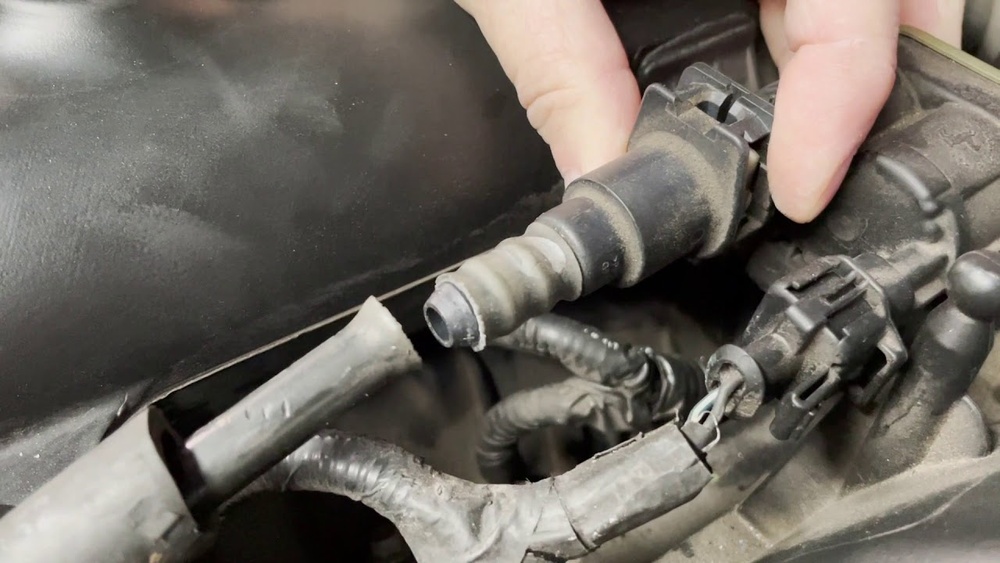
But don’t worry this article will guide you through the common causes of the P0455 code, easy ways to spot the problem, and simple fixes you can try.
Keep reading to get your Jeep running smoothly again and avoid costly repairs down the road.
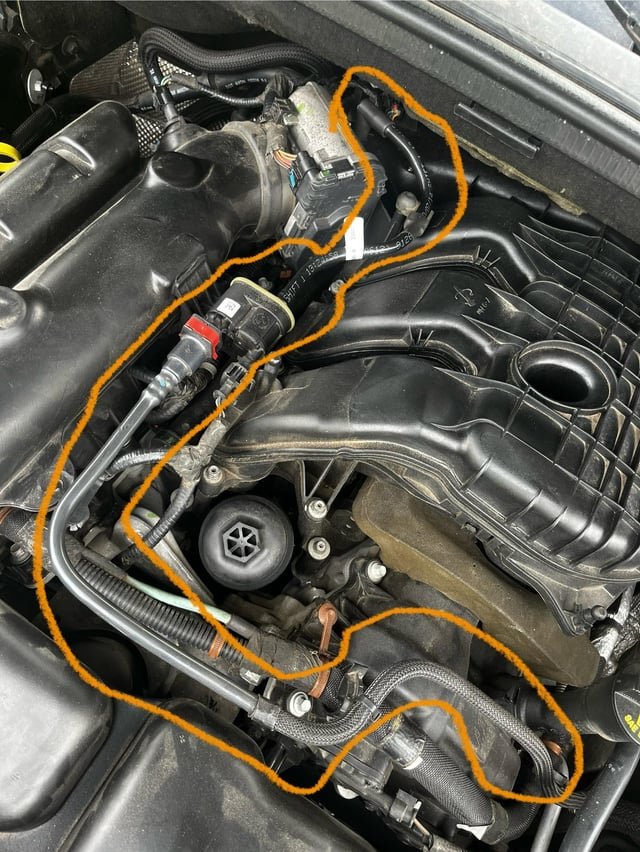
What Triggers Code P0455
Code P0455 indicates a large leak in the EVAP system of your Jeep. This system stops fuel vapors from escaping into the air.
A leak means the system cannot trap these harmful vapors. This causes your Jeep to fail emissions tests and can reduce fuel efficiency.
Understanding what triggers this code helps you spot issues early. It also guides you on where to check for problems in your Jeep’s EVAP system.
Evap System Leak Basics
The EVAP system uses hoses and valves to seal fuel vapors. When a big leak happens, the system detects a drop in pressure. The onboard computer then triggers Code P0455.
Leaks can come from cracks, loose fittings, or broken parts. The system tests itself by sealing and checking for pressure loss.
If it finds a large leak, the code appears on your dashboard.
Common Jeep Causes
- Loose or missing gas cap. This is the simplest and most common cause.
- Cracked or disconnected vacuum hoses. Rubber hoses wear out or break.
- Faulty vent valve. This valve controls air flow into the EVAP system.
- Damaged charcoal canister. Physical damage can cause big leaks.
- Cracked fuel tank or filler neck. These parts can develop holes or splits.
Checking these parts helps find the cause of Code P0455 quickly. Fixing leaks often involves replacing hoses or valves.
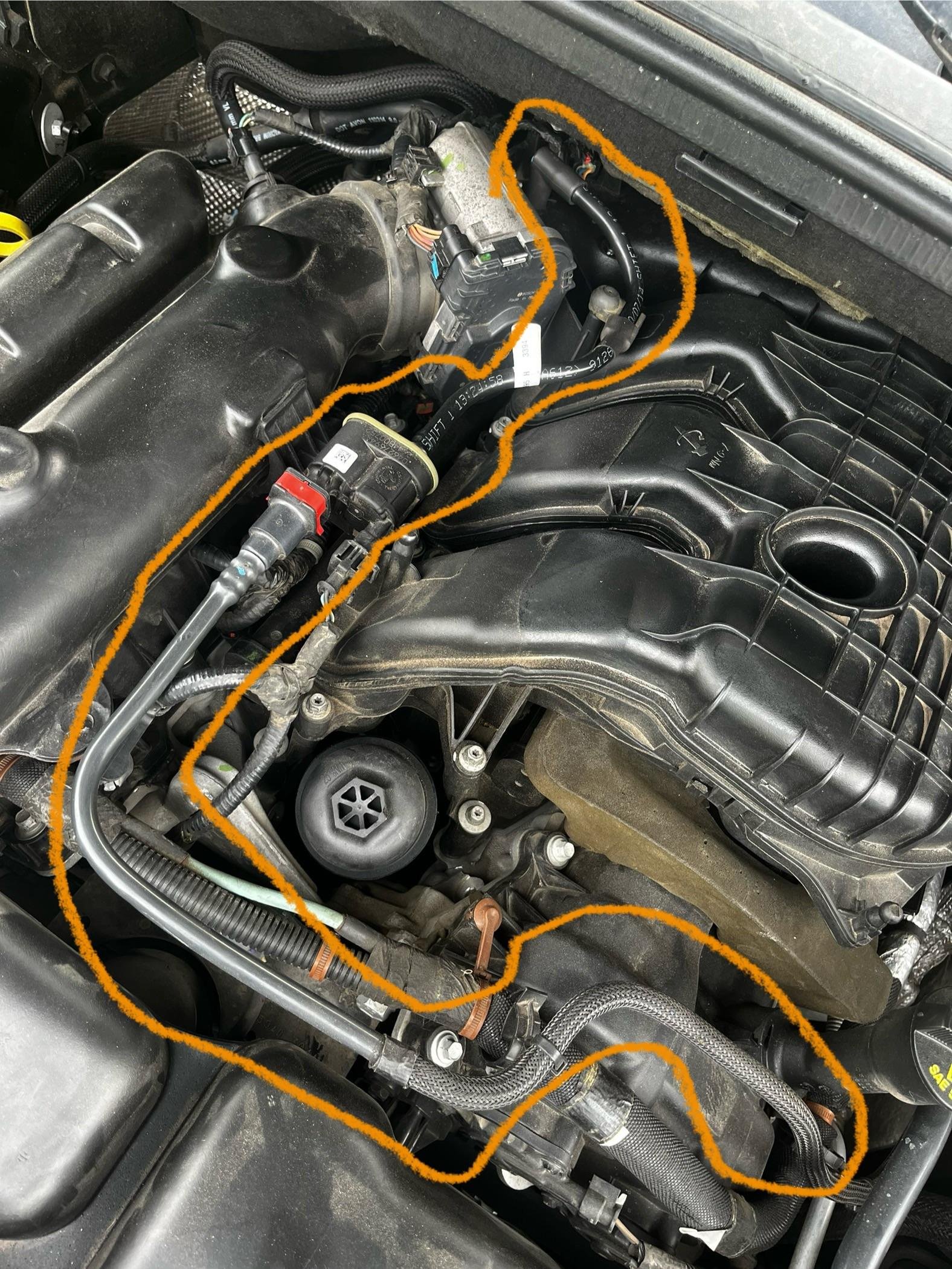
Gas Cap Issues
The gas cap plays a key role in your Jeep’s EVAP system. It keeps fuel vapors sealed inside the tank.
Problems with the gas cap often trigger the P0455 code. This code means a large leak in the EVAP system has been detected.
Gas cap issues are easy to check and fix. They often cause leaks that let fuel vapors escape.
This escape triggers the check engine light on your dashboard.
Loose Or Missing Cap
A loose or missing gas cap is a common cause of the P0455 code. If the cap is not tight, vapors escape from the fuel tank.
Even a slight looseness can cause a leak. Make sure the cap clicks several times when closing.
This ensures a proper seal. Replacing a lost cap is quick and inexpensive.
Damaged Seal Effects
The gas cap seal keeps vapors from escaping. Over time, this seal can crack or wear out.
A damaged seal leads to vapor leaks. These leaks trigger the P0455 code.
Replacing the gas cap usually solves this problem. The new seal restores the tightness needed to stop leaks.
Evap Hoses And Lines
The EVAP hoses and lines play a crucial role in your Jeep’s evaporative emission control system. These hoses carry fuel vapors from the gas tank to the engine, preventing harmful emissions from escaping into the air.
Over time, the hoses can wear out, crack, or disconnect, causing a large leak that triggers the P0455 code. Maintaining these components ensures your Jeep runs clean and meets emission standards.
Cracks And Disconnections
EVAP hoses are made from rubber or plastic and face heat and chemicals daily. This exposure can cause cracks or holes, allowing vapors to leak.
Loose or disconnected hoses break the system’s seal, creating large leaks. Both cracks and disconnections lead to a failed EVAP system and set off the P0455 code. Regular checks can catch these issues early.
Inspecting And Replacing Hoses
Start by visually inspecting all EVAP hoses under the hood. Look for cracks, splits, or soft spots along the lines.
Check that each hose is securely connected to its fittings. If you find damage, replace the hose with a new one of the same size and material.
Use proper clamps to ensure a tight fit and prevent leaks. Replacing worn hoses restores your Jeep’s EVAP system and helps clear the P0455 code.
Faulty Evap Components
Troubleshooting the P0455 Jeep code requires a clear, step-by-step approach. This guide walks through each key repair to fix the large EVAP leak.
Follow these easy steps to restore your Jeep’s emission system. Every step targets common causes of the P0455 code.
Checking And Tightening Gas Cap
Start by inspecting the gas cap. Ensure it is tight and clicks when turned.
A loose or damaged gas cap often triggers the P0455 code. Remove the cap and check for cracks or worn seals.
Replace the cap if it looks damaged. After tightening or replacing, clear the code and test drive the Jeep.
Replacing Purge Valve
The purge valve controls fuel vapor flow from the charcoal canister. A faulty valve causes large leaks in the EVAP system.
Locate the purge valve near the engine intake. Disconnect its electrical connector and vacuum lines.
Unscrew and remove the old valve. Install a new purge valve and reconnect all lines securely. Reset the code and check for leaks.
Fixing Or Swapping Hoses
Examine all EVAP hoses for cracks, splits, or loose connections. Pay close attention to hoses near the purge valve and charcoal canister.
Replace any damaged or brittle hoses with new ones. Secure all connections tightly to prevent vapor leaks.
After replacing hoses, clear the code and take the Jeep for a drive to confirm the fix.
Repairing Charcoal Canister
The charcoal canister stores fuel vapors before they enter the engine. Physical damage or cracks can cause a large leak.
Inspect the canister for any signs of damage or wear. If cracked or broken, replace the canister with a new OEM part.
Ensure all hoses and valves connect properly to the canister. Clear the error code and test the Jeep’s EVAP system again.
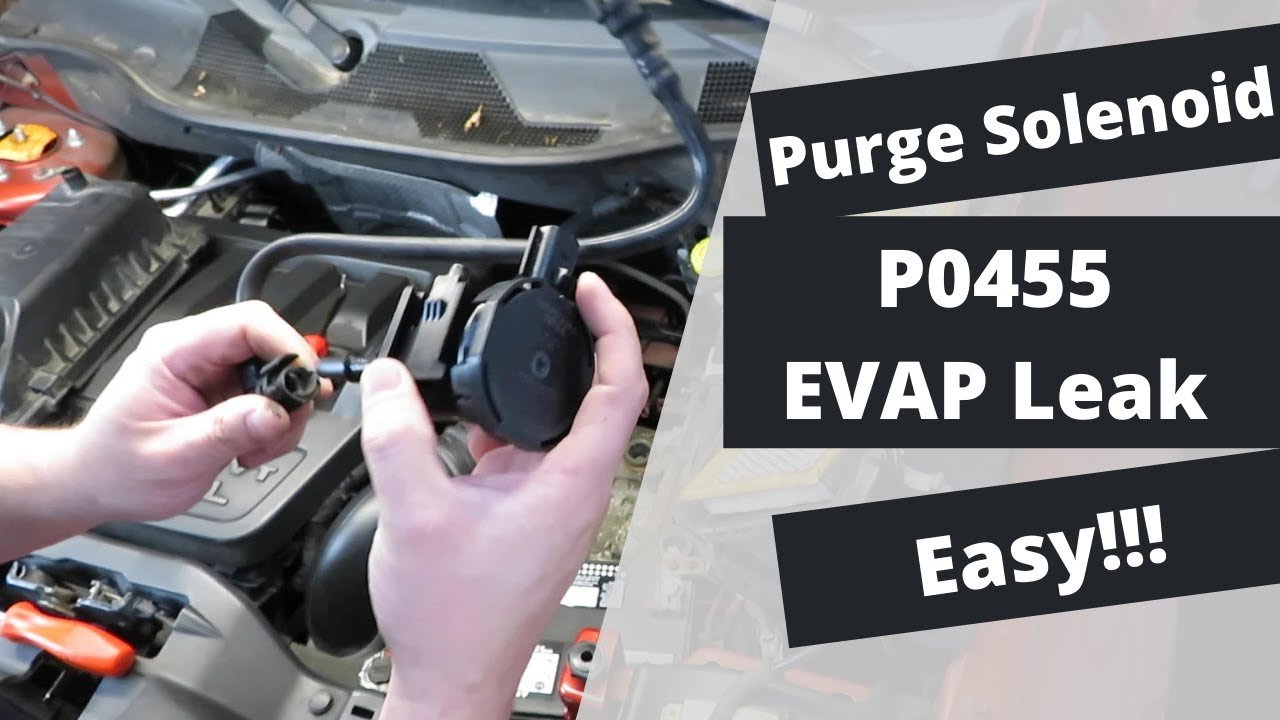
Frequently Asked Questions
How Do I Fix My Evap Code P0455?
Fix EVAP code P0455 by checking and tightening the gas cap first. Inspect and replace cracked or disconnected EVAP hoses.
Test and swap a faulty purge valve or vent valve. Clear the code after repairs to ensure the leak is resolved.
Is An Evap Leak Expensive To Fix?
An EVAP leak repair cost varies. Small leaks, like a loose gas cap, are cheap to fix.
Major leaks involving hoses or valves can be more expensive but usually remain affordable. Early detection helps avoid costly repairs.
What Is The Most Common Cause Of A P0455 Code?
The most common cause of a P0455 code is a loose or missing gas cap. It triggers a large EVAP system leak.
Can I Still Drive With A P0455 Code?
You can drive with a P0455 code, but your vehicle may pollute more and fail emissions tests. Fix leaks soon.
Conclusion
The P0455 code signals a large leak in your Jeep’s EVAP system. Check the gas cap first it’s often the easiest fix.
Inspect hoses and valves for cracks or loose connections next. Replacing faulty parts usually restores proper function.
Driving with this code may reduce fuel efficiency and cause emissions failure.
Addressing the issue soon keeps your Jeep running cleaner and avoids bigger repairs later. Stay attentive to these warning signs for a smoother ride.