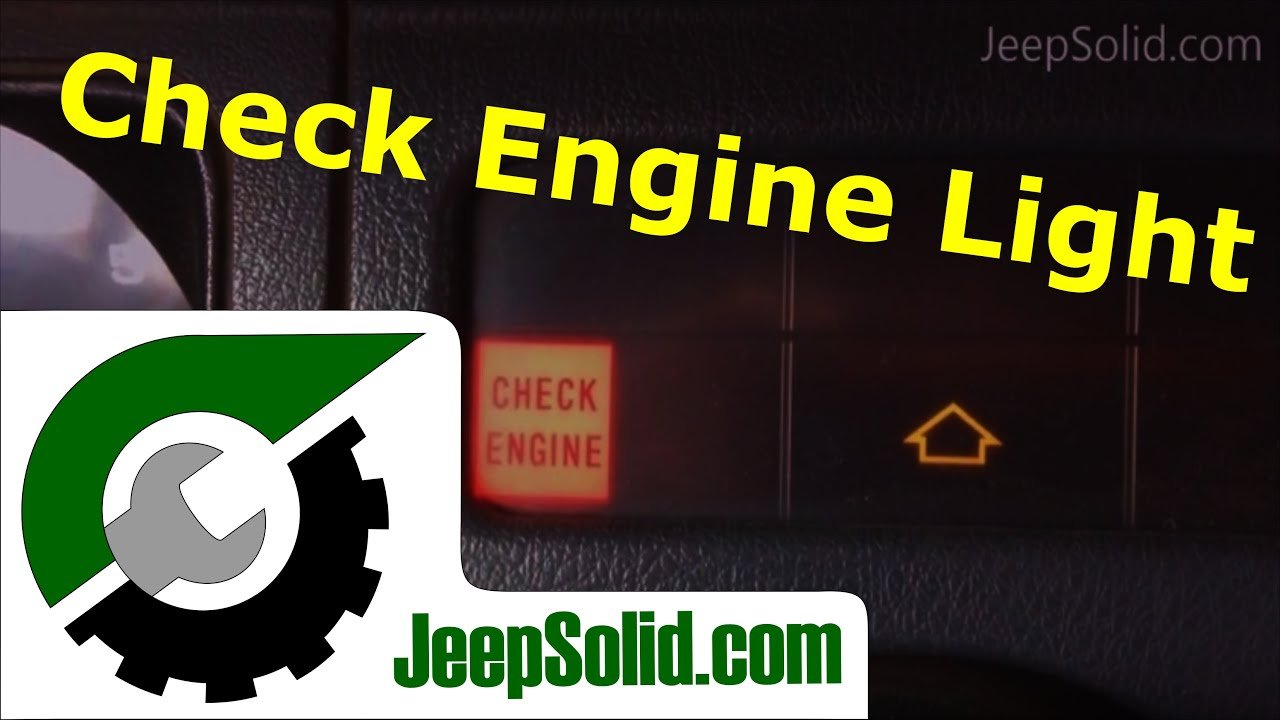
If your Jeep Wrangler’s check engine light just came on, you might be feeling a mix of confusion and concern. What does that flashing or steady light really mean?
And more importantly, how can you find out what’s wrong without spending a fortune at the mechanic? Good news you don’t always need expensive tools to get the answers.
In fact, many Jeep Wranglers let you read the check engine light codes right from your dashboard, giving you instant clues about what your vehicle needs.
You’ll discover simple steps to check engine light codes on your Jeep Wrangler, understand the most common trouble codes, and learn when it’s safe to keep driving or when you should call for a tow.
By the time you finish reading, you’ll feel confident taking control of your Jeep’s health and saving time and money on repairs. and decode that warning light together!
Check Engine Light Basics
The check engine light is a key warning signal in your Jeep Wrangler. It alerts you when the engine or emission system has a problem.
Understanding this light helps you avoid serious damage and costly repairs.
This light can turn on for many reasons. Some are simple fixes, others need professional help.
Knowing what the light means and common causes can save time and stress.
What The Light Means
The check engine light shows a fault in the engine or emission system. It can be steady or flashing.
A steady light means a minor issue. A flashing light signals a serious problem that needs immediate attention.
The light turns on when the engine control unit finds a fault. It stores a code that helps identify the issue.
These codes are called Diagnostic Trouble Codes (DTCs). You can read them with a scanner or sometimes directly on the dashboard.
Common Causes In Jeep Wranglers
One common cause is a loose or faulty gas cap. It can trigger the light by causing fuel vapors to leak.
Another usual reason is a bad oxygen sensor. This sensor helps control fuel and emissions.
Failing spark plugs or ignition coils also cause the check engine light to come on. These parts affect engine performance and fuel economy.
Problems with the catalytic converter or mass airflow sensor are also frequent causes in Jeep Wranglers.
Reading Codes Without A Scanner
You do not always need a scanner to find Jeep Wrangler engine codes. Some models let you check codes using the dashboard display.
This helps you identify problems without extra tools. It saves time and money.
Knowing how to read codes manually is useful in many situations.
By following simple steps, you can get Diagnostic Trouble Codes (DTCs) from your Jeep. These codes show what might be wrong with your vehicle.
This process works best when the check engine light is on. It gives quick clues about the issue.
Manual Code Retrieval Steps
Sit in the driver’s seat with all doors closed. Insert the key into the ignition.
Turn the key from OFF to ON three times in a row. End with the key in the ON position without starting the engine.
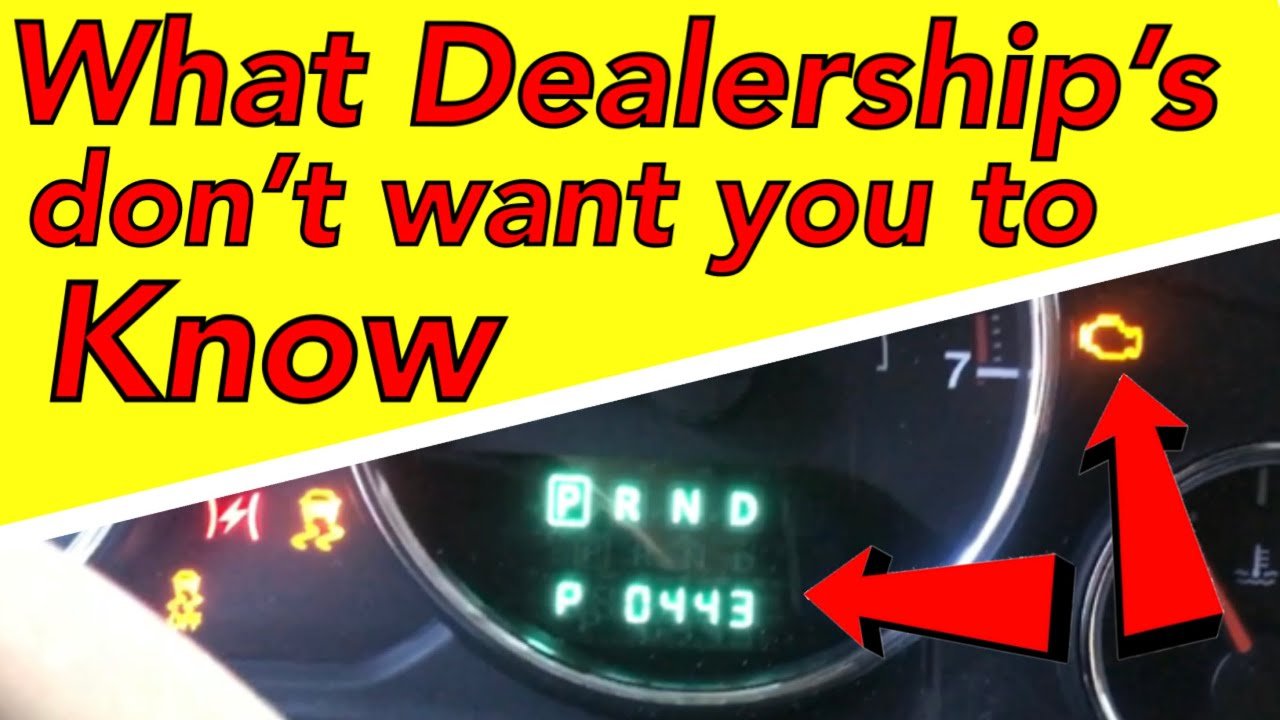
The odometer will begin to flash codes if any are present. Each code appears as a series of numbers.
If no codes exist, the display will show “-done-“.
Using The Odometer Display
The odometer shows the codes as flashing numbers. The first digit flashes slowly, followed by faster flashes for the second digit.
For example, two slow flashes and three fast flashes mean code 23. Write down all codes shown for reference.
These codes help identify the problem area of your Jeep. This method works well on many Jeep Wrangler models, especially older ones.
Limitations Of Manual Reading
Manual code reading has limits. It only works if your Jeep supports this method.
Some newer models may not display codes on the odometer. Also, manual reading only shows basic codes.
It cannot provide detailed information like a scanner can. Some issues require advanced tools to diagnose fully.
For complex problems, a professional scan tool is best.
Using An Obd-ii Scanner
Using an OBD-II scanner is an effective way to diagnose Check Engine Light codes on your Jeep Wrangler. This device reads the diagnostic trouble codes (DTCs) stored in your vehicle’s computer.
It helps you identify specific issues quickly and accurately. This section explains how to choose the right scanner, connect it properly, and understand the results.
Choosing The Right Scanner
Select a scanner that supports Jeep Wrangler models and reads generic and manufacturer-specific codes. Basic scanners display only error codes, while advanced ones offer live data and freeze frame information.
Consider a scanner with a clear display and easy-to-use interface. Wireless Bluetooth scanners work with smartphones and can be more convenient.
How To Connect And Read Codes
Locate the OBD-II port under the dashboard near the steering column. Plug the scanner into the port firmly.
Turn your Jeep’s ignition to the ON position without starting the engine. Follow the scanner’s instructions to start the code reading process.
The scanner will display the stored codes and may give a brief description.
Interpreting Scanner Results
Each code begins with a letter followed by numbers, such as P0301. The letter indicates the system involved: P for powertrain, B for body, C for chassis, and U for network.
Use the scanner’s code list or a Jeep-specific database to understand each code’s meaning. Some codes signal minor issues, while others require immediate repair.
Use the information to decide your next steps.
Common Jeep Wrangler Codes
Jeep Wranglers often show check engine light codes that help identify car issues. These codes point to specific problems in your vehicle’s engine or related systems.
Knowing the common codes makes it easier to spot what needs fixing. This helps save time and money on repairs.
Some codes appear more frequently in Jeep Wranglers. Understanding their symptoms and quick fixes can keep your Jeep running smoothly.
Below, we list common codes, their signs, and simple solutions you can try at home.
Frequent Engine Trouble Codes
Jeep Wranglers often show codes like P0300, P0420, and P0171. P0300 means random misfires in the engine.
P0420 signals a problem with the catalytic converter’s efficiency. P0171 indicates the engine is running too lean, with too much air or not enough fuel.
Other common codes include P0455 for an evaporative emission system leak and P0128 for low coolant temperature. These codes help narrow down the source of engine trouble quickly.
Symptoms Linked To Each Code
Code P0300 causes rough idling and engine shaking. P0420 may trigger decreased fuel efficiency and a rotten egg smell.
P0171 often results in poor acceleration and stalling.
A P0455 code usually lights up the check engine light without major drivability issues but may cause a gas smell. P0128 can lead to longer warm-up times and poor heater performance.
Quick Fixes To Try
For P0300, check and replace faulty spark plugs or ignition coils. P0420 might need a new catalytic converter or oxygen sensor.
For P0171, clean or replace the mass airflow sensor and check for vacuum leaks.
Fixing a P0455 often means tightening the gas cap or replacing it if damaged. For P0128, ensure the thermostat is working and coolant levels are adequate.
Decoding And Diagnosing Issues
The check engine light on your Jeep Wrangler signals that the vehicle’s computer has detected an issue. Decoding and diagnosing these warning codes helps identify the exact problem.
This process saves time and prevents further damage. Understanding what each code means can guide quick repairs or adjustments.
Knowing when to seek professional help is important. Some issues are simple to fix, while others need expert attention.
Early diagnosis can keep your Jeep running smoothly and safely.
What Each Code Indicates
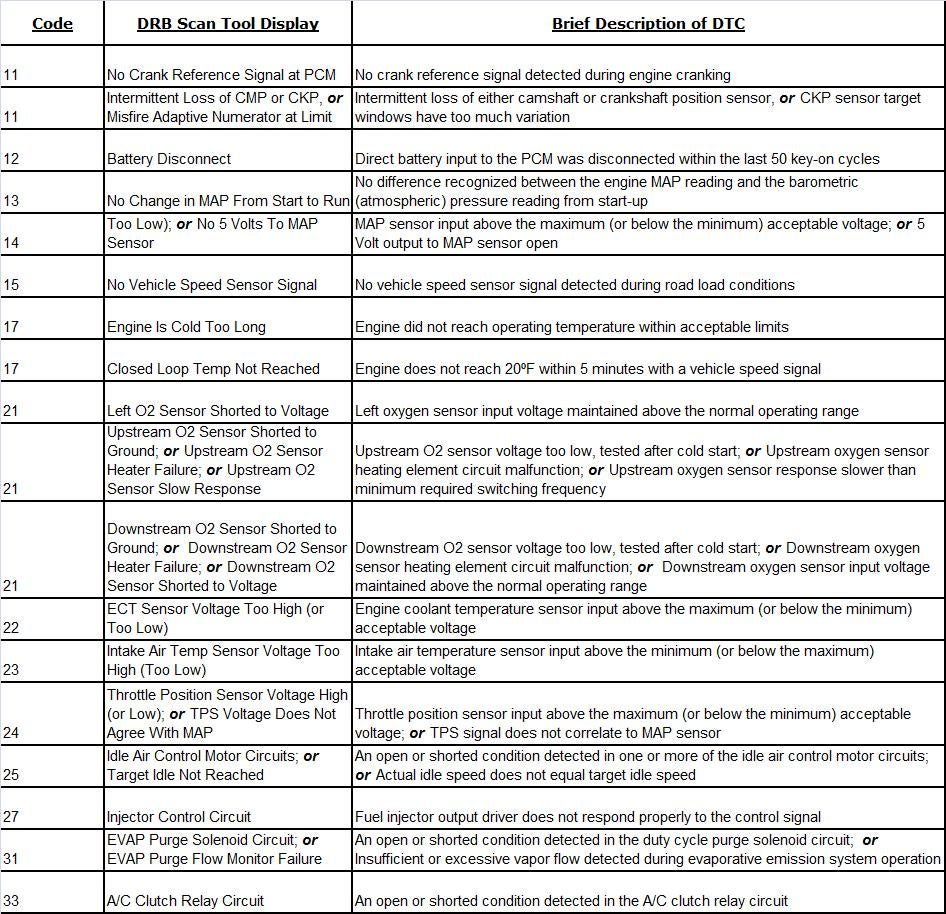
Each check engine light code corresponds to a specific problem or system. Common codes relate to the engine, transmission, emissions, or sensors.
For example, a P0300 code means random engine misfires. A P0420 code points to a catalytic converter issue.
Some codes show simple sensor faults, while others signal serious engine trouble.
Understanding the code helps decide the next step. Some fixes are easy, like replacing a loose gas cap.
Others require parts replacement or deep engine checks. Always read the exact code to know what your Jeep needs.
When To Seek Professional Help
Minor issues can sometimes be fixed at home. Tightening the gas cap or changing spark plugs are examples.
If the check engine light stays on after these fixes, professional help is needed. Also, flashing or rapidly blinking lights show urgent problems.
Unusual noises, loss of power, or poor fuel economy also require expert diagnosis. Mechanics have tools to read codes precisely and perform repairs safely.
Visiting a trusted technician prevents bigger problems and costly repairs.
Fixing Check Engine Light Problems
The check engine light on a Jeep Wrangler signals a problem in your vehicle’s system. Fixing these issues quickly helps keep your Jeep running smoothly.
Some problems are easy to fix at home, while others need professional care. Understanding the right steps can save time and money.
Diy Repairs For Simple Issues
Many check engine light problems come from small, fixable issues. A loose gas cap often triggers the light.
Tightening or replacing it can clear the error. Checking the air filter and replacing it if dirty also helps.
Cleaning the sensors with safe cleaners might solve sensor errors. Simple repairs like these do not need special tools or skills.
Parts Replacement Tips
Replacing faulty parts can stop the check engine light. Use parts made for your Jeep Wrangler model.
Buy from trusted sellers to avoid poor quality parts. When changing parts, follow the Jeep’s manual steps carefully.
Disconnect the battery before working on electrical parts. Test the vehicle after replacement to ensure the problem is fixed.
Some parts, like oxygen sensors, often cause engine light issues.
When To Visit A Mechanic
Complex problems need a professional mechanic’s help. If the check engine light flashes or stays on with performance loss, stop driving.
Serious engine or exhaust system faults require expert diagnosis. Mechanics have tools like OBD-II scanners for accurate readings.
They can fix issues safely and prevent further damage. Visiting a mechanic early avoids costly repairs later.
Driving With The Check Engine Light On
Driving with the check engine light on in your Jeep Wrangler can be confusing. This light signals your vehicle’s computer has detected a problem.
Understanding what the light means helps you decide what to do next. Some issues are minor, but others need urgent attention.
Steady Vs. Flashing Light
A steady check engine light means a non-urgent problem. You can drive your Jeep carefully to a mechanic.
A flashing check engine light signals a serious issue. It usually means engine misfire or damage risk. Stop driving immediately to avoid costly repairs.
Safe Driving Guidelines
When the check engine light is steady, drive slowly and avoid hard acceleration. Watch for strange noises or smells.
Keep an eye on fuel economy and engine performance. If you notice any issues, pull over safely and turn off the engine. Check your Jeep’s manual for specific advice.
When To Tow Your Jeep
Towing is the safest choice if the check engine light flashes. Also tow if the Jeep overheats or shows heavy smoke.
If the engine loses power or stalls, do not drive it. Call a tow service to prevent further damage.
Better safe than sorry with your Jeep Wrangler.
Preventing Future Check Engine Lights
Preventing future check engine lights on your Jeep Wrangler saves time and money. Understanding how to keep your vehicle in good condition lowers the risk of unexpected engine warnings.
Simple habits and tools help maintain your Jeep’s performance and avoid common issues that trigger the check engine light.
Regular Maintenance Tips
Change your engine oil on schedule. Use the right oil type for your Jeep model.
Replace air and fuel filters regularly. Dirty filters reduce engine efficiency and may cause warning lights.
Check spark plugs and ignition wires often. Worn components can lead to misfires, activating the check engine light.
Inspect the gas cap after refueling. A loose or damaged cap can cause fuel system errors.
Keep an eye on fluid levels like coolant and transmission fluid. Low fluids affect engine health and trigger alerts.
Routine maintenance avoids many common causes of check engine lights.
Monitoring Your Jeep’s Health
Listen for unusual engine sounds and watch for changes in performance. Poor acceleration or rough idling can signal engine problems early.
Monitor fuel economy for sudden drops. This often indicates an underlying issue that needs attention.
Check your dashboard for any warning signs besides the check engine light. Address problems promptly to prevent bigger damage.
Regularly scan your Jeep’s computer with an OBD-II reader to detect minor faults before they worsen.
Using Technology To Stay Ahead
Use smartphone apps that connect to your Jeep’s OBD-II port. These apps provide real-time data and alerts about your engine’s status.
They help you understand error codes without visiting a mechanic.
Set reminders for maintenance tasks using digital tools. Technology helps keep your Jeep on track with its service schedule.
Early detection through technology reduces the chance of sudden check engine lights and costly repairs.
How To Read Jeep Wrangler Engine Codes?
Turn the ignition key OFF-ON three times, ending ON without starting. Read the engine codes on the odometer display. Codes help diagnose issues.
Can I Drive $1000 Miles With The Check Engine Light On?
Driving 1,000 miles with the check engine light on risks severe damage. Have a mechanic diagnose and fix the issue first.
How Do I Check My Jeep Code Without A Scanner?
Turn the ignition key OFF-ON three times, ending in ON without starting the engine. Your odometer will display Jeep codes.
What Is The Most Common Check Engine Light On A Jeep Wrangler?
The most common check engine light on a Jeep Wrangler indicates an O2 sensor or catalytic converter issue. It often signals emissions problems.
Conclusion
Knowing your Jeep Wrangler's check engine light codes helps spot problems early. You can retrieve codes easily without special tools.
Understanding these codes lets you decide when to drive or seek help. Regular checks keep your Jeep running smoothly and safely.
Stay informed and act quickly to avoid costly repairs. Simple steps protect your vehicle and your peace of mind.