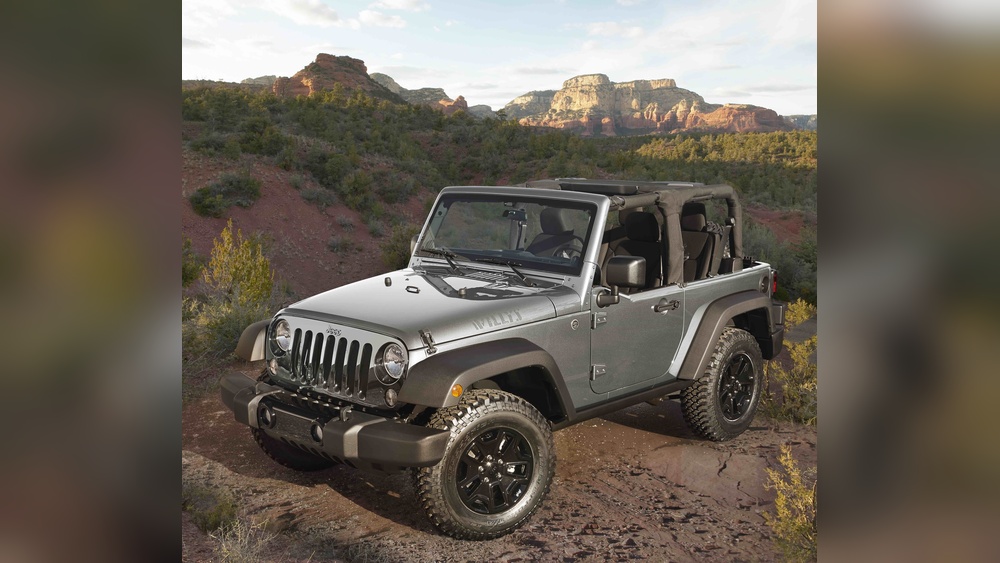
Jeep owners love to make their vehicles unique. One of the most popular ways to customize a Jeep is with a vinyl wrap.
But while wrapping the body is common, many people wonder: Can you wrap Jeep fenders? The answer is yes, and it’s easier than you might think.
Wrapping your Jeep’s fenders can change the look, protect the paint, and even add value. But the process has some challenges and important details that beginners often miss.
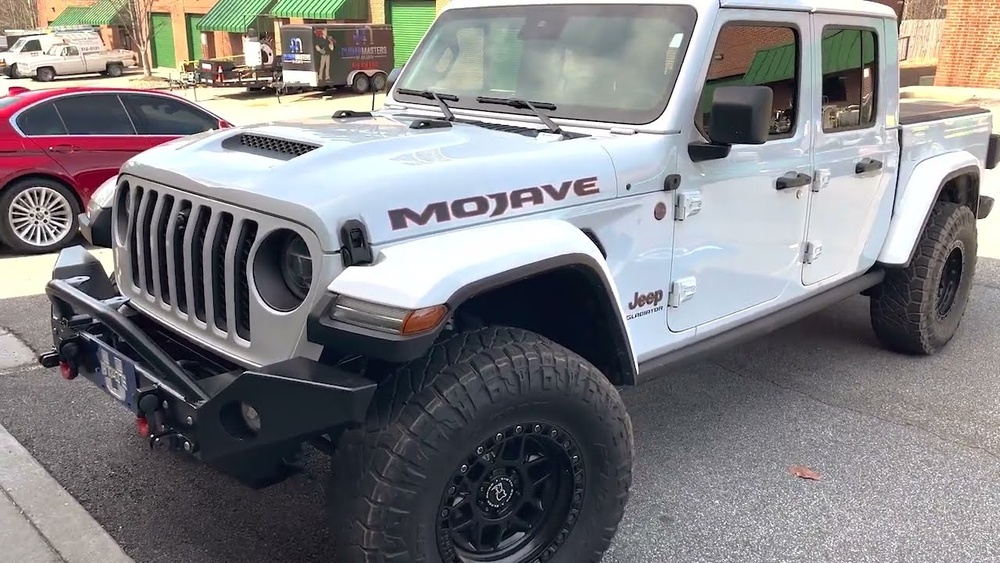
Why Wrap Jeep Fenders?
Wrapping is more than just changing color. Vinyl wraps protect your Jeep’s fenders from scratches, chips, and sun damage. They also allow for quick design changes without repainting.
A wrapped fender can:
- Hide minor scratches or faded paint
- Add custom graphics or logos
- Make cleaning easier (vinyl is smooth and less sticky for mud)
- Boost resale value by protecting original paint
Many Jeep owners choose wraps because they are removable. If you want to sell your Jeep, you can return it to its stock look in hours.
What Types Of Fenders Can Be Wrapped?
Not all Jeep fenders are the same. Some are plastic, others are metal, and some are painted. Each type reacts differently to vinyl wrap. Here’s a quick comparison:
| Fender Material | Wrap Difficulty | Adhesion | Best Practices |
|---|---|---|---|
| Plastic (stock) | Medium | Average | Use primer for better stick |
| Painted Metal | Easy | Excellent | Clean surface well |
| Aftermarket (textured) | Hard | Poor | Smooth surface first |
Textured fenders are the most challenging. Vinyl does not stick well to rough or grainy surfaces. For best results, fenders should be smooth, clean, and free of wax or oil.
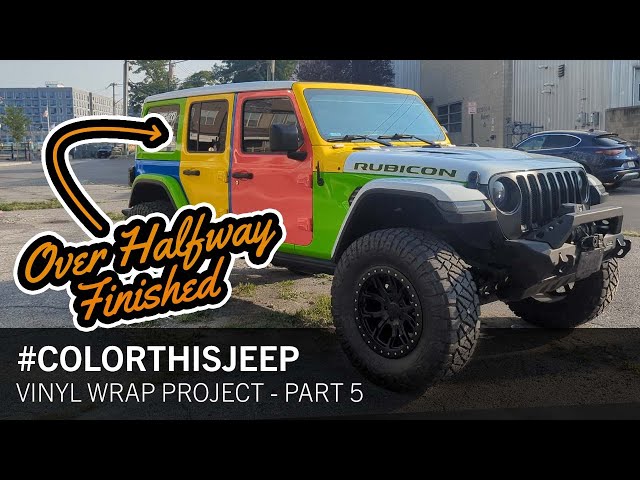
How To Wrap Jeep Fenders: Step-by-step
You don’t need to be a professional, but patience is key. Here’s how to wrap your Jeep’s fenders:
1. Clean The Fenders
Wash off all dirt, grease, and wax. Use isopropyl alcohol for a final wipe.
Vinyl sticks best to a dry, clean surface.
2. Remove The Fenders (optional)
Some people wrap with fenders on the Jeep. But removing them makes it easier, especially for full coverage.
3. Measure And Cut The Vinyl
Leave extra material around the edges. Jeep fenders have curves, so you’ll need some slack.
4. Heat And Stretch
Use a heat gun to gently warm the vinyl. This makes it flexible for corners and edges.
Do not overheat or the wrap can tear.
5. Apply The Vinyl
Start from the center and work outward. Use a squeegee to remove air bubbles.
For sharp corners, use extra heat and press firmly.
6. Trim Excess Material
Use a sharp blade to cut around lights, bolts, and the edge of the fender.
7. Seal The Edges
Press the wrap firmly around the edges. If possible, tuck it underneath for a cleaner look.
8. Check For Bubbles
Small bubbles can be popped with a pin and smoothed out.
Pro Tip: Always use high-quality vinyl from trusted brands. Cheaper wraps often peel or fade quickly.
Common Mistakes To Avoid
Even experienced DIYers make errors. Here are mistakes you can avoid:
- Skipping surface prep: Dirt or wax under the vinyl causes poor adhesion.
- Not using enough heat: Corners will lift if you do not heat and stretch the wrap.
- Choosing the wrong vinyl: Some films are not designed for automotive use.
- Trying to wrap rough-textured fenders: The wrap will not stick well and may look uneven.
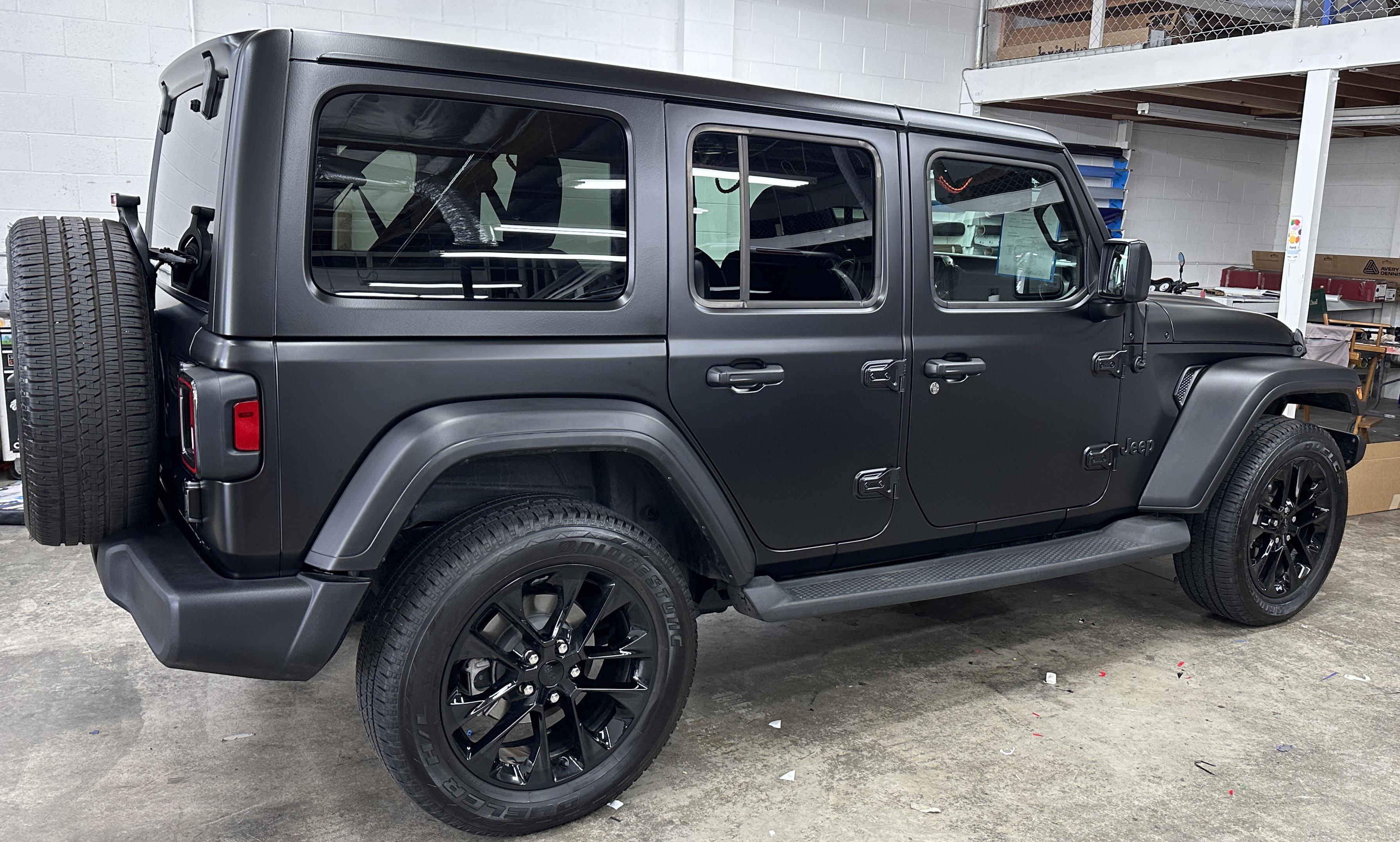
Cost Comparison: Wrapping Vs. Painting
Many Jeep owners ask if wrapping is cheaper than painting. Here’s a quick overview:
| Method | Typical Cost (per fender) | Durability | Removable |
|---|---|---|---|
| Vinyl Wrap | $50–$150 | 2–5 years | Yes |
| Professional Paint | $200–$400 | 5–10 years | No |
| DIY Paint | $40–$100 | 1–3 years | No |
Vinyl wrap is usually the most cost-effective way to change your fender’s look without permanent changes.
Durability And Maintenance
A well-applied wrap can last up to five years. But fenders take a lot of abuse from rocks, mud, and sun. To make your wrap last longer:
- Wash gently with mild soap
- Avoid harsh chemicals and pressure washers
- Repair nicks and tears quickly
One tip that beginners often miss: edge sealing tape. Adding this tape to the wrap’s edge can prevent peeling, especially on fenders where dirt and moisture collect.
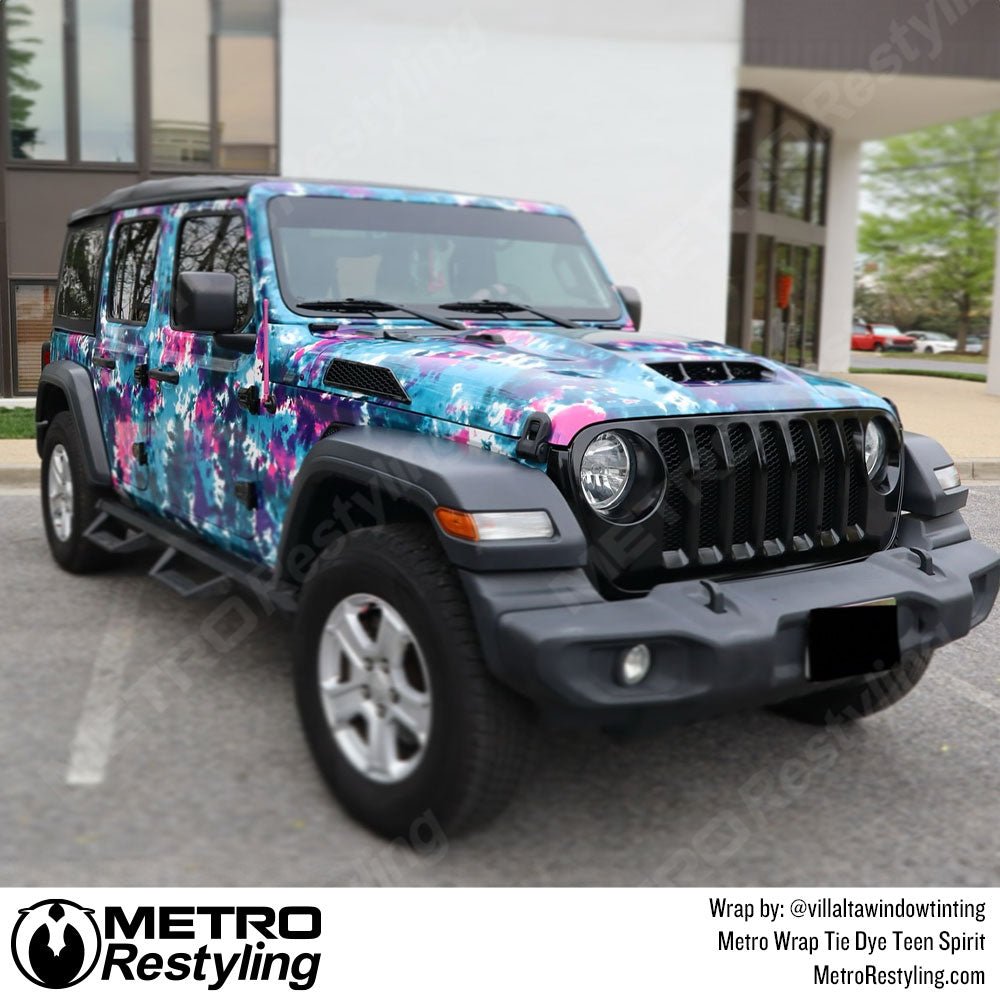
Customization Options
Vinyl wraps come in many finishes:
- Gloss
- Matte
- Satin
- Carbon fiber
- Camo patterns
You can mix and match styles, or add graphics for a personal touch. Some Jeep owners wrap only the fender flares, while others match the hood or roof for a more dramatic effect.
If you want ideas or inspiration, visit the Wrappix Gallery to see real-world examples.
Is Wrapping Jeep Fenders Worth It?
If you want a new look, easy maintenance, or protection, wrapping your Jeep’s fenders is a smart choice. It’s reversible, affordable, and gives you endless style options.
For those who like to change their Jeep’s look each season or protect their investment, vinyl wrapping is hard to beat.
But remember, good results require preparation and patience. If you’re not confident, a professional wrap shop can help, especially with tricky fender shapes.
Frequently Asked Questions
Can I Wrap Jeep Fenders Myself Or Do I Need A Professional?
You can wrap Jeep fenders yourself if you have patience and some basic tools. Many DIY kits are available.
However, for a perfect finish—especially on textured or complex fenders—a professional installer is recommended.
How Long Does A Vinyl Wrap Last On Jeep Fenders?
Most quality wraps last 2 to 5 years on fenders, depending on care and driving conditions. Fenders get more abuse than other parts, so regular cleaning and edge sealing help extend life.
Will Vinyl Wrap Damage My Jeep’s Paint?
Vinyl wrap usually does not damage paint if installed and removed correctly. In fact, it protects the paint from chips and UV rays.
However, if the paint is already chipped or rusted, vinyl may pull it off during removal.
Can I Wrap Over Textured Or Aftermarket Fenders?
Yes, but results vary. Vinyl does not stick well to rough textures. Sanding or smoothing the surface before wrapping gives the best results. Some textured plastics may never hold vinyl perfectly.
Is Wrapping Cheaper Than Painting My Jeep Fenders?
Wrapping is usually less expensive than professional painting and is reversible. If you want a temporary or custom look, vinyl wrap is the better value.
However, painting can last longer if you want a permanent change.